What the district is
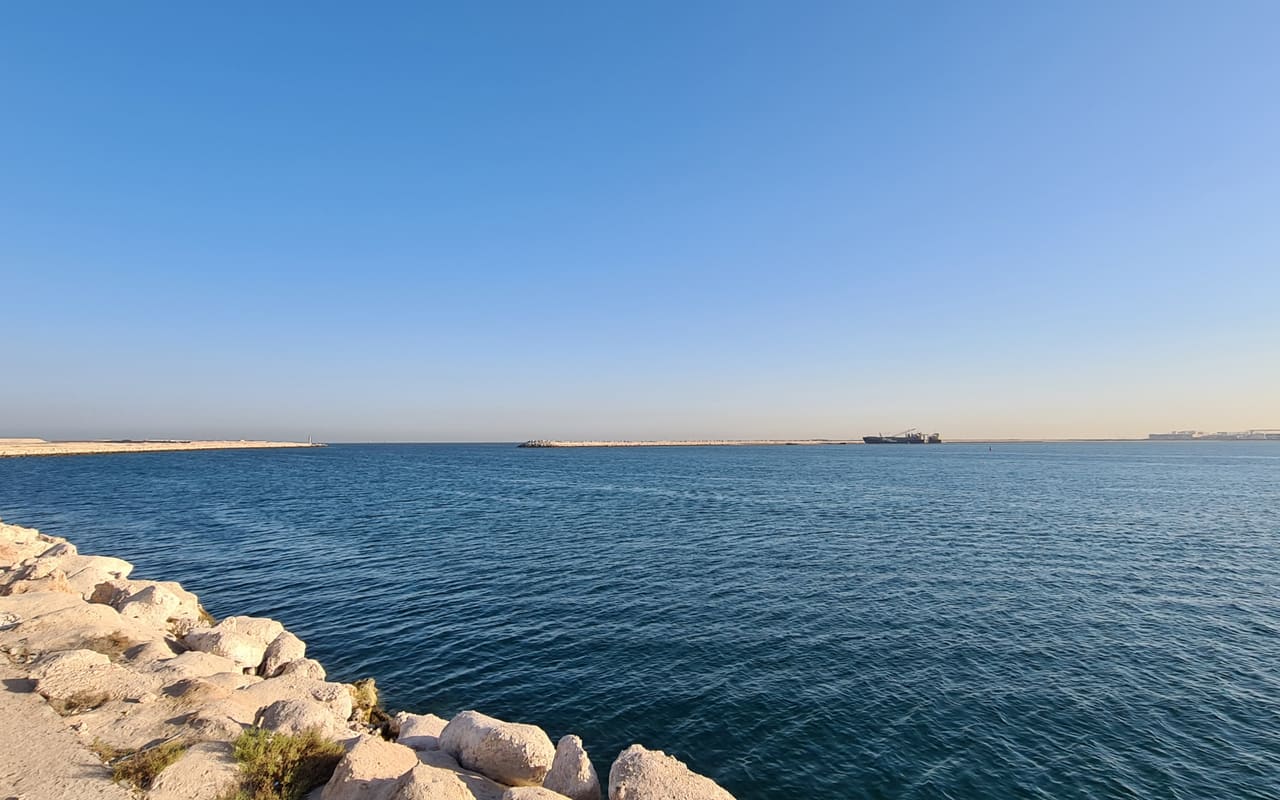
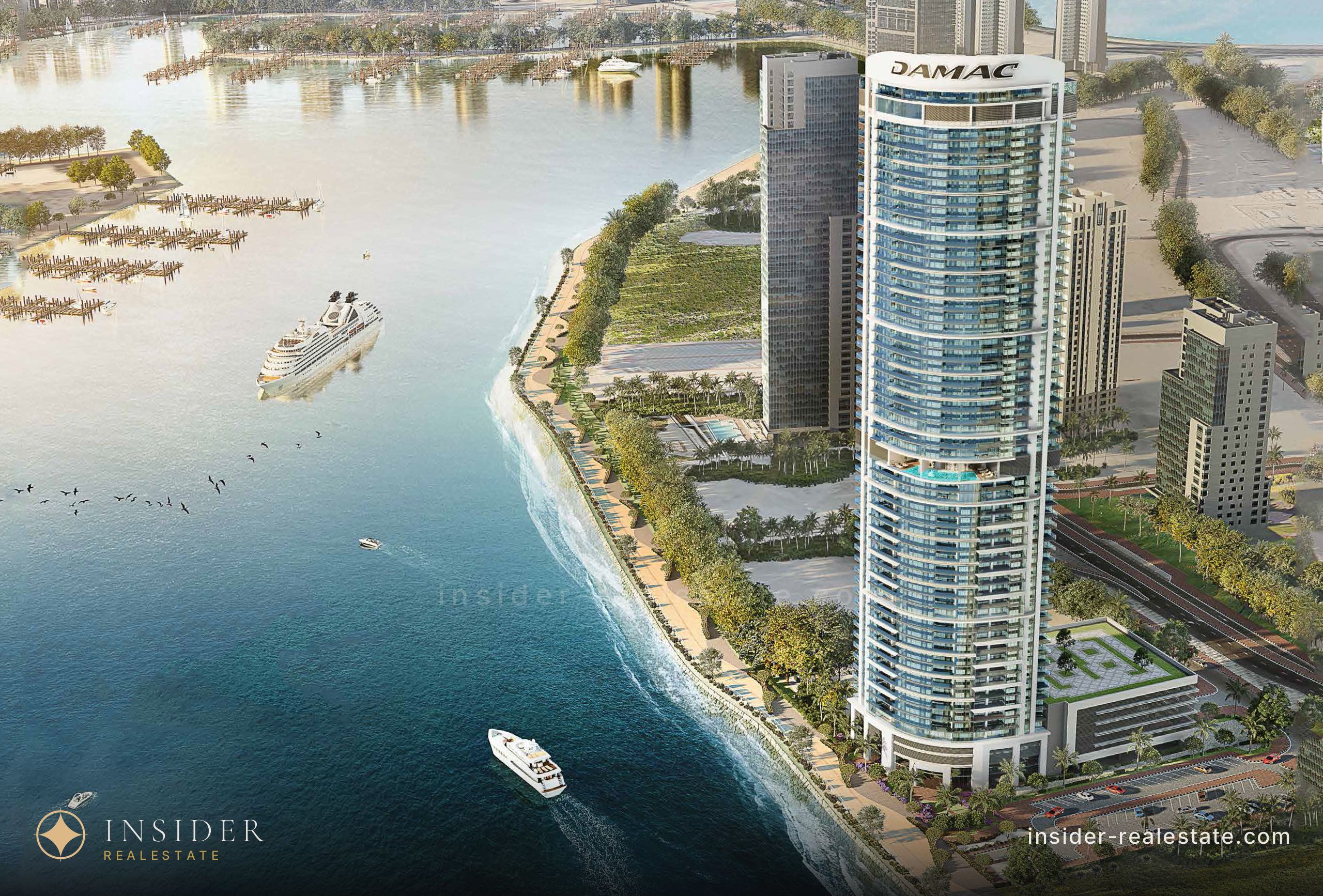
Dubai Maritime City occupies a reclaimed peninsula of about 2.5 square kilometres between Jumeirah and Bur Dubai, adjoining Port Rashid. Land reclamation began in 2004 and the district forms part of the DP World portfolio.
It is divided into two zones. The industrial side is a specialised maritime cluster — shipyards, marine services and the businesses that support them, the largest concentration of its kind in the Gulf. The business side carries the residential, retail and office component along the waterfront.
It is also a free economic zone with one hundred percent foreign ownership and no corporate tax, and more than 280 companies are registered here, from yacht builders to logistics operators.
A campus for maritime sciences and engineering is planned on the peninsula with capacity for around 1,300 students, which over time adds a resident population that is not simply commuting in.
The location argument
The peninsula is genuinely central. La Mer beach and the Dubai Frame are roughly ten minutes away; Downtown and Dubai International are about twenty. Bur Dubai and Deira are minutes.
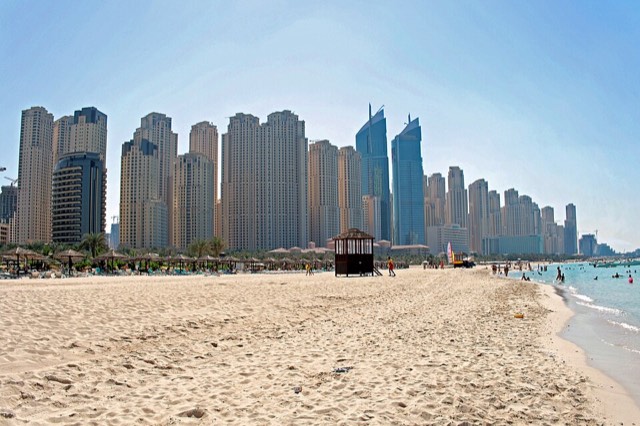
For anyone whose life sits on the eastern side of the city — the historic quarter, the airport, the creek — this beats Dubai Marina comfortably on access, and it does so at a fraction of the coastal price.
The geometry matters too. On a peninsula the outer water frontage cannot be built out by a neighbour, which in a city where residents routinely lose their view to the next tower is worth real money.
The adjacent Mina Rashid regeneration by Emaar is the larger part of the same story, and the two districts will mature together over the next decade.
Living next to a working port
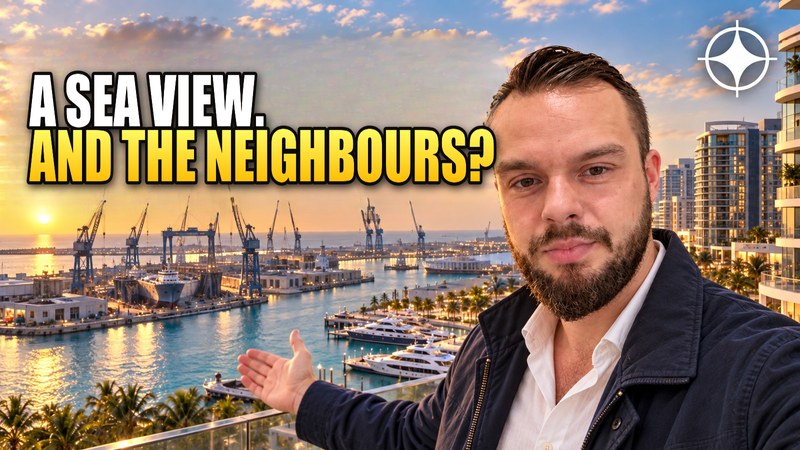
Dubai Drydocks operates alongside the district and it is an active facility, not a decorative one. That means vessel movements, industrial activity and a functional rather than resort character along part of the boundary.
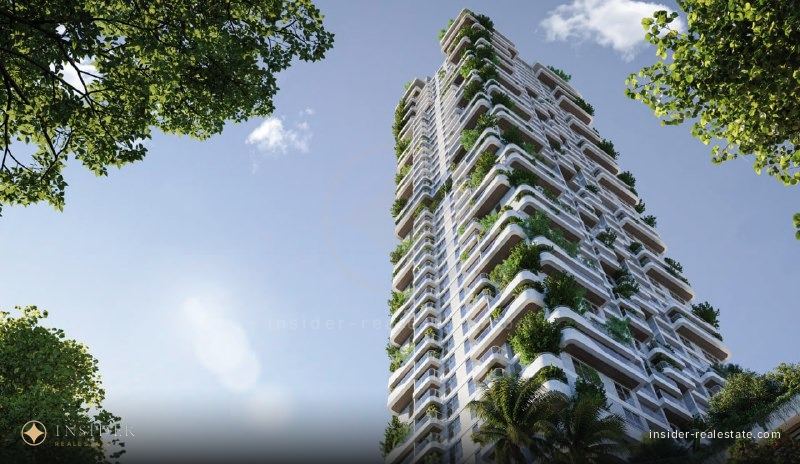
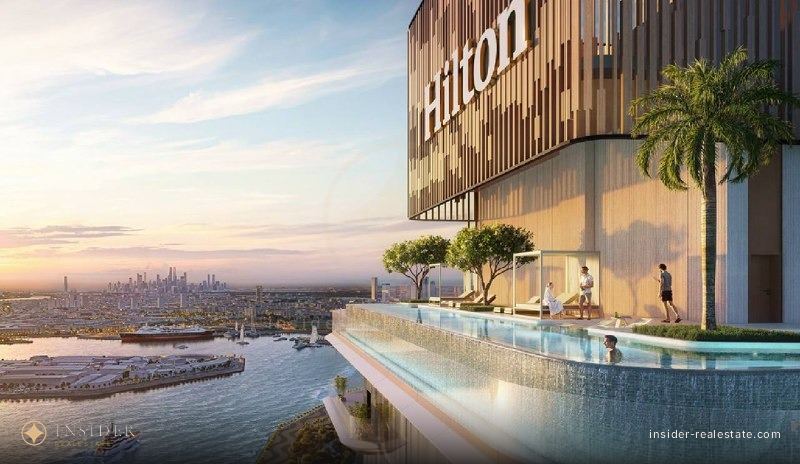
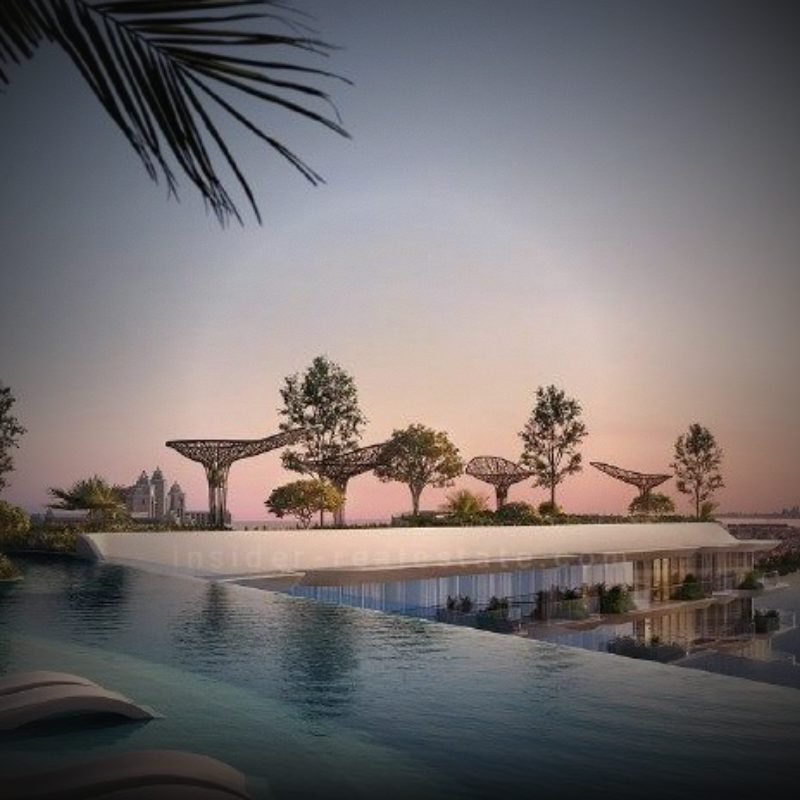
For some buyers that is genuine character — a waterfront that does something rather than one that merely looks like it. For others it is a drawback, and it is worth forming a view in person rather than from a rendering.
Orientation therefore does more work here than in most districts. A unit facing open water and a unit facing the drydocks are different products, and the price difference should reflect it.
The cruise terminal at Port Rashid adds periodic congestion on arrival and departure days, concentrated on specific access routes.
Who is building here
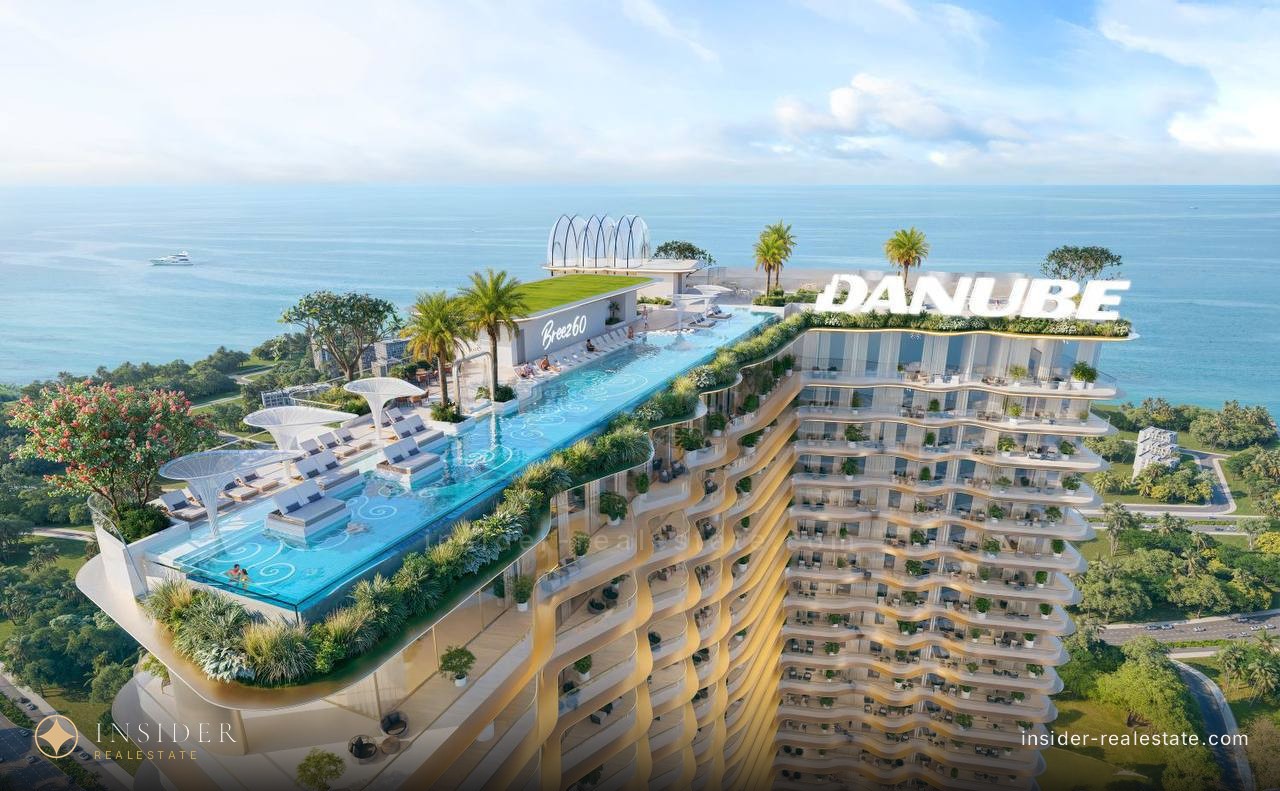
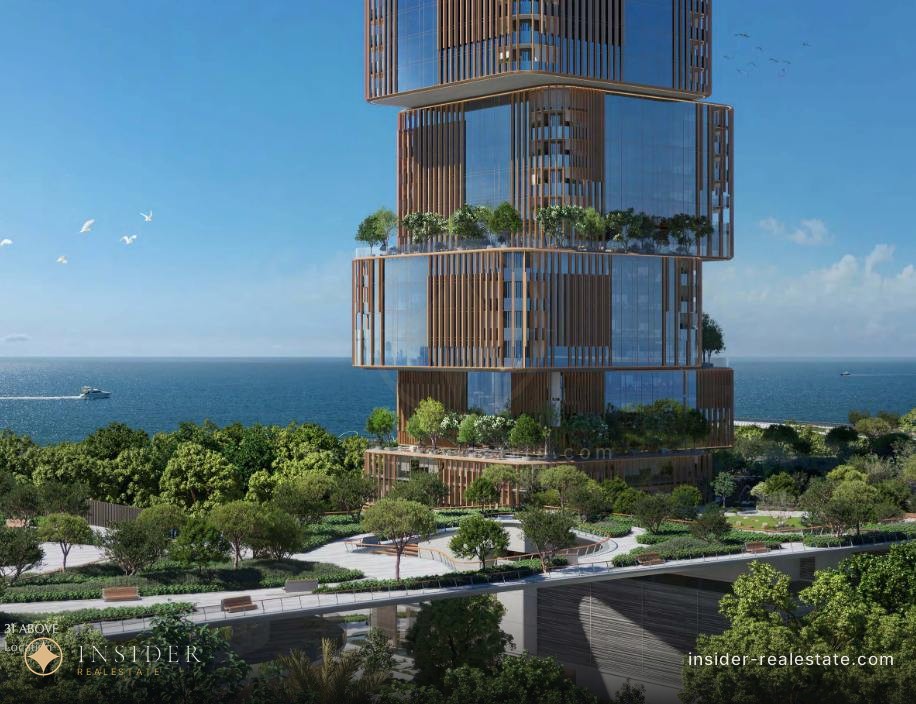
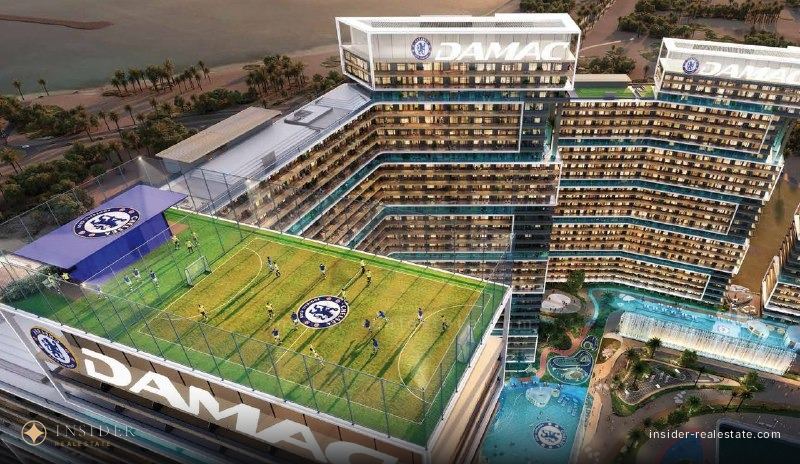
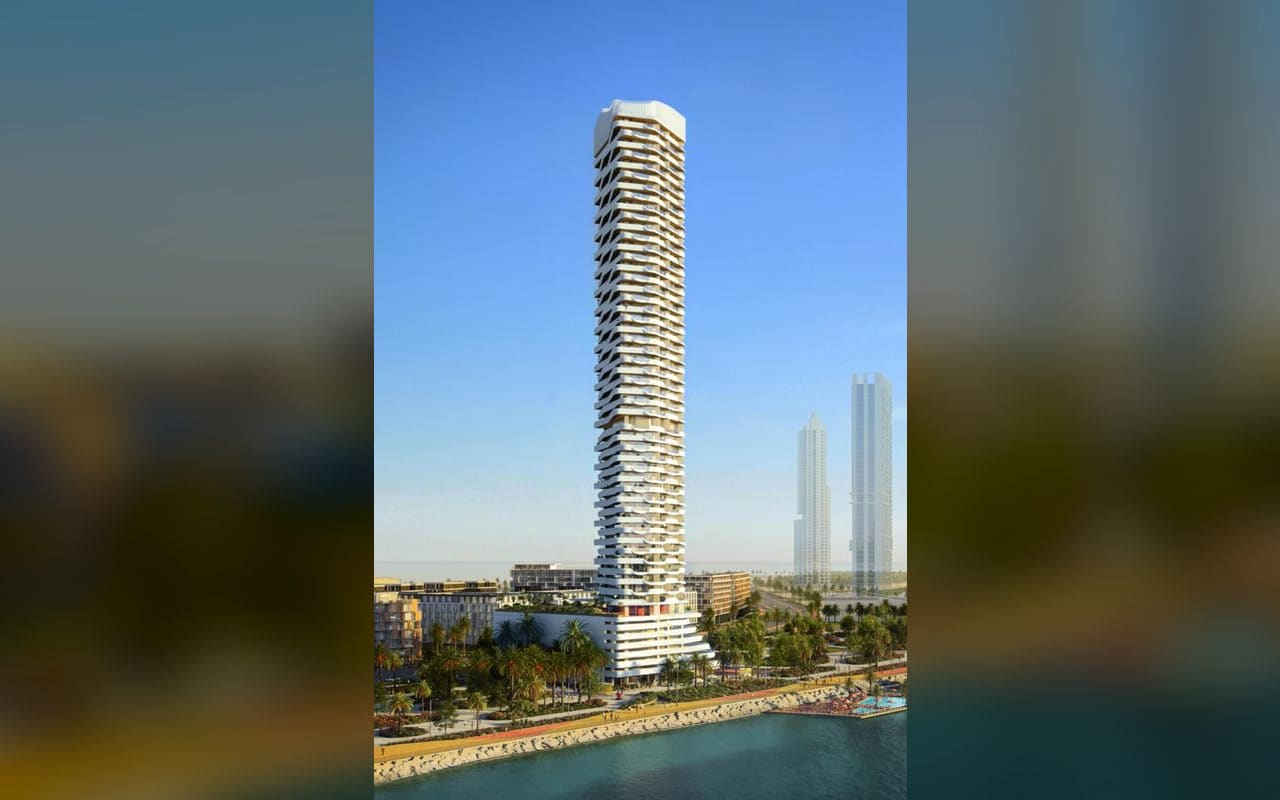
The waterfront plots have attracted a wide range of developers: DAMAC, Danube, Deyaar, LMD, Omniyat and Select Group among them, which gives the district an unusually broad spread of price points for its size.
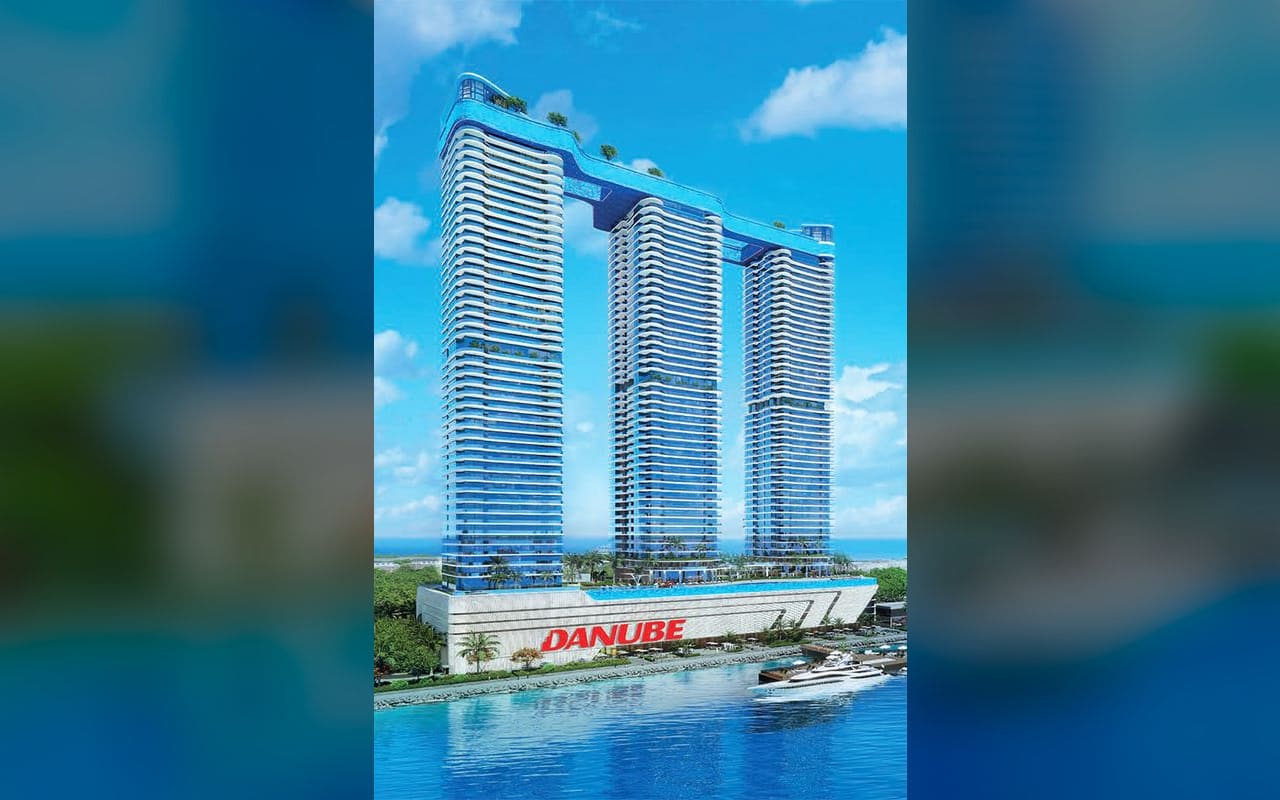
Nautica by Select Group sits at the specification-led end. Oceanz by Danube competes on payment terms and furnished delivery. SARIA and The Pier Residences occupy the ground between them.
That spread is useful for a buyer, because it makes direct comparison possible inside one district rather than across the city. It also means quality varies considerably from building to building, as it always does when many developers build independently.
Walk a delivered building from the same developer before committing to an unbuilt one here. On a peninsula still filling in, that is the only reliable calibration available.
What is missing today
The everyday layer. Retail, dining, schools and the street life that make a district pleasant are arriving with the residential build-out rather than preceding it, and today residents drive for most things.
Public transport is thin. There is no metro station on the peninsula, and the walk to the nearest is not a summer proposition.
Rental demand is correspondingly thinner than in a mature district, and rents reflect it. Model the first years on what the specific building actually achieves rather than on Business Bay figures.
None of that is unusual for a district at this stage. It is simply the cost of the entry price, and it should be priced in rather than discovered afterwards.
How to approach it
Buy on a ten-year view. This is a central waterfront regeneration and those mature slowly; the peninsula and Mina Rashid together will be a different place in a decade, and that is the thesis.
Verify the outlook from the actual unit, and ask what is permitted on the plots between your building and the water. On a peninsula under development, a front-row position can become second row in a single phase.
Check the escrow registration and the construction percentage with the Dubai Land Department rather than relying on a sales update, and get the projected service charge in writing as a floor rather than a forecast.
And be clear that this is not a district that will produce strong income in its first years. The return here is the location, held long enough for the location to be worth what it should be.