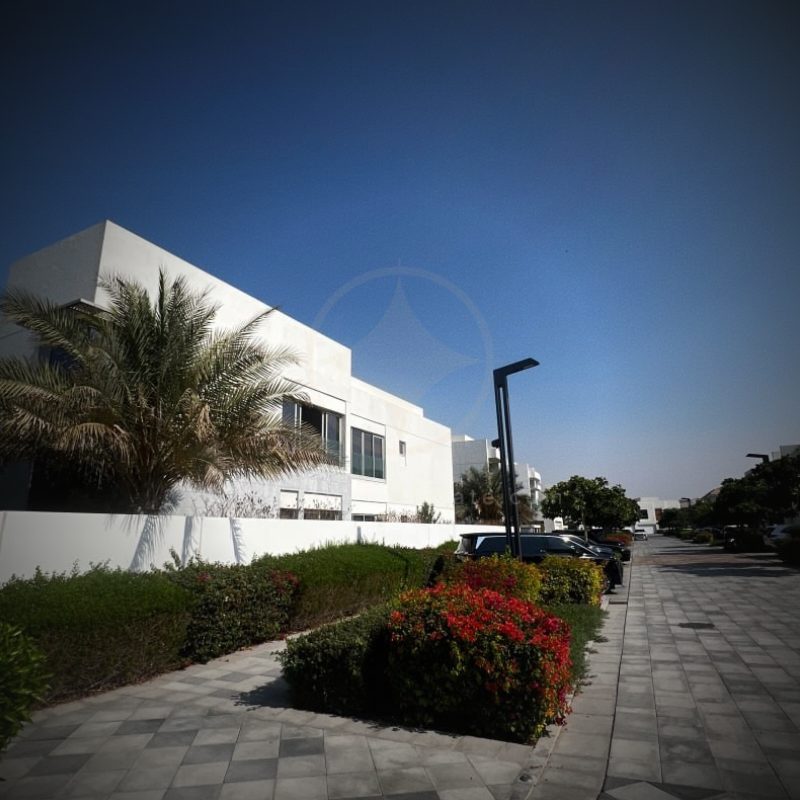
What Meydan is
Meydan takes its name and its centre from Meydan Racecourse, home of the Dubai World Cup, and spreads across the low-density land between Nad Al Sheba, MBR City and Al Quoz. It is a mix of villa and townhouse communities, apartment developments and the racecourse complex itself.
The defining characteristic is that it is central without being dense. Downtown is ten to fifteen minutes off-peak, the airport about twenty, and yet the built environment is low-rise, green and quiet.
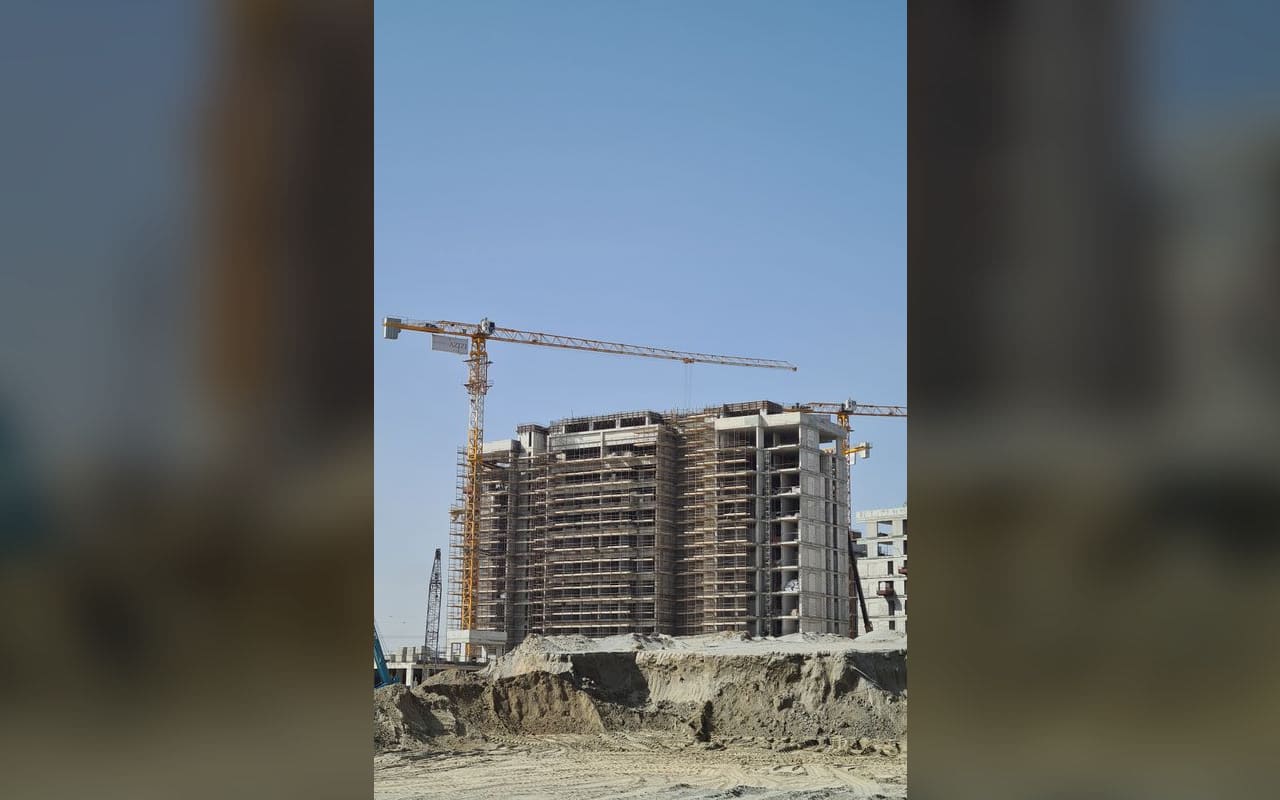
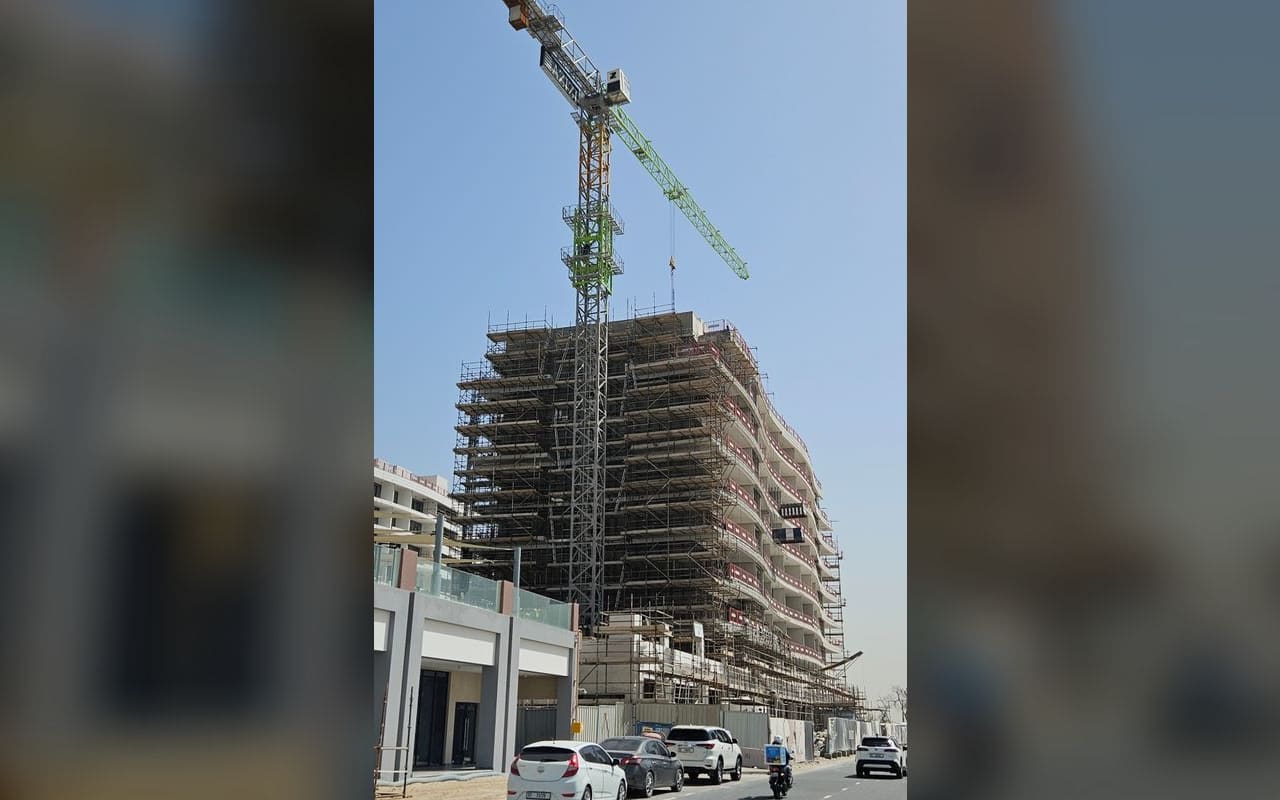
Development has accelerated sharply through the 2020s, with numerous developers building townhouse and apartment schemes across the area, so "Meydan" now covers a wide range of products and price points.
Why the location works
Dubai’s villa districts have historically been a trade: space in exchange for a long commute. Arabian Ranches, Damac Hills, Tilal Al Ghaf and The Valley all sit well outside the centre. Meydan breaks that trade — you get a house and a fifteen-minute run to Downtown.
That is a genuinely scarce combination and it is the whole investment argument for the district. The land is finite, the location cannot be replicated, and demand from families who want to stay central is consistent.
Road access is via Al Khail Road and Ras Al Khor Road, both of which work well outside peak and congest during it. There is no metro today; the underground Gold Line announced in 2026 is routed through Meydan and MBR City with launch declared for 2032 — a real change of category when it arrives, and strictly upside until it does.
The product range
Townhouses are the volume product and where most transactions happen: three and four bedrooms, modest plots, community pools and parks. Demand is strong and resale is straightforward.
Villas on larger plots exist in several sub-communities and command a substantial premium, particularly those with racecourse or open-land outlooks.
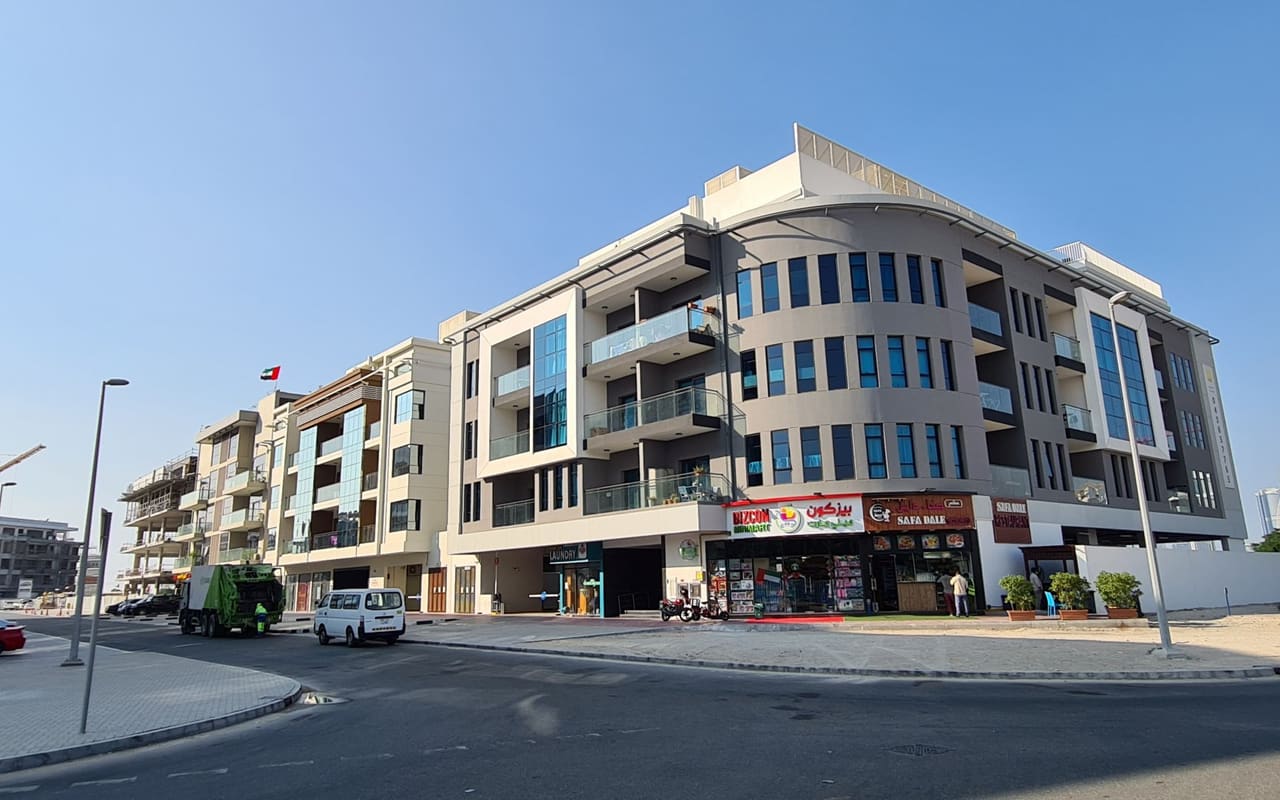
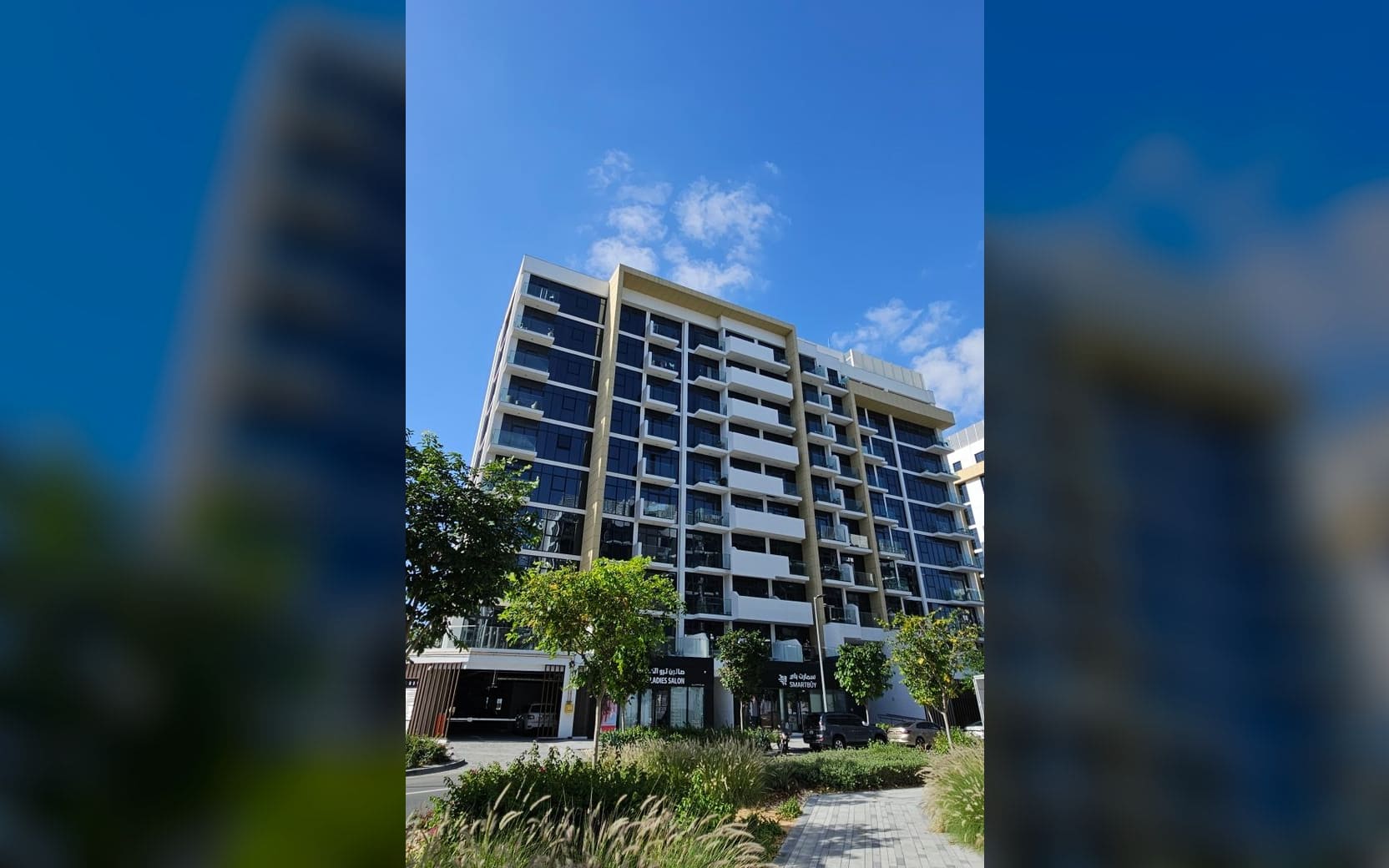
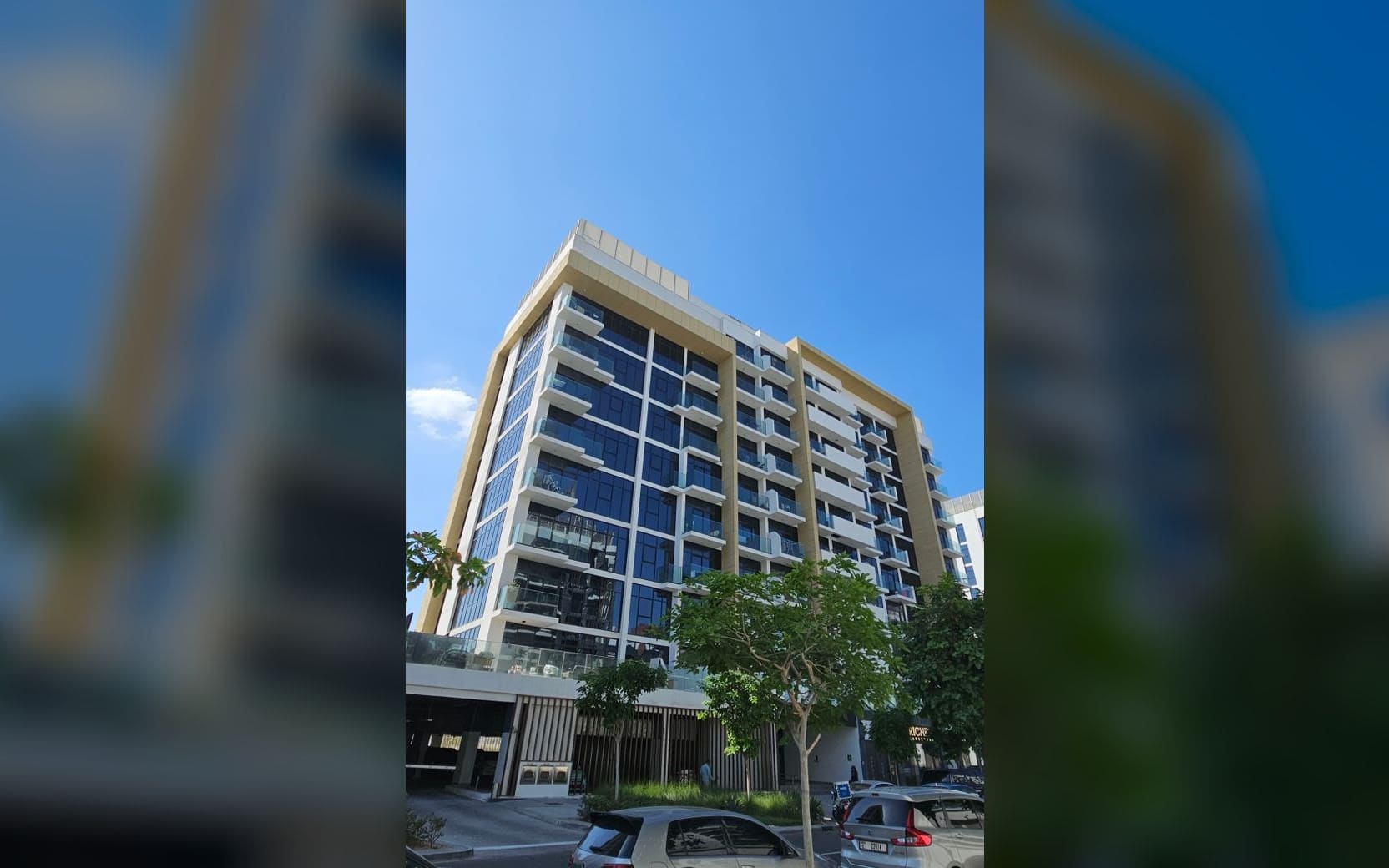
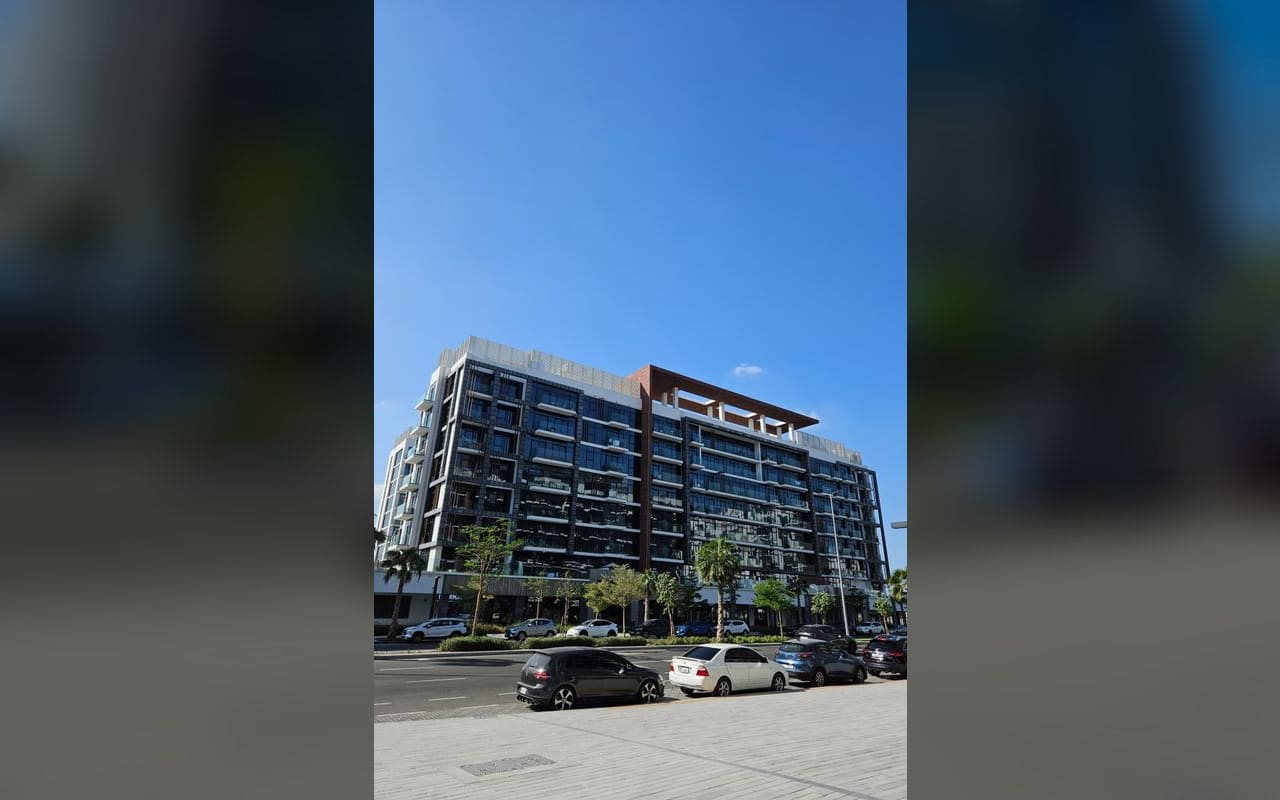
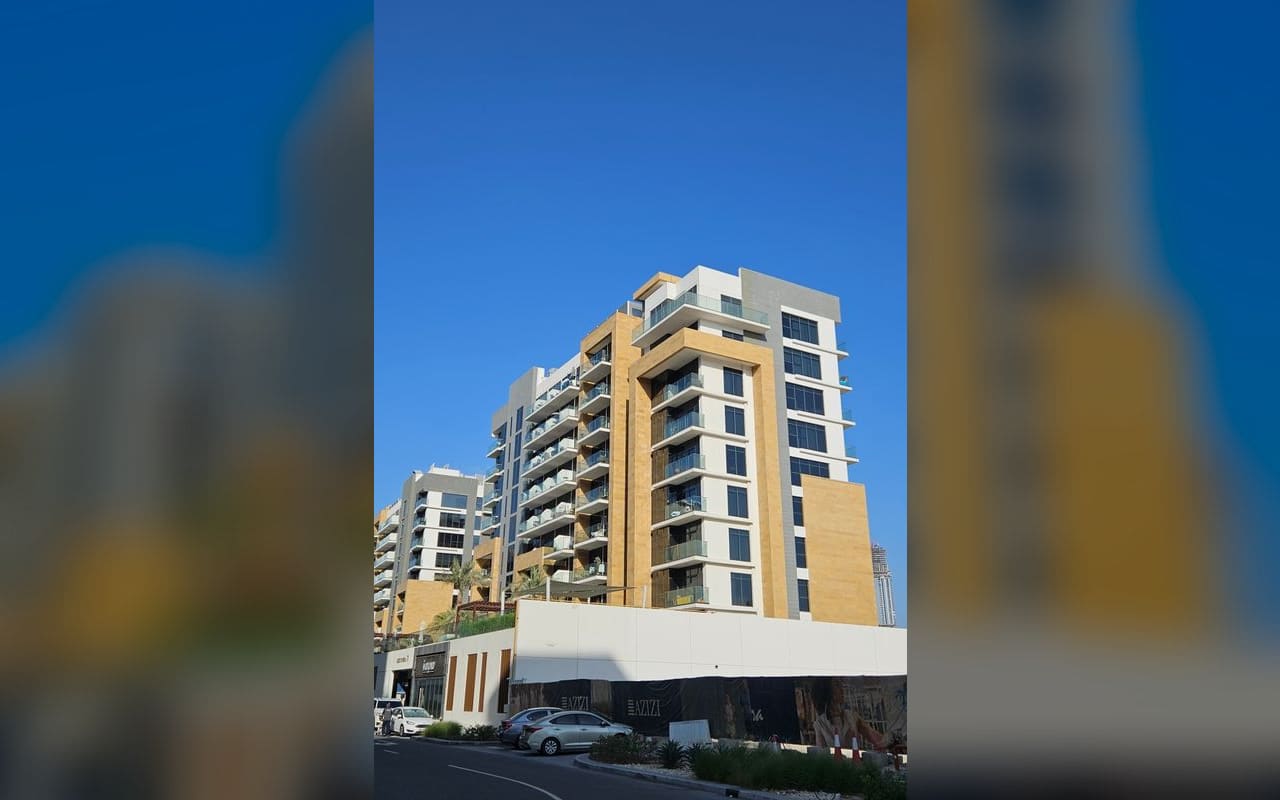
Apartments have grown rapidly as a segment, with numerous mid-rise developments aimed at professionals who want the central location at an accessible price. Yields on these are respectable.
Quality varies widely by developer. Meydan is not a single-developer masterplan like Dubai Hills, so the community management, the build standard and the service charge all depend on who built your specific scheme.
What to check
Who the developer is and what else they have delivered in Dubai. This matters more here than in a single-developer district.
The community service charge and what it covers, since sub-communities within Meydan are managed separately.
What is planned on the surrounding plots. Meydan is filling in fast, and open land opposite your house today may not be open land in three years.
School provision, which is thinner than in Dubai Hills — most Meydan families drive to schools in Nad Al Sheba, Al Quoz or MBR City.
Flooding and drainage, which affected parts of this low-lying area during exceptional rainfall. Ask specifically about the drainage design for your sub-community.
Living here
Meydan is quiet, green and low-rise, with the racecourse and the surrounding open land giving it a genuinely different feel from the tower districts.
Everyday amenity is thin relative to Dubai Hills: some community retail, but for a substantial shop, dining or entertainment, residents drive to Downtown, Al Quoz or Nad Al Sheba.
The Meydan One development and the retail associated with it will change that when complete, and it has been a long time coming.
It is a car district in every respect. No metro until the announced Gold Line arrives — 2032 at the earliest — limited pavements between sub-communities, and distances that assume a vehicle.
The investment case
The core argument is location scarcity: a house within fifteen minutes of Downtown, in a city where that combination barely exists elsewhere. That underpins both rent and resale.
Yields are moderate on villas and townhouses, better on apartments, and the tenant base is stable — families on multi-year stays rather than transient sharers.
Capital growth has been strong as the district has matured and as buyers priced in the location. The risk is supply: Meydan has a great deal of land still to build on, and a heavy release pipeline caps growth.
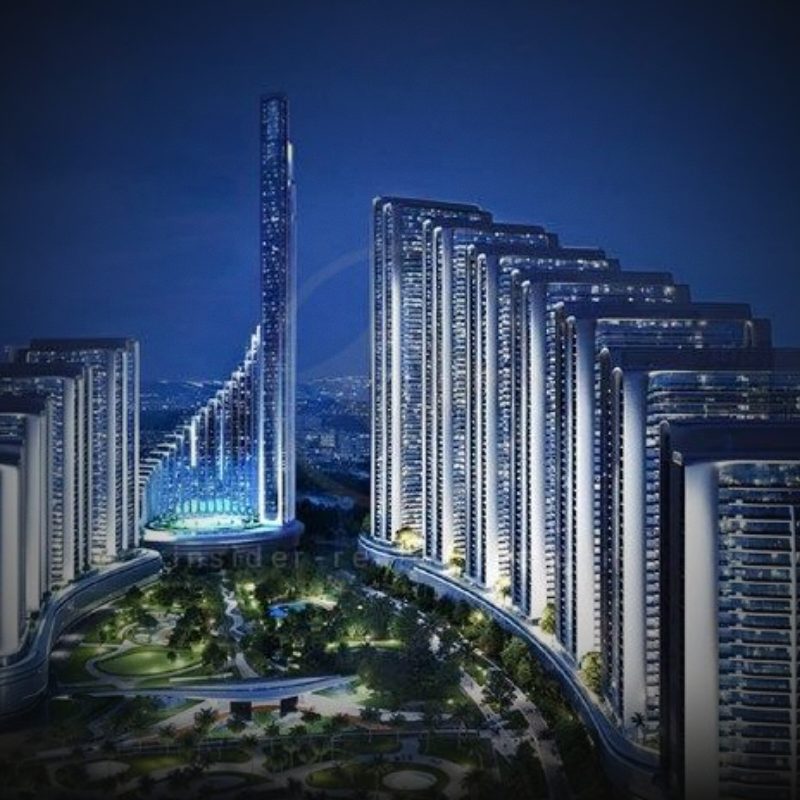
The pipeline is not abstract. Next door, Meydan Horizon is building lagoons, a canal promenade and over a dozen towers; the Mercedes-Benz Places | Binghatti City scheme — announced at over eight billion dollars across nearly a million square metres — was declared to start in early 2026; and the metro Gold Line is routed through the area for 2032. All three explain why land here is repricing, and none of the three is built — value the purchase on what stands today.
It suits a family that wants space without the commute, and an investor who believes central land will keep outperforming. It suits poorly anyone who needs finished amenity today.
The racecourse and what it brings
Meydan Racecourse hosts the Dubai World Cup, one of the richest horse races in the world, and the grandstand, hotel and associated facilities occupy a substantial part of the district.
For residents the practical effects are mixed. The racecourse and its surrounding open land keep density low and give the area a horizon that no tower district has. Race days bring traffic and crowds, concentrated on a handful of dates.
The Meydan hotel, restaurants and the golf course attached to the complex provide amenity that the residential communities themselves do not, and they are within a few minutes of most of the district.
The equestrian infrastructure also anchors a specific demographic — riders, owners, trainers and the businesses around them — who are unusually committed to living in the area.
Who is building here
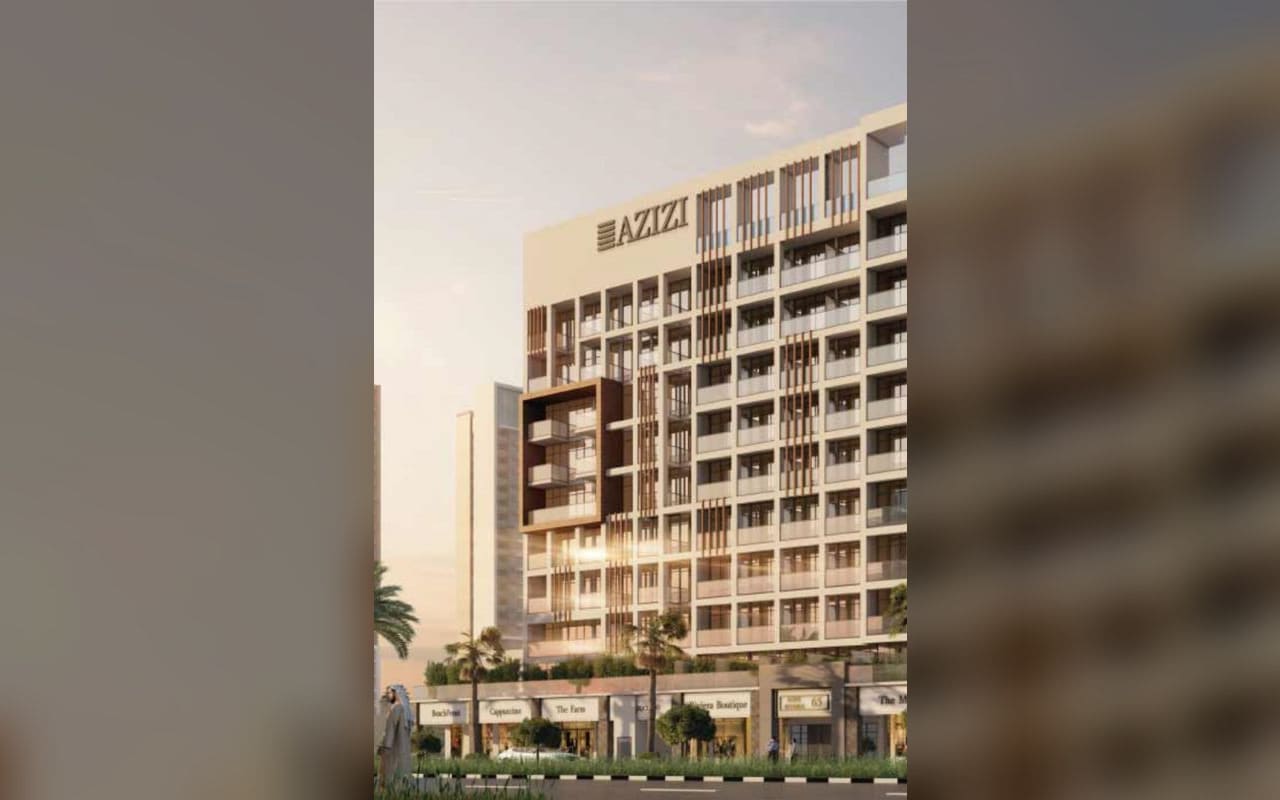
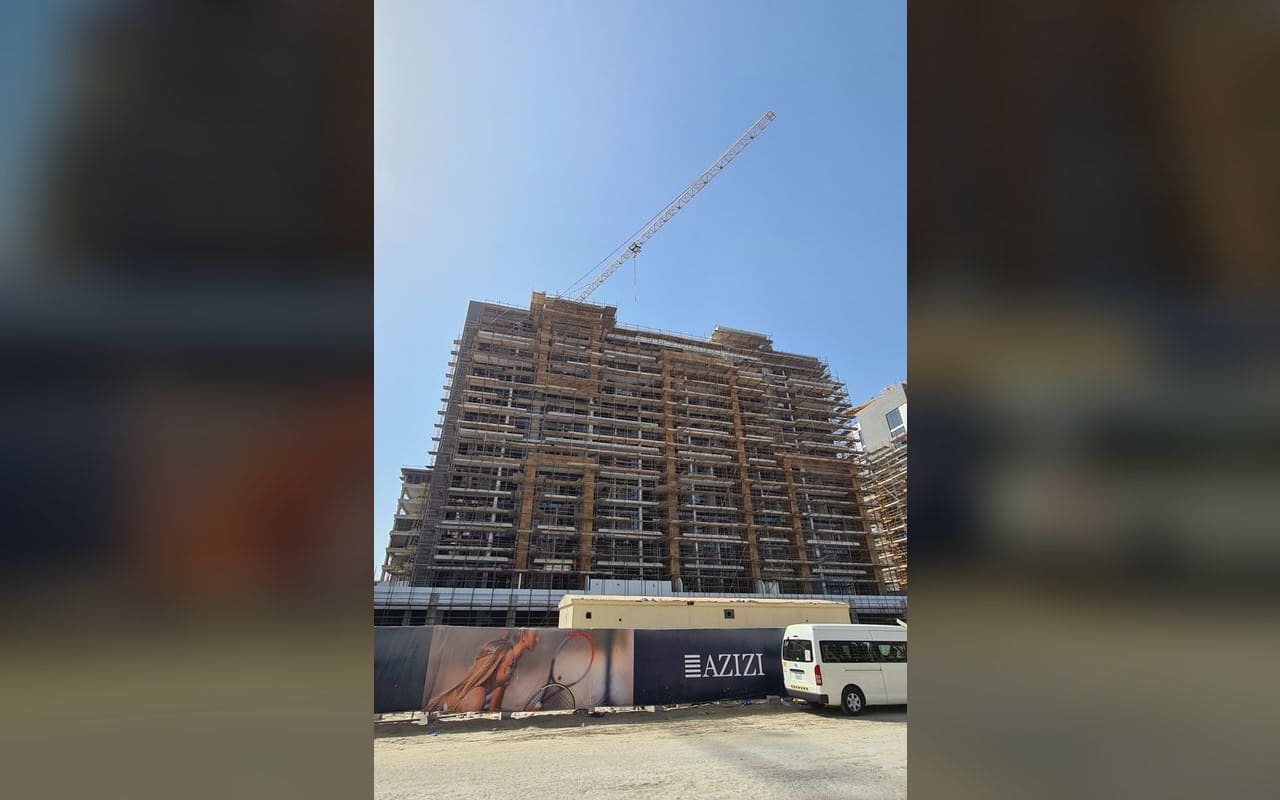
Meydan is not a single-developer masterplan, and that is the most important practical fact about buying here. Meydan Group itself, Azizi, Sobha, Nshama, Ellington and numerous smaller developers have all built inside the area.
The consequence is that community management, build quality, service charges and the state of the shared amenity all depend on which sub-community you are in, and they vary widely.
Some sub-communities are well run with funded maintenance; others were handed over with minimal reserve and have visible deferred works.
Ask who built it, what else they have delivered in Dubai, and what the charge history shows. In a district assembled from a dozen independent schemes, the district reputation is not a substitute for those three answers.
The flooding question
Parts of Meydan sit low and exceptional rainfall in recent years caused genuine problems in some sub-communities, with standing water and drainage that could not cope.
It is a fair and specific question to ask: how did this street perform during the last major rainfall event, and what drainage capacity was the community engineered to.
Developers and residents both know the answer, and it varies enormously between sub-communities depending on ground level and when the infrastructure was laid.
It is also worth checking the ground level of the specific plot relative to the surrounding roads. On flat land that single detail decides whether water drains away from a house or towards it.