
Condor Developers
A construction contractor that spent nearly four decades building for other developers across the Middle East and South Asia before recently launching its own residential brand — a completed tower in Dubai Marina and one under construction in Jumeirah Village Triangle.
1 project by this developer in the catalogue. Nothing of theirs is in the discounted stock right now — nearby listings are below.
- A unit built by a contractor, not resold by one
- Dubai Marina without a brand-name premium
- Buyers who value energy-efficient specification
- Investors comfortable judging a contracting record over a sales record
The company in brief
Checkable facts about the developer itself. Unlike the figures above, these are not about our stock and do not move with what happens to be listed today.
- Origin
- started in the 1980s in Dubai as the contracting firm Condor Building Contracting LLC, founded by engineer V. Sivaprasad
- Contracting portfolio
- more than 400 completed projects across the Middle East and South Asia as main contractor for other developers
- Awards
- Dubai municipality Premier Construction Group Award in 2004 and 2006
- Green claim
- the company states one of its contracted buildings was the first LEED Platinum-rated project in the Middle East
- In our catalogue
- Marina Star in Dubai Marina (delivered) and Sonate Residences in Jumeirah Village Triangle (under construction)
- Footprint
- a construction arm in Thiruvananthapuram, India, alongside the Dubai business
What kind of developer this is
A contractor first, a developer second
Condor did not start as a developer. For decades it built hospitals, hotels and residential towers on commission for other companies' developments across the Middle East and South Asia, without its own land bank and without selling apartments under its own name. That is a fundamentally different business from a developer who buys land, designs a concept and hires an outside contractor to build it — Condor has historically been the contractor on the other side of that relationship.
Only in the last few years has the company begun launching its own branded residential projects. For a buyer that cuts two ways: the company genuinely understands what a build actually costs and how long it actually takes, because that has been its core business for decades. On the other hand, it does not yet carry the long sales, marketing and off-plan buyer-relations history that developers who have sold housing for longer have built up.
What an in-house contracting arm actually changes
A developer that builds through its own construction division rather than outsourcing the entire contract typically has fewer layers of subcontracting between the drawing and the wall — and fewer opportunities for the developer and the builder to blame each other when something goes wrong, since they are the same company. That is not a quality guarantee on its own, but it is a structural reason to ask specifically whether a company has its own construction arm rather than judging by the name on the hoarding alone.
The flip side is that a company that grew out of contracting often has a less polished sales operation and after-sales service than developers known primarily for selling — that side of the business is younger at Condor than the building side. Weigh that honestly: the demonstrated strength here is construction, not the sales office or the buyer-support line.
What it has built under its own name
In Dubai Marina, the company delivered a compact-unit residential tower — a typical product for a district where demand concentrates on studios and one-bedrooms aimed at rental rather than large family layouts. It is not a flagship or a landmark for the area, but a working high-rise set back from the promenade, which is reflected in both the entry price and the tenant profile it attracts.
In Jumeirah Village Triangle, a second tower is under construction in a district with a very different character: younger, further from the water, with a calmer pace of price growth and a buyer base weighted more toward owner-occupiers than short-term letting. Two projects in districts with such different profiles suggest the company is still finding its niche, rather than repeating one formula the way narrowly specialised developers do.
The energy-efficiency angle
The company emphasises experience with energy-efficient construction and cites a LEED Platinum-rated building among the projects it built for outside clients. For a residential building that is not an abstract sustainability claim but a concrete line item for the buyer: good glazing, insulation and efficient cooling lower electricity and service-charge bills for years, and the gap compounds more than it first appears to.
The practical caveat is not to read the company-wide contracting reputation as a property-specific fact. Certification is awarded to a building, not to a developer in general, so for the specific project you are considering, ask for the exact rating and the document behind it rather than relying on the company's general reputation.
What to verify with a short developer track record
First, the escrow account and project registration, as with any off-plan purchase anywhere in Dubai — a short developer history is a reason to check these more carefully, not less. Second, actual construction progress against the published schedule: since the building arm is in-house here, this is genuinely visible on site rather than something you only hear from a sales team.
Third, compare price against neighbouring buildings of the same age and district rather than against the developer's name. A brand without a long sales history usually carries no name premium, which can work in the buyer's favour if the build quality lives up to the contracting track record behind it.
How I work with this developer
Because the developer track record is shorter than the district's bigger names, I look past the marketing material to the fact of the matter: has at least one tower been delivered on the stated timeline, and what does the second site actually look like on a visit. Marina Star has already cleared that test, and it changes the conversation about the second project from "unknown developer" to "a developer with one confirmed result".
On price I compare against comparable buildings of the same age and the same distance band from the water or the park, rather than the developer's brand — that is where a young developer's real negotiating room sits, not in the name.
Projects by Condor Developers
All projects →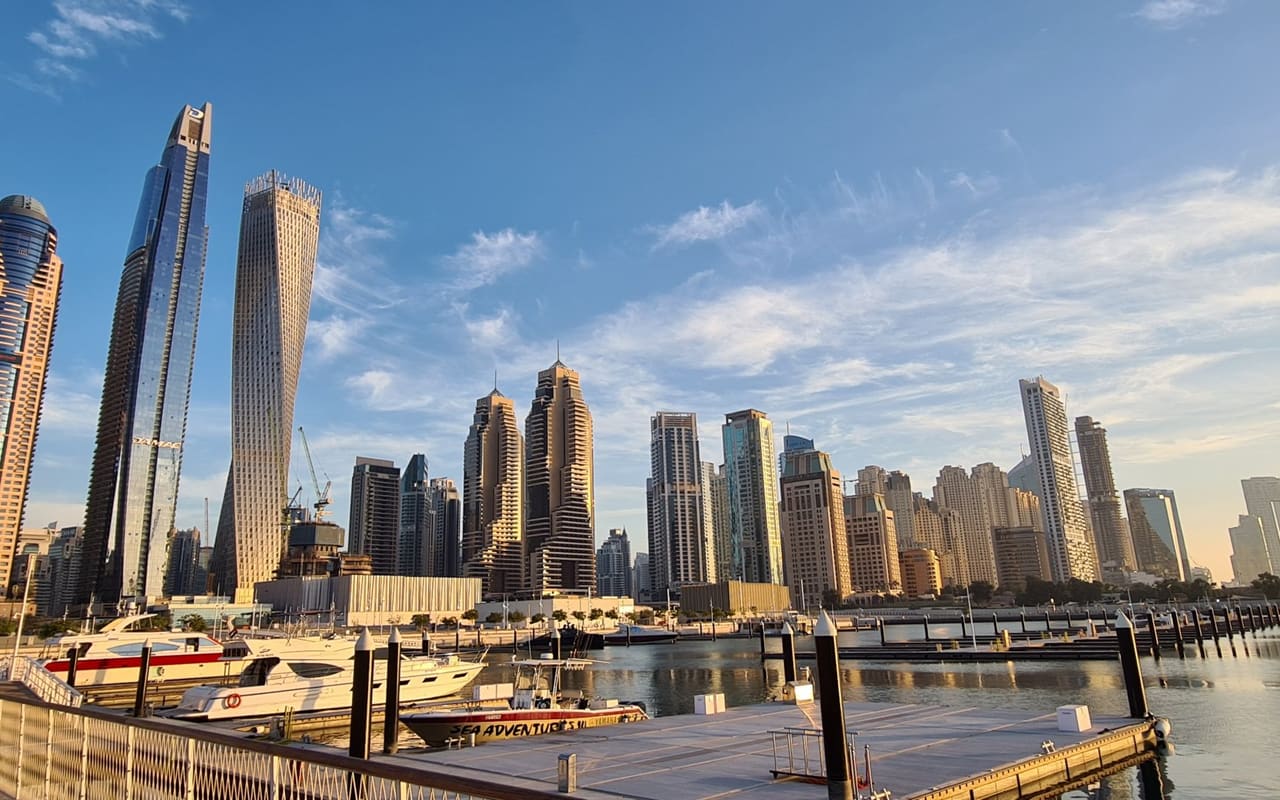
What these numbers mean, and what they do not
Lots are matched to Condor Developers by project name, since the base has no developer field. The numbers above therefore describe our stock rather than the company’s market share: a developer with a large completed portfolio can show fewer lots than one whose buildings are resold more often.
All prices are asking prices, not sales. For the building you pick I pull the registered Land Department transactions and show the prices deals really closed at.
Other developers
All developers →Condor Developers: questions and answers
What projects is Condor Developers building?
Above on this page: 1 project by Condor Developers from our catalogue, each with a passport covering floors, units, handover and bedrooms. Lots on sale, when there are any, sit right under the project.
Should I buy from Condor Developers direct or through a broker?
Money-wise there is no difference: on off-plan the broker is paid by Condor Developers, not by you, so calling the sales office direct saves nothing. What differs is the view — the developer’s sales team sells only its own buildings and will not mention that the same unit costs less next door or that this project hands over later. On resale and assignment the commission is the usual 2% plus VAT.
Is Condor Developers worth buying
The answer depends on the purpose. Send your budget and goal — I will go through which Condor Developers projects are worth considering now and which I would skip.
Ask on WhatsAppAsk a question
Telegram is the fastest way — I answer personally.
Message on Telegram