
Short-term versus long-term letting in Dubai: which actually pays more
Holiday-home letting produces higher gross income and much higher costs. What the licensing requires, where the format works and where it does not, and the occupancy level at which the two strategies converge.
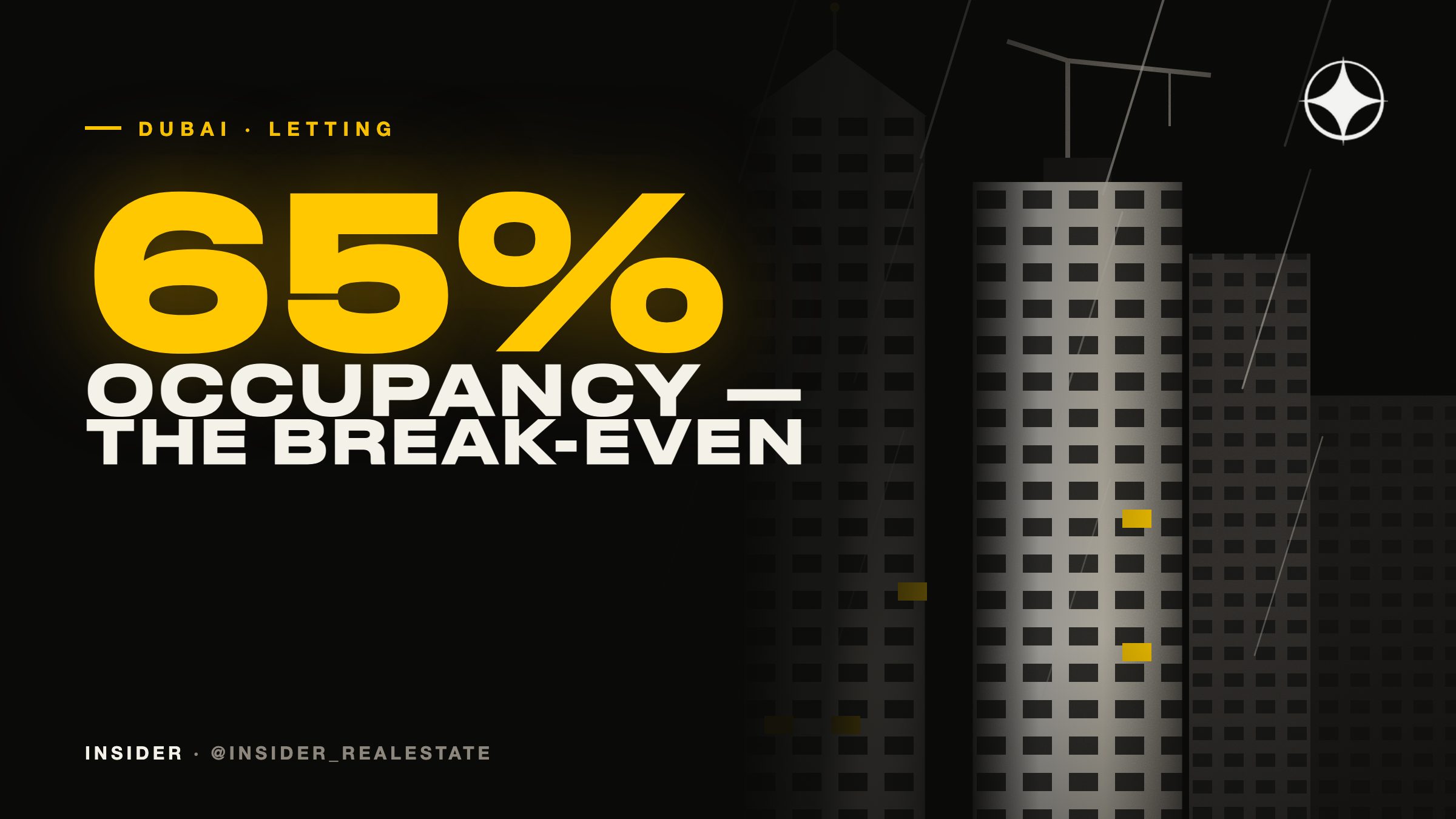
The choice is presented as a simple one — nightly rates are multiples of the monthly equivalent, so short-term must win. The gross arithmetic supports that. The net arithmetic depends entirely on occupancy and on costs that do not exist in a long tenancy.
What short-term letting requires
Holiday-home operation in Dubai is licensed. A unit is registered with the tourism authority, the operator holds a permit, tourism fees apply per occupied night, and the property must be furnished to a standard. Some buildings and communities restrict or prohibit the format outright — that rule sits in the building's own regulations, and it is checked before purchase rather than after.
Where the money goes
Gross income is higher. So is everything else.
Talk to a licensed broker: 📲 +971 50 120 32 64 on WhatsApp, @dubai_oleg on Telegram
- Management commission — a substantial share of revenue if an operator runs it, and a part-time job if you run it yourself from another country.
- Cleaning and linen between every stay.
- Utilities and internet, which in a long tenancy the tenant pays.
- Furnishing and replacement — the unit is furnished to a standard and the contents wear out on a hotel cycle, not a residential one.
- Licensing and tourism fees.
- Seasonality. Dubai's summer is the low season, and the annual average occupancy is what matters, not the peak-week rate in a spreadsheet.
Where each format wins
Short-term works in tourist-facing locations with year-round demand — the beachfront districts, Downtown, the Marina — in well-presented units, and with a competent operator. In those conditions it can beat a long tenancy on net income, particularly for smaller apartments.
Long-term works almost everywhere else, and it wins on effort and on predictability. One tenant, one annual cheque cycle, tenant-paid utilities, minimal management. For an owner living abroad, that difference is worth several percentage points of nominal yield.
The number that decides it
Occupancy. Below roughly 60–65% across the year, short-term letting usually loses to a long tenancy once costs are counted; above that it usually wins. Any projection that assumes peak-season nightly rates across twelve months is not a projection.
Ask a prospective operator for last year's actual occupancy and average nightly rate for comparable units in the same building — not the market average, and not the best month.
A middle option
Medium-term letting — one to six months, furnished, to people relocating or on assignment — sits between the two. Rates are above a long tenancy, turnover and costs are far below a nightly operation, and it is not subject to the same licensing regime as holiday homes. In practice it is the format most often overlooked, and in several Dubai districts it produces the best net result of the three.
In the news
Other write-ups on the site about the same thing.

UAE tourism spending hit a record — and what it means for short-term rental demand
Foreign tourists spent a record $59.2 billion in the UAE in 2024, and the sector’s GDP contribution topped $70 billion in 2025. We look at how that spending flows into short-term rental demand and what it means for an owner.
How the Dubai rental market works: four players, one licence and no tax on rental income
Owners, tenants, brokers and licensed holiday home operators — you cannot let short-term without the last. And the key feature: individuals in the UAE pay no tax on rental income.
Port de la Mer rentals: seasonality of seaside income and how to model it month by month
Income from beachfront property is spread unevenly across the year. It has to be modelled month by month, or the annual figure misleads.

Bluewaters Island apartments: living where the whole city comes to visit
A small island with an observation wheel, restaurants and a promenade that draws the whole city. For an owner it is both the main asset and the main drawback.