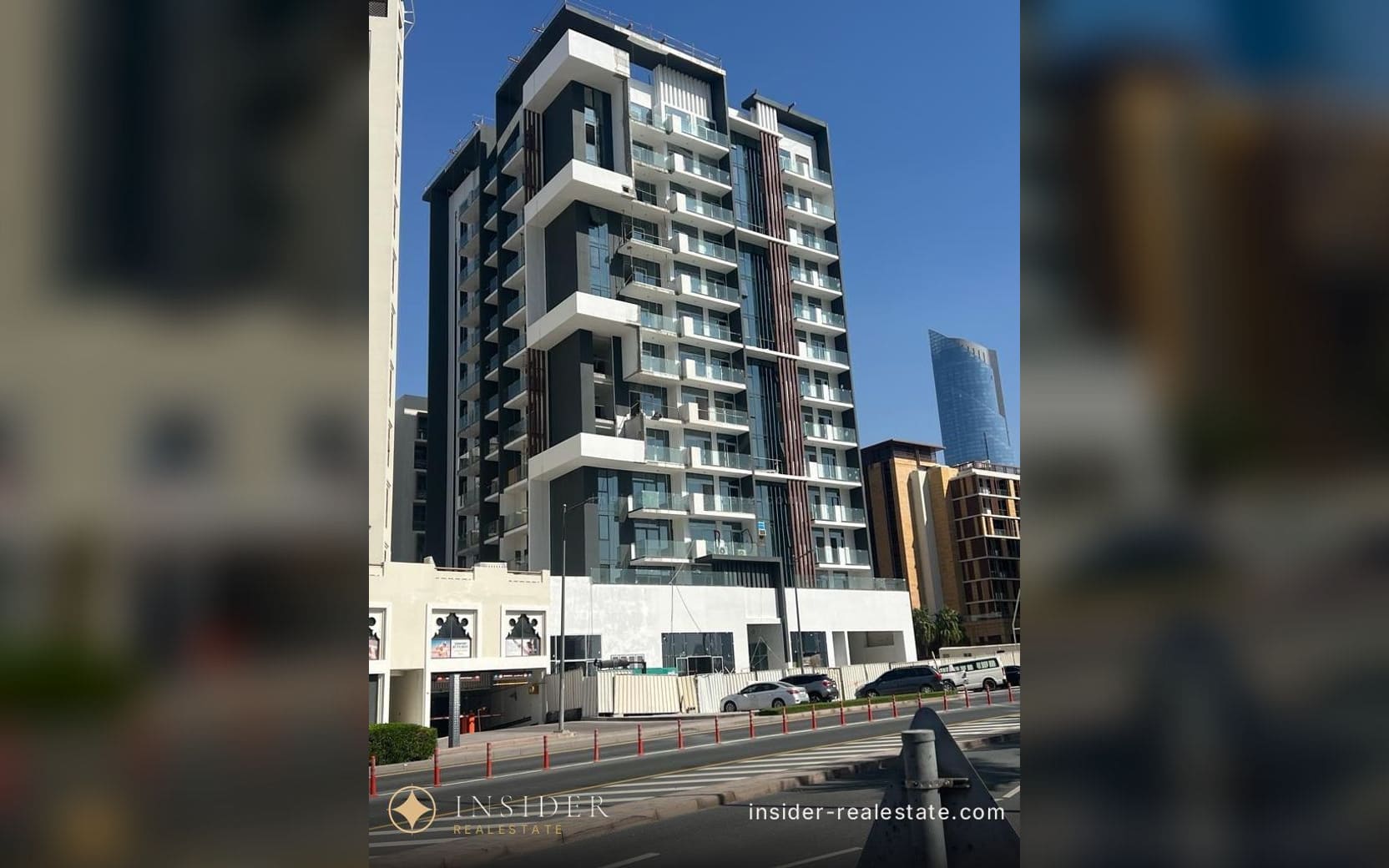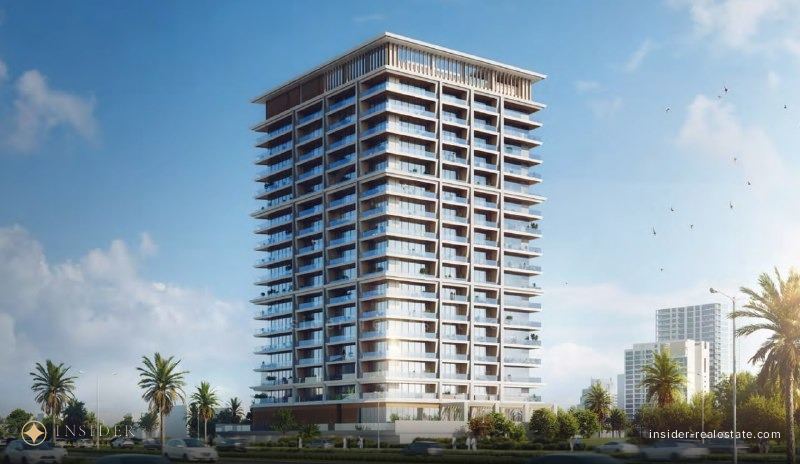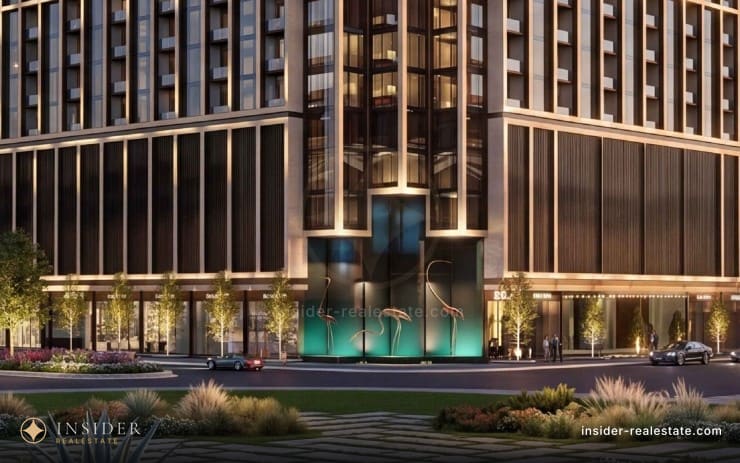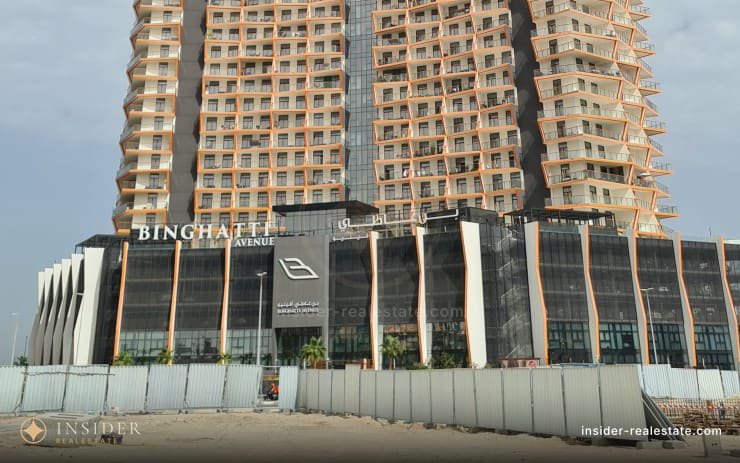
Boutique XXIII in Al Jaddaf: buying next to the centre instead of in it
The reliable way to buy central Dubai without paying central prices is to buy the district next to it before the market renames it. Al Jaddaf is that kind of place — creekside, minutes from Downtown and DIFC across the water, and still priced as somewhere on the way to somewhere else.
Why is the district the argument?
Al Jaddaf sits on the Dubai Creek between Downtown, Business Bay and Dubai Healthcare City, with the metro nearby and the airport a short drive away.
Every one of those is a source of tenants who need to be close to work rather than close to a beach — and that is a steadier demand base than tourism.
What holds Al Jaddaf back?
What holds the district back is perception rather than geography: it has no boulevard, no landmark and no brochure identity, so buyers who shop by district name never reach it. Districts like that are where the arithmetic works, because you buy the location without the premium for its reputation.
Talk to a licensed broker: WhatsApp +971 50 120 32 64 · Telegram
The creekside position also caps how much can be built here compared with the open masterplans, which limits the standard risk of an emerging district — being flooded with identical supply the year your unit completes.
What is a boutique building, and what is it not?
LMD builds at a deliberately smaller scale than the volume developers, and the trade is legible. Fewer units means fewer competing landlords in your own building at renewal — the quiet reason a small building can outperform a tower with a thousand identical apartments.
It also means fewer amenities than a mega-development and a smaller pool of comparable sales to price against. On resale you may have to argue the value rather than point at it, and that argument is easier with evidence: what similar boutique stock in the surrounding creekside blocks has actually achieved.
The developer question is the same as anywhere in off-plan. Look at what LMD has delivered, how those buildings have aged, and whether handover dates held. Scale is not quality in either direction — the record is.
Boutique developer, or a giant?
LMD is not Emaar in scale, and that is a different category of risk and opportunity rather than a defect.
A large developer gives predictability and a liquid brand, but its volume projects rarely stand out on product. A boutique developer competes precisely on product — design, layouts, details — because otherwise nobody notices the project at all. For a tenant that difference is tangible, and it converts into rent.
A smaller developer has to be assessed more strictly: delivered projects, adherence to deadlines, what residents actually say, financial stability.
A useful technique is to visit a completed project by the same developer and see how it looks after several years of use. Quality is visible in the lobby of a five-year-old building rather than on a render.
How is your money protected?
Dubai's primary market is regulated. Buyers' funds go into the project's escrow account, and the developer receives them in stages against confirmed construction progress.
That is the key protection: the money does not go to the developer in advance to be spent at his discretion. Before the deal, confirm the project is registered with the regulator and has an open escrow account, and that your payments go to it.
Check the registration of the project and the developer in the emirate's official registers. Pay only into the escrow account named in the contract, never into company accounts. Keep every payment confirmation until the title is registered.
Those rules are universal, but with a boutique developer following them matters more: the discipline of the procedure compensates for the smaller name.
Who is the tenant?
A rental investment starts with the question of who rents from you.
The audience for a boutique project in a central, emerging location is young professionals and couples working in Downtown, Business Bay and the business clusters nearby. What they value is design, transport access and a sensible budget — which is what a small, considered project delivers better than volume housing.
Practical decisions follow from that portrait: which unit to buy, since compact formats in such projects let faster; how to furnish it, with a neutral modern interior rather than an experiment; and which letting channel to use.
A property bought for its audience reaches its planned return faster than one bought because it looked good in the presentation.
What are the stages of the deal?
Reservation first: the unit is held against a booking payment and the price is fixed.
Then the sale and purchase agreement, where the schedule, the penalties, the deadlines and the finish specifications are checked rather than skimmed. Then registration of the transaction with the land department and the registration fee.
Then the scheduled payments into the escrow account, with confirmation at each stage. And finally handover: inspection of the unit, a snagging list of defects, and the transfer documents.
At the agreement stage do not sign as-is. The payment schedule and the developer's liability for delay are worth reading closely and sometimes worth negotiating.
How do the numbers look?
The reason to buy in a not-yet-fashionable central district is the gap between entry price and rent: you are underwritten by tenants who work nearby, while paying below the addresses they cannot afford. That is the case here, and it is a rental case rather than a capital-growth story.
Check three things before committing: the service charge per square foot against comparable buildings, what is planned on the neighbouring plots, and how long comparable units in the area take to let. A short letting period is worth more than a headline yield you have to wait for.
And keep the horizon honest. Emerging central districts reprice when the infrastructure and the tenants arrive, which happens over years rather than quarters. Bought for a three-year flip this is speculation; bought for a decade beside a creek in the middle of the city, it is arithmetic.
Frequently asked
Where is Al Jaddaf?
On the Dubai Creek between Downtown, Business Bay and Dubai Healthcare City, with metro access and the airport a short drive away. It is central by geography and priced as though it were not, which is the whole investment argument.
Is a small building better or worse than a large tower?
Better on rental competition — fewer identical units in your own building — and worse on amenities and on the depth of comparable sales at resale. The trade favours a landlord letting the unit and works against a seller in a hurry.
Who is the developer?
LMD, a developer working at boutique scale in Dubai. As with any off-plan purchase, the useful evidence is their completed buildings and whether handover dates were met — not the renders.
✍️ Message me on WhatsApp for a free consultation — off-market stock, payment plans and honest numbers on any of the projects covered here.
✅ Subscribe on YouTube — investment, property, business and relocation in the UAE and beyond.


Below market in Al Jaddaf right now
From the daily off-market feed. Availability and price are confirmed on request.
All below-market listings →