
Town Square by Nshama: how a family district works for residents and landlords
Town Square by Nshama is a community built around a large central square, parks and pedestrian zones, with schools, shops and cafés inside it. Prices are accessible because it lies inland, away from the sea and the business clusters. The exchange is plain: time on the road to the centre for a compact, predictable daily life.
What is the idea behind Town Square?
A town within the city. The community is built around a large central square, parks and pedestrian zones, and it holds schools, shops, cafés and sports facilities — everything for a comfortable family life in one place.
Families choose it for four reasons: a green and safe setting, schools and facilities for children, accessible prices for both flats and townhouses, and the atmosphere of a community.
What separates it from many affordable districts is that the infrastructure is not a promise in a master plan but a working environment. As filmed in early 2023, the square, the parks and the schools were already in use.
Talk to a licensed broker: WhatsApp +971 50 120 32 64 · Telegram
Where is it, and how honest is the commute?
Town Square lies deep inland, in the developing south-western direction of the city, at a distance from the sea and the business clusters. That distance is exactly what keeps prices accessible.
The road to the main working districts takes appreciable time, and it should be assessed honestly. Drive the route in the morning peak, not in a free hour, and add time for the internal roads of the community.
For a family in which both adults work at opposite ends of the city, a car is obligatory, and two are often needed.
Inside the district the logistics run the other way. Schools, nurseries, shops and parks are gathered within walking distance or a five-minute drive, so the daily routine — school, groceries, sport, walks — is covered without leaving the community.
What already works within walking distance?
The central square with cafés and shops, a network of parks with play and sports areas, running and cycling tracks, and schools and nurseries in the district itself and in the nearest radius.
Each does a job. The square puts retail, cafés and weekend events within a walk. Parks and sport are a daily setting for children at no extra cost. Schools and nurseries mean a short morning route, which is central to a family’s routine.
For a family tenant this is a ready argument when choosing a home. For an owner it is a factor that holds occupancy up with no effort on the owner’s part.
When choosing a block or a row of townhouses, judge the walking route to the square and the nearest park. Units by the green areas are consistently more liquid than rows along internal roads with traffic.
What drives value, and how easily does it resell?
Two drivers: the development of the south-western direction of the city and the maturing of the community itself. The more phases are occupied and the busier the retail, the more confident the resale market.
A cautious guide: affordable family districts grow together with the city, without the speculative jumps of waterfront locations.
Resale demand is steady, especially for townhouses and for units by the parks. Time on the market depends on condition and price.
A well-kept property at the market price finds a family buyer without long pauses, and preparation before a sale pays back faster here than in other segments.
Flat or townhouse?
They are two different strategies. A flat is the minimum entry budget and the highest return per dirham invested: the rental audience is wider, voids are shorter and upkeep is cheaper.
A townhouse is a bet on a scarce family format — its own entrance and small yard, longer contracts and tenants who treat the house with care. On the resale market its buyer is a family that decides by eye at the first viewing.
An investor with a limited budget is wiser to start with a flat. A family buying to live in should look at townhouses: the difference in the quality of everyday life is more noticeable than the difference in the monthly payment.
There is a mixed option as well — live in a townhouse and keep a flat for letting in a neighbouring quarter. Managing an asset near home is simpler and cheaper.
How does letting work in a family community?
It follows the school calendar. Demand peaks in the months before the school year starts, when families move to be near a school, so time the listing and the lease terms to that window.
A property put on the market in the dead season looks for tenants noticeably longer.
Family tenants renew more often than young professionals. A retention strategy — quick repair of faults and moderate indexation of the rent — therefore pays better than an aggressive repricing at every renewal.
Full furnishing is not essential in this segment. A considerable share of families move with their own furniture and prefer an empty but well-kept house.
Spend instead on the condition of the air conditioning, the kitchen and the plumbing. These are what decide a viewing and justify the rate.
The investment case rests on the same demand. Steady family letting means a low risk of voids and a stable income, accessible prices give a good yield, and the development of the district adds potential for growth in value.
Mistakes buyers make in the affordable segment
Underestimating the road is the first: buying without a test drive of the route to work at rush hour.
The second is choosing by price rather than by position. The cheapest unit in a quarter is cheap for a reason — a noisy row, a poor orientation, the worst view or floor.
The third is ignoring community charges. The cost of maintaining the shared grounds belongs in the yield model from the first day.
The fourth is betting on a quick resale. The affordable segment grows with the maturity of the district; it is a story for a patient owner, not a speculator.
The general principle: competition among similar units is high in the mass segment, so what wins is not a square metre in the abstract but a particular good unit — by a park, with proper parking, well kept and with a clear ownership history.
Frequently asked
Can you live in Town Square without a car?
Inside the district, yes: everyday needs are met on foot. Regular journeys to work in the central districts are inconvenient without one, because public transport here is not a full alternative to a car.
When is the best time to list a rental in Town Square?
In the months before the school year begins, when families move to be near a school. A property listed in the dead season takes noticeably longer to let.
Should a rental home in Town Square be furnished?
Not necessarily. A considerable share of families bring their own furniture and prefer an empty, well-kept home. The money is better spent on the air conditioning, the kitchen and the plumbing.
✍️ Message me on WhatsApp for a free consultation — off-market stock, payment plans and honest numbers on any of the projects covered here.
✅ Subscribe on YouTube — investment, property, business and relocation in the UAE and beyond.


Below market in Town Square right now
From the daily off-market feed. Availability and price are confirmed on request.
All below-market listings →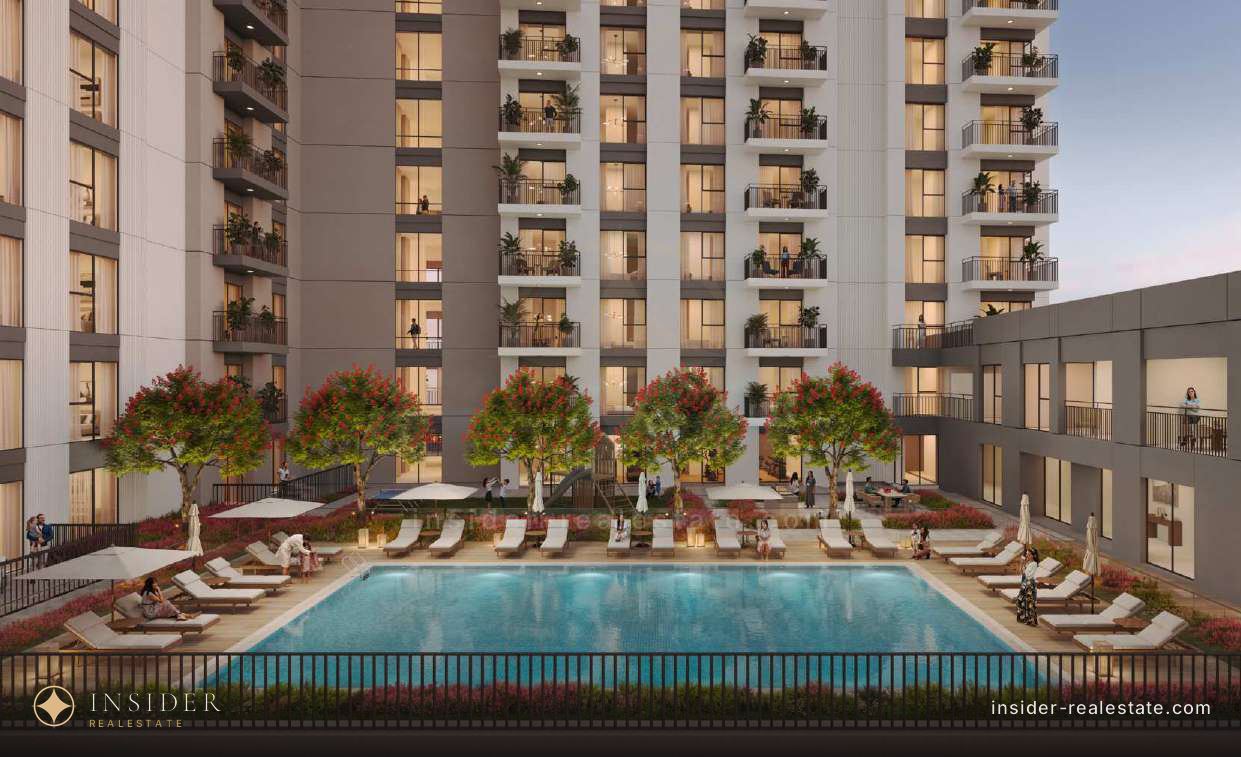
In the news
The same subject in writing — analysis and news related to this video.

Nshama: one community, built to be lived in
A developer that put nearly everything into a single town — Town Square. What a single-project company means for a buyer, and how to judge a community that is still filling up.

Town Square service charge: who pays for the park and public spaces
The central park, paths and plazas are the community’s main selling point. They come with an annual budget, and it is split among the owners.
Town Square area profile: how to judge a Dubai community that is still filling up
A self-contained town with a park, schools and its own retail street. There is a simple way to tell whether a place like this is lived in, or so far only built.
JVT villas vs apartments: two different rental markets in one district
Jumeirah Village Triangle combines villas, townhouses and apartment buildings. That is two rental markets at one address, and they need to be calculated separately.

Al Warsan: living where the city meets logistics
Low-cost blocks on the eastern edge, next to industrial and logistics land. Demand here is counted from employment, not from the city.

Dubai Islands: the last waterfront land, from about $5 200 a square metre
A chain of reclaimed islands under a single government master plan. Almost no coastal land with direct beach access is left inside the emirate — and one or two new projects launch here every month. The opportunity and the risk are the same fact.