What DIFC actually is
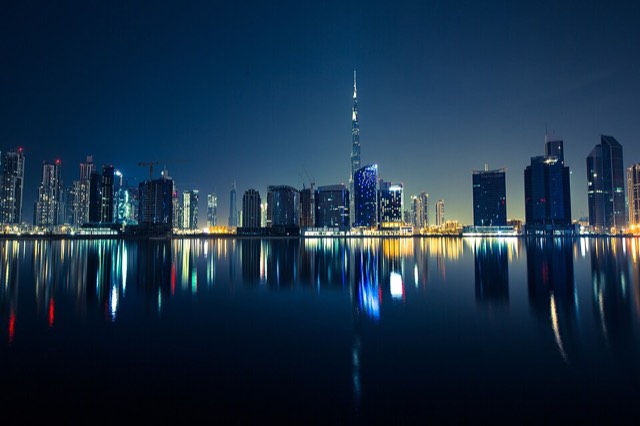
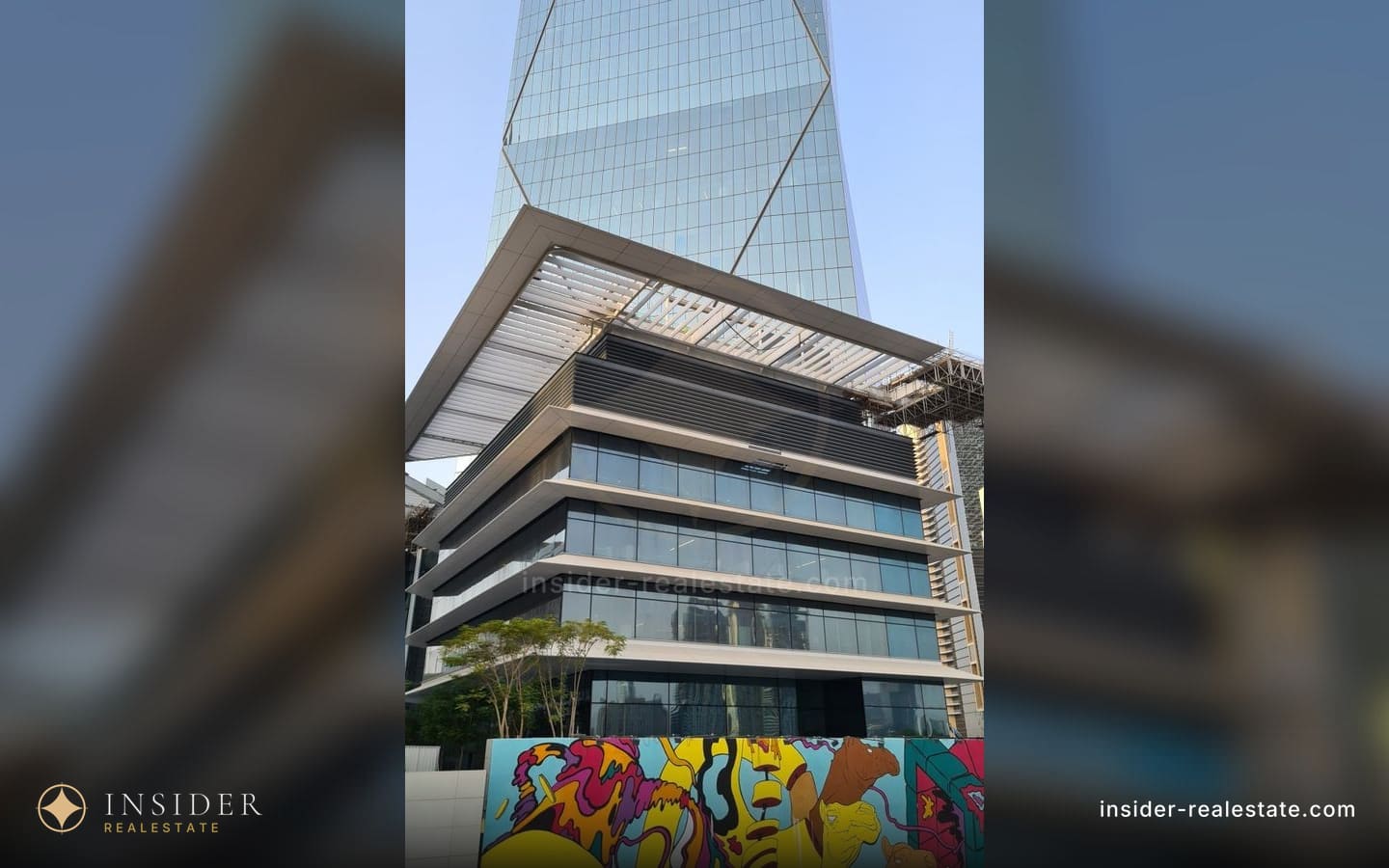
The Dubai International Financial Centre is a financial free zone with its own legal system based on English common law, its own courts, and its own regulator, the DFSA. It occupies a compact site off Sheikh Zayed Road between Downtown and the Trade Centre.
For a financial services firm that legal framework is not a convenience, it is the reason to be there. It is why DIFC hosts the regional offices of most international banks, funds, law firms and, increasingly, family offices.
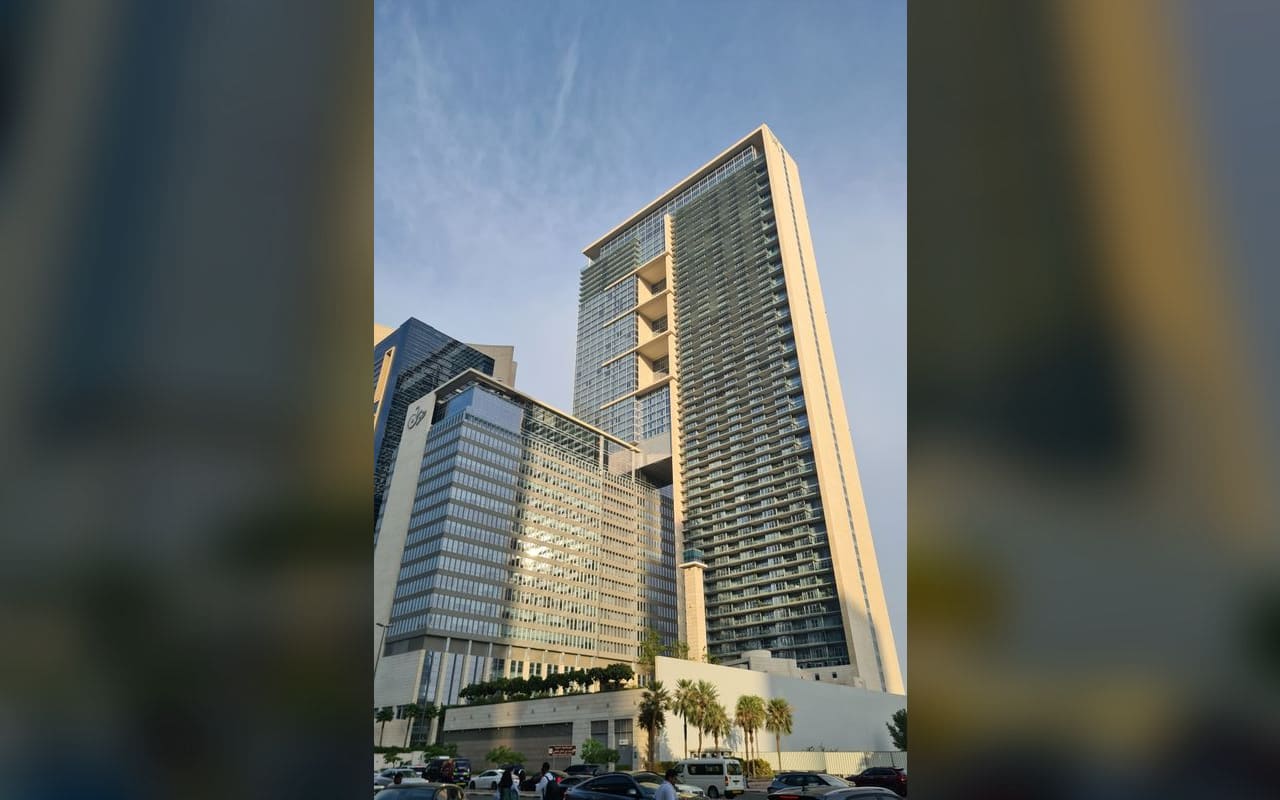
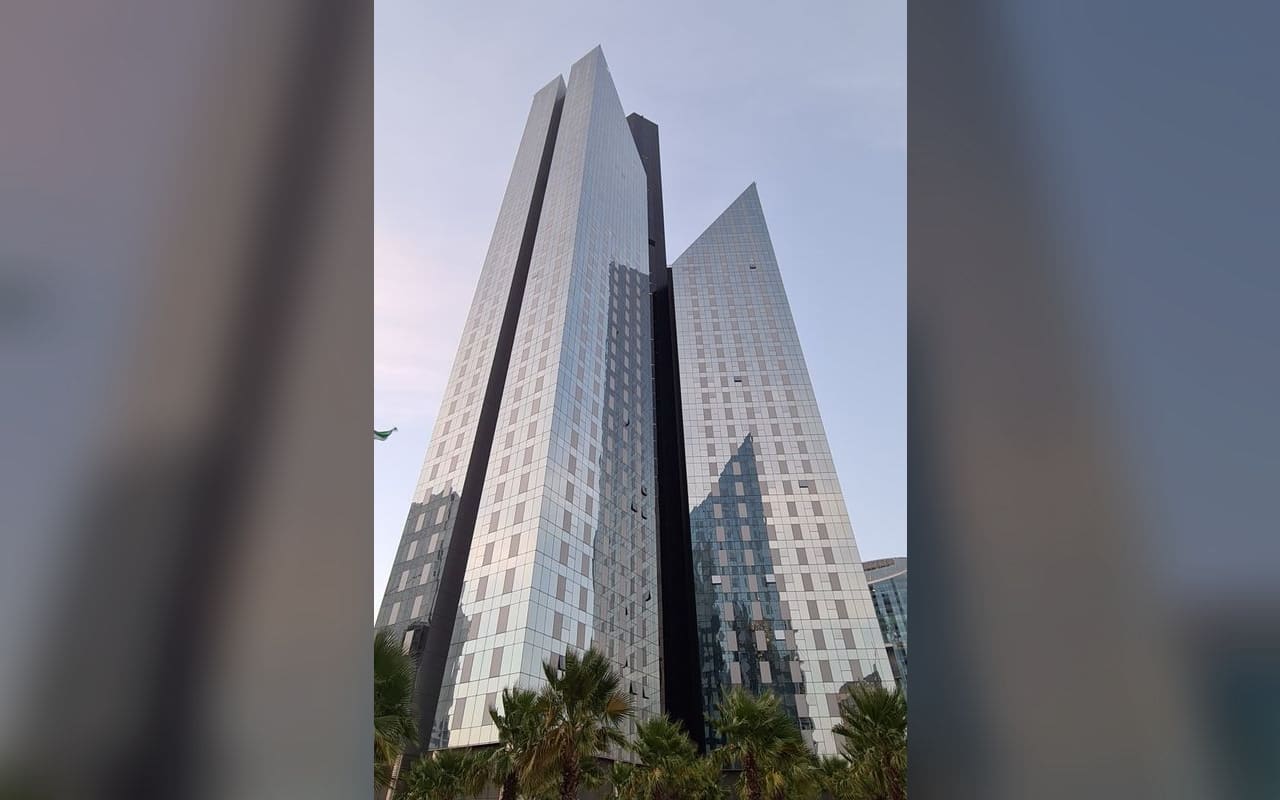
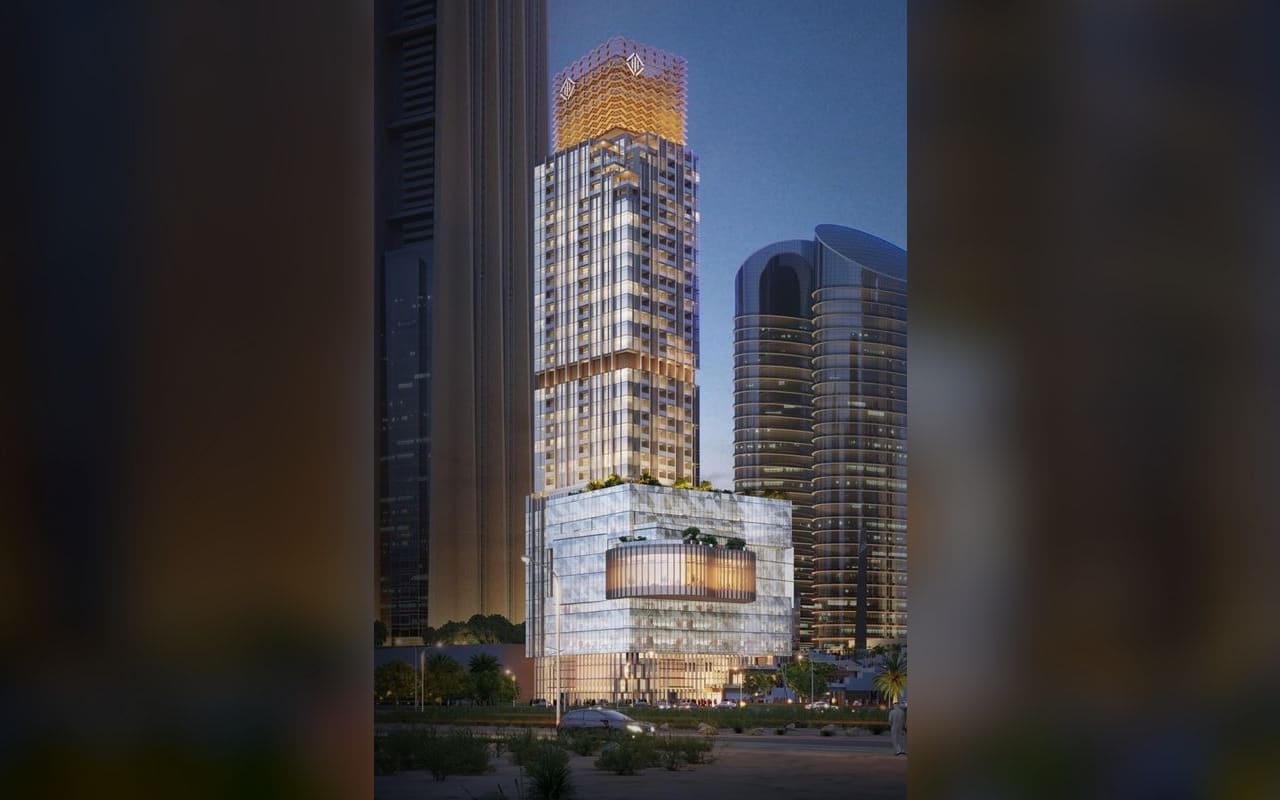
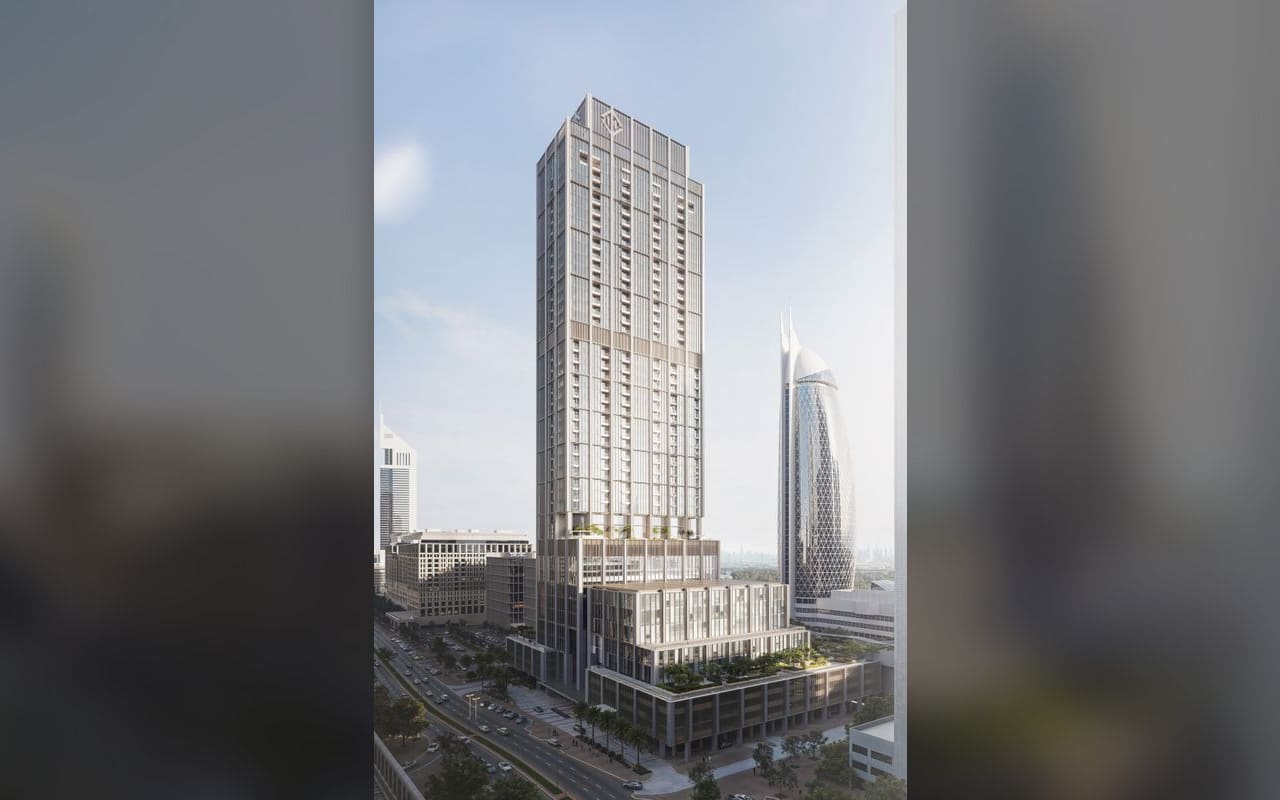
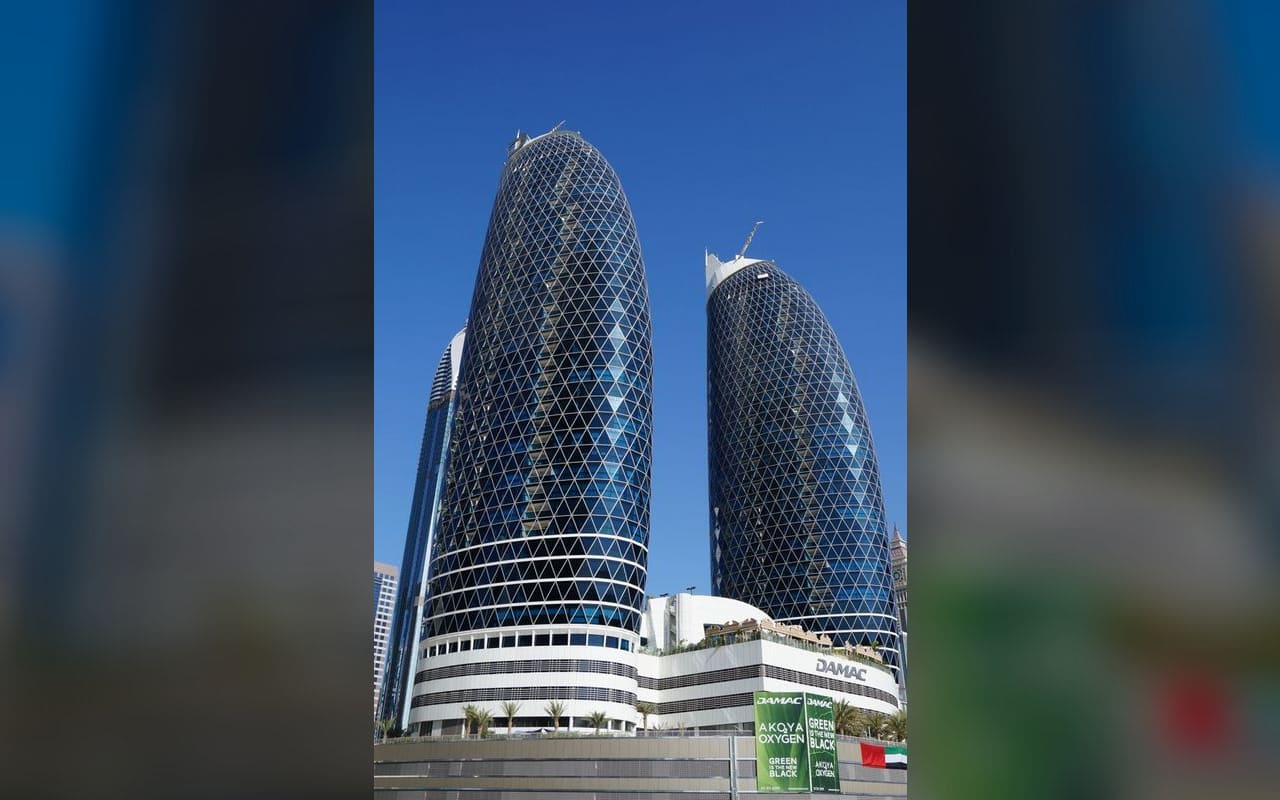
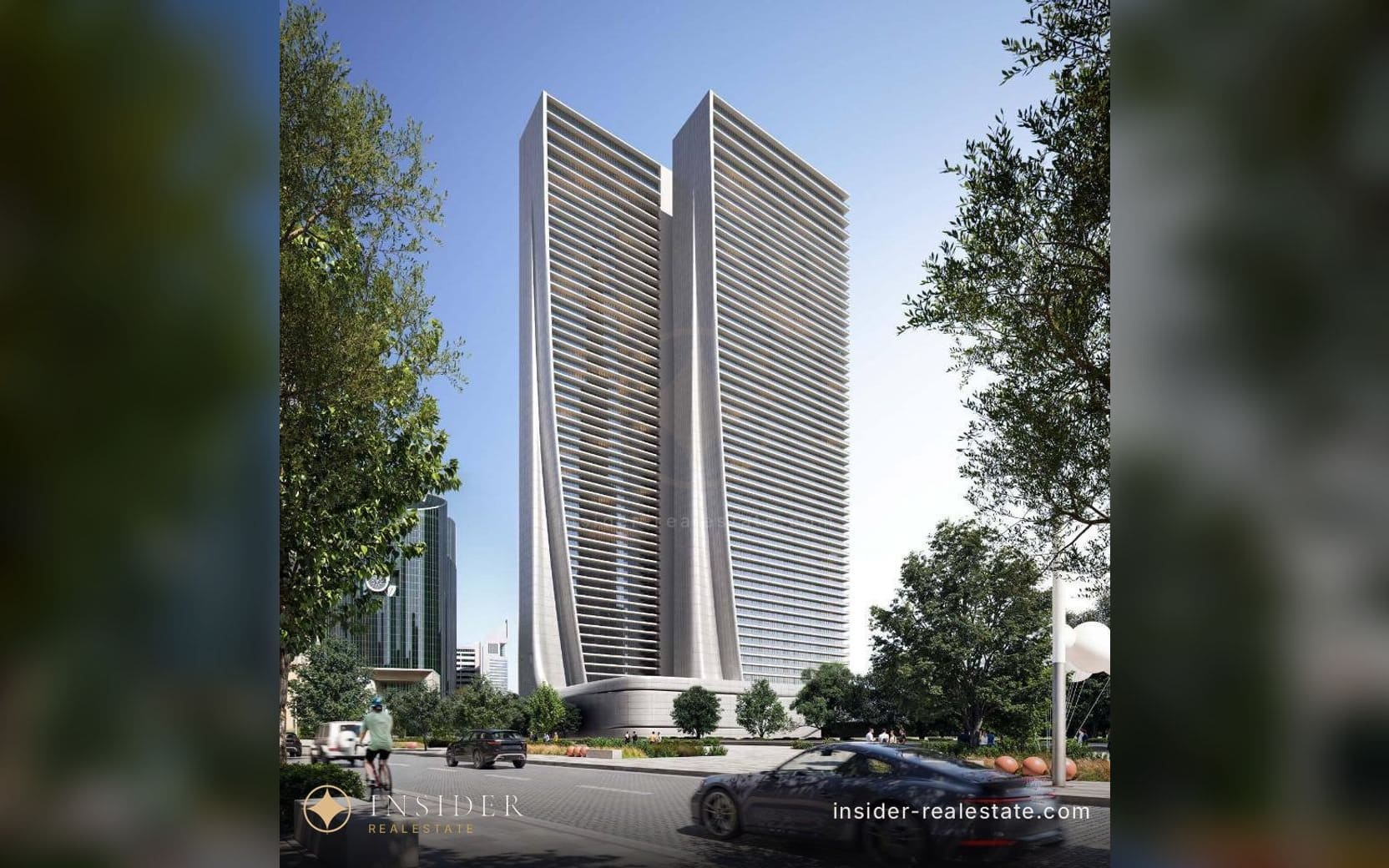
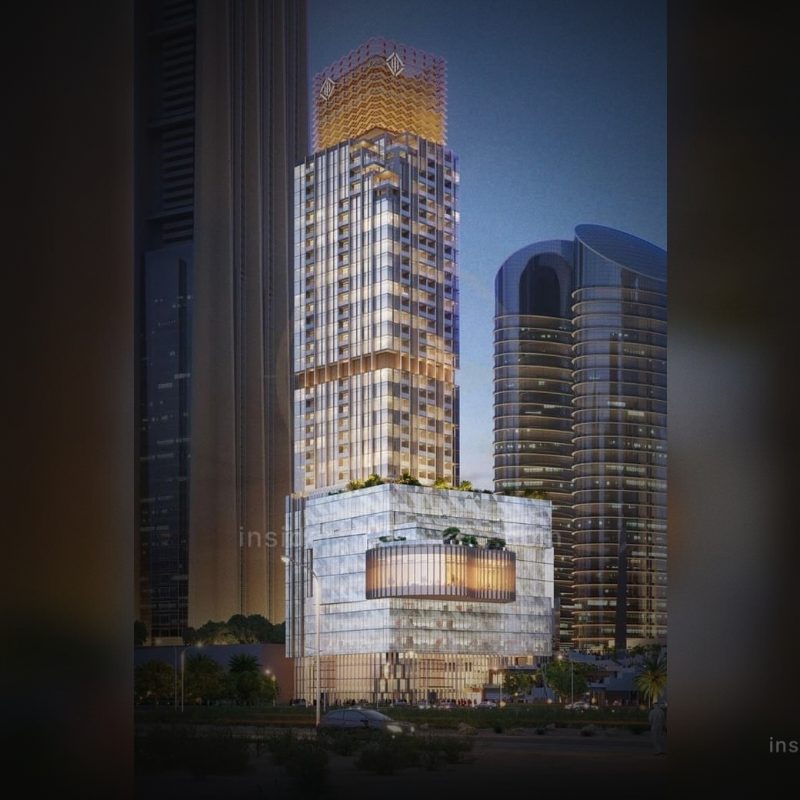
The residential component sits within and immediately around that: the Gate District apartments, Index Tower, Central Park Towers, Limestone House and the newer DIFC Living scheme, plus a dense band of towers on the perimeter.
Living in DIFC
DIFC is the closest Dubai gets to a walkable urban centre. The Gate Building and the surrounding avenues are pedestrianised, the restaurant density is the highest in the city, the art galleries are real, and there is a genuine street culture in the cooler months.
It is also almost entirely a working district. The population empties at weekends, there are no schools, and the everyday amenity — supermarkets, clinics, dry cleaners — is thinner than the restaurant count suggests.
Residents are overwhelmingly professionals working inside the zone or in Downtown, plus a growing number of people who simply want the most urban address in the city.
The rental market
Tenant demand is strong, specific and well-paid: bankers, lawyers, consultants and fund staff who want to walk to work. That is an unusually high-covenant tenant pool by Dubai standards.
Void risk is low and rents are high in absolute terms. Yields are moderate because purchase prices are also high.
Short-let performs well thanks to the restaurant scene and the central location, though DIFC lacks the beach or landmark draw that drives Palm and Downtown rates.
Buying here: the tenure question
This is the detail that catches out buyers. Property inside the DIFC free zone is registered with the DIFC Registrar of Real Property rather than solely with the Dubai Land Department, and the applicable law is DIFC law.
In practice foreign ownership works and transactions complete normally, but the documentation, the registration process and the dispute forum are different from mainland Dubai. Use a conveyancer who has actually done DIFC transactions.
Buildings on the DIFC perimeter but outside the zone boundary are ordinary mainland freehold. The distinction is not visible from the street and it matters, so establish which side of the line your building sits on.
The office angle
DIFC is also the strongest commercial property submarket in Dubai. Office demand from financial firms has consistently exceeded supply inside the zone, which has pushed a large volume of tenants into the immediately adjacent towers.
For an investor willing to look at commercial, offices in and around DIFC have produced better yields than residential for several years, with longer leases and stronger covenants.
The trade-off is liquidity and concentration risk: one office, one tenant, and a smaller buyer pool on exit.
Who it suits
Professionals working in the zone who want to walk to the office, and are willing to pay for it.
Investors targeting a high-covenant tenant pool with low void risk and who value stability over yield percentage.
Anyone who wants the most genuinely urban living available in Dubai — the closest thing here to a European city centre.
It suits poorly families, anyone wanting quiet at the weekend, and anyone who needs a supermarket and a school within walking distance.
The residential buildings
DIFC residential divides into the original Gate District buildings — Sky Gardens, Liberty House, Central Park Towers, Limestone House and the Index — and the newer DIFC Living scheme within the expanded zone.
The older stock dates from the late 2000s and varies in condition and management. Some buildings have been maintained to a standard that matches the district; others have not, and the difference in achievable rent is substantial.
Layouts in the original buildings are generally generous by current standards, with real kitchens and usable balconies, reflecting when they were built.
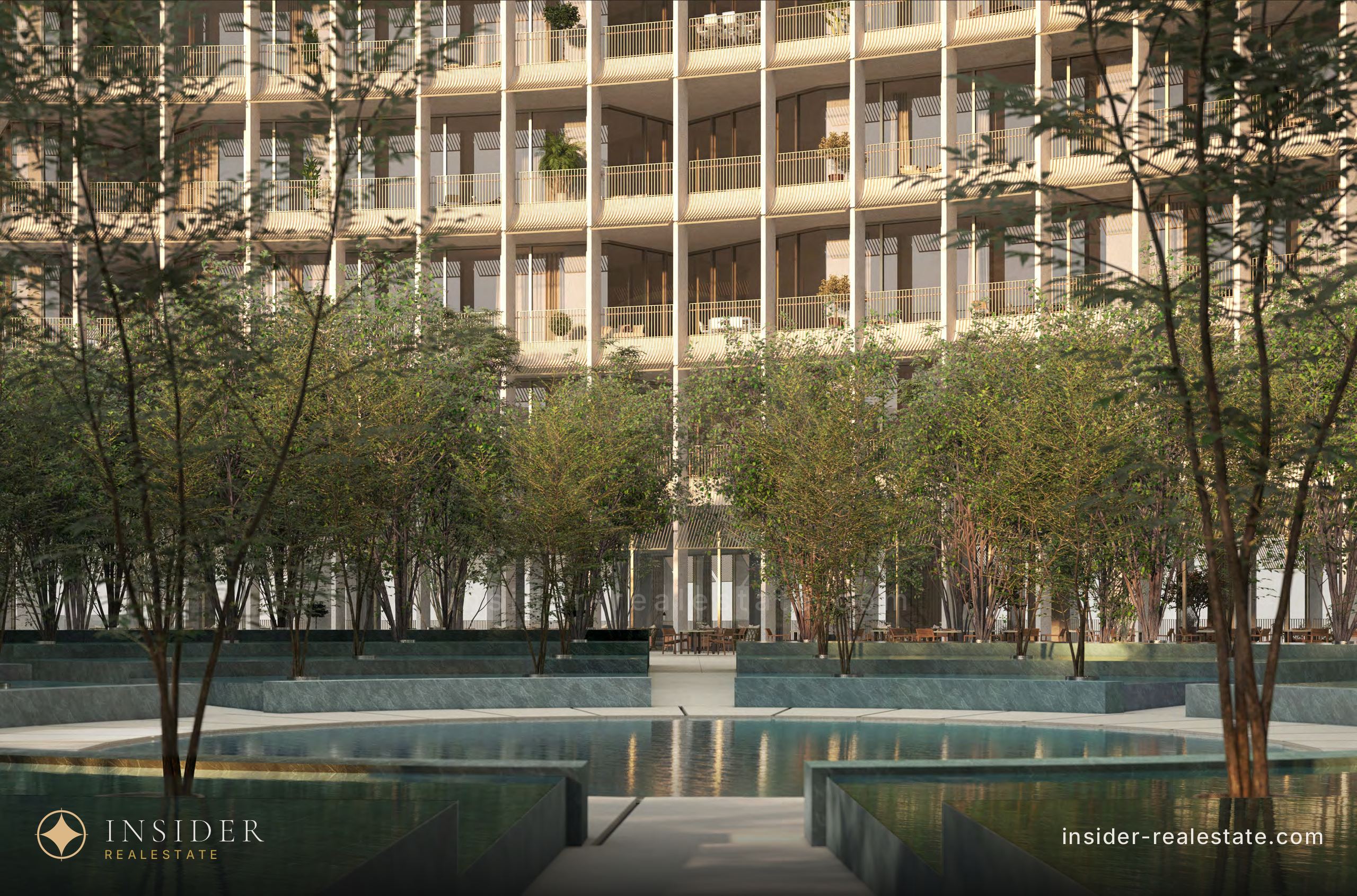
The newer product is more compact and more highly specified, and it targets the professional tenant directly rather than being residential space attached to an office district.
The art, food and evening economy
DIFC has the highest concentration of serious restaurants in the emirate and a genuine contemporary art scene — commercial galleries in the Gate Village, regular openings, and an audience that turns up to them.
For a resident that is the practical differentiator against Downtown: you can walk to dinner, walk to a gallery, and walk home, which is close to unique in this city.
It also means the district has an evening life on weekdays that most Dubai business districts lack, and a corresponding quiet at weekends when the working population leaves.
Buildings closest to the Gate Village and the restaurant cluster carry a premium for exactly this reason, and it is one of the more durable premiums in the emirate because the cluster cannot be relocated.
The commercial opportunity alongside
DIFC is the strongest office submarket in Dubai, with demand from financial firms consistently exceeding the supply inside the zone. That overflow has pushed tenants into the adjacent towers and made offices around the DIFC perimeter one of the better-performing asset classes in the city.
For an investor willing to look beyond apartments, those units offer higher yields, longer leases and stronger covenants than residential, in a submarket where walking distance to the gate is measurable in rent.
The trade-offs are the standard commercial ones: thinner liquidity, single-tenant concentration risk, and financing that is harder to arrange than on residential.
It is also a submarket where the new supply pipeline matters. The shortage that created the opportunity is being addressed, and buying at the peak of a shortage that is about to ease is a real risk worth checking against current construction data.