The Royal Atlantis Residences: owning a home inside a resort on Palm Jumeirah
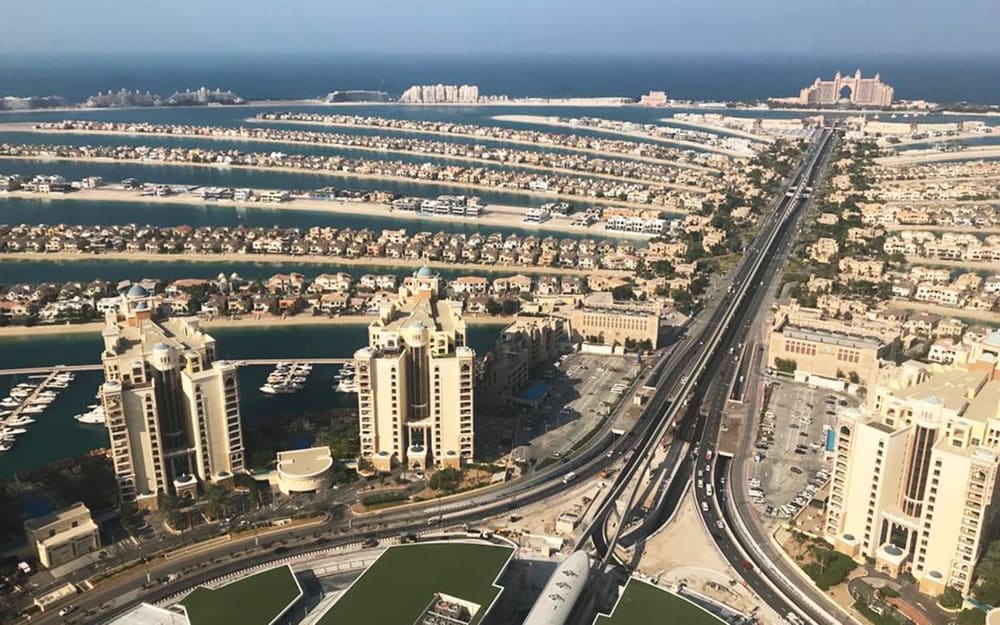
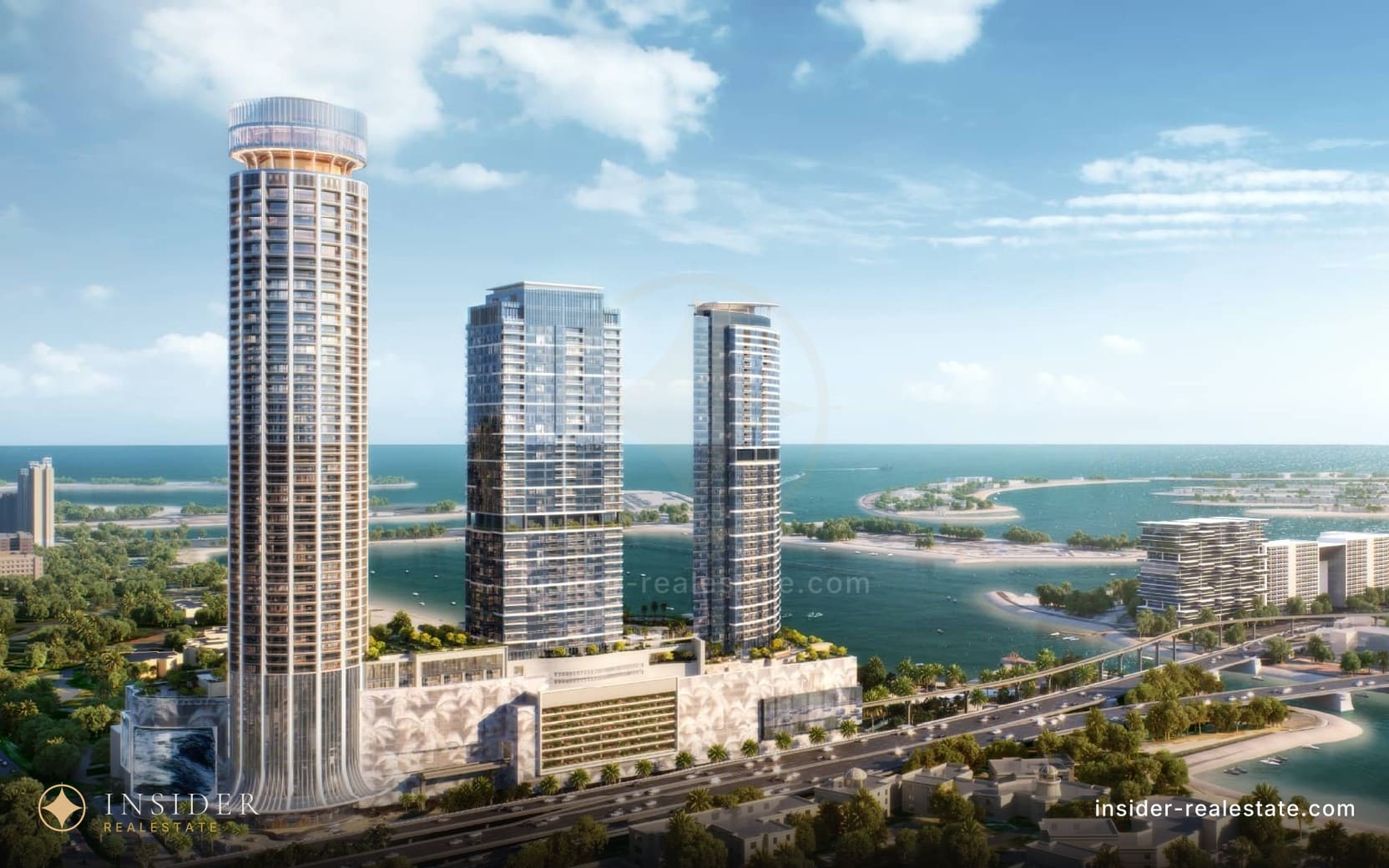
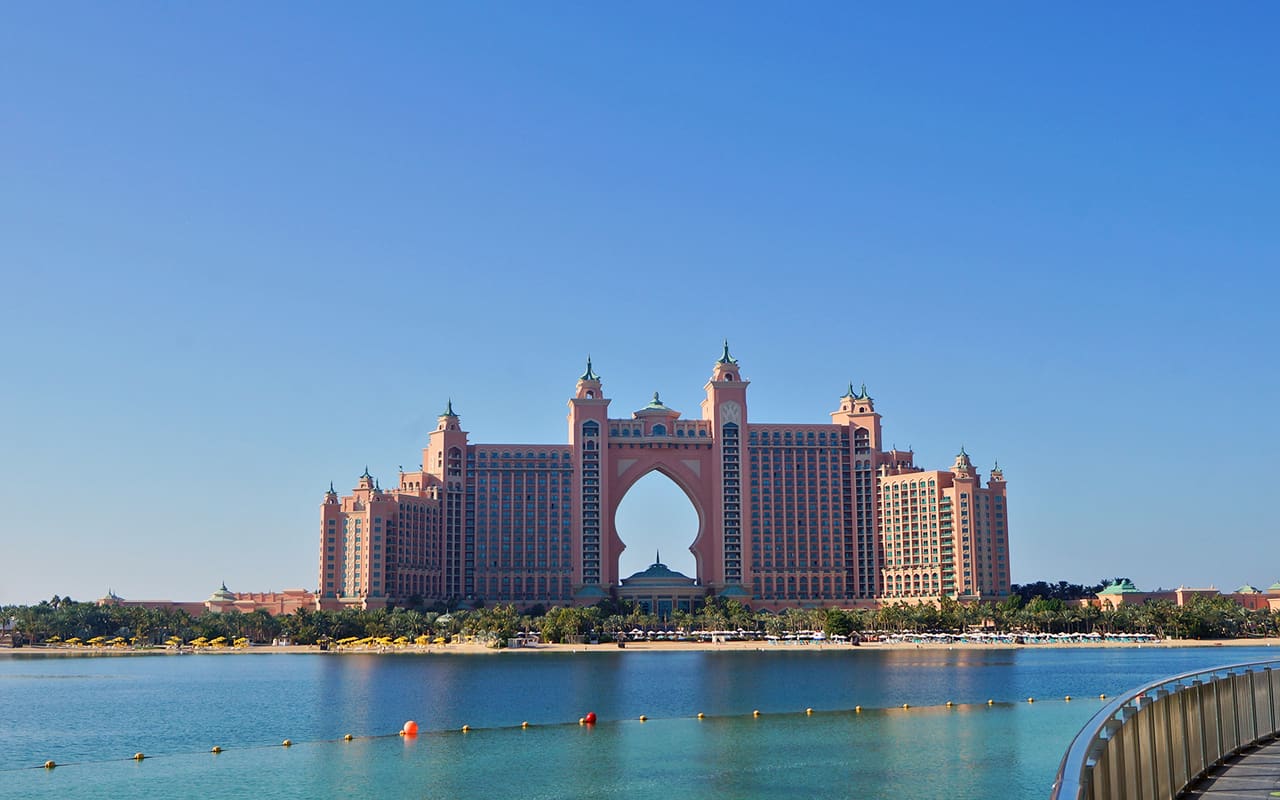
The Royal Atlantis sits at the head of Palm Jumeirah — a stacked, gap-toothed silhouette that is now one of the most recognisable buildings in Dubai. Part of it is a resort. Part of it is homes. The interesting question for a buyer is what happens where those two parts meet.
What do you get, and what do you share?
The residences are completed and delivered, which changes the risk profile entirely compared with buying off-plan: you can walk the actual apartment, look at the actual view, and read the building's real service-charge history rather than an estimate.
Living beside a resort brings a level of amenity no residential building funds on its own — the restaurant line-up, the beach, the pools, the service. It also brings guests, arrivals, events and seasonality.
How separate is resident access?
How thoroughly resident access is separated from resort circulation is the single most useful thing to inspect on a viewing, and it varies by tower and by floor.
Talk to a licensed broker: WhatsApp +971 50 120 32 64 · Telegram
The architecture matters here in a practical way: the voids and the stacked geometry mean units differ sharply between floors. Sea view, Palm view, city view and "view of the neighbouring block" are all present in the same building, and they are not close in value.
What is the rental case?
The Palm is one of the few places in Dubai where short-let demand runs strongly year-round, driven by exactly the tourism the resort is there to serve.
For an owner willing to run the unit as a hospitality product — permit, operator, seasonality, wear — that is genuine demand rather than a projection.
The long-let market here is thinner and richer: senior expatriates and families who want the address and the beach. Voids are longer than in a mid-market district and the tenant is harder to replace, so the rent is not the whole picture — the length of the tenancy is.
Either way, the running cost is the number that decides the outcome. Resort-grade buildings carry resort-grade service charges, and on a large apartment that figure is substantial in absolute terms. Ask for it per square foot, per year, with history.
How does the resale transaction run?
On the standard Dubai sequence, because the building is delivered and occupied: a Form F with the seller, a deposit, the developer's no-objection certificate, registration at the Land Department, and the title deed.
The advantage of buying here rather than off-plan is that nothing is hypothetical. You walk the specific apartment, judge the actual view and the actual noise, look at the condition of the finishes, and can ask for the ownership and letting history instead of studying a render.
The one thing to understand about pace: good units with the best aspects move quickly, and weak ones sit for months. Telling one from the other is the single competence worth paying a broker for in this segment.
What comes out of the rent?
Some of the highest service charges in the city. They pay for the infrastructure, the security and the standard to which the shared areas are kept, and at this level that standard is the product.
Then utilities and cooling, insurance, and the cost of keeping the interior at the condition the building implies. An apartment here that looks tired does not let at a discount; it competes against units that do not look tired.
Deduct all of it from the rental flow before drawing any conclusion about yield. In luxury the percentage return is frequently more modest than in the mainstream market, and the owner earns principally on capital and on the liquidity of the address — which is the correct way to hold this asset rather than a disappointment.
Who should manage the letting?
In practice one of two routes. A specialist luxury operator, which works at a high nightly ticket, delivers concierge-level handling for guests and reports properly to the owner; or an annual contract with a wealthy long-term tenant, which is predictable and almost operation-free.
Self-management effectively does not exist in this segment, and the reason is reputational rather than practical: one service failure attaches to the unit, and the next guest reads about it.
Before choosing an operator, ask for actual results on comparable units in this same building — nightly rate, occupancy through the year, and the structure of what is deducted. Within one tower the gap between strong and weak management runs to multiples, and it is the largest variable you still control after the purchase.
Why does buying ready change the maths?
Buying completed removes construction risk and starts the income immediately, which is a materially different investment from an off-plan payment plan even when the building is the same class.
It also removes the developer's launch pricing — you are buying at the resale market's level, from an owner, with everything that implies about negotiation.
The evidence to demand is specific: registered transactions in this building over the last year, the service-charge schedule, and if the unit has been let, its actual occupancy and rate history rather than a management company's projection.
And the standard ultra-prime caveat holds. This is an address and a lifestyle asset with a real short-let engine attached. Judged only as a yield instrument it will lose to an ordinary apartment in an ordinary district — as it should, because that is not what it is.
Frequently asked
Are the Royal Atlantis Residences ready?
Yes — the building is complete and the residences are delivered, so units trade on the resale market rather than on a developer payment plan. That is one of the main practical differences from most prime launches on the Palm.
Can residents use the resort facilities?
Residents have their own facilities and defined access to parts of the resort offer; the precise arrangement is set by the building's documentation rather than by convention. Confirm it in writing for the specific unit before buying — it is the clause that most affects daily life there.
Is Palm Jumeirah good for short lets?
It is one of the strongest short-let locations in Dubai, with tourism demand across the year rather than a single season. It still requires a holiday-home permit and an operator, and the running costs are higher than in a mid-market building.
✍️ Message me on WhatsApp for a free consultation — off-market stock, payment plans and honest numbers on any of the projects covered here.
✅ Subscribe on YouTube — investment, property, business and relocation in the UAE and beyond.


Below market in Palm Jumeirah right now
From the daily off-market feed. Availability and price are confirmed on request.
All below-market listings →