
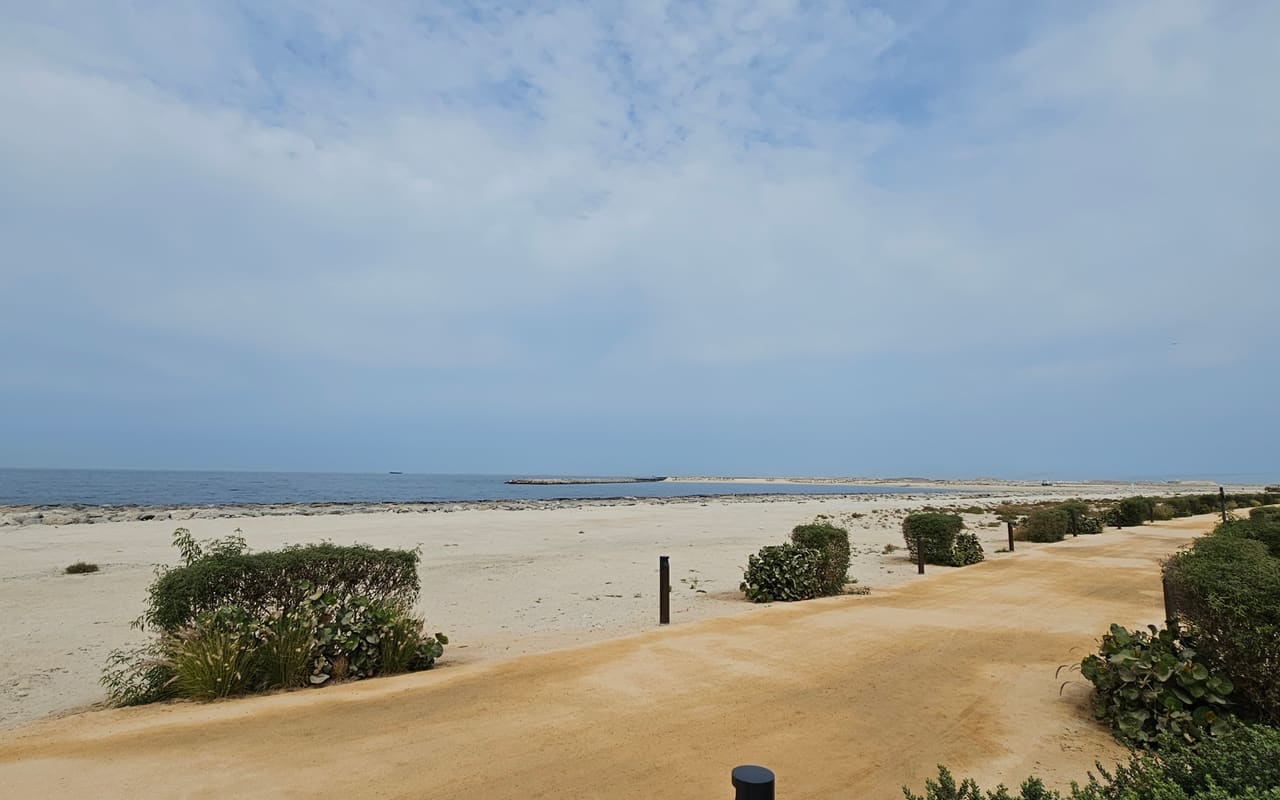
 Photo of the community −14%
 Imtiaz Developments
A private mid-market developer that competes on specification rather than on name: furniture, appliances and a plunge pool on the balcony are inside the price where the neighbouring tower sells them as extras.
14 lots in stock across 14 projects. Of the 12 with a known status: 0 ready, 12 under construction. By median price — 80th of 137.
- Letting from day one
- Short-term rental
- Mid-market budgets
- Dubai Islands and Dubailand
Median price $459K AED 1,685,000
Entry price $158K AED 580,000 — the cheapest lot
Per square foot $387 AED 1,422 / sq.ft, median
Completed stock 0% 6 lots discounted, deepest −14%
Where they build
The districts where this developer has the most lots in our stock.
Dubai Islands 5 Dubailand 5 Meydan 1 JVC 1
The company in brief
Checkable facts about the developer itself. Unlike the figures above, these are not about our stock and do not move with what happens to be listed today.
- Origins
- The company dates itself to 1993, when it was a construction business; the development arm scaled up only in recent years
- Run by
- CEO Masih Imtiaz; private, not listed
- Portfolio
- 40+ active projects, with a stated pipeline above AED 10bn
- Districts
- Dubai Islands, Dubailand, JVC, Meydan
- Specification
- Furniture packages, Miele and Bosch appliances, Villeroy & Boch sanitaryware, balcony pools
- Smart home
- A 2024 partnership with Legrand is rolling the system out across 18 projects
- Sustainability
- Since 2024, one tree planted per apartment sold, with the Emirates Environmental Group
- Awards
- Rising Star Developer of the Year 2023
What kind of developer this is
Who they are
Imtiaz traces itself to a construction business in the nineties but became a developer at scale only recently — most of the portfolio has been launched in the last few years. That is why published founding dates disagree with each other, and it matters less than it looks: judge the company on buildings delivered and on how far handover slipped, not on the year in the deck.
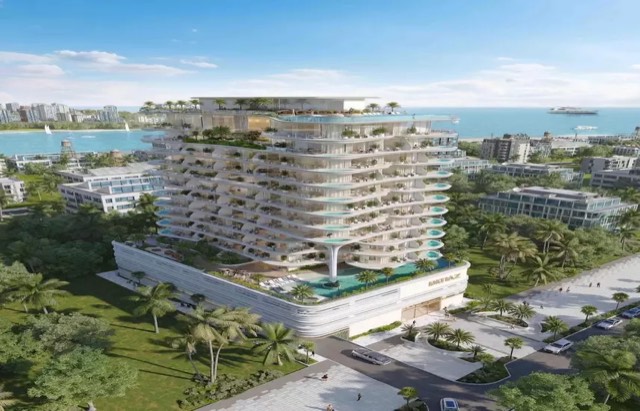
It is private, not listed and not state-adjacent. Launches come quickly and the architectural line is consistent — glass façades with vertical planting, recognisable across schemes. In scale this is a solid mid-tier player, not a market-shaping developer.
Where they build
Two main fronts. Dubailand carries the Cove Edition line: volume apartment blocks of studios and one-beds aimed at the mid-income tenant and the budget-constrained investor. Dubai Islands carries the expensive half — Beach Walk, Cotier House and other waterfront schemes where entry prices are two to three times higher.
A handful of projects sit in JVC and Meydan. The company does not attempt villa communities or branded towers; it works the segment where the decision is made quickly and largely on what comes inside the apartment.
What the package is worth
Furnishing a mid-market Dubai apartment costs somewhere between fifteen and twenty-five thousand dollars, and takes six to eight weeks during which the unit earns nothing. When the package is in the price, both of those disappear and the flat works from the first month after handover. For short-term letting, where furnishing is not optional, the difference is larger still.
The cost has not vanished, though — it has moved into the purchase price and is paid down the same payment plan. Which means you cannot compare price per square foot against an unfurnished neighbour straight across; the comparison is only fair once you strip the package out of both.
The other side of a standard package
Every apartment in the building has the same furniture. When thirty of them reach the rental market in the same season, there is nothing to distinguish them and the competition runs on price alone. In Dubai a distinctive fit-out is what adds liquidity; a standard package saves money at the start but does not add any.
Brand recognition is also thinner here. An overseas buyer on the resale market knows Emaar, Sobha and DAMAC and does not know Imtiaz, so the negotiation rests on the asset — district, floor, view, condition — rather than on the developer’s name. Delivery record, on the other hand, is the part of this company’s reputation that holds up, and in this segment that matters more.
Where they are not the answer
If you are buying for the name on resale, buy a large developer: the brand premium there comes back as liquidity. If you are buying off-plan for capital growth, look at the district rather than the fit-out — a furniture package does not appreciate with the square foot.
And treat the sustainability messaging — the trees, the biodegradable materials — as marketing. There is nothing wrong with it, and it changes nothing about the return on your unit, so do not pay a premium for it.
Projects by Imtiaz Developments
All projects →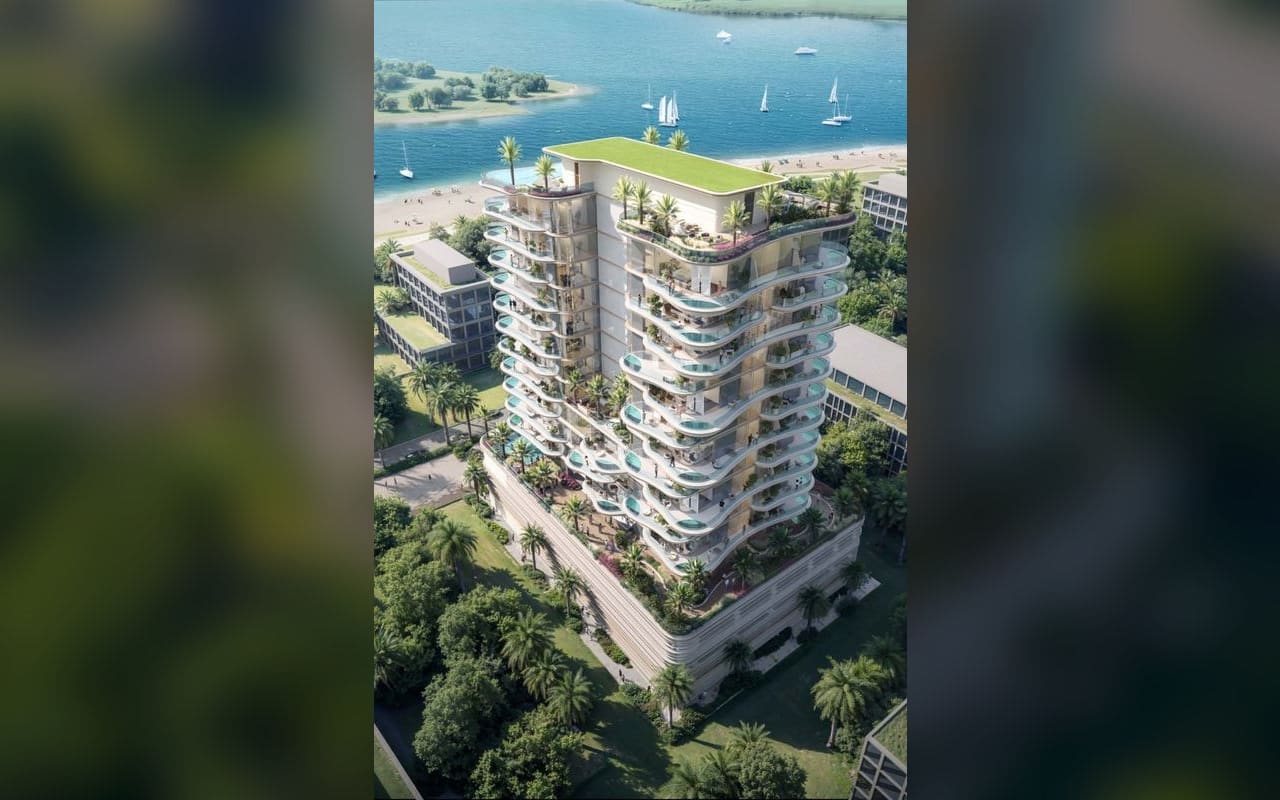
Beach Walk 3Dubai Islands
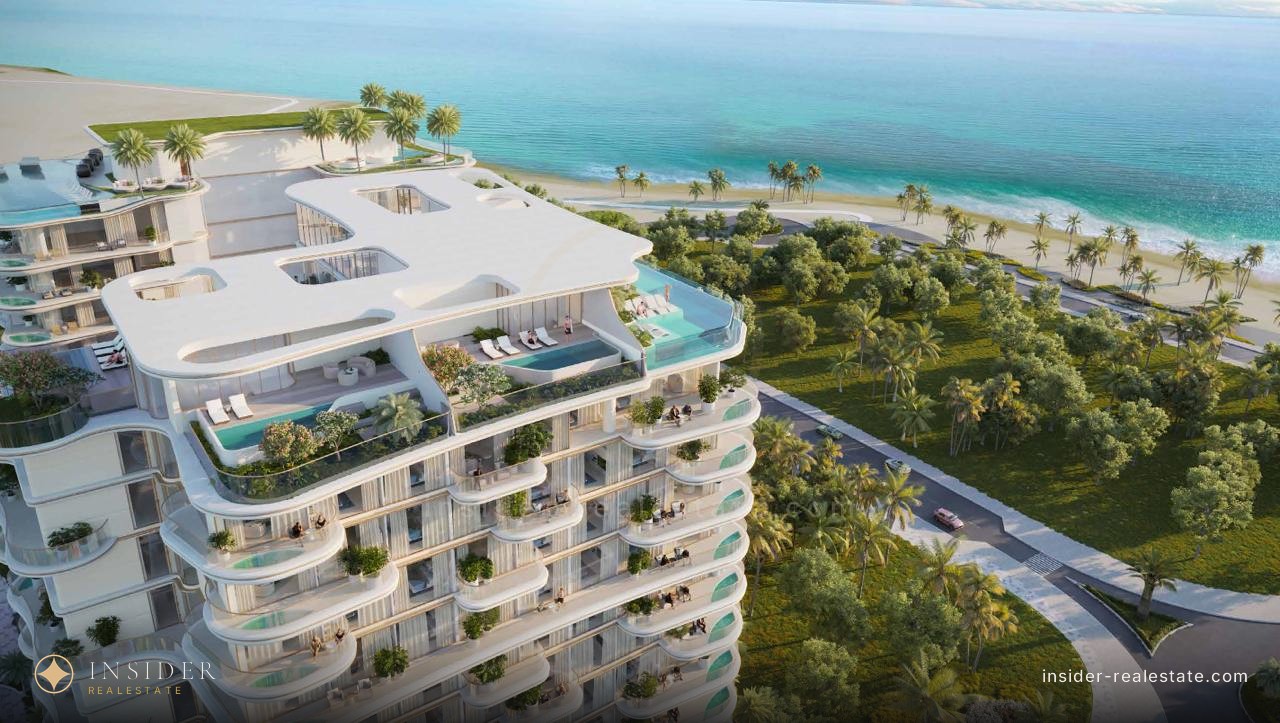
Beach Walk Grand 2Dubai Islands

Cotier HouseDubai Islands
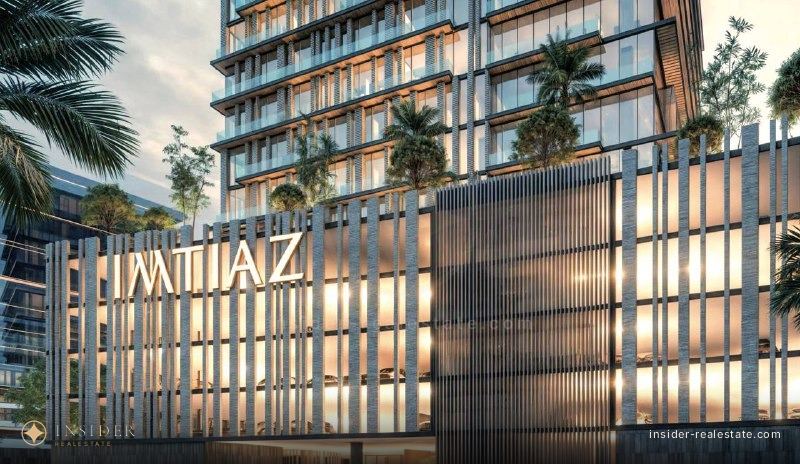
Cove BoulevardDubaiLand Residence Complex
Cove by ImtiazDubailand
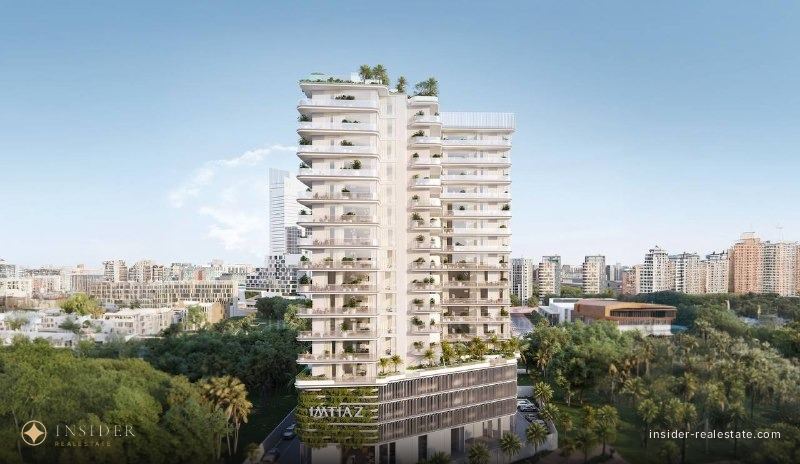
Cove Edition 4 by ImtiazDubailand
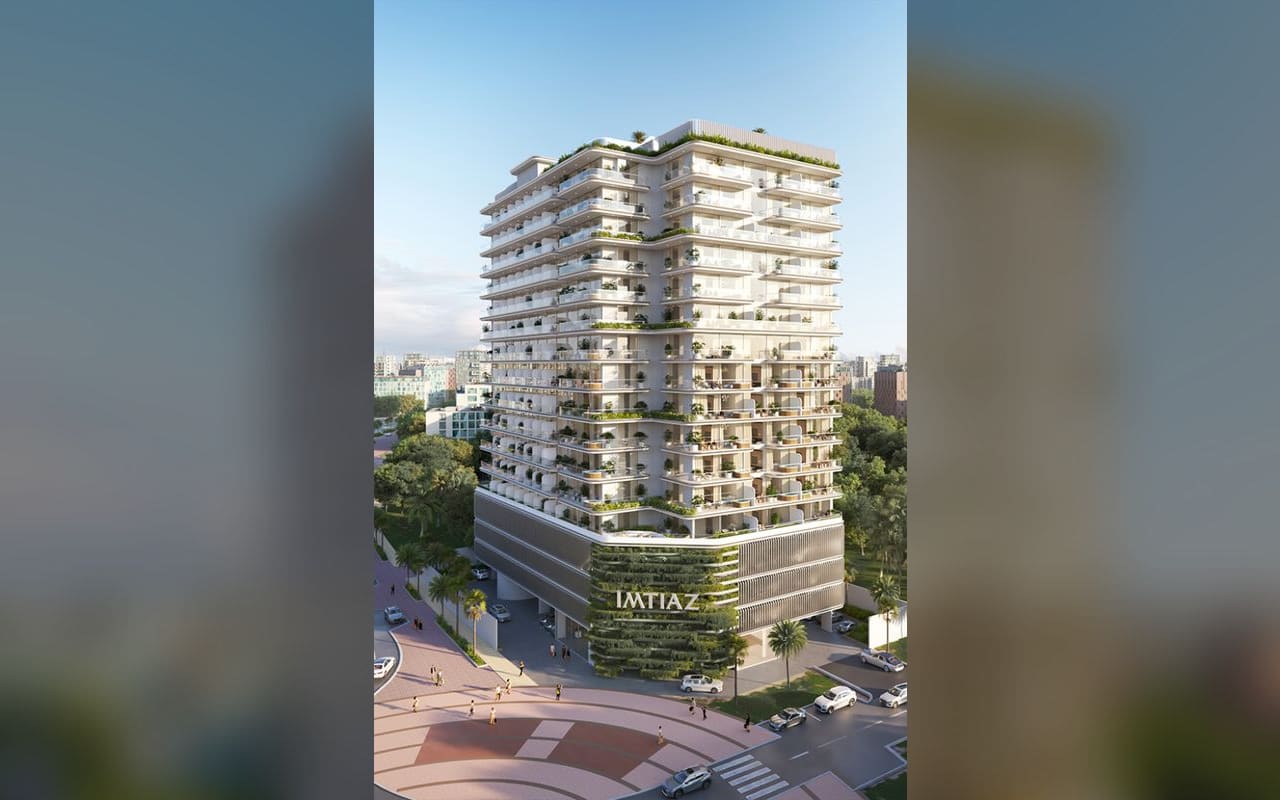
Cove Edition Residence 3DubaiLand Residence Complex
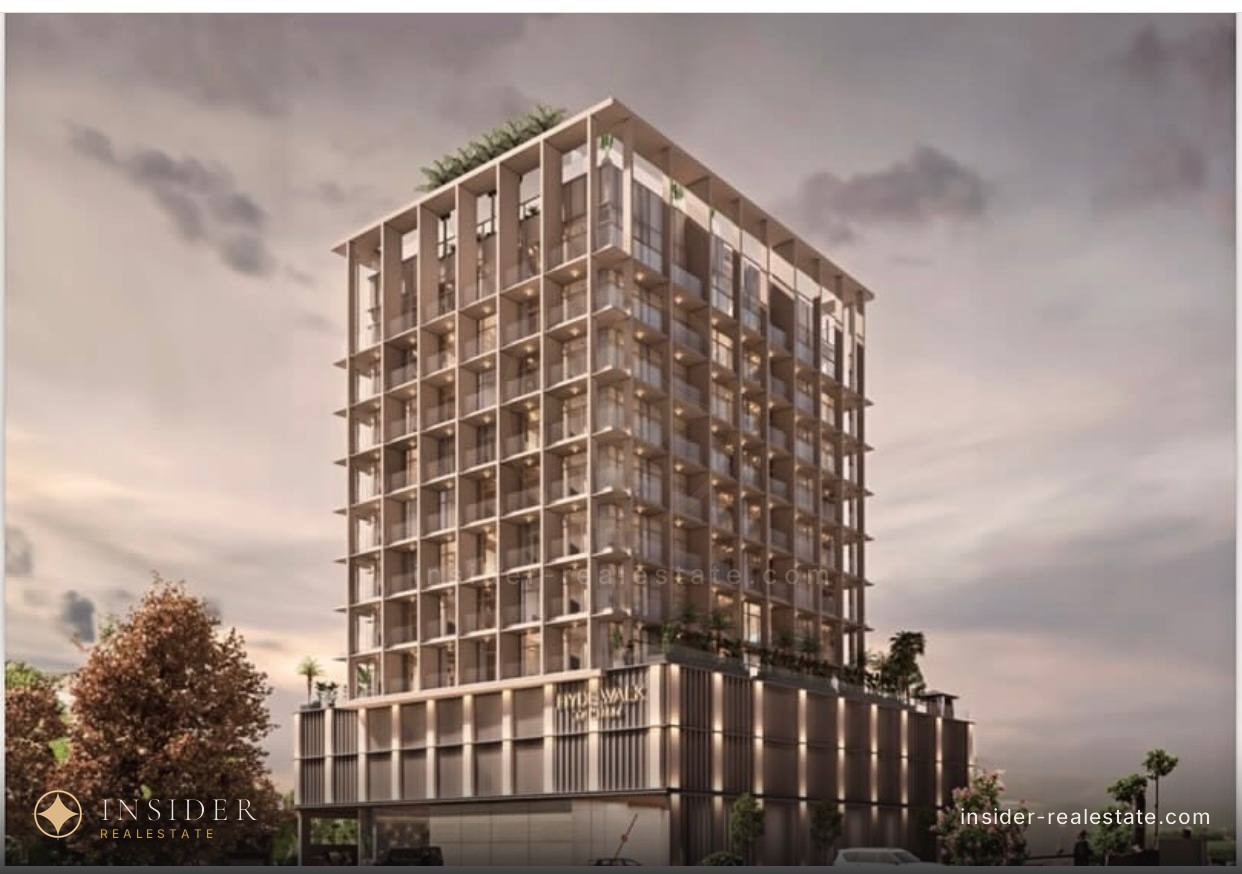
Hyde WalkJumeirah Garden City
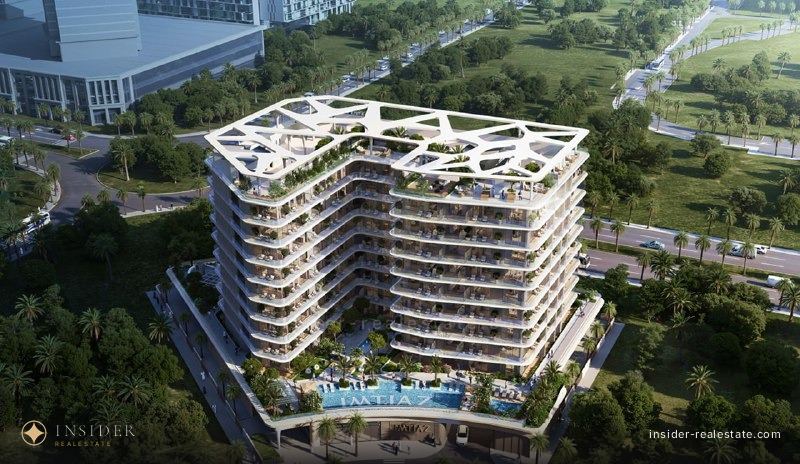
Inara Residence by ImtiazDubai South
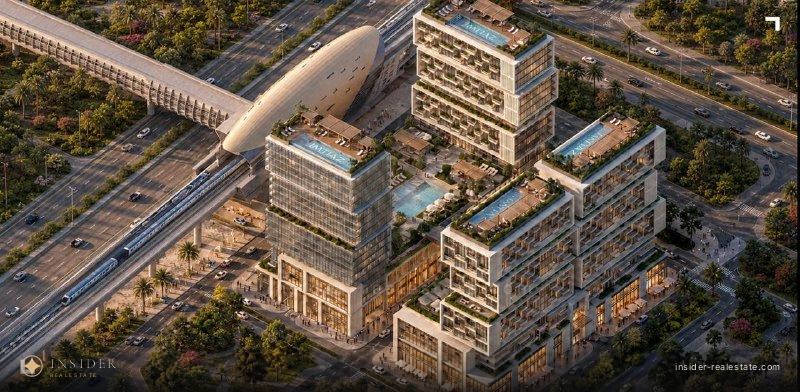
RAW DistrictDowntown Jebel Ali
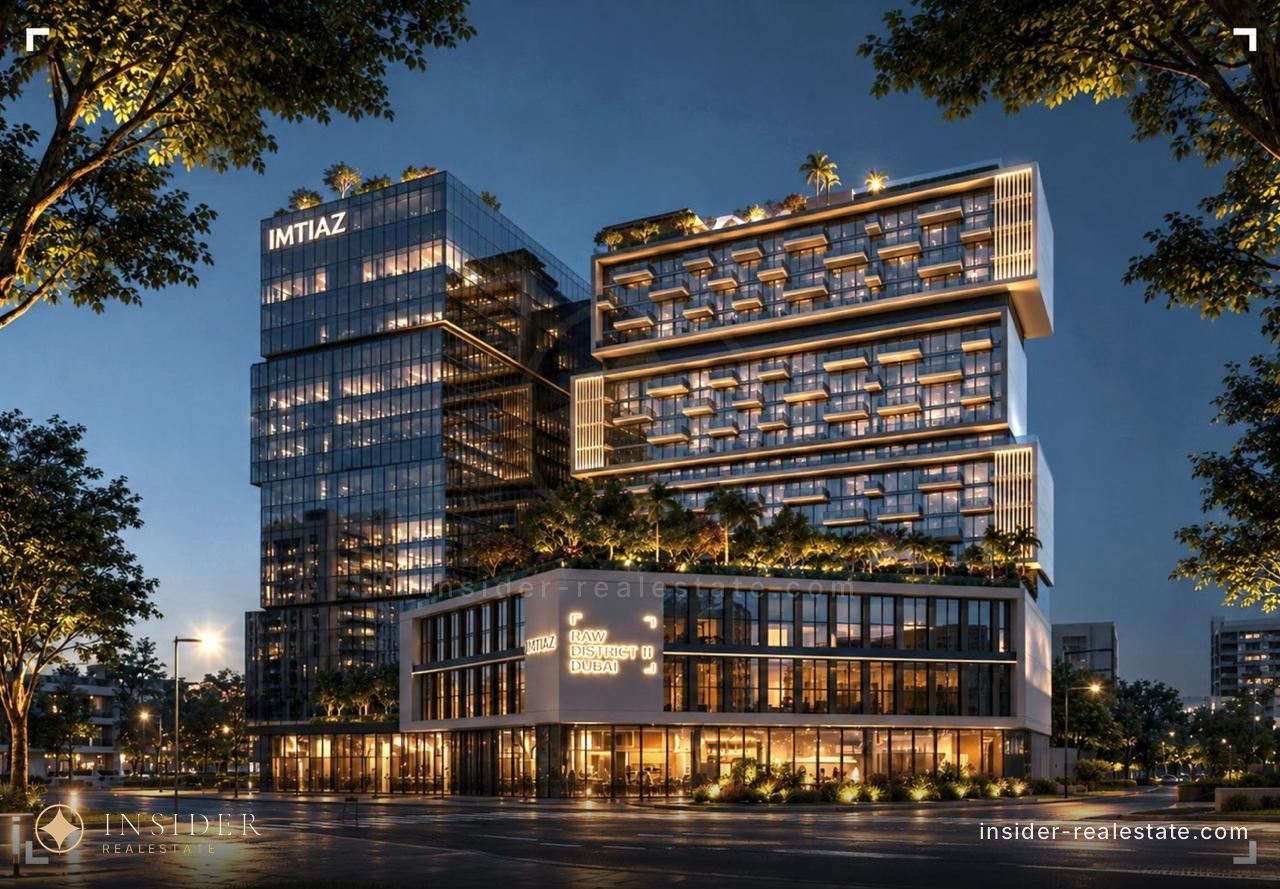
RAW District IIDowntown Jebel Ali
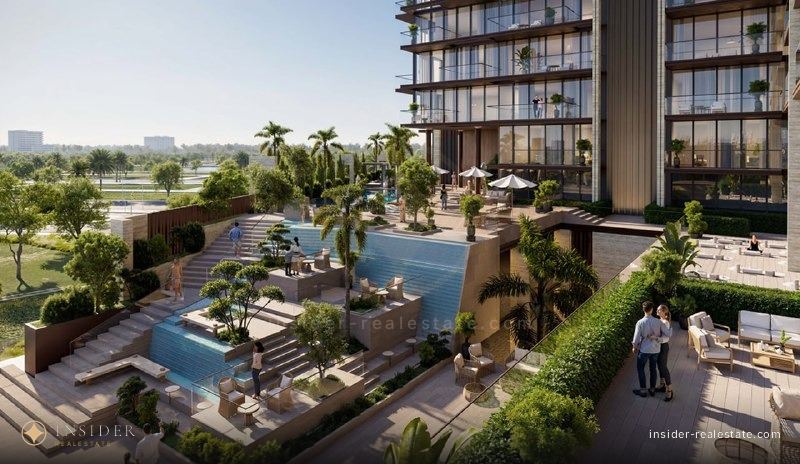
Sea Cliff by ImtiazDubai Islands
Imtiaz Developments listings in stock
All stock → Photo of the community −14% Photo of the community −14% 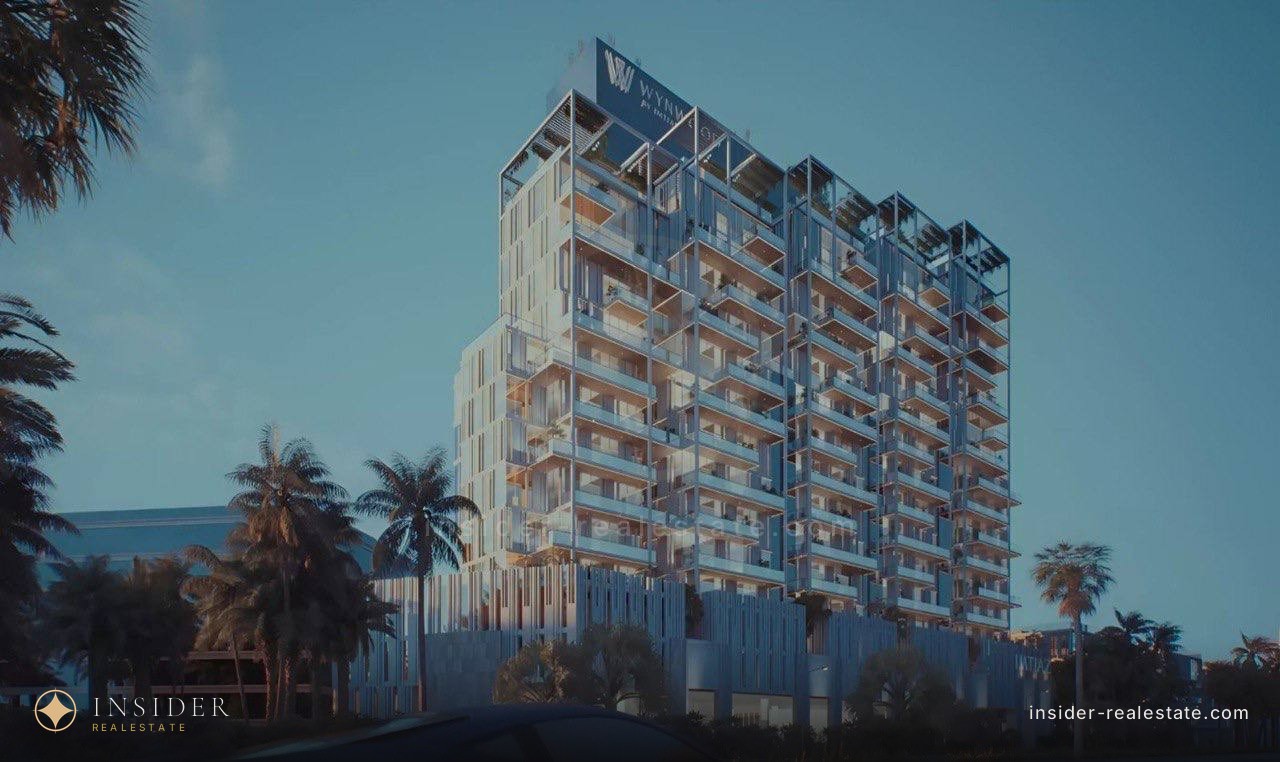 −13%
−13%  Photo of the community −11%
 Wynwood Horizon by Imtiaz Meydan Horizon · 1 BR · Apartment 1,950,000 AED 2,182,000
Ask about lot NP1-104170
 −5% Photo of the community −5%
 Seacliff by Imtiaz Dubai Islands · 2 BR · Apartment 4,342,652 AED 4,571,213
Ask about lot NP4-361328
 Photo of the community Photo of the community
  Photo of the community
  Illustrative photo
  Photo of the community Photo of the community
 What these numbers mean, and what they do not
The developer is inferred from the project name — there is no developer column in the base. So the figures describe our stock, not the company's share of the Dubai market: a developer sitting on an enormous volume of completed housing can look smaller here than one whose projects reach the resale market more often.
These are asking prices, not closed transactions. For a specific building I pull the registered Land Department sales and show where deals actually closed.
In the news

Imtiaz Developments: how to assess a developer that scaled fast
A mid-market company that went from a handful of projects to a large pipeline in a few years. What rapid growth does to risk, and the specific evidence that separates a good scaler from a stretched one.
Other developers
All developers → Questions
Imtiaz Developments: questions and answers
How much does a Imtiaz Developments apartment cost?
The median across this developer's lots in our stock is $459K (AED 1,685,000), with entry from $158K. The median per square foot is $387. These are asking prices out of our own base, recalculated every night; they follow what the developer and its sellers actually have on the market, not the price list on a corporate site.
Are there discounts on Imtiaz Developments property?
Right now the base holds 6 lots from this developer priced below the market, with the deepest cut at 14%. The discount comes from the seller on a resale or an assignment, not from the developer: they have their own reason to exit quickly. The size of the cut is computed against comparable property by an algorithm, not typed in by a broker.
Is Imtiaz Developments a reliable developer?
Delivered: 40+ active projects, with a stated pipeline above AED 10bn. Check Imtiaz Developments in the Land Department’s open register, not in the marketing: licence status, per-project construction progress and the registered escrow account are all there. Off-plan payments land in that escrow under RERA supervision and reach the developer only against verified construction milestones. The full dossier is further up the page.
What projects is Imtiaz Developments building?
Above on this page: 12 projects by Imtiaz Developments from our catalogue, each with a passport covering floors, units, handover and bedrooms. The districts holding most of its lots are grouped under “Where they build”. Lots on sale, when there are any, sit right under the project.
Should I buy from Imtiaz Developments direct or through a broker?
For an off-plan buyer the price is identical, because the developer covers the broker’s commission. Going straight to Imtiaz Developments is therefore no cheaper, and the choice there is limited to its own projects — you will not get a comparison with neighbouring buildings or a candid read on handover dates. On resale and assignment the commission is standard: 2% plus VAT.
Is Imtiaz Developments worth buying
The answer depends on the purpose. Send your budget and goal — I will go through which Imtiaz Developments projects are worth considering now and which I would skip.
Ask on WhatsAppAsk a question
Telegram is the fastest way — I answer personally.
Message on Telegram