
Restoring art and antiques in Dubai: the trade behind the interiors
Buyers at the top of the Dubai market increasingly arrive with things: furniture that has been in a family for generations, paintings, objects that were never intended to live at forty degrees. There is a professional trade here to look after them, and it is almost invisible from outside.
What restoration actually is
Assessment first: what the object is, what it is made of, what has already been done to it and what is failing. A great deal of damage in this trade was caused by a previous well-meant repair, and identifying that is half the work.
Then stabilisation, then treatment. The governing principle in serious conservation is reversibility — interventions that a future specialist can undo without harming the original. That is why a competent restorer is slower and more expensive than a furniture repairer, and why the difference matters if the piece has any value beyond the sentimental.
Documentation closes it: what was done, with what materials, on what date. For anything of value that record is part of the object's provenance and it affects what the piece is worth later.
Talk to a licensed broker: WhatsApp +971 50 120 32 64 · Telegram
Why the Gulf is the hard case
The enemy here is not heat but the swing. Air conditioning holds an interior at a stable low humidity while the air outside is hot and saturated, and every time a door opens, organic materials move. Wood, veneer, canvas, hide and paper expand and contract, and joints, marquetry and paint layers fail along those cycles.
Direct sun through the glazing that makes Dubai apartments beautiful is the second agent: it fades pigments and dyes permanently, and no restoration reverses it. UV filtering on the glass or on the frame is prevention, and prevention is the only affordable option.
Which is why the professional advice usually starts before the workshop: stable humidity, no piece on an exterior wall, nothing in direct sun, and controlled conditions during shipping. A container standing on a quay in August has ended more antiques than any restorer has saved.
Why a property article is talking about this
Because at the top of the market the interior and the collection are increasingly the same purchase. Branded and design-led homes are sold furnished and curated, and buyers arriving from Europe or Asia ship the contents of a house with them.
It changes practical things about the property itself: where the plant sits, whether humidity can be controlled independently in one room, whether the glazing has UV protection, and whether the service lift and the corridors can physically take a large piece.
And it changes what "handover condition" should mean to a buyer at this level. If the home is being bought to hold a collection, the building services are part of the specification — a question to ask at viewing, not after the first summer.
Frequently asked
Can antiques survive the climate in Dubai?
Yes, in controlled conditions. The risk is not the outdoor heat but the constant swing between air-conditioned dryness and outside humidity, which moves wood, canvas and hide. Stable humidity, no exterior walls and no direct sun are the practical requirements.
What separates restoration from repair?
Reversibility and documentation. Conservation-grade work uses interventions a future specialist can undo, and records what was done and with what. A repair that cannot be reversed can reduce what a valuable piece is worth, however good it looks.
Does any of this affect the property itself?
At the top of the market, yes: independent humidity control, UV-filtered glazing, and whether a large piece can physically reach the apartment through the service lift and corridors. These are viewing questions for a home meant to hold a collection.
✍️ Message me on WhatsApp for a free consultation — off-market stock, payment plans and honest numbers on any of the projects covered here.
✅ Subscribe on YouTube — investment, property, business and relocation in the UAE and beyond.


Related reading
The same subject in writing — analysis and news related to this video.
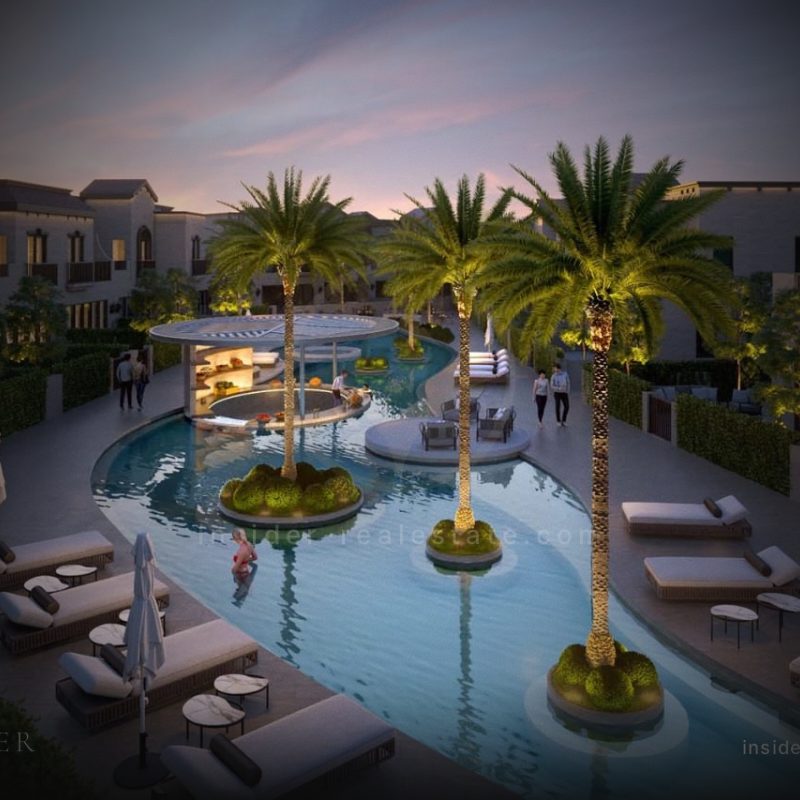
Jumeirah Golf Estates townhouses: Jasmine Lane by Durar with Elie Saab interiors, two years after handover
Jasmine Lane is 138 three-bedroom townhouses in Jumeirah Golf Estates, Elie Saab’s first project in the community. It launched from AED 3.68m and was handed over in summer 2024; resale asking prices now start at AED 5.95m. Who Durar is, and what the project shows about branded low-rise homes.

“We will find your roots”: what actually stands behind that offer
Citizenship by descent is the best route in this field and the easiest to sell dishonestly, because the research is genuinely hard and the client cannot check it.

Refusals: the reasons behind them and what to do next
A refusal is rarely arbitrary and is frequently fixable. What decides the outcome is whether the next step is an appeal, a fresh application, or a different country.

Lost documents: restoring them from another country
A passport, a birth certificate or a diploma lost while living abroad is recoverable, and the route depends entirely on which document it is.

Pensions left behind: what happens to them when you move
The asset people think about last and should think about first. It stays in a system you have left, taxed by rules that may follow the pension rather than you.

Selling the property behind your visa: the sequence that matters
The status is tied to the asset. Sell without arranging what comes next and the permit ends with the transfer — along with your family’s, your bank account and your tenancy.