
What premium interiors in the UAE are actually doing now — and what it does to price
Three phrases have taken over the top end of the UAE market: neuroarchitecture, longevity design and quiet luxury. All three are used loosely enough to mean nothing, and all three describe something real. The distinction is worth drawing, because one of them changes what a home is worth and the others mostly change what it costs.
Neuroarchitecture, minus the word
Underneath the term is an unremarkable and well-supported idea: how a space is lit, proportioned and sequenced affects how people feel in it. Daylight reaching deep into the plan, ceiling height, sightlines that let you see where you are going, acoustic separation between the noisy and the quiet halves of a home.
What makes it commercially interesting is that most of it is structural. Ceiling height, window area, orientation and the arrangement of rooms are decided at design stage and cannot be retrofitted — which is precisely why they hold value. A buyer three owners from now will still feel the difference without knowing the vocabulary.
So the useful test on a viewing is not whether the developer uses the word. It is whether the apartment is bright at four in the afternoon, whether you can hear the corridor, and whether the plan puts the sleeping half away from the entertaining half.
Talk to a licensed broker: WhatsApp +971 50 120 32 64 · Telegram
Longevity design, and what actually belongs in a home
Longevity design covers everything sold as health infrastructure: air and water filtration, circadian lighting, materials chosen for what they do not emit, wellness rooms, cold plunge and sauna. Some of this is genuine building services; some of it is furniture with a story.
The line to draw is between systems and features. Filtration, ventilation rates and glazing quality are part of the building and they are expensive to add later — worth paying for. A dedicated wellness room is a use of floor area, and floor area is the most expensive thing in the apartment. It is a preference, not an investment.
The market context is real, though. The UAE has moved this segment from luxury to expectation at the top of the market, and a prime building that ignores it now dates faster than one that ignored a marble lobby ten years ago.
Quiet luxury, and the resale question
The visible shift over the last few years has been away from gloss — less gold, less high-shine marble, more stone, timber, plaster and texture. In sales terms this is the safest of the three trends, because restraint dates more slowly than statement.
It is also the one that most affects resale. Strongly authored interiors narrow the buyer pool: the people who love it pay a premium and everyone else mentally deducts the cost of ripping it out. Neutral and well-executed sells to everybody; distinctive sells to fewer people for more.
The practical hierarchy for anyone spending money on a home they may sell: structure first — light, height, plan, acoustics — then the building systems, then the finishes. That is also the exact reverse of the order these things appear in a brochure.
Frequently asked
Does interior design affect a property's value in Dubai?
The structural part does — light, ceiling height, plan and acoustics are permanent and are felt by every future buyer. Finishes and decor mostly affect how fast a unit sells and to whom, rather than what it is fundamentally worth.
Is a wellness room worth including?
As a preference, yes; as an investment, rarely. It consumes floor area, which is the most expensive commodity in the apartment. Building-level systems — ventilation, filtration, glazing — are the part of the wellness story that is hard to retrofit and therefore worth paying for.
Should a home for resale be neutral or distinctive?
Neutral and well-executed sells to the widest audience. A strongly authored interior narrows the buyer pool in both directions: fewer buyers, but the ones who want it pay for it. Choose deliberately rather than by accident.
✍️ Message me on WhatsApp for a free consultation — off-market stock, payment plans and honest numbers on any of the projects covered here.
✅ Subscribe on YouTube — investment, property, business and relocation in the UAE and beyond.


In the news
The same subject in writing — analysis and news related to this video.

Branded residences: Dubai leads the world, and what the premium actually buys
Dubai has more branded residential schemes than any other city — roughly one in seven worldwide. Where the format started here, what the premium over comparable luxury pays for, and the five clauses to read before signing.
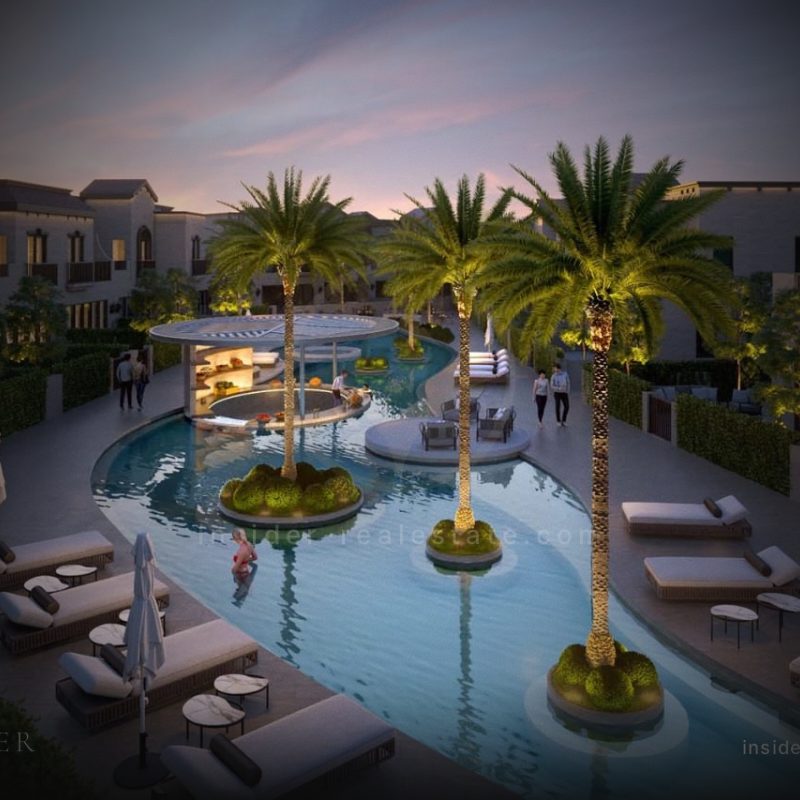
Jumeirah Golf Estates townhouses: Jasmine Lane by Durar with Elie Saab interiors, two years after handover
Jasmine Lane is 138 three-bedroom townhouses in Jumeirah Golf Estates, Elie Saab’s first project in the community. It launched from AED 3.68m and was handed over in summer 2024; resale asking prices now start at AED 5.95m. Who Durar is, and what the project shows about branded low-rise homes.

Branded residences in Dubai: 64 completed, 87 in the pipeline and a 64% average premium
Dubai is the world's leading city for branded residences, with 64 completed schemes and 87 in the pipeline (Savills). CBRE puts the average price premium at 64% in Dubai and 87% in Abu Dhabi. What the premium pays for, and how it behaves when the market cools.

Abu Dhabi branded residences: an 87% premium and 126% transaction growth (CBRE)
CBRE expects branded-residence transactions in Abu Dhabi to grow 126% year-on-year — twice Dubai's pace — with buyers paying an average 87% premium, versus 64% in Dubai. Here is where the numbers come from and what they mean for a buyer weighing both markets.
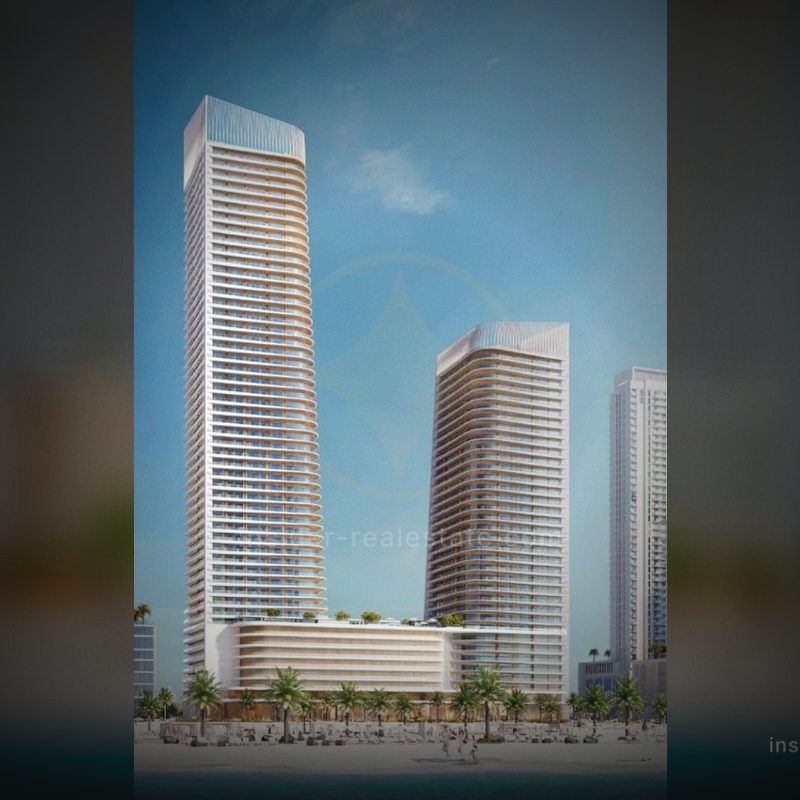
Dubai apartment view premium: how much a sea view actually adds to price
Market commentary puts the premium for a direct sea or marina view at roughly 15–60% over an equivalent unit without one, depending on the building and floor. When that premium pays off in yield, when it only pays off on resale, and how to judge a view from a floor plan before the tower exists.

Where you actually shop in Dubai, and why it belongs in the property decision
Every Dubai district claims good amenity. The difference that shows up in daily life is not how much retail there is but whether you reach it on foot — and that difference is set by the masterplan, not by the listing.