
Dubai Design District: an office zone that acquired residents, and what that means for a buyer
d3 was built as a workplace. The residential stock is a later addition to it, which is unusual in Dubai and changes almost everything about how a purchase here should be read — from who your tenant is to which authority your title is registered with.
What d3 is
Dubai Design District, universally called d3, covers about 1.6 square kilometres along the Dubai Water Canal between Ras Al Khor and Business Bay. TECOM Group launched it in 2013 as the region’s first purpose-built design zone, with Meraas involved in the later phases.
It is a free zone rather than an ordinary district, and more than 500 companies operate inside it — from single-designer studios to international fashion houses and media groups.
The Dubai Institute of Design and Innovation sits here, running the region’s first design degree programme, developed with input from MIT and Parsons. Alongside it the Infive incubator supports startups in design, media and technology.
Talk to a licensed broker: WhatsApp +971 50 120 32 64 · Telegram
The physical build is phased. The first phase delivered eleven buildings of office and retail space; the remaining phases are in development, and in January 2026 a plan was published to extend the district by roughly 1.7 million square metres.
What the residential offer consists of
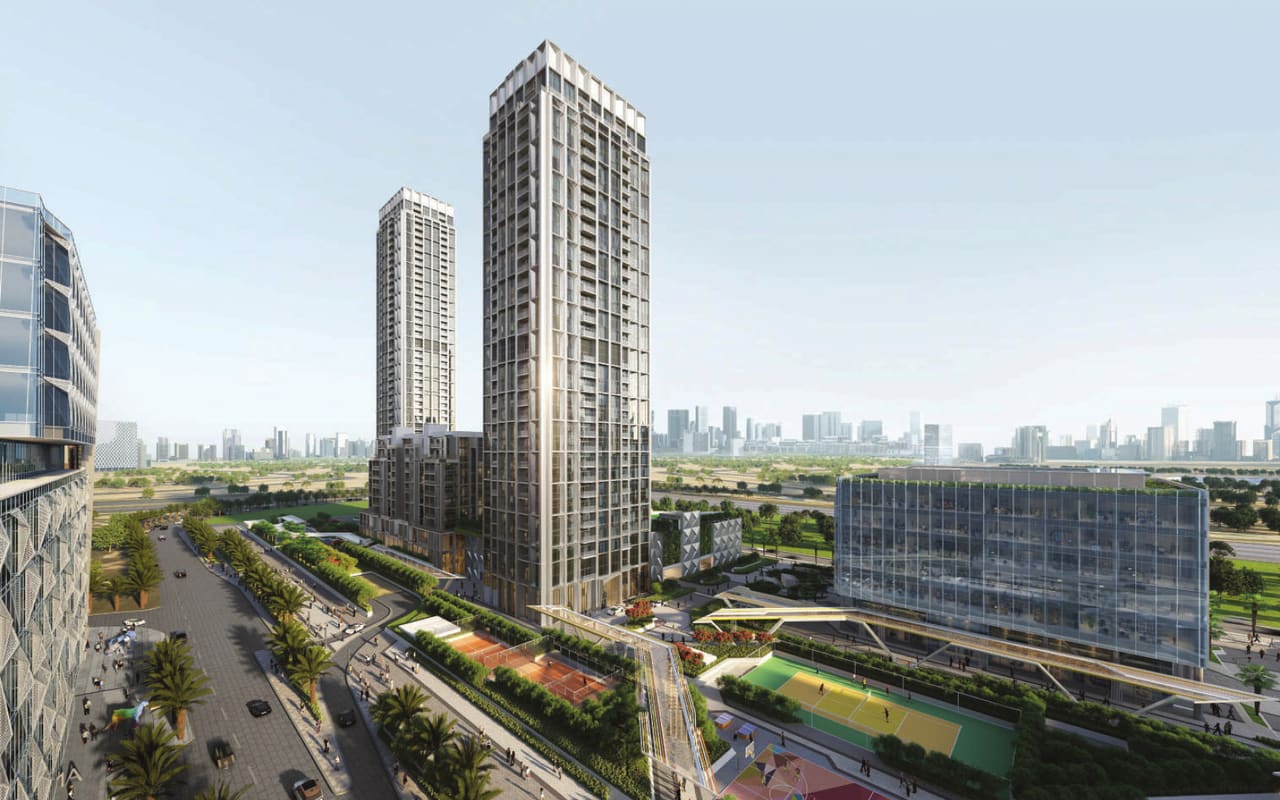
Design Quarter is the principal residential offer, developed by Meraas Holding with retail and gardens recorded among its amenities. Its Tower C passport records eleven storeys and 86 apartments, under development — a low-rise building of fewer than a hundred homes, which is a different animal from the towers a Dubai buyer is used to reading about.
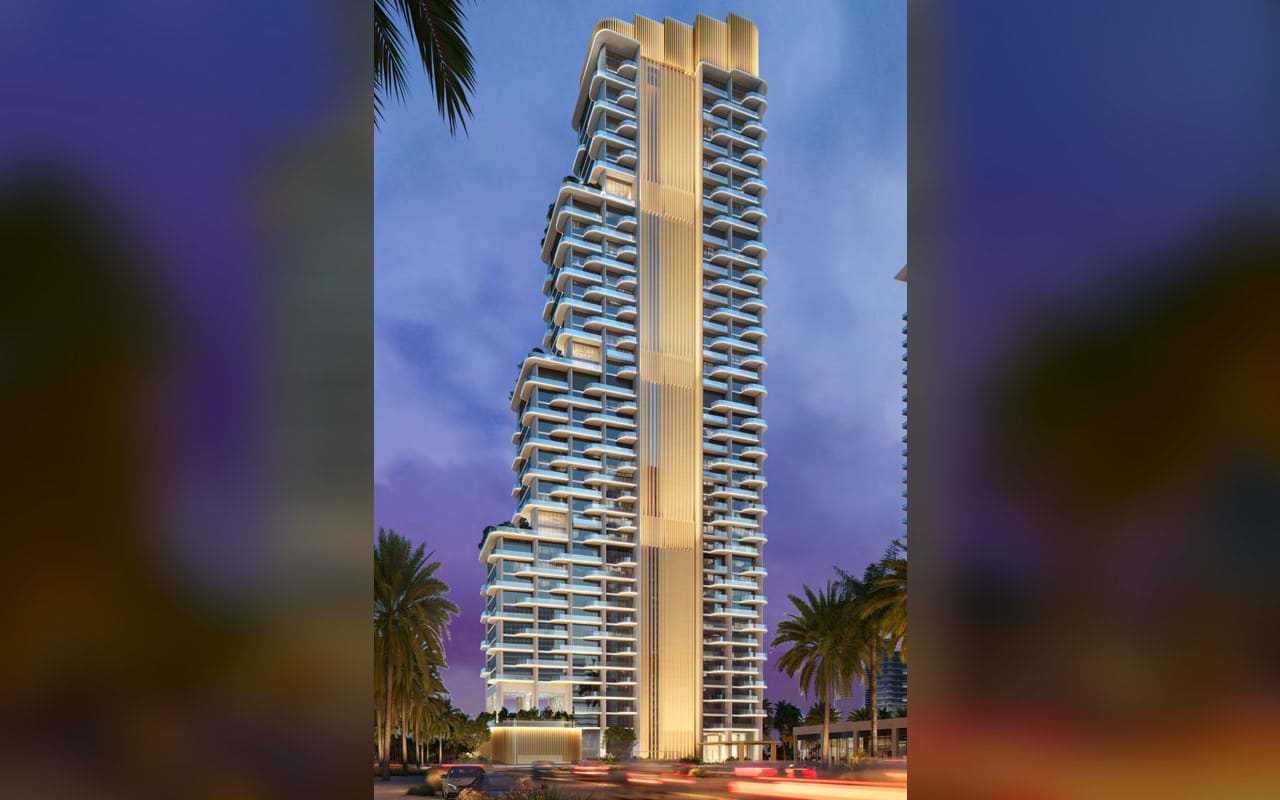
Beyond it the district is going vertical. Atelis at D3 is recorded as a planned 46-storey skyscraper of 280 apartments by Meraas Holding with Skidmore, Owings & Merrill as architect. Artistry Two Residences is a planned 38-storey building by Select Group, with a pool, gym, spa and retail.
So the offer here splits cleanly into two: a small amount of low-rise product that exists or is being built now, and a set of tall planned buildings that will change the district’s density when they arrive.
What there is very little of is resale stock from a previous cycle, because there was barely a previous residential cycle. Almost everything on the market is first-hand or close to it.
The location, which is better than most people realise
d3 sits on the canal with Downtown about seven minutes away, Dubai Creek Harbour fifteen and Dubai International twenty. That is a genuinely central position, and it is the reason the district works as a workplace rather than as a destination people visit twice.
Al Khail Road and Ras Al Khor Road bracket it, so access in both directions is direct. There is no metro station inside the district and none announced, which is the main practical gap.
The canal frontage gives it a waterside promenade and an outlook the surrounding commercial districts do not have, and The Block — the district’s beach-side public space — holds one of the better skate parks in the city.
For a resident that adds up to a central address with a walkable edge, which is rare at this distance from Downtown and is most of what the residential product is selling.
The free-zone complication
Because d3 sits inside the TECOM free zone, the ownership and registration position is not automatically the same as mainland Dubai. Some property is conventional freehold registered with the Dubai Land Department; some is held under free-zone arrangements with different mechanics.
Establish which one applies to the specific unit before going far. This is the same question that arises in DIFC, and it is answered by the title documentation rather than by the sales brochure.
It also affects what a tenant can do. A business wanting to register at the address needs the building to permit that activity under the zone’s rules, and a residential unit is not automatically a licensable address.
Use a conveyancer who has completed a transaction in a Dubai free zone. The process works; it simply differs in detail from a Business Bay purchase one bridge away.
Who the tenant is, and the events economy
The population is largely a working one that arrives in the morning and leaves in the evening, the everyday retail is thinner than the restaurant count suggests, and there are no schools inside the boundary.
So the resident who fits here is specific: someone working in or around the creative industries who wants to walk to the studio, or somebody who wants a central canal-side address and does not need a neighbourhood around it. That tenant is well paid and reasonably stable, but the pool is narrow — underwrite it on the design and media employment base, not on general Dubai rental demand.
The district carries more than 64,000 square metres of event space and hosts Dubai Design Week, fashion showcases, exhibitions and concerts through the cooler months. For a short-let investor that is a real seasonal demand driver tied to a professional audience rather than to tourism.
For a resident it means periods of congestion and parking pressure around the event buildings, which is worth checking against the specific location of a unit.
Who it suits, and the comparison
Someone working in design, media, fashion or the agencies around them who wants to live within walking distance of the studio, in one of the few Dubai districts with a genuine professional identity.
An investor who understands that this is a narrow, well-defined tenant market rather than a broad one, and who is buying the central canal-side location and the small quantity of residential stock inside the zone.
It suits poorly families — no schools, thin everyday amenity, and a weekday-weighted population — and anyone who wants the district to feel lived-in at the weekend.
The honest comparison is Business Bay next door: more supply, more residents, a deeper tenant pool, less identity. Whether d3’s specificity is worth the trade depends entirely on who your tenant is.
Frequently asked
Can foreigners buy property in Dubai Design District?
Yes, but the mechanics vary. Some stock is conventional freehold registered with the Dubai Land Department and some is held under TECOM free-zone arrangements. Establish which applies to the specific unit from the title documentation, and use a conveyancer experienced in Dubai free zones.
What residential projects are there in d3?
Design Quarter by Meraas Holding is the principal offer — its Tower C is recorded at eleven storeys and 86 apartments, under development. Beyond it, Atelis at D3 is a planned 46-storey, 280-apartment tower by Meraas with Skidmore, Owings & Merrill as architect, and Artistry Two Residences a planned 38-storey building by Select Group.
Is d3 a good place to live?
For someone working in the creative industries who wants a central canal-side address and can walk to the studio, yes. It suits families poorly: there are no schools inside the boundary, everyday retail is thinner than the restaurant count suggests, and the population is weekday-weighted.
✍️ Message me on WhatsApp for a free consultation — off-market stock, payment plans and honest numbers on any of the projects covered here.
✅ Subscribe on YouTube — investment, property, business and relocation in the UAE and beyond.


Below market in Dubai Design District right now
From the daily off-market feed. Availability and price are confirmed on request.
All below-market listings →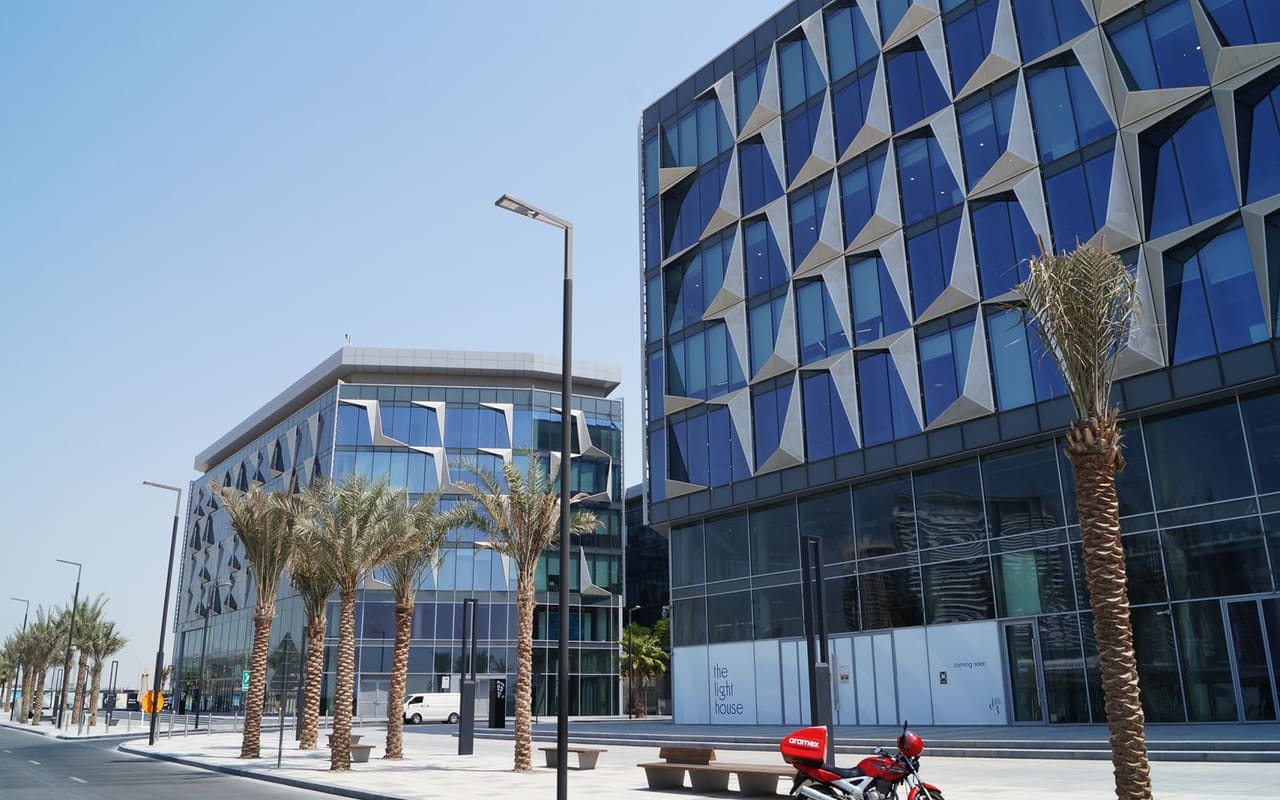
In the news
The same subject in writing — analysis and news related to this video.

Dubai Design District: a district built for one profession
A quarter for design, fashion and creative business, with housing among it. Demand here is occupational and narrow — which is both its strength and its single point of failure.

Dubai’s primary office market: AED 13.1bn and 1,668 transactions in a half-year
Residential takes all the attention while off-plan offices posted their best half-year on record. The average ticket says who the buyer is.
Continental Investments: how to judge a central district nobody talks about
A developer building in Al Jaddaf, minutes from the centre and rarely mentioned. Overlooked districts are either an opportunity or a trap, and four checks tell you which.

Dubai offices are being let 12–18 months before the building completes
A practice that used to be an exception is now standard: tenants sign before delivery, fixing rate and floor area. What drives it, and what it does to the classic risk of buying an office off-plan.
Offices in residential districts: Dubai Hills at zero vacancy and AED 350 a foot
The office shortage produced a solution that would have looked illogical a few years ago. One district proved it works; the next candidate is an assumption rather than a fact.
Office rents by Dubai district: from AED 250 in Internet City to 760 in DIFC
Location matters more in offices than in housing — the spread across the city is threefold. The annual rate per square foot in the main business clusters, and what tenants are actually paying for in DIFC.