
Marina Living by LMD: buying at the developer’s own sales office in Dubai Marina
Marina Living is a Dubai Marina project by LMD, a developer known for design-led buildings on a small scale. Buying at the developer’s own sales office, as filmed in June 2023, gives first-hand prices, availability and payment terms. It gives no comparison with the rest of the district, and the buyer has to supply that.
Who is LMD?
LMD is a developer known for its attention to design and for small, carefully considered projects. Its approach is quality and individuality in place of volume, which raises the rental appeal of its buildings and sets them apart.
A company of this size is not a giant with dozens of towers, and that is a characteristic, not a defect. Small developers are often more attentive to the product. Their public history is shorter, however, and has to be checked with more care.
Why does a keen price in Dubai Marina matter?
Because the district does a great deal of the work. The Marina has a promenade, yachts and views that give it a resort atmosphere, rental demand that runs all year, and the liquidity that makes a flat easy to sell and to let.
Talk to a licensed broker: WhatsApp +971 50 120 32 64 · Telegram
A design-led project at a competitive price in such a place joins a liquid location with room for the value to grow. The investor gets steady demand at a better point of entry.
Put as an investment case, it has three legs: a top location that keeps the risk of vacancy low, LMD’s design as a premium on the rent, and a price that leaves potential for growth. That was the argument made for Marina Living in 2023.
What does buying at the developer’s office give you?
It is the shortest route to first-hand information: the current price list, the real availability of units and the official payment terms. Nothing is distorted by retelling, and a unit you like can be secured on the spot.
For a buyer who has already settled on the project, that makes the sales office a quick and transparent route.
The limitation is that the developer’s manager sells one project and has no duty to compare it with the alternatives nearby. The price is, as a rule, the same as through a broker, because the agent’s fee is paid by the developer.
So the choice of channel is a question of expertise: whether you need an independent view of the market or have already made the comparison. The best course joins the two — build the market picture with a consultant, then confirm the terms for the chosen unit at the developer’s office.
How do you check a mid-sized developer?
On facts. How many projects has it delivered, how far did they depart from the promised dates, and how do the completed buildings look and run today? One visit to a finished building tells you more than any presentation.
The second level is formal: registration of the project with the regulator, the escrow account, the permits, and specifications fixed in the contract.
The third is indirect. Watch the quality of the sales office’s work, its readiness to answer awkward questions in writing, and the absence of pressure to decide today. A developer confident in its product copes calmly with a meticulous buyer.
Which unit inside the project?
Function comes before size. A layout with no long corridors or dead corners lets and sells better than a nominally larger flat that is awkward to live in.
Look at where the windows face — the marina, the city or a neighbouring facade — and, in surroundings that never stop being built, check what is planned for the adjacent plots. Middle and high floors earn a premium in rent and cost one in price.
The floor to look for is the one where the view has already opened up and the price has not yet run away. Noise is the cost that no price list shows: a road, an amenity deck or a plant area is heard only after moving in.
A proper balcony and storage space are frequently what decides a long-term tenant.
What are the stages of an off-plan purchase?
The first is an expression of interest and a reservation, which fixes the unit and the price against a refundable or conditionally refundable deposit. Get the refund terms in writing.
Then comes the sale and purchase agreement. Check the specifications, the payment schedule, liability for the dates and the rules on assignment. Instalments follow, paid into escrow, where buyers’ money is protected by its designated use — transfer only to the official escrow details.
The sale is registered, which records the buyer’s rights, and the registration fees are paid. During construction, follow progress reports, photographs and interim inspections.
At handover, inspect the flat and record the defects before signing the acceptance; the developer then puts them right.
How should the purchase be financed?
From the full cost of ownership, not from the first instalment. Add up every scheduled payment, the registration fees, future service charges and a furnishing budget; the total is the real size of the project.
Then lay the payment schedule over your own cash flow. Each instalment should be covered without strain, with a reserve for the unforeseen.
An investor should also decide beforehand what happens after handover — a long let, short lets or a sale. The choice of unit, the furnishing budget and even the moment of exit depend on it. Buyers who fix the strategy before purchase consistently do better than those who decide with the keys in hand.
What goes wrong when buying on a promotion?
Discounts, gifted furniture and fees paid by the developer are pleasant, but they must not replace the analysis. The first mistake is measuring the discount against an inflated earlier price instead of measuring the final price against the market.
Always convert the offer into a price per square metre and put it beside the alternatives in the district. Only then is it visible whether there is any gain at all.
The second mistake is haste under a promotional deadline; a property purchase is not decided in an evening. The third is overlooking the quality of the unit for the sake of the bonus. Free furniture does not correct a poor layout or a weak view.
The rule is simple. The unit has to pass your criteria with no bonuses at all, and only then does the promotion become a welcome addition to a sound purchase.
Frequently asked
Is Marina Living cheaper bought directly from LMD than through a broker?
As a rule, no: the price is the same, because the agent’s fee is paid by the developer. The choice of channel is about expertise — whether you need an independent comparison with the rest of the district.
Who is the developer of Marina Living?
LMD, a developer known for design-led projects on a small scale, which favours quality and individuality over volume.
How do I check a developer that has not built dozens of towers?
On three levels: the delivered projects and whether their dates were kept; the formal side — registration with the regulator, escrow, permits and contract specifications; and indirect signals such as written answers to awkward questions and no pressure to decide today.
Is a promotional offer a good reason to buy?
Only if the unit passes your criteria without the bonus. Convert the offer into a price per square metre and compare it with alternatives in the district; furniture or covered fees do not fix a poor layout or a weak view.
✍️ Message me on WhatsApp for a free consultation — off-market stock, payment plans and honest numbers on any of the projects covered here.
✅ Subscribe on YouTube — investment, property, business and relocation in the UAE and beyond.


Below market in Dubai Marina right now
From the daily off-market feed. Availability and price are confirmed on request.
All below-market listings →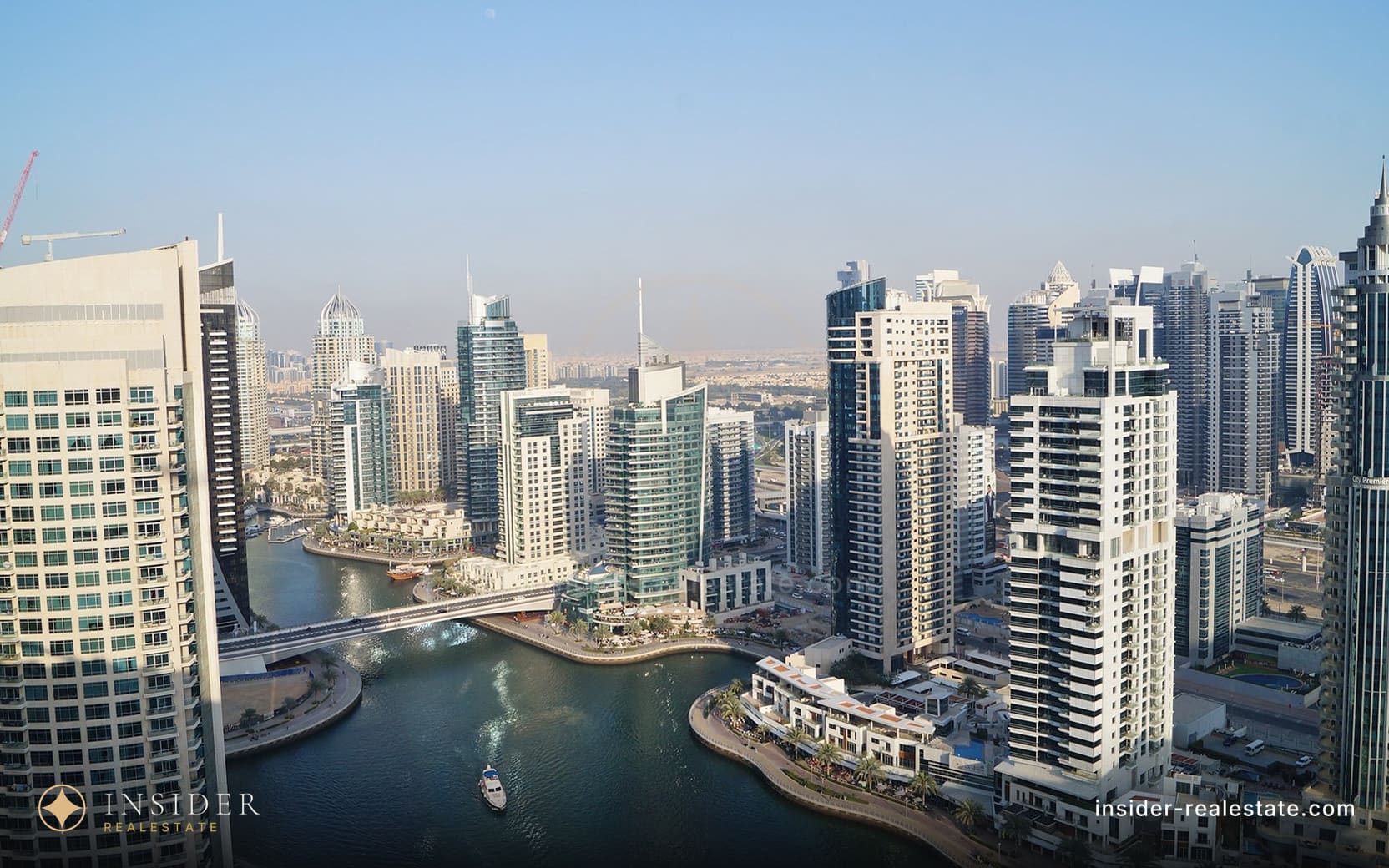
In the news
The same subject in writing — analysis and news related to this video.

National Bonds: when the developer is a savings institution
A regulated savings company that also develops property. What an institutional balance sheet changes for an off-plan buyer, and where it makes no difference at all.

LIV Real Estate: one district, and what concentration does to risk
A boutique developer working almost entirely in Dubai Marina. Why a single-district portfolio is both the strongest and the weakest thing about a company like this.

Select Group: waterfront towers and what a marina address really costs
A developer built around Dubai Marina and the harbour districts. Why the water is the whole thesis, what a waterfront service charge looks like, and where the resale market for these units sits.
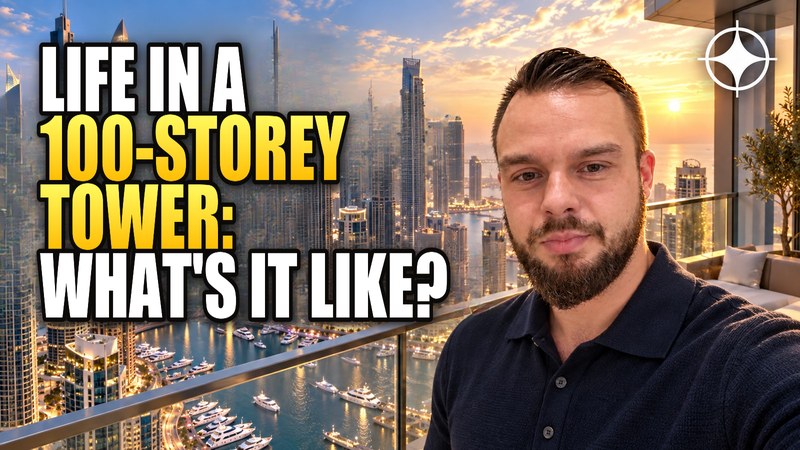
Tameer Holdings: what living in a hundred-storey tower is actually like
The developer of two of Dubai Marina’s tallest residential towers, now traded entirely second-hand. The practical realities of super-tall living, and the checks a building of that height demands.

Scope Investment: a 2022 tower, and the first wave of resales
A Dubai Marina tower completed a few years ago. Buildings at this age go through a predictable event that shapes their prices — and it is a buying opportunity if you can see it.

Gulf General Investments Company: a first-generation Marina tower, twenty years on
A diversified investment group whose Dubai Marina tower completed in 2006. What the district’s earliest buildings offer, and the systems that come due at that age.