Red Square by Tiger in JVT: the quieter alternative to JVC next door
JVT is the district most people drive past on the way to JVC. It has the same road access, a similar price level and a fraction of the towers — which produces a landlord's position that is genuinely different from its famous neighbour, in both directions.
How does less supply change the tenant?
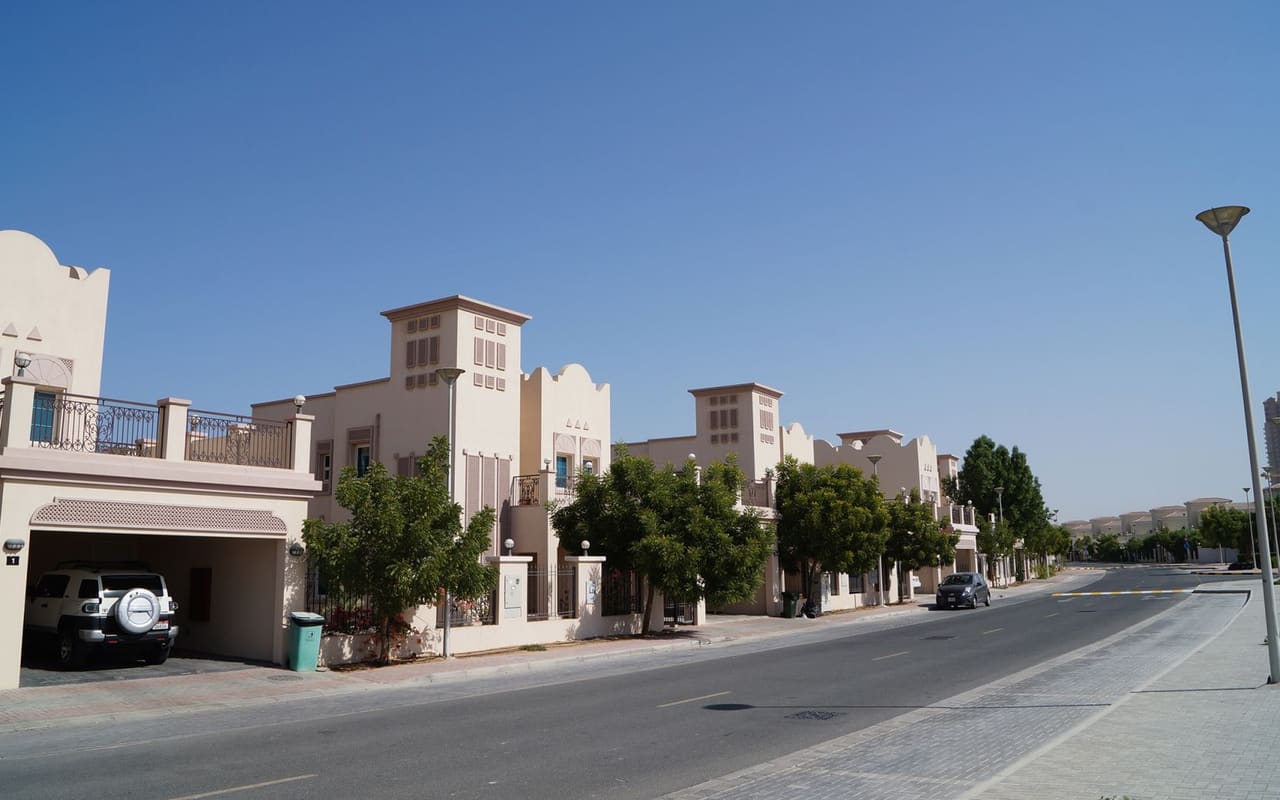
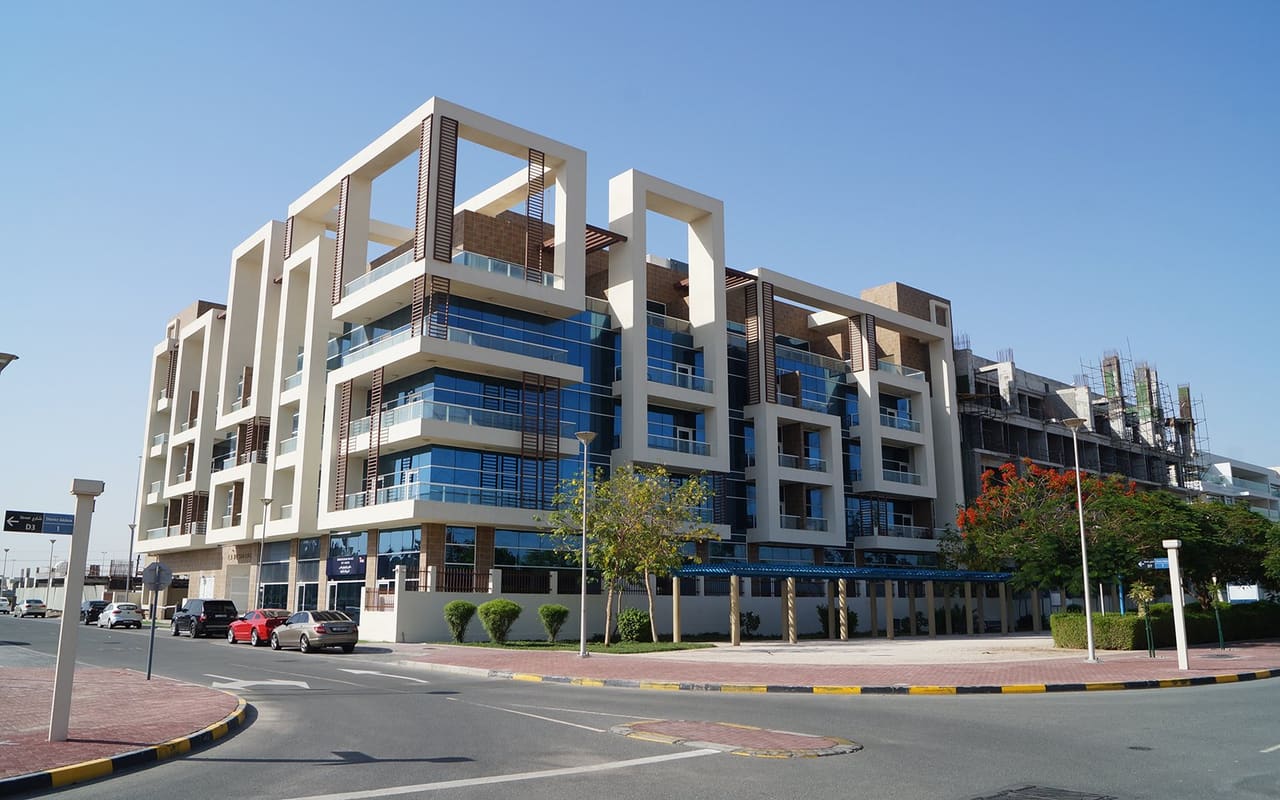
JVT is predominantly low-rise and villa-and-townhouse led, with a smaller number of apartment buildings inserted into it. That mix attracts families and long-stay tenants rather than the transient single-occupancy market that dominates the towers next door.
For a landlord that means longer tenancies and fewer competing units at renewal — the two things that actually determine net return in a mid-market district. It also means a smaller pool of tenants at any given moment, so a badly priced unit sits longer.
Is road access the real asset?
Road access is the district's real asset: it sits on the Sheikh Mohammed Bin Zayed and Al Khail corridors, which is why tenants working across the southern half of the city choose it.
Talk to a licensed broker: WhatsApp +971 50 120 32 64 · Telegram
What is the trade against JVC?
JVC gives you liquidity: more transactions, more comparables, faster resale, and a lower entry price. JVT gives you scarcity: fewer competing landlords and a steadier tenant, at the cost of a thinner market when you want out.
Neither is the better district in the abstract. The question is what your holding period is. A five-to-ten-year hold rewards JVT's stability; a shorter horizon that depends on resale rewards JVC's depth.
What both share is the absence of an anchor — no metro station, no beach, no employment centre inside the district. Demand is built by the building, which is why developer quality and service charge decide the outcome here more than location does.
Who actually rents in JVT?
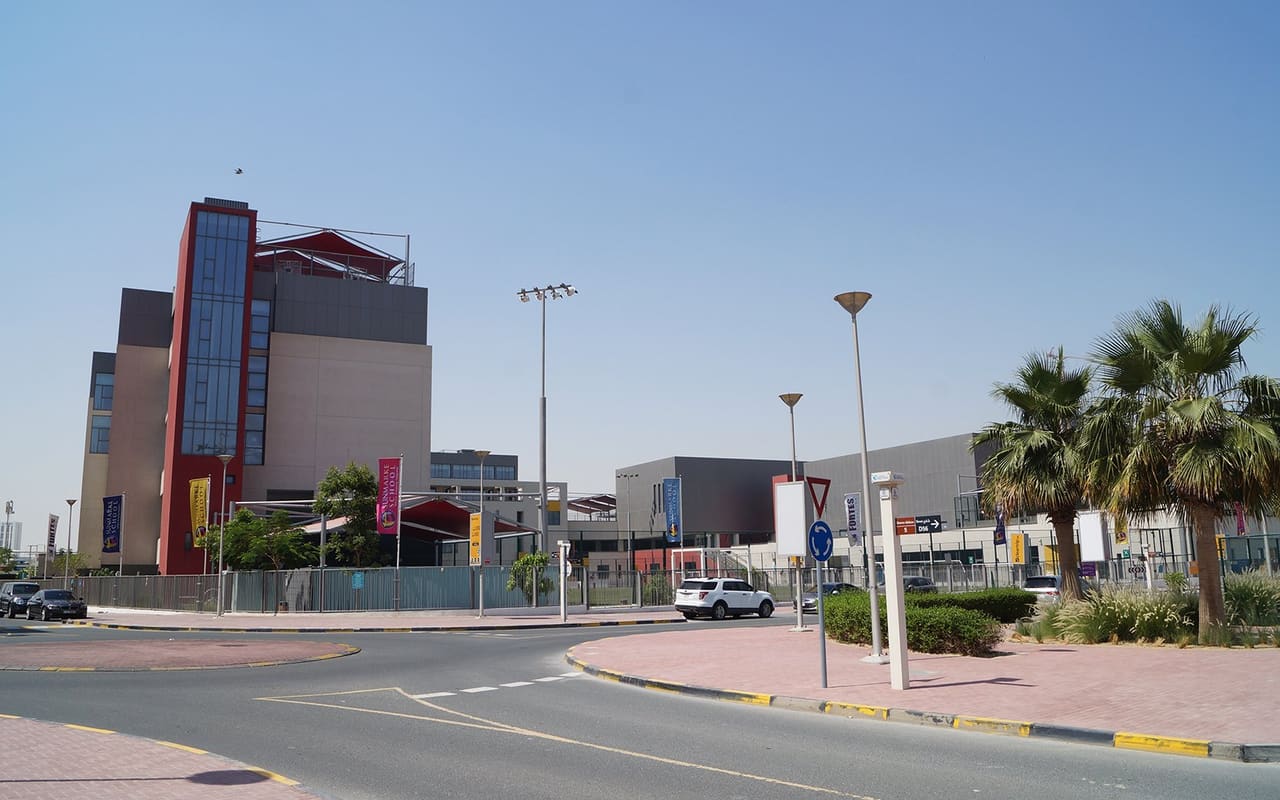
Two pools. Young professionals and couples working in the Marina, JLT and Media City, for whom the Marina has become expensive and JVT offers comparable access for less; and small families choosing the district for quiet streets, greenery and schools nearby.
The district grew up as low-rise and family-led, and that inheritance shapes the audience for its newer apartment buildings. A tenant arriving here has usually rejected a tower district on price and is looking for something that feels residential rather than central.
The transport caveat is honest and specific: JVT runs on cars, and there is no metro station within walking distance. That removes a slice of the tenant pool, and it needs to sit inside your rent forecast and your expected time on the market rather than being discovered later.
What will this tenant not pay for?
Design flourishes. Nobody in this segment pays a premium for a feature wall, and the money spent on one does not come back in the rent.
What they punish, with a negotiation or a departure, is the absence of the basics: a parking space included in the rent, a gym and pool that actually work, a supermarket within walking distance, and a management company that answers the phone.
Furnish it, and furnish it neutrally. A furnished unit lets faster here, but the correct budget buys hard-wearing and unremarkable rather than photogenic — the set has to survive three tenancies, and the third tenant is the one who decides whether it was worth it.
Which layout should you buy here?
Efficiency of the square metre decides it in this segment. A studio with a properly planned sleeping alcove and a full kitchen lets about as well as a small one-bedroom and costs noticeably less, which makes the budget easier and the tenant faster to find.
One-bedrooms are the workhorse: the deepest demand, the clearest resale audience and the steadiest rent. Two identical floor areas can differ substantially in usable space depending on how much of it the corridors take, so compare plans rather than the headline size.
A balcony helps and does not decide anything — the tenant here pays for the living room, not the open area. A closed kitchen and real storage widen the audience to family tenants, which is the cheapest way to shorten a void in this district.
Why does the affordable segment pay better?
Because the rent falls more slowly than the price as you move down the market. A moderate entry price against a rent the district's tenants genuinely pay produces a higher yield than a central tower does, and the tenant pool is wider rather than narrower.
Developer payment plans lower the entry threshold further, which is the other half of the appeal: the same capital covers a deposit here and nothing at all in a prime district.
The offsetting risk is competition from new supply rather than from a lack of tenants. In a district still filling in, the building that lets is the one whose service charge and management hold up after three years — which is why the checks in this section matter more than the launch discount.
What should you check on a specific project?
The developer's delivered buildings. Tiger Group has a long run of completed projects in Dubai, and that record — not the render — is the product in an off-plan purchase.
Service charge per square foot with a comparable from a delivered building. In a mid-market district this is the single largest controllable drag on return.
And the surrounding plots: what is approved next door, and what the parking situation will be once it is built. In low-rise districts the street outside is part of the product, and it is the first thing new construction takes away.
Frequently asked
What is the difference between JVT and JVC?
JVT is lower-rise, more villa and townhouse led, and carries a fraction of JVC's apartment supply. That means longer tenancies and less competition at renewal, against a thinner resale market and fewer comparable sales.
Who rents in JVT?
Mostly families and long-stay tenants working across the southern half of the city, drawn by the road corridors and the quieter, lower-density streets. It is not a short-let district.
What decides return in districts like this?
The building, not the location — developer quality, service charge per square foot, lift and parking provision, and layout. There is no metro station or beach to carry demand, so each tower generates its own.
✍️ Message me on WhatsApp for a free consultation — off-market stock, payment plans and honest numbers on any of the projects covered here.
✅ Subscribe on YouTube — investment, property, business and relocation in the UAE and beyond.


Below market in JVT right now
From the daily off-market feed. Availability and price are confirmed on request.
All below-market listings →