
 −13% Illustrative photo
 Al Ghadeer
On the Abu Dhabi–Dubai border: the cheapest entry point in the emirate, aimed squarely at people who work in one and live in the other.
- lowest entry price in the UAE
- cross-border commuters
- yield-focused holds
Indicative gross yield 8.6% per annum, before costs
Entry price $145K AED 532,513 · for a studio
Format Apartments apartments
Regulator DMT Dept. of Municipalities & Transport, Abu Dhabi
What this district is actually like
Where it is and why that is the point
Al Ghadeer sits directly on the boundary between the emirates of Abu Dhabi and Dubai, on the E11 highway corridor between the two cities. It is closer to Dubai’s southern districts than to central Abu Dhabi.
That position is the entire proposition. Residents can reach Dubai South, Jebel Ali and the Expo corridor in a reasonable drive, while paying Abu Dhabi border prices — which are the lowest of any developed community in either emirate.
The community is developed by Aldar and delivered in phases, with townhouses, villas and apartment buildings across a large low-rise site.
The cross-border tenant
This is a specific and durable demographic: households where one or both earners work in Dubai’s southern industrial, logistics and aviation corridor, and where Dubai rents are unaffordable relative to those wages.
For that tenant, Al Ghadeer is not a compromise — it is the rational answer. The drive to Jebel Ali or Dubai South is shorter than the drive many Dubai residents make from the northern emirates.
It also draws from the Abu Dhabi side: workers in the industrial zones along the corridor and at the airport.
That base is stable and price-driven, which produces reliable occupancy and firm resistance to rent increases.
The product
A mix of apartments, townhouses and villas, all low-rise, arranged around landscaped courtyards, pools and community facilities.
Specification is entry-level and functional. Aldar is a competent, government-linked developer and delivery has been reliable, but this is the affordable end of its range and the finish reflects that.
Community retail, nurseries and everyday amenity operate inside; for anything substantial residents drive.
What to weigh
Isolation. Al Ghadeer sits between two cities and is close to neither centre. There is essentially nothing around it except highway and desert.
No public transport of consequence. Every household needs a car, usually two.
The tenant base is concentrated on the cross-border commuter, which is durable but narrow. Anything that changes the economics of that commute changes the demand here.
Capital growth is limited. Land is abundant along this corridor and there is no scarcity to price.
What to check
The freehold designation for the specific unit under Abu Dhabi rules.
Which phase, since Al Ghadeer has been delivered over many years and the phases differ in age and specification.
The service charge relative to the achievable rent — in a low-rent community this ratio is what determines whether the investment works.
Realistic drive times to wherever the tenant would work, at the hour they would drive.
The state of the shared amenity, which is where funding shows in affordable communities.
Who it suits
A yield investor who understands and believes in the cross-border commuter demographic, and wants the lowest entry price available in the UAE for a delivered, managed community.
A household working in the Dubai southern corridor that cannot justify Dubai rents.
It suits poorly anyone needing to be near either city centre, anyone expecting appreciation, and anyone who has not driven the route.
The border position in practical terms
Al Ghadeer straddles the administrative boundary between the two emirates, which produces one genuinely unusual feature: the community is in Abu Dhabi for ownership and regulation, but its economic gravity is towards Dubai.
From here, Dubai South, Expo City and Jebel Ali are a shorter drive than central Abu Dhabi is. For a household working in that southern Dubai corridor, this is not a compromise location — it is closer to the office than most of Dubai’s own residential districts.
Abu Dhabi ownership rules apply, which means the community sits inside a designated investment zone and freehold is available to foreign buyers on Abu Dhabi terms.
Registration, service charges and the owners association therefore operate under Abu Dhabi’s Department of Municipalities and Transport rather than under the Dubai Land Department, and the process differs in detail from what a Dubai buyer expects.
What Aldar built here
Al Ghadeer has been delivered in phases over more than a decade, and the phases differ. The earliest are low-rise apartment blocks and small townhouses at the most affordable end; later releases added larger townhouses and villas with better specification.
The overall standard is entry-level and functional — this is the bottom of Aldar’s range — but the delivery has been reliable and the community management works, which at this price point is worth more than a better kitchen.
Community retail, nurseries, pools and landscaped courtyards operate inside, and the community is genuinely self-sufficient for daily needs.
Establish which phase a listing belongs to. The gap in age, specification and price across the community is substantial and a single average tells you nothing useful.
The risk that is specific to this location
Al Ghadeer’s demand rests on one thing: the economics of commuting into southern Dubai from just over the Abu Dhabi border. That is a durable arrangement while Dubai rents stay high relative to wages in the logistics and aviation corridor.
It is also narrow. New affordable supply in Dubai South, Jebel Ali or the surrounding corridor competes directly, and it competes without the border in the middle.
There is essentially nothing else around Al Ghadeer — no employment base of its own, no destination amenity, no alternative tenant pool.
So the honest framing is a high-yield, low-growth income asset whose demand depends on a specific price differential holding. Buy it for cash flow, size it accordingly, and watch what gets built in Dubai South.
The community by the numbers
The community is developed by Aldar. The masterplan runs to three or four phases over roughly fifteen years; phase two, with 682 homes, launched six months after the first. The formats span studios to three-bedroom apartments, two-to-three-bedroom townhouses and three-to-five-bedroom villas, and the zone is freehold — a foreign buyer takes full title.
The Expo site in Dubai South is about a quarter of an hour away, Al Maktoum International Airport twenty minutes, Ibn Battuta Mall thirty and central Dubai thirty-five to forty.
Inside the community there are the British Oak Montessori nursery, the Al Ghadeer Medical Centre, a pharmacy, a supermarket, cafes and mosques. The nearest large mall is Sapphire Mall, a quarter of an hour away.
What we have in Al Ghadeer
9 units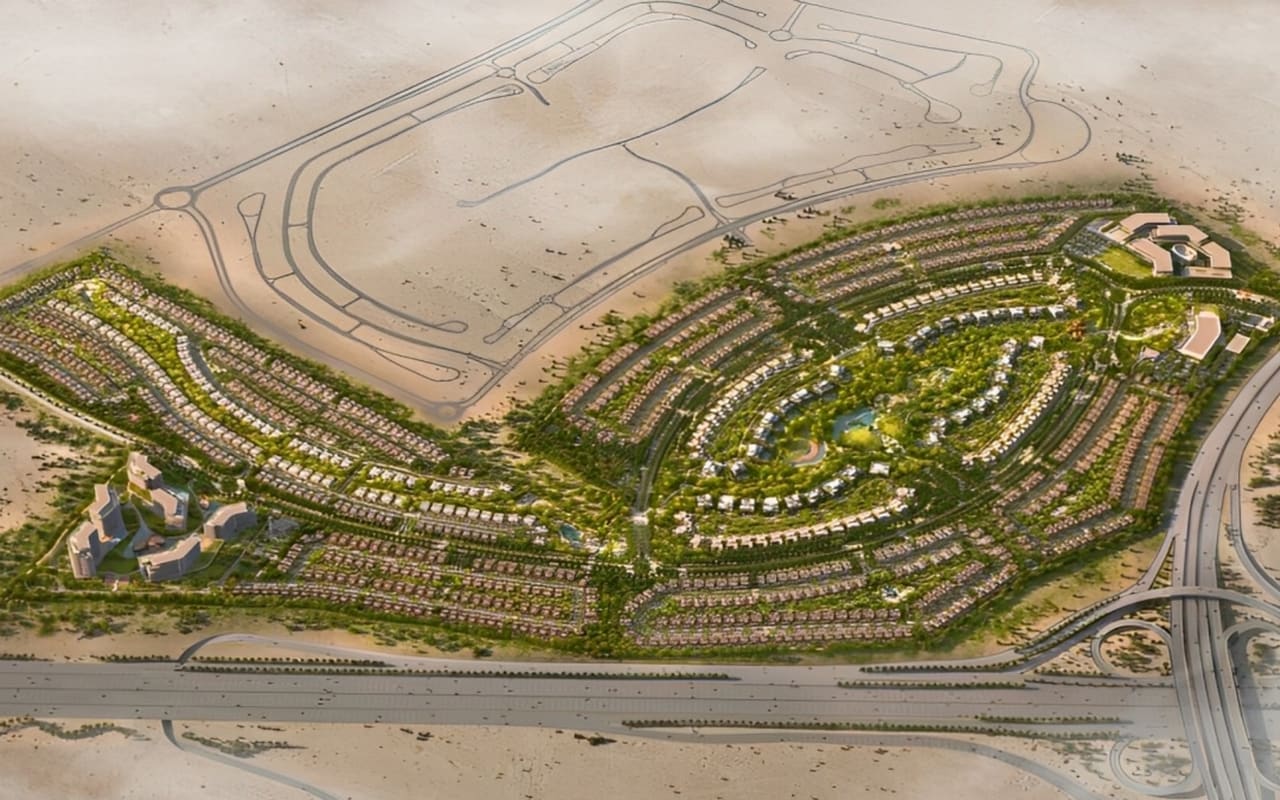
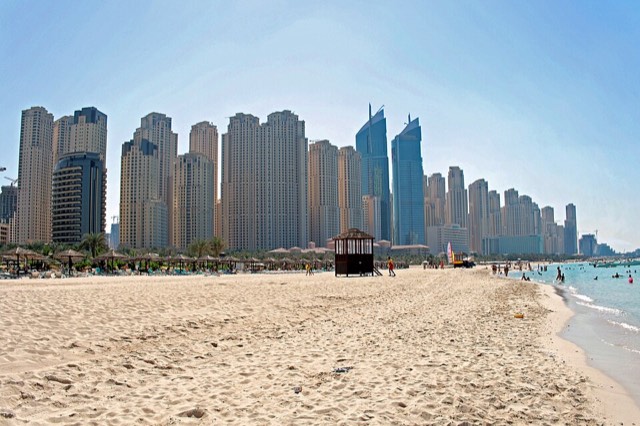
Projects in Al Ghadeer
Full catalogue →Video
Abu Dhabi on camera
Films from the channel about the emirate. They are not cut by district — the market, the islands and the ownership rules are the same conversation across all of them — so the rail is the emirate's rather than this district's.
Full reviews


Questions about Al Ghadeer
Where is Al Ghadeer?
Directly on the Abu Dhabi–Dubai emirate boundary on the E11 corridor, closer to Dubai’s southern districts than to central Abu Dhabi. It is aimed at households working in Dubai South, Jebel Ali and the Expo corridor.
The yield and entry price shown above are indicative figures for comparing districts against each other, drawn from market summaries rather than calculated from our own inventory the way the Dubai numbers are. They are not a valuation of any specific property and they are not investment advice. Foreign freehold ownership in Abu Dhabi is available only within designated investment zones — confirm the designation for any specific property before proceeding.
In the news
Abu Dhabi 2040: a doubling population, AED 240bn of infrastructure and the transport pipeline
Abu Dhabi expects its population and GDP to double by 2040; the emirate had 4.14m residents at the end of 2024. AED 240bn is earmarked for housing, transport, health and schools. The widely quoted "6 million by 2040" is not an official figure. What is actually being built.
Hafeet Rail: the UAE–Oman railway, Abu Dhabi to Sohar in 100 minutes, and 40% built
Hafeet Rail is a $2.5bn joint venture between Etihad Rail, Oman Rail and Mubadala: 238km from Abu Dhabi through Al Ain to the Omani port of Sohar. The passenger service will run at up to 200km/h; as of spring 2026 the line was 40% complete, and Oman ratified the agreement in September.
Zayed International Airport, Abu Dhabi: Terminal A, a record 32.5m passengers, and what it did for Yas Island and Al Raha
Terminal A at Abu Dhabi’s airport opened in November 2023 after years on hold: 742,000 sq m, capacity for 45m passengers a year. Renamed Zayed International in February 2024, it handled a record 32.5m passengers in 2025 (+12.8%). What that means for housing on Yas Island and in Al Raha.
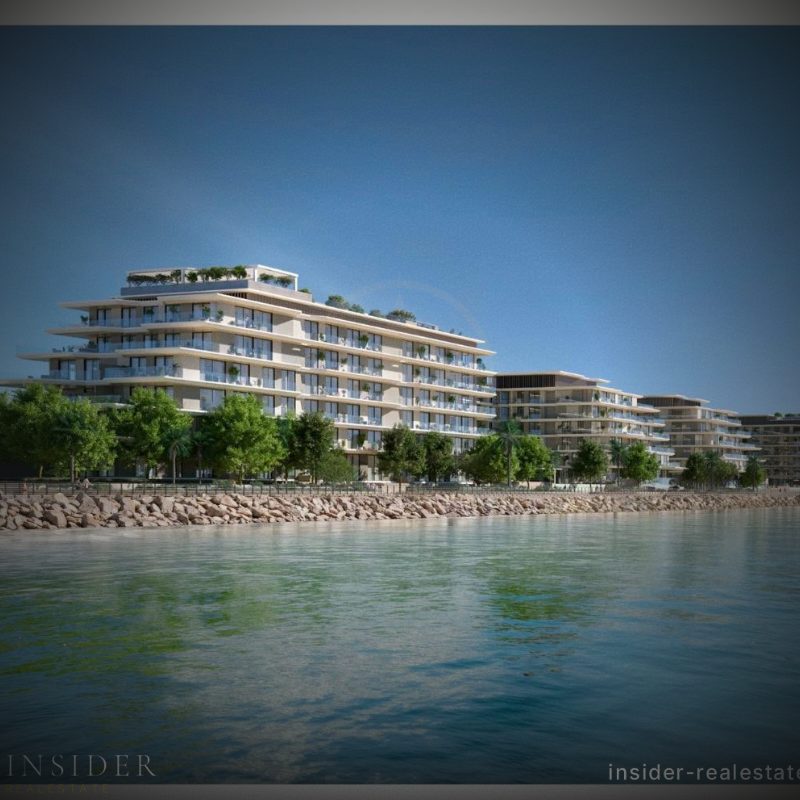
Hudayriyat Island, Abu Dhabi: Modon’s masterplan, Nawayef and Bashayer, and what people are actually buying
Hudayriyat is a 3,000+ hectare island off Abu Dhabi’s southern shore that state developer Modon is turning into a sports and residential district. Nawayef Village’s 378 townhouses (about AED 2bn) sold out on launch day; Bashayer sold roughly AED 3bn in a day in December 2025.
UAE's New Oases: How Dubai and Abu Dhabi Are Turning the Desert Green
Dubai ecotourism and green communities: Al Layan Oasis in Al Marmoom, Expo Valley Nature Reserve at Expo City Dubai, Hudayriyat Island in Abu Dhabi and Kalba in Sharjah. What is being built, when it opens and why nature is becoming part of UAE real estate.
Saadiyat Beach Ranks in the World's Top 20: Abu Dhabi Beats Famous Resorts
Saadiyat Beach in Abu Dhabi is No. 19 in The World's 50 Best Beaches 2026. Why Saadiyat Island made the list of the best beaches in the world, and how the Louvre, a marine reserve and luxury resorts are turning it into Abu Dhabi's main tourism hub.
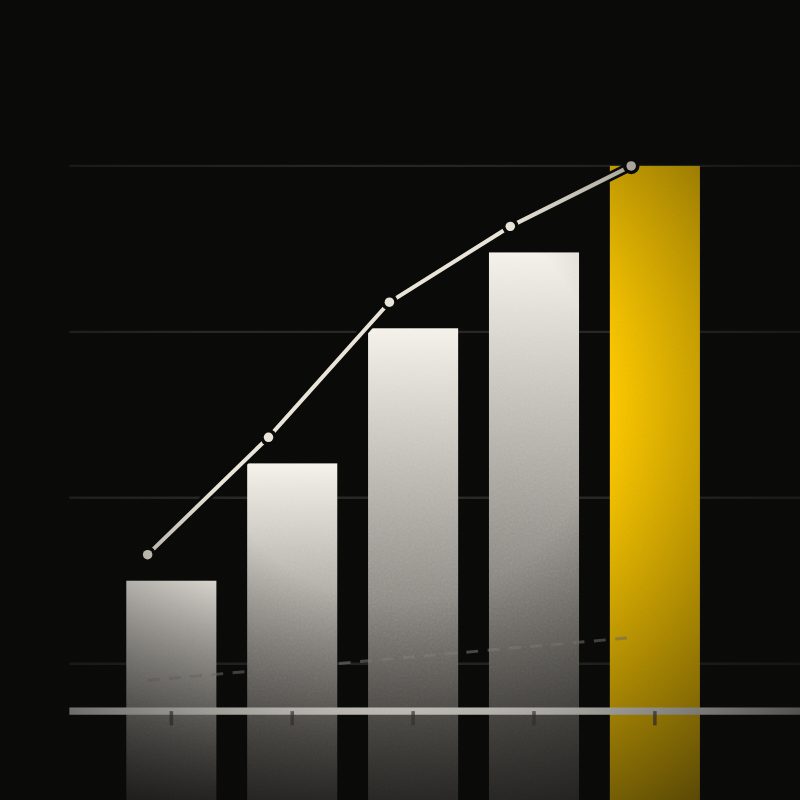
Abu Dhabi property market 2026: AED 117bn in six months and a run of ADREC records
ADREC data: AED 117bn of transactions in H1 2026 (+112%), AED 86.1bn of sales and AED 13.8bn of foreign direct investment (+309%, more than all of 2025). Full-year 2025 was a record AED 142bn. What sits behind the numbers.
Al Maryah Island apartments: W Residences Abu Dhabi, the capital’s first W-branded homes, due in 2027
W Residences Abu Dhabi is the first W-branded residential project in the UAE capital, on the financial district of Al Maryah Island. Developer Taraf (Yas Holding) broke ground in January 2025 with Marriott; 1–4 bed apartments, duplexes and penthouses launched from AED 2.2m, with handover in Q4 2027.
Off-plan escrow in Dubai and Abu Dhabi: AED 500,000 fines for early marketing and EOIs only through Madhmoun
In June 2024 the Dubai Land Department fined three developers AED 500,000 each for marketing projects before registration and escrow. Since 16 February 2026 Abu Dhabi takes off-plan EOIs only through ADREC’s Madhmoun platform and a government escrow. What it means for buyers.
Other apartment districts
All Abu Dhabi districts →Is Al Ghadeer the right call for you?
Tell me the budget and what the purchase is for — a percentage, a resale, or somewhere for the family to live. I will run it against the Dubai alternative at the same money and say plainly which side wins. It is often not the side people expect.
Ask on WhatsAppAsk a question
Telegram is the fastest way — I answer personally.
Message on Telegram