What Zayed City is
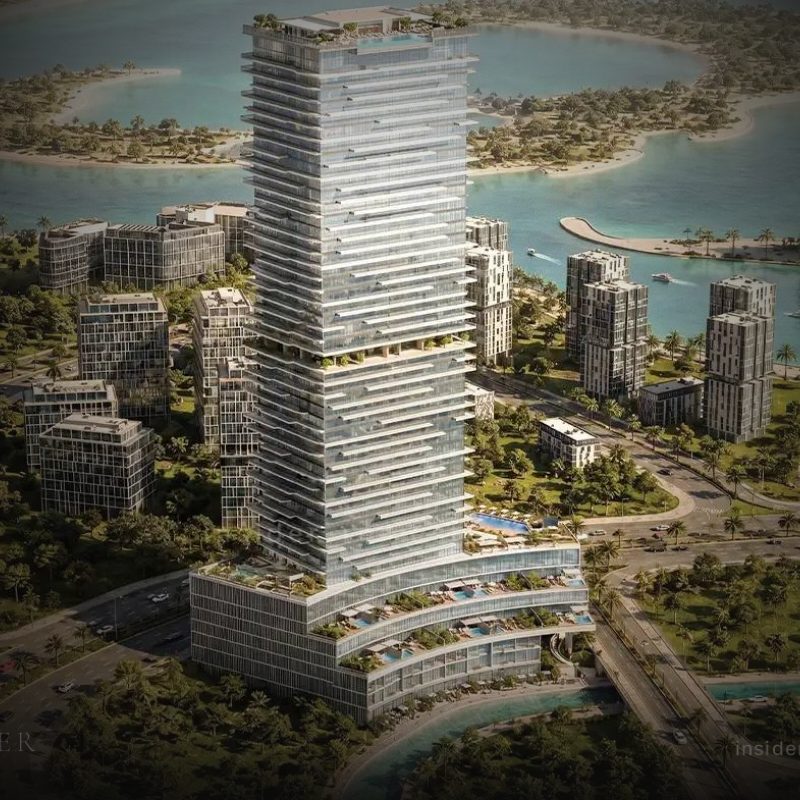
Zayed City is a large mainland masterplan conceived as a new urban quarter of the emirate under Abu Dhabi Plan 2030. Its historic name was New Khalifa City, which is where the confusion with neighbouring Khalifa City comes from.
The scale is serious: the plan plots for some 370 000 residents across villas, townhouses and apartments. This is a district the size of a city rather than a neighbourhood.
Its most visible part today is Bloom Living, built in a Mediterranean idiom — townhouses and villas around a lake, with their own schools and retail.
Judge it as a build-out with a horizon rather than as a finished environment. Some phases are delivered and occupied; a substantial part of the land is still being developed.
What the masterplan promises
The headline promise is transport: an integrated network of high-speed rail, regional rail connections and metro links.
Treat that the way you would treat any regional announcement — value what is built and hold the plans as possibility rather than as a basis for price. The distance between announced and operating is measured in years here.
The second promise is position. The district sits minutes from the airport on Al Khaleej Al Arabi Street, and that will not change regardless of how the build-out goes.
The third is the environment: parks, community centres, schools and clinics are in the plan from the start rather than retrofitted, as they are in districts that grew organically.
The investment case
The entry price is among the lowest of the emirate’s new-build districts, and that is the main argument. What buys a compact apartment on the islands buys a house here.
Market summaries put villa yields in the emirate’s affordable band, with rental demand supported by the airport and by proximity to the central districts.
The risk is the standard one for a phased masterplan: competition from the developer’s own next release. Each new phase comes with a payment plan attached and presses on the resale value of the last.
The horizon is correspondingly long. This is a purchase measured in years, not a quick repricing — the district has yet to grow into the environment it promises.
What to check
The ownership form for the specific property. Foreign freehold is available in designated zones, and whether your home falls inside one is established from the documents.
What is actually built and occupied around the plot today, versus what is drawn on the plan.
The phase and the timeline, which in a building community determines both the price and how many years you live beside a site.
The track record of the developer of your specific phase and its delivery history in the emirate.
The transport plans — as possibility, not promise. They should not be in today’s price.
Who it suits
A family wanting a new house at well below island prices; frequent flyers, given the airport minutes away; an investor with a long horizon prepared to wait while the district grows into its masterplan.
It suits poorly anyone who needs a finished environment now, anyone expecting a quick resale while new phases compete with them, and anyone buying for the promised metro rather than for the house.
The district by the numbers
The masterplan is drawn for roughly 370 000 residents, making it one of the largest projects under Abu Dhabi Plan 2030.
The international airport is five to ten minutes away on Al Khaleej Al Arabi Street, the beaches about twenty. The Sheikh Zayed Grand Mosque, Qasr Al Watan and Emirates Park Zoo are all nearby.
The announced transport network covers high-speed rail, regional rail connections and metro — all at the planning stage rather than in operation.
On entry pricing: apartments at Bloom Living started around AED 590 000 and villas from AED 2.2 million, with summaries putting yields in the district at six to seven per cent.