What Jebel Ali is
Jebel Ali is the industrial and logistics heart of Dubai: the region’s largest container port, the Jebel Ali Free Zone (JAFZA) with thousands of companies, and a vast industrial and warehousing hinterland.
Residential development is a secondary function here. What exists — Jebel Ali Village, the Downtown Jebel Ali towers along Sheikh Zayed Road, and staff accommodation — serves the workforce rather than a general market.
The economic scale is the point: JAFZA and the port account for a very large share of Dubai’s trade activity and employ an enormous number of people.
The residential offer
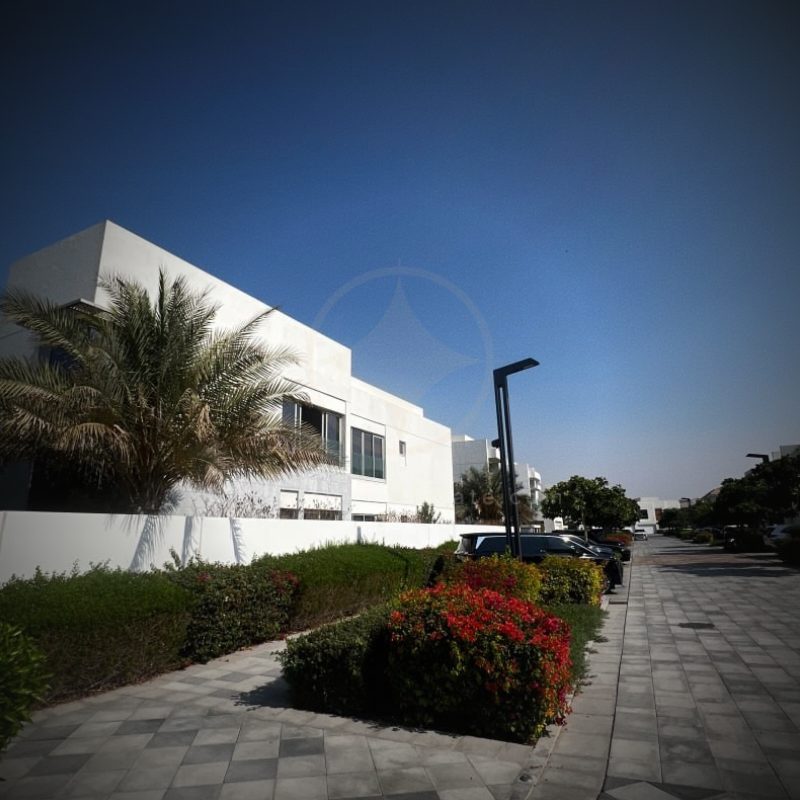
Jebel Ali Village is an older low-rise residential community that has been partially redeveloped by Nakheel with new townhouse product, and it is the most conventional housing in the area.
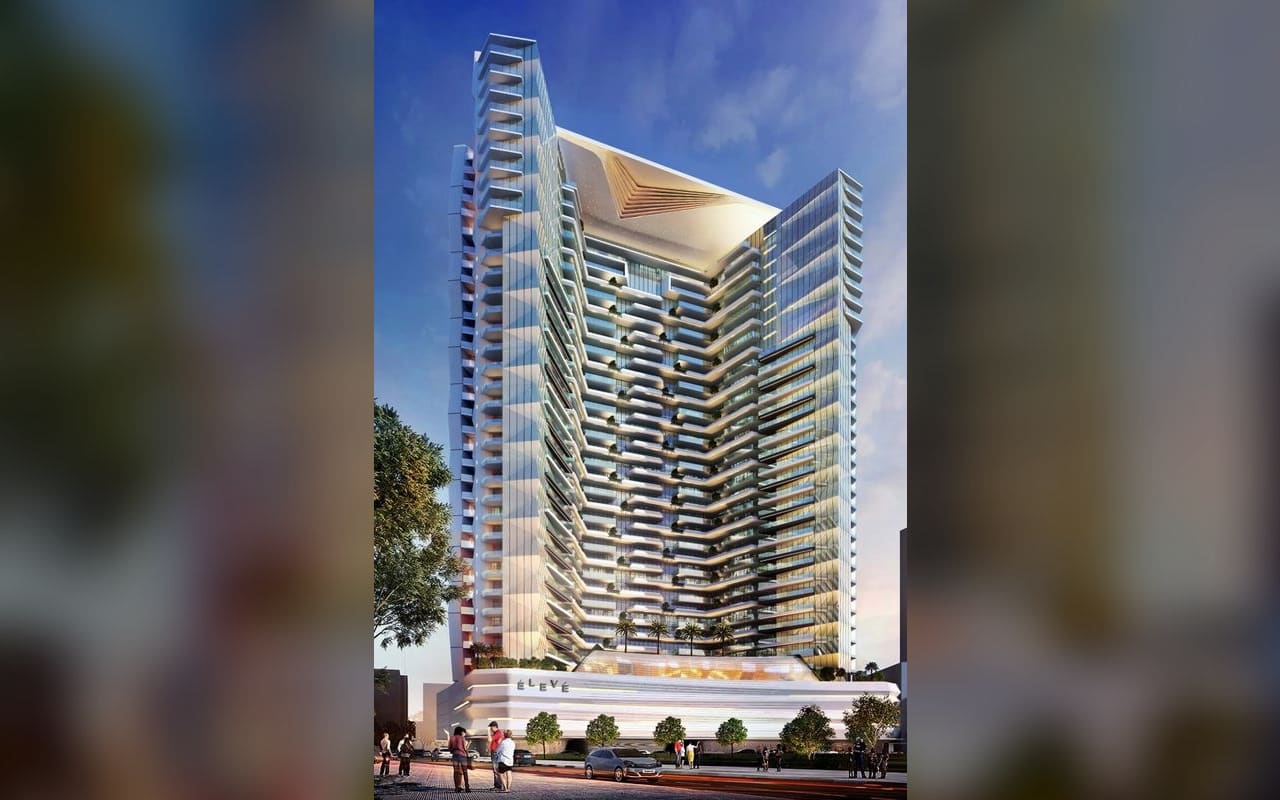
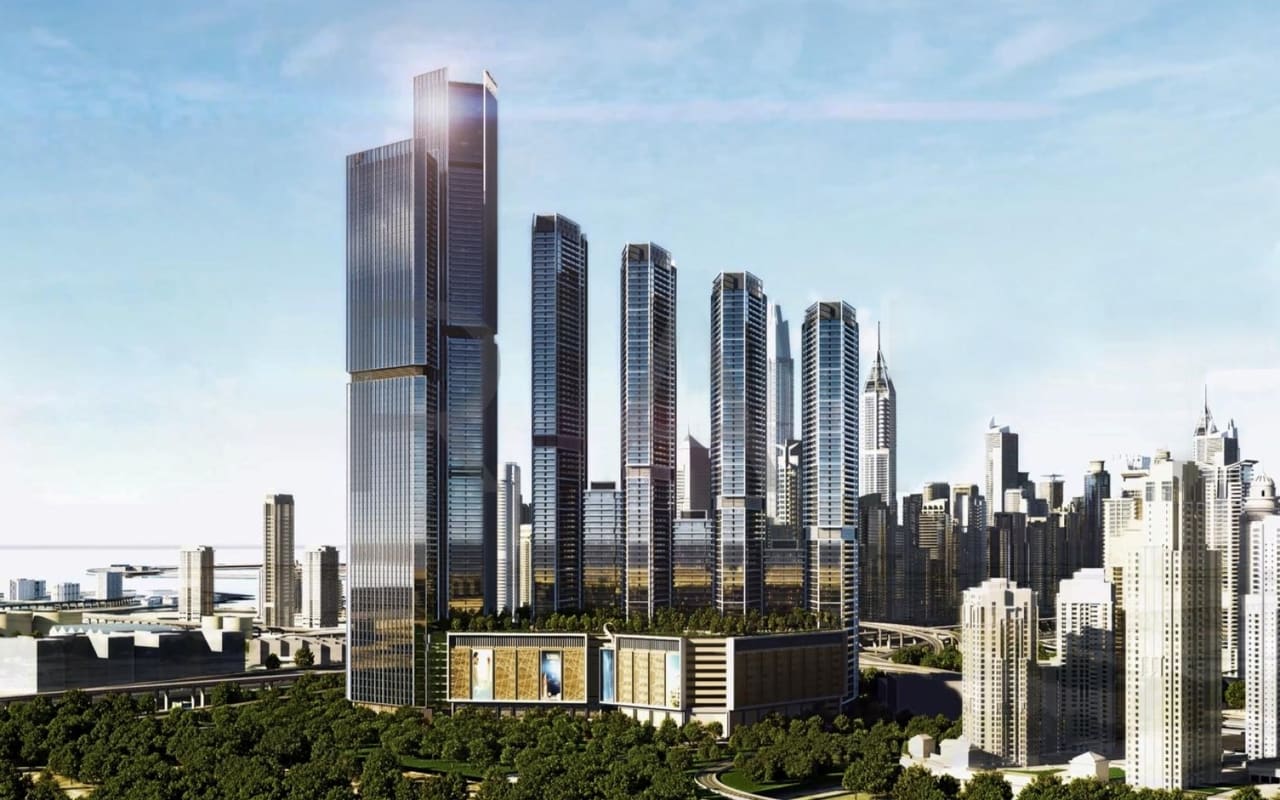
The Downtown Jebel Ali towers on the Sheikh Zayed Road frontage are apartment buildings serving free-zone professionals, at affordable price points.
Beyond that, much of the residential stock in the area is workforce accommodation rather than open-market housing.
Who rents here
Free-zone and port employees, logistics and industrial staff, and professionals working in the southern corridor who want to avoid a long commute.
That base is large and stable, tied to an economic activity that is not going anywhere.
It is also specific: this is not a district that attracts tenants from elsewhere in the city. Demand is local employment demand.
The commercial angle
For an investor prepared to look beyond residential, the Jebel Ali industrial and warehousing market is one of the largest and most active in the region, with genuine tenant demand from logistics, trading and manufacturing businesses.
That market has different mechanics: long leases, tenant fit-out, low churn and attractive yields, offset by lower liquidity and the need to understand permitted use, power supply and loading access.
It is a specialist market and it rewards specialist knowledge.
What to check
Whether the specific property is in a designated freehold area open to foreign ownership.
Proximity to industrial activity and the associated traffic, noise and air quality.
The realistic tenant profile for the specific building.
For commercial: permitted activities, power capacity, ceiling height and loading access.
Access routes and how they behave during port and free-zone shift changes.
Who it suits
An investor targeting the workforce rental market with a clear understanding of who the tenant is.
A commercial or industrial investor who understands the warehousing market.
It suits poorly a general residential investor looking for a broad tenant pool, and anyone wanting a residential environment — this is a working district first.
Jebel Ali Village and the redevelopment
Jebel Ali Village is the oldest residential settlement in the area, built in the 1970s for port and industrial staff and for decades one of the greenest, lowest-density places in Dubai — single-storey houses under mature trees, on plots that would be unthinkable today.
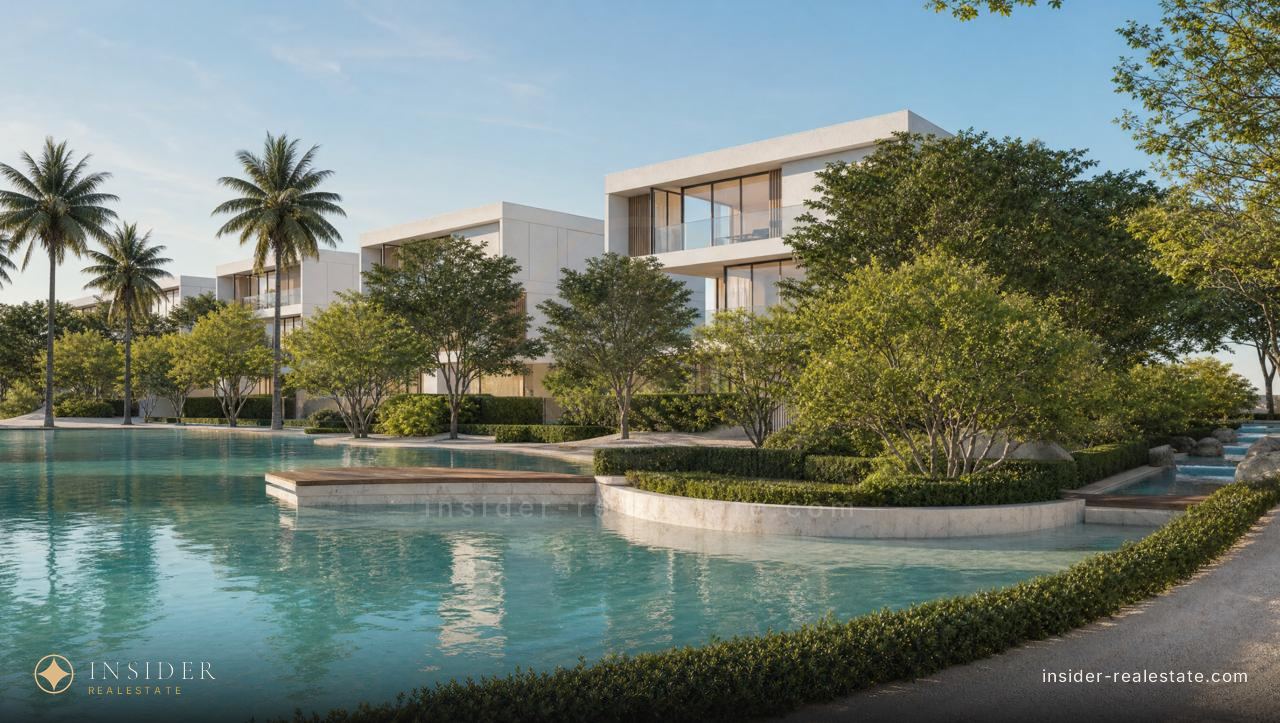
Nakheel has redeveloped much of it, replacing the original housing with contemporary townhouses while retaining the tree cover and the low-rise character. The result is a gated community with a genuinely unusual amount of mature landscaping for new-build Dubai.
That combination — new houses, old trees, freehold, and a location minutes from the free zone — is the most conventional residential proposition in the whole Jebel Ali area, and it prices accordingly.
For a buyer it is worth distinguishing clearly between the redeveloped community and the surrounding older stock. They are different products with different ownership positions and different resale markets.
The workforce accommodation market
A large share of the residential building stock around Jebel Ali is purpose-built staff accommodation serving the port, the free zone and the industrial hinterland. It is a real asset class with real returns, and it is not something a general residential investor should wander into.
The regulatory position is specific: labour accommodation is licensed, inspected and subject to occupancy standards, and the operating model is closer to facilities management than to letting an apartment.
Yields can be strong and demand is tied directly to industrial employment, which in Jebel Ali is enormous and stable. But liquidity is thin, the buyer pool is specialist, and financing is harder.
If a listing in this area looks unusually cheap per square foot, establish what it actually is before going further. Ordinary residential and staff accommodation are frequently advertised in the same search results.
What the port and free zone mean long term
Jebel Ali Port is the largest container facility in the region and JAFZA hosts thousands of companies. Between them they anchor a share of Dubai’s economy that is not going to relocate, and that makes the local rental demand about as structurally secure as anything in the emirate.
The corridor is also where Dubai keeps investing: the Route 2020 metro extension, the Expo City build-out and the Dubai South aviation programme all sit within a short drive.
What that does not do is create scarcity. There is a great deal of land in this corridor and supply responds quickly, so the return here comes from rent rather than from appreciation.
Buy it as an income asset tied to an employment base you understand, confirm the freehold designation for the specific property, and be clear whether you are buying ordinary residential or something more specialised.