
−12%
Azizi Riviera
Azizi Riviera Beachfront 1 BR · Apartment
1 688 500 AED
1 490 000 AED
2Q 2025 16 fl. 439 units
Lot NP1-476863
Fresh price cuts, last 7 days → Below comparables → Price-cut pulse → Longest on the market → By handover date →
Tap a district circle — every lot in it appears on the map.
1 446 live listings from direct verified sources — owners, inherited property, forced sales and bank repossessions. Below-market lots come first and carry a discount badge; lots without one are tagged "Market price". Listings are anonymised: full details on a specific lot go out on request.
Find something for my brief → 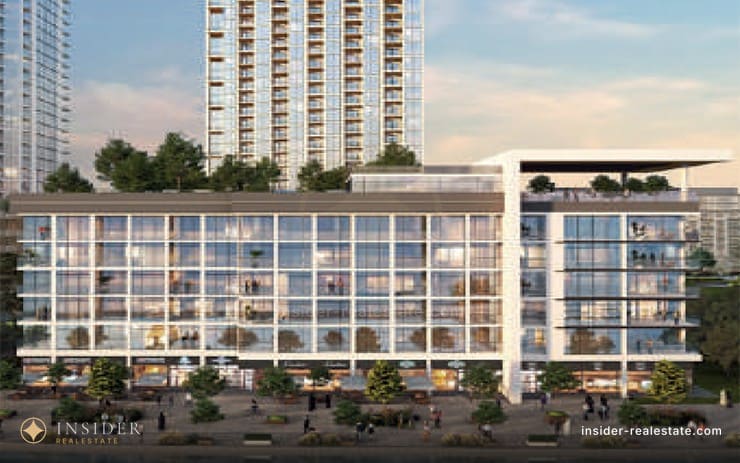
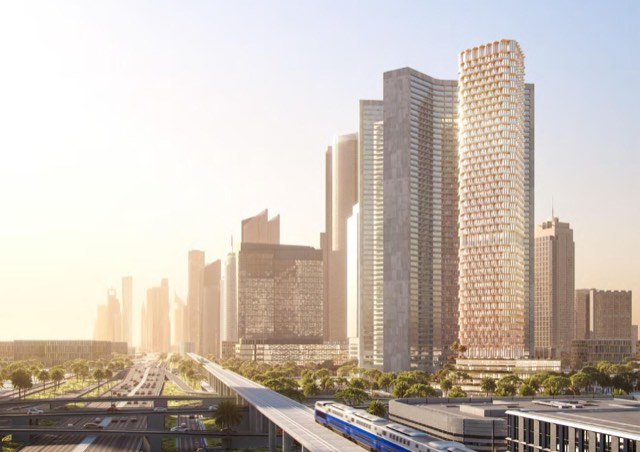

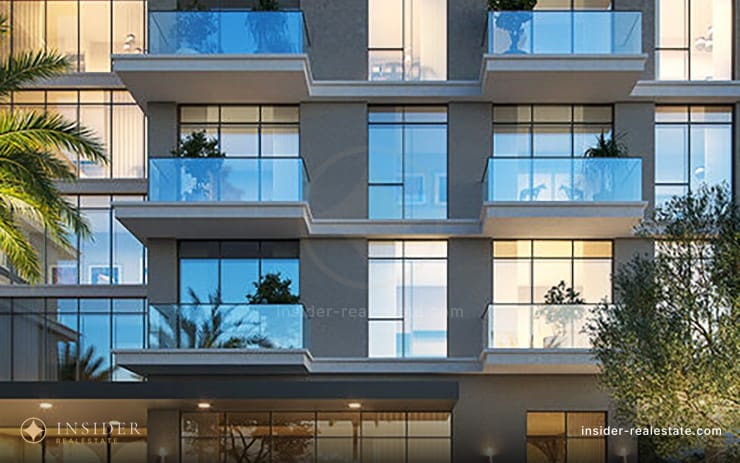
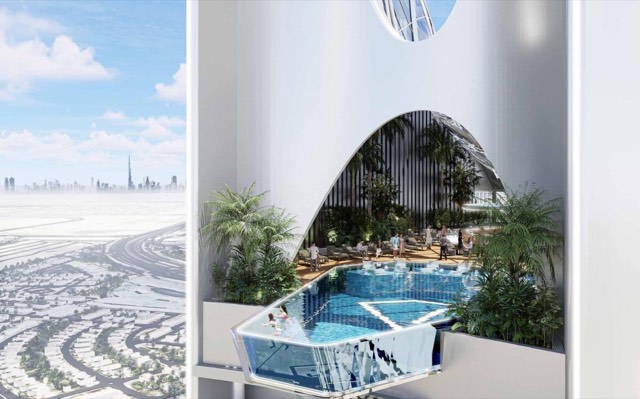
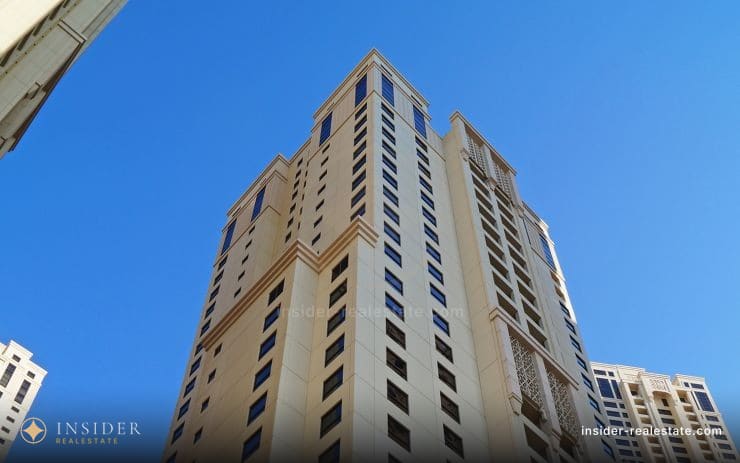
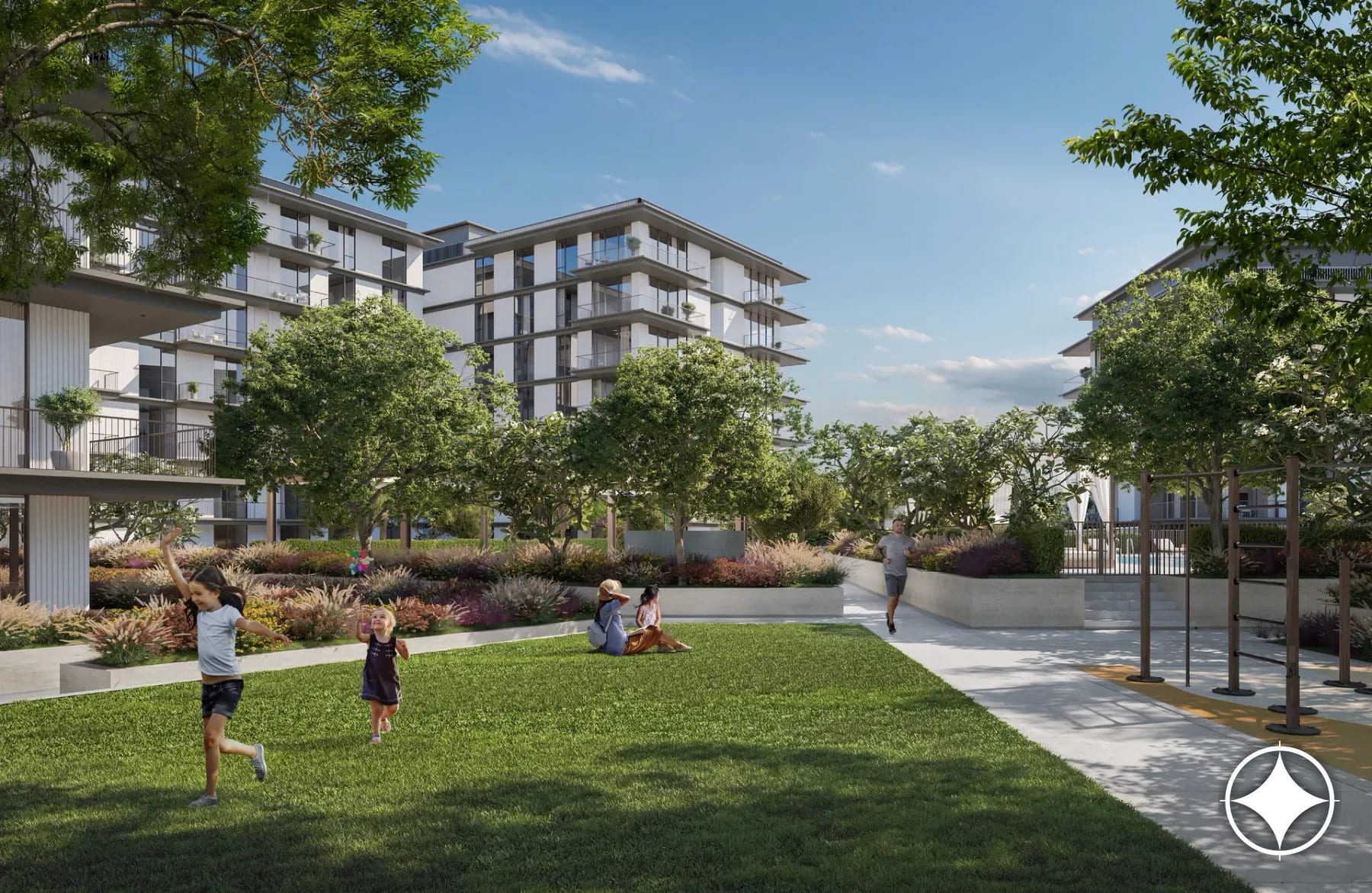 Photo from the listing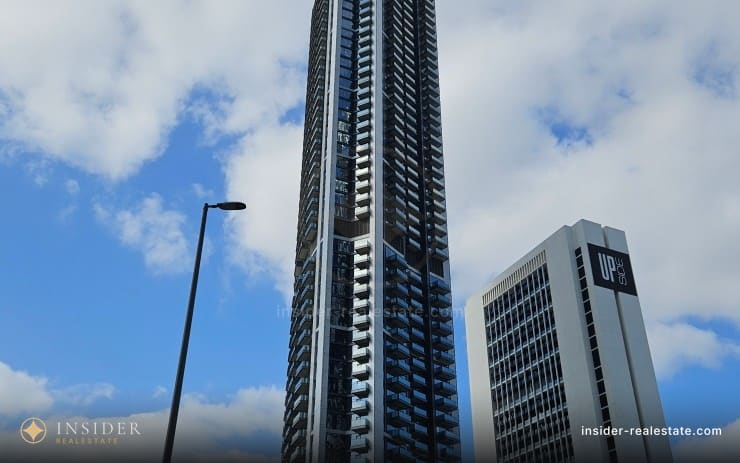
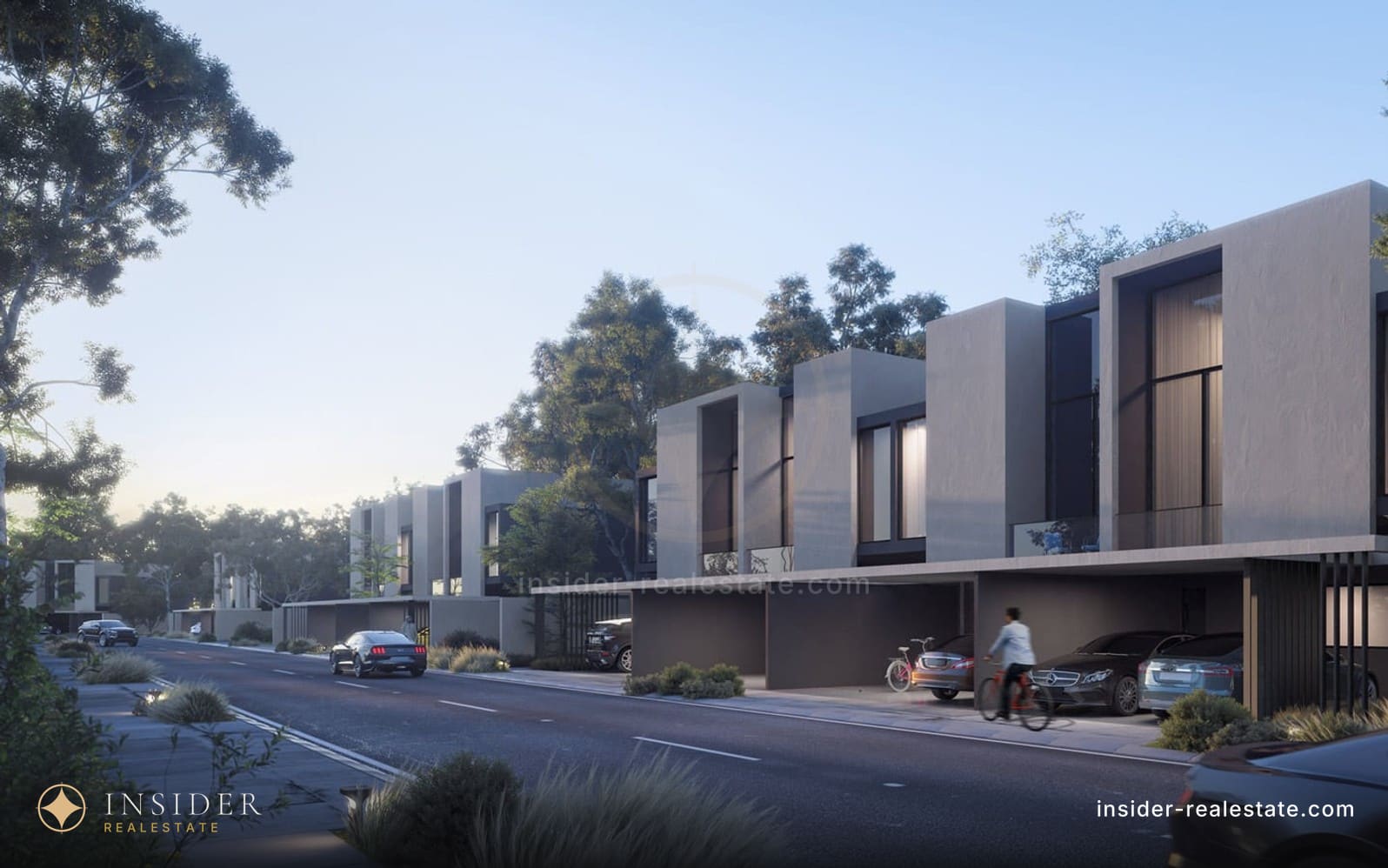
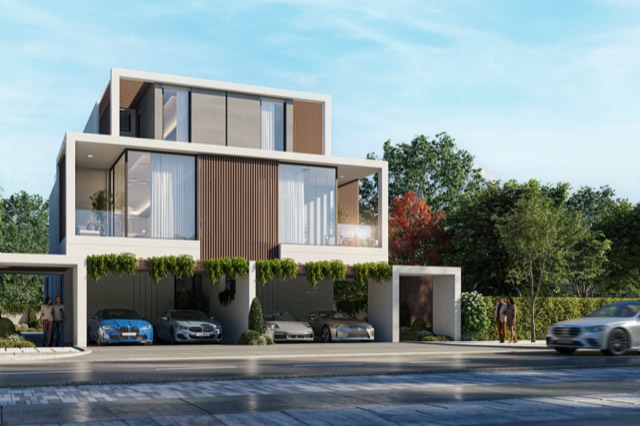
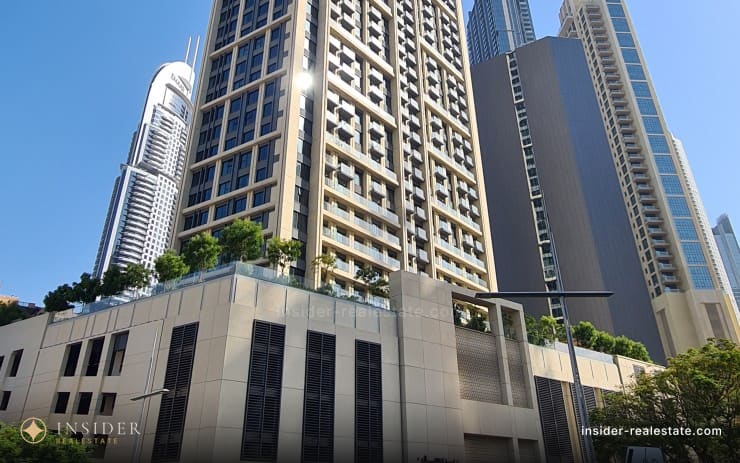
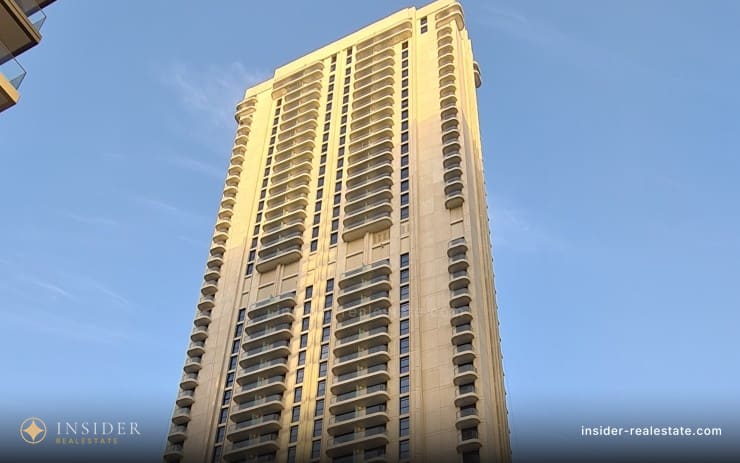
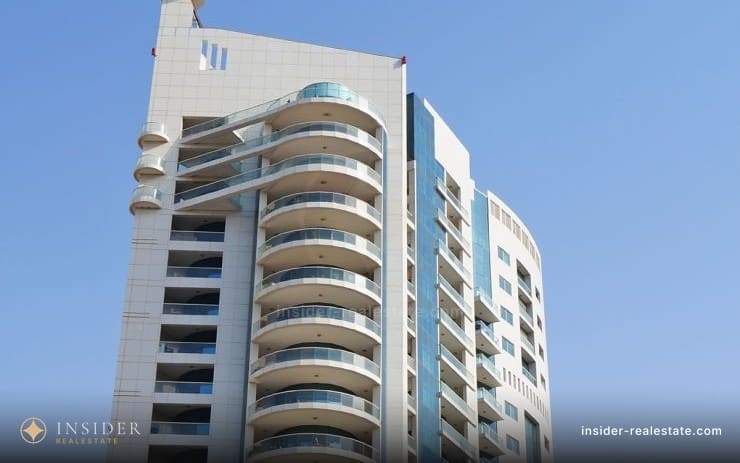
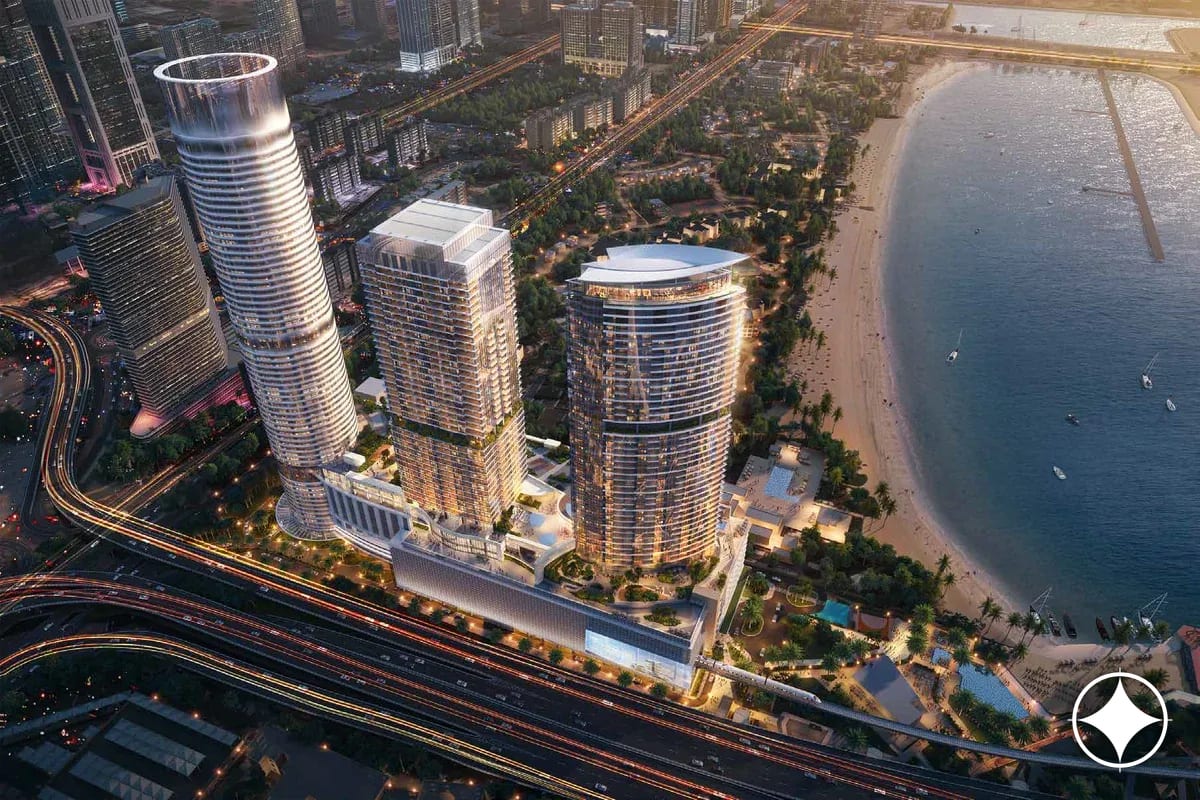 Photo from the listing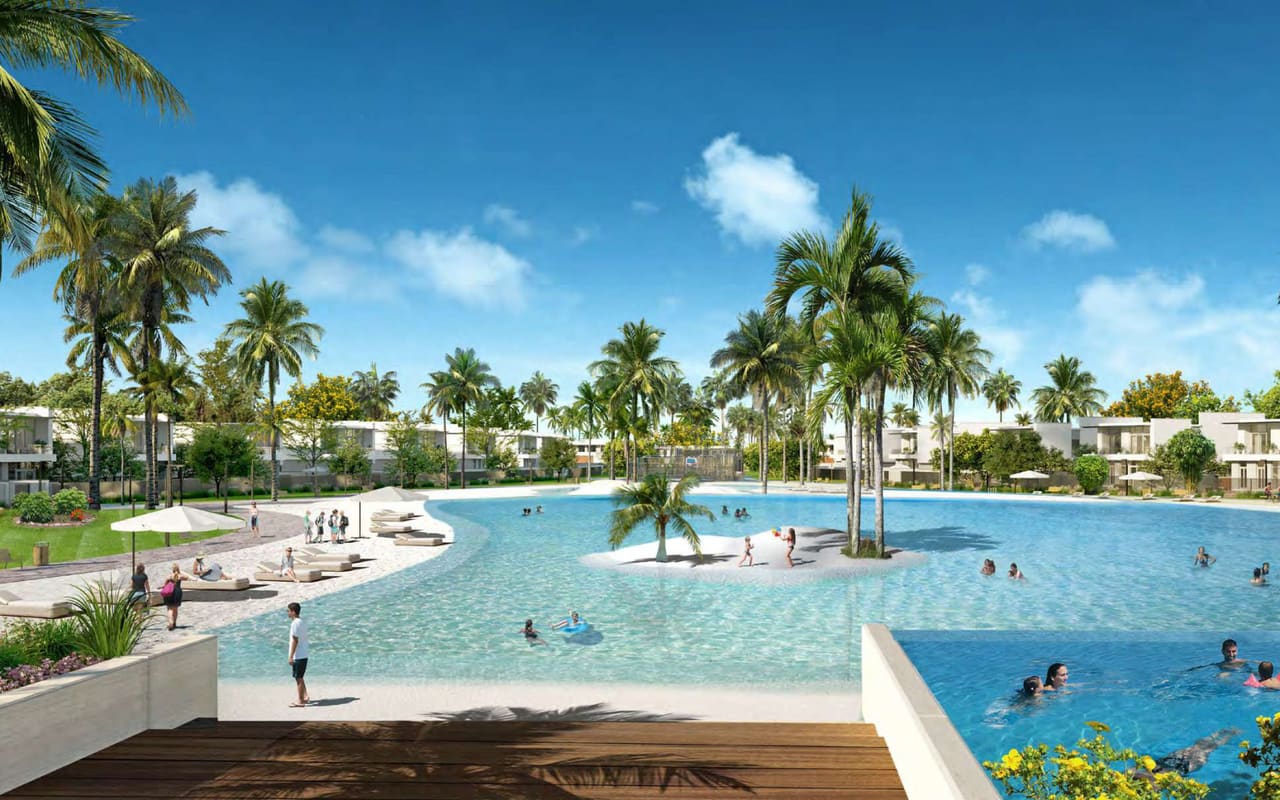
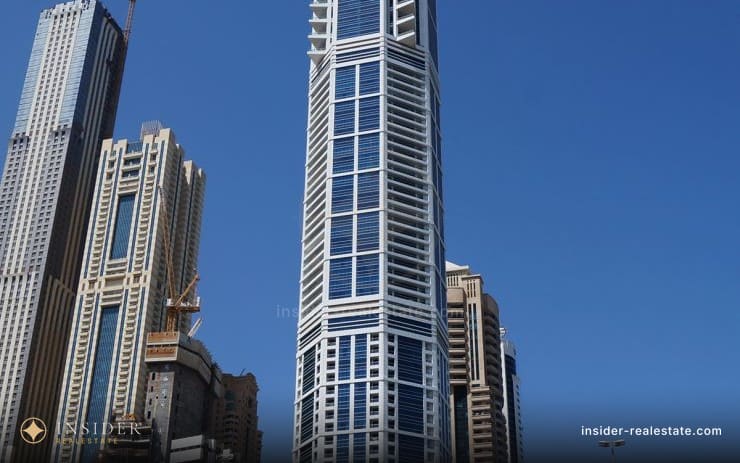
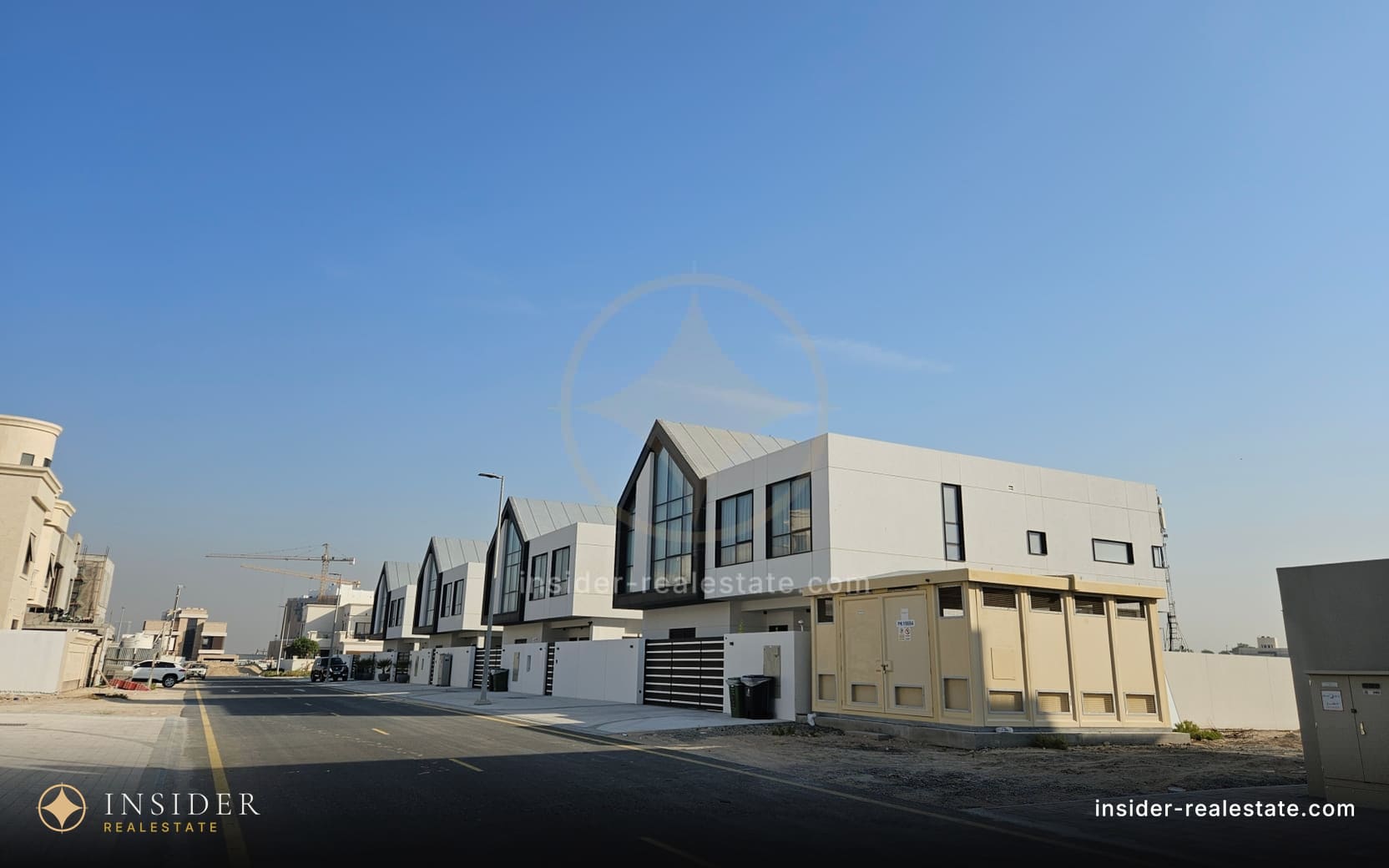
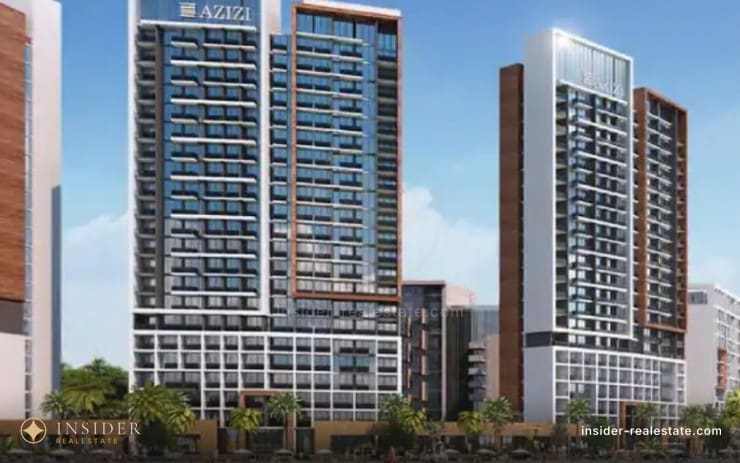
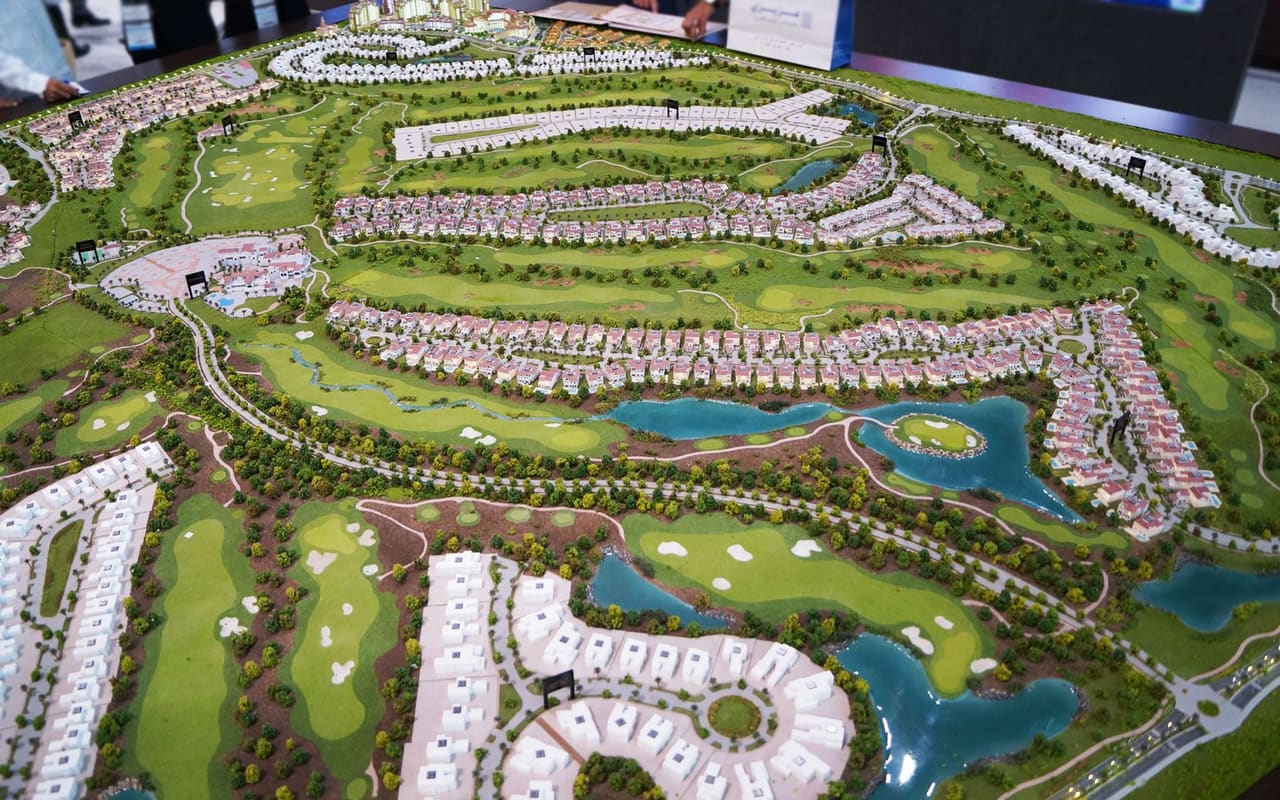 Photo of the community
 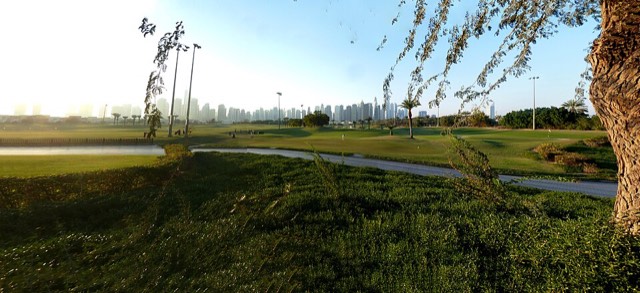 Illustrative photo
 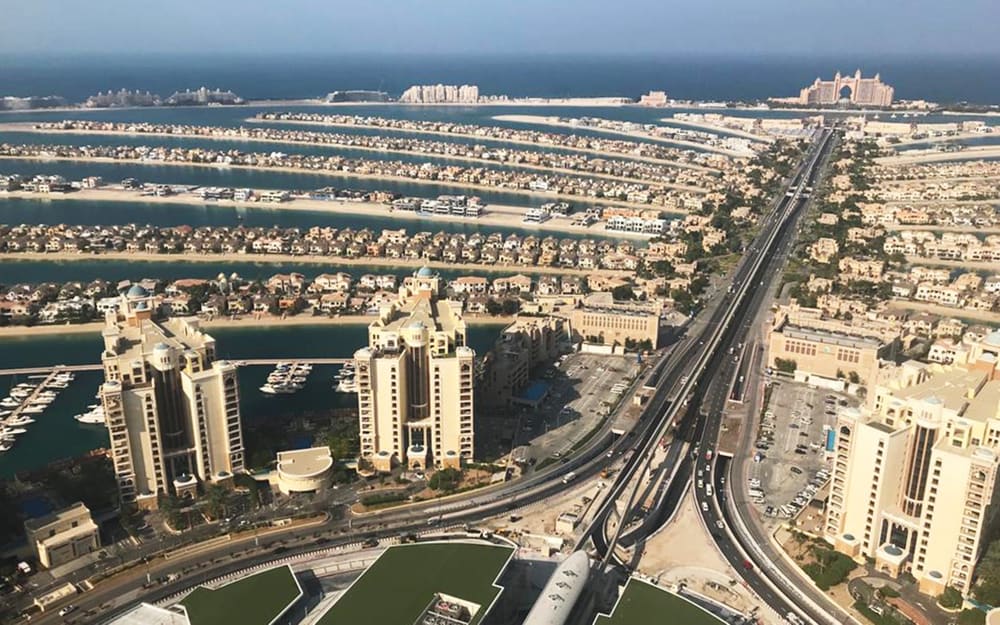 Photo of the community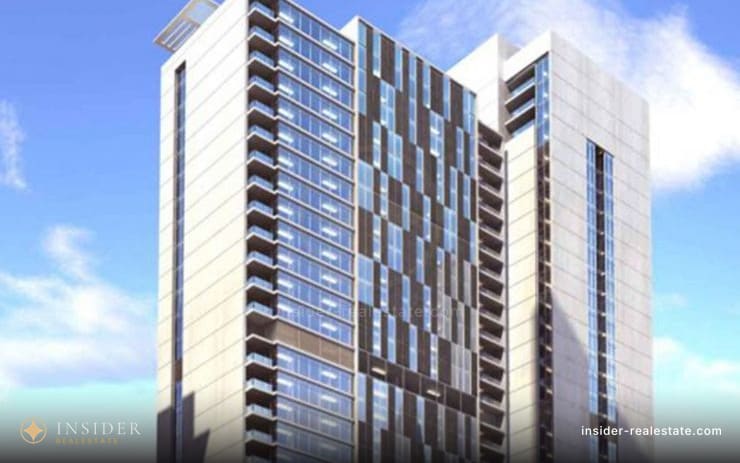
Why through a form? Direct off-market property is a matter of trust with the seller. We do not publish it openly, because leaking the price to competitors and flippers raises the cost of the deal. Buyers are verified before anything is disclosed.
An off-market property is one that is for sale but not advertised. In Dubai there is more of it than the portals suggest, and the reasons are practical rather than mysterious. An owner living in the flat does not want strangers walking through it and does not want the building chat discussing his price. Heirs want no publicity while an estate is being divided. An investor holding five units in one tower will not undercut his own asking prices by advertising the sixth as urgent. A bank that has taken a property back sells it through its own process, not through a listing.
There is a regulatory reason too. Every public listing here needs a Trakheesi permit tied to one broker and one property, valid for a limited period. It costs money and time — and a seller who wants a quiet, fast exit is unwilling to spend either. So the property circulates in broker pools and private lists, and reaches the portals only when the quiet sale fails: later, and usually at a higher price.
The practical consequence is that portals and off-market show different slices of the same market. Portals show what sells slowly and openly. Off-market shows what sells quickly, for a reason the seller would rather not publish. It is not a secret club — it is a different channel, with different speed and different motivation on the other side of the table.
Four sources. Owners who come to us directly, usually after one of our videos or articles. Broker pools, where agencies circulate stock that has not yet gone public and where we take part. Inherited and forced sales that arrive through lawyers and management companies. And bank-owned property and auction lots — formally public, but effectively invisible to anyone who does not know where to look.
The base is rebuilt every night. A lot that has sold or been withdrawn disappears from the showcase instead of sitting there for months marked "please enquire"; in its place you get a page with comparable units in the same project. Prices are recalculated at the same time, so a seller cutting his price today changes the badge tomorrow morning without anyone editing anything by hand.
We do not publish ordinary listings. A flat priced exactly like ten identical ones nearby and advertised everywhere does not belong here — you would find it yourself in five minutes. What belongs here is stock with a reason: a price below market, absence from the open market, or both.
A card shows the project, district, type, size and price — not the exact address, floor or unit number. This is the condition on which sellers hand the property over, not a device for harvesting contacts. The moment a specific unit becomes identifiable it spreads across dozens of brokers within a day, resurfaces on portals with a markup, and the seller gets precisely what he was avoiding.
The restriction lifts in one step. Ask about a specific lot and you get the building, the floor, the view, the layout, the transaction history of the project and the condition of the unit — before any payment, and before any commitment. A viewing follows, in person or by video, and then ordinary due diligence.
The same logic explains why cards show the building and a typical layout rather than interior photographs. Interior shots are the fastest way to identify a unit, and where the seller asked for quiet we do not publish them.
The gold badge is the gap between this lot and the market price of comparable stock: the same project, or the same class of building in the same district, the same type and a similar size. It is computed automatically against the current sample rather than typed in by a broker — which means it is exactly as reliable as the comparables behind it. A lot tagged "Market price" is not defective; it is a plain statement that any discount here has to be negotiated from scratch, and that the reason to buy is the property itself.
Sizes are in square feet, as in DLD paperwork and every broker feed; divide by 10.764 for square metres. Prices are in dirhams, and since the currency has been pegged to the dollar since 1997 the conversion does not move between deals. The handover status tells you whether the building is complete: buying into an unfinished one means taking over a payment plan, which is a different process with different costs.
The default sort puts discounts first. If what you actually need is a district and a budget rather than a discount, switch the sort to price straight away — otherwise the top of the list fills with projects that are cheap for a reason rather than by accident.
A completed property on the secondary market follows a standard chain. The parties sign Form F, the Land Department's sale contract. The buyer places a deposit, usually 10%, held by a broker escrow or a trustee office rather than by the seller. The seller then obtains an NOC from the developer confirming there are no outstanding service charges and no obstacle to the sale. With the NOC both parties attend a registration trustee office, the buyer hands over a manager's cheque, and a new title deed is issued there and then. On a clean deal, deposit to title takes a few weeks to a couple of months.
Three things stretch that timeline. A seller's mortgage: nothing transfers until it is settled, and the mechanics of settling it must be agreed in advance. A buyer's mortgage: approval takes its own time, and a seller who needs money now will often simply not wait. Service charge arrears: without a clearance from the management company the developer will not issue the NOC.
Budget above the price: 4% Land Department transfer fee plus administrative charges, 2% agency commission plus VAT on the secondary market, trustee office fees, and bank charges if a mortgage is involved. Confirm the exact amounts at the time of the deal — they change, and any figure from a year-old article needs rechecking.
Anyone looking for one particular flat — that tower, that floor, that view of the water. Here the choice starts from what exists, not from a wish list, and a well-discounted lot almost never matches a full set of predefined requirements.
Anyone who cannot decide quickly. Genuinely underpriced stock lives on the market for days, not months. If a viewing takes two weeks to arrange and a decision takes a month, you will be looking at property that has already sold.
Anyone counting on borrowing the whole amount. A seller who needs cash by a date picks the buyer with his own funds — and that, more than the size of the offer, usually decides whose bid is accepted.
Because that is the condition on which the seller released the property. An identifiable unit spreads across brokers within a day and resurfaces on portals with a markup. Full details — building, floor, view, layout and the transaction history of the project — go out on request for a specific lot, before any payment.
Against the market price of comparable stock: the same project, or the same class of building in the same district, the same type and a similar size. An algorithm computes it against the current sample. That makes it less reliable for rare property — a penthouse, an unusual villa layout — than for a standard studio in a large project where there is plenty to compare with.
Formally yes: UAE banks lend to non-residents on completed property, typically from 20–25% down for residents and 30–40% for non-residents (order of magnitude for 2025; terms differ by bank). In practice it works badly on urgent sales, because approval takes weeks and the seller picks whoever closes fastest. If a mortgage is essential, secure pre-approval before you start viewing.
As a 2025 reference: 4% Land Department transfer fee plus administrative charges, 2% agency commission plus 5% VAT on that commission, registration trustee fees, and the developer's NOC fee. A mortgage adds bank arrangement fees and a valuation. On a completed apartment the total usually lands between 6% and 8% of the price; confirm the exact components at the time of the deal.
Anything with a meaningful discount usually goes within days. A market-priced lot can sit for months. If you open a card and the property has already sold, you land on a page with comparable units in the same project: the base rebuilds nightly, but deals still happen between refreshes.
In freehold districts, yes — no nationality restriction and no requirement to live in the UAE. The whole base sits in such districts. A purchase from AED 2 million qualifies you to apply for the ten-year Golden Visa (threshold in force since 2022), but that is a consequence of the purchase, not an automatic part of it: the visa is applied for separately.
On the secondary market, yes — the standard 2% plus VAT, as everywhere in Dubai. On new builds the developer pays and the price to you is unchanged. There is no fee for access to the base, none for "revealing the address" and none for viewings.
Yes — the whole deal can run on a power of attorney: the viewing happens over live video, an attorney signs the paperwork, and registration goes through the trustee office without you. The PoA is notarised in Dubai or at a UAE consulate and costs about $550 (as of 2025). We would still advise flying in for one of the two — the viewing or the signing: deciding on a six-figure purchase from photographs alone is bad practice, and we say so to our own clients.
The contract and the settlement are in dirhams: on the secondary market the buyer hands over a UAE bank manager's cheque at the trustee office; with a developer, funds go to the project escrow account. The dirham has been pegged at 3.6725 to the dollar since 1997, so a dollar budget converts exactly and does not drift with the date. Move money into the UAE early: issuing a cheque takes a day, while an international transfer can take longer than a discounted lot survives.
For Dubai housing as a whole, figures quoted in late 2025 run at 4–7% gross a year. A lot bought at a discount beats the market automatically: the rent does not depend on your discount, but the capital you put in does. From the gross figure, honestly deduct the service charge, void periods and a management fee if you are not managing it yourself. The real rate for a specific building we check against actual tenancy contracts in that building, not against a calculator.
Three mandatory items. Encumbrances at the Land Department: the seller's mortgage, attachments, restraints on disposal. Service-charge arrears: without a clearance letter from the building management the developer will not issue an NOC and the deal stalls. And the seller personally: signing authority, the full list of owners, and for inherited property the documents behind the inheritance. Lots in this base pass a first screening before publication, but the full check is always part of the deal, never an optional extra.
You can, but keep it short. A seller with a deadline picks the fastest reliable offer, not the highest: slightly under asking with a deposit tomorrow regularly beats full price "once the mortgage is approved next month". A drawn-out fight over 2% works against the buyer here — while the emails go back and forth, the lot goes to whoever decided faster.
On a completed flat with no mortgage on either side — from a couple of weeks: deposit and Form F, the developer's NOC (usually about a week), then registration at the trustee office in a single visit, with the new title issued the same day. A mortgage on either side adds two weeks to a month and a half for discharge and approval. Service-charge arrears drag longest of all, which is why they are surfaced before the deposit, not after.
Both — the status is on each card. With a completed unit you buy the title; with one under construction you buy an assignment of the developer contract: you take over the remaining instalments and the developer signs off on the transfer. Assignments often carry the bigger discounts — the seller's problem is the payment schedule, not the property — but the checks differ too: look past the lot at the completion percentage and at how this developer delivered its previous projects.
The base is aggregated from direct sources and refreshed daily; availability and prices are confirmed at the time of enquiry. Discounts are calculated against market value as confirmed by Property Finder and DLD transaction data at the time of publication; the final price is fixed in the SPA after negotiation with the seller. Cover images show the building or the community itself (source — Propsearch); where the building could not be identified, an illustrative photo is used and labelled as such. The photo shows the building, not the individual unit. Building specifications — storeys, unit counts, developer — per Propsearch and the Dubai Land Department. Insider Real Estate (Oleg Svyatenko) is a RERA-licensed broker (ORN 11899). This information is provided for information purposes and is not a public offer.
Telegram is the fastest way — I answer personally.
Message on Telegram