
Abu Dhabi infrastructure: AED 250bn for power and water, and AED 55bn of roads and bridges through PPPs
Abu Dhabi will invest AED 250bn over ten years in power, water and district cooling, announced on 29 September 2026. Separately, a AED 55bn PPP pipeline covers 24 projects, with AED 35bn going to roads and bridges.
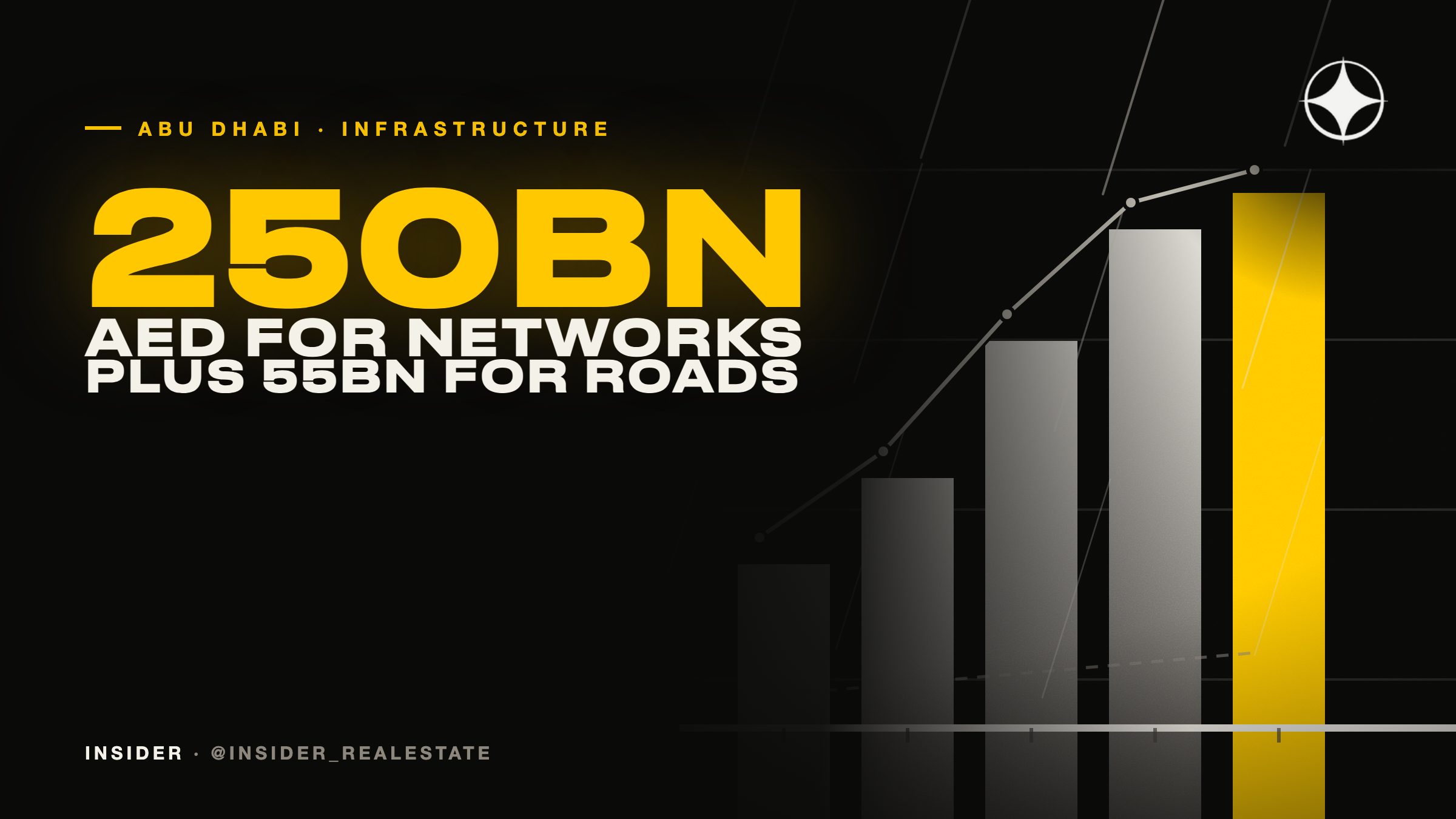
Abu Dhabi will invest AED 250bn over ten years in power networks, water supply and district cooling. The chairman of the emirate's Department of Energy announced it on 29 September 2026. Separately, a AED 55bn public-private partnership pipeline covers 24 projects, of which AED 35bn is roads, bridges and tunnels.
What will the AED 250bn pay for?
Expanding power, water and district cooling networks over ten years. Department of Energy chairman Abdulla Humaid Al Jarwan said the programme is sized for a doubling of the emirate's power demand.
He was speaking at the LIVEX 2026 conference in Abu Dhabi. The money is aimed at new neighbourhoods, hospitals, schools and universities — at growth, not at repairing old networks.
Talk to a licensed broker: 📲 +971 50 120 32 64 on WhatsApp, @dubai_oleg on Telegram
- Total: AED 250bn over ten years.
- Goal: twice the power capacity.
- Clean energy share: from under 1% to more than 5% in ten years.
- Water use per person: down 50% in five years.
What is the AED 55bn PPP programme?
It is 24 infrastructure projects that Abu Dhabi is opening to private investors. The Abu Dhabi Investment Office (ADIO) and the Abu Dhabi Projects and Infrastructure Centre (ADPIC) launched it in May 2026. Projects reach the market across 2026 and 2027.
| Sector | Value | Scope |
|---|---|---|
| Roads and connectivity | AED 35bn | 11 projects, more than 300 km of roads, bridges, tunnels, junctions |
| Water and flood protection | AED 11bn | 5 projects: dams, storage, stormwater drainage |
| Social infrastructure | AED 9bn | schools, universities, hospitals, sport |
The first batch is worth about AED 7bn and covers roads, education and social facilities.
Which bridges and roads will be built?
The next package, worth AED 40–50bn, includes new bridges to Hudayriyat Island, Al Nouf and Abu Al Abyad Island, according to ADPIC director general Maysarah Mahmoud Eid. It is due to launch with private partners at the start of 2027.
Separately, phase two of the island road from Khalifa City to Saadiyat via Umm Yifeenah is going to tender. We covered phase one in our piece on the Mid-Island Parkway.
How much is Abu Dhabi spending on infrastructure in total?
There is no single figure: the programmes were announced by different bodies and partly overlap. ADPIC's portfolio holds more than 600 projects worth over AED 200bn across Abu Dhabi, Al Ain and Al Dhafra.
- AED 250bn — power, water and cooling, ten years.
- AED 240bn — urban infrastructure and liveability, 7–10 years.
- Over AED 200bn — ADPIC's live portfolio, 600+ projects.
- AED 170bn — transport and roads to 2030.
- AED 55bn — the PPP pipeline for 2026–2027.
These lines cannot simply be added up: PPP roads also sit inside the transport package. The scale is clear, though — hundreds of billions over a ten-year horizon.
Why does the city need so much new network and road?
Abu Dhabi is planning for its population and economy to double by 2040. The emirate had 4.14 million residents at the end of 2024. Details are in Abu Dhabi 2040.
The second reason is a new kind of consumer. A 5-gigawatt data-centre campus is under construction in the emirate, with the first 200 megawatts due in 2026. Loads like that need dedicated generation and grid.
What does it mean for the property market?
A bridge or a road moves a district's value more than a marketing campaign does. On Hudayriyat whole neighbourhoods sell out in a day and will be handed over through the end of the decade. The bridges are needed by the time thousands of residents live there.
More important, networks are being laid ahead of the neighbourhoods. A new building cannot be handed over without power, water and cooling, and the AED 250bn programme covers exactly that part.
The usual caveat applies. A bridge with a tender date is an argument. A bridge on a diagram without one is not. Pay for the first.
Frequently asked questions
What is a PPP?
A public-private partnership: a private company builds and maintains an asset and the government pays for it over many years. Abu Dhabi previously used the model mainly in power and water.
When will the bridges to Hudayriyat be built?
There are no construction dates. The AED 40–50bn package that includes the bridges is due to go to market with private partners at the start of 2027.
Who manages Abu Dhabi's infrastructure projects?
The Abu Dhabi Projects and Infrastructure Centre, ADPIC. Its portfolio holds more than 600 projects, and 14 government entities coordinate decisions under a single governance framework.
Do these programmes include a metro?
A metro is in the transport master plan but has no dates. The capital's first rail transit will be a tram from Yas Island to the airport, around 2030.
Video on this topic
The same subject on the English channel — each clip has a written version of its own.
 55:13Land plots and joint ventures in Dubai: how investors and developers split the profit9 October 2026
 15:43Nobu in Ras Al Khaimah and Abu Dhabi: why the RAK one is the more interesting asset10 December 2023
 15:37Abu Dhabi property investment: Saadiyat Island and the Aldar launch numbers16 February 2023


In the news
Other write-ups on the site about the same thing.
Abu Dhabi islands compared: Saadiyat, Yas, Al Reem, Hudayriyat, Fahid and Ramhan — which one suits which buyer
Six Abu Dhabi islands where foreigners own freehold. Al Reem: studios from about $203,000 and the deepest market. Saadiyat: museums and villas. Yas: theme parks and the airport. Hudayriyat, Fahid and Ramhan: early entry from AED 1.875m. A side-by-side guide.
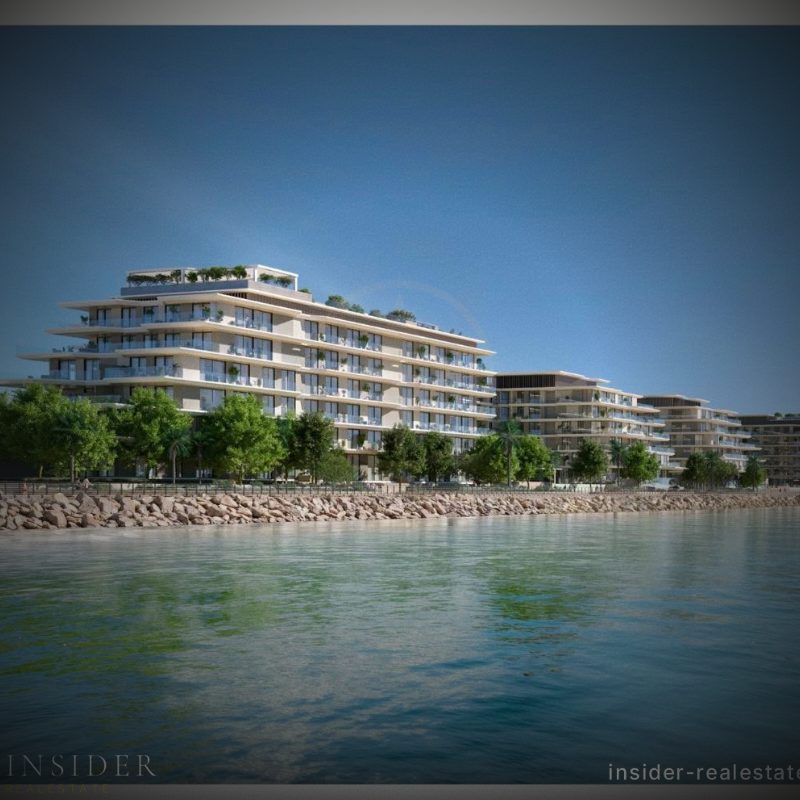
Bashayer on Hudayriyat Island sold out in a day: Modon banked AED 3bn on one launch
Modon's first residential project on Hudayriyat Island — 157 villas and 330 apartments — sold out completely on launch day, bringing in about $820 million. The developer has already followed up with Bashayer Final Phase, the last release in this cluster.
UAE's New Oases: How Dubai and Abu Dhabi Are Turning the Desert Green
Dubai ecotourism and green communities: Al Layan Oasis in Al Marmoom, Expo Valley Nature Reserve at Expo City Dubai, Hudayriyat Island in Abu Dhabi and Kalba in Sharjah. What is being built, when it opens and why nature is becoming part of UAE real estate.
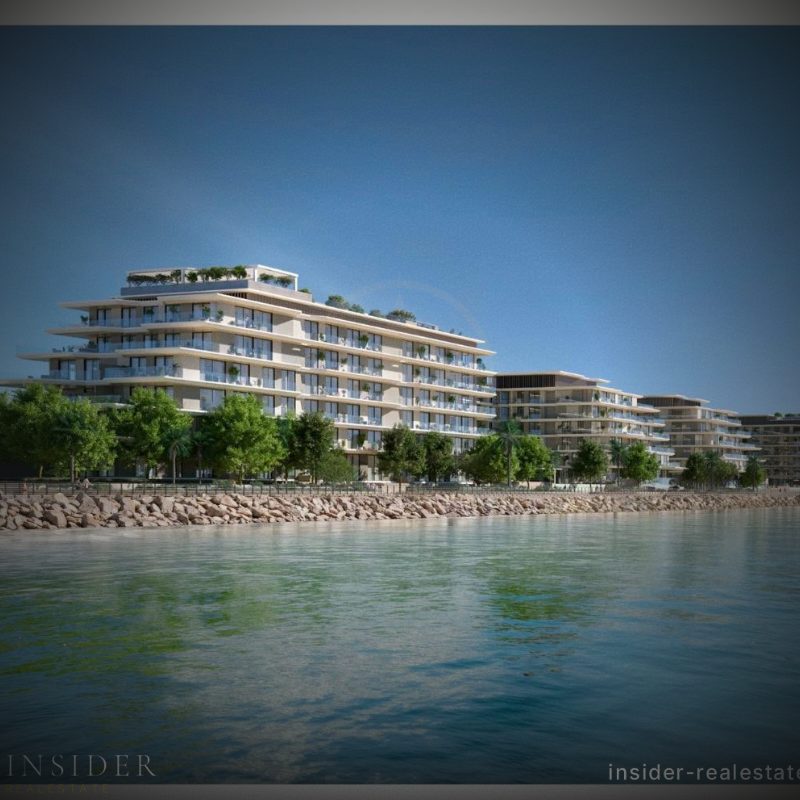
Hudayriyat Island, Abu Dhabi: Modon’s masterplan, Nawayef and Bashayer, and what people are actually buying
Hudayriyat is a 3 000+ hectare island off Abu Dhabi’s southern shore that state developer Modon is turning into a sports and residential district. Nawayef Village’s 378 townhouses (about AED 2bn) sold out on launch day; Bashayer sold roughly AED 3bn in a day in December 2025.
Mid-Island Parkway, Abu Dhabi: the AED 2.85bn road that puts Saadiyat 10 minutes from Al Reem Island in 2027
Phase one of Abu Dhabi’s Mid-Island Parkway is due in 2027: eight lanes, AED 2.85bn and a 600-metre underwater section. The drive from Saadiyat to Al Reem and Abu Dhabi Island drops from 25 to 10 minutes. Phase two adds 14.5 km towards Al Raha Beach.
Dubai to Abu Dhabi train: Etihad Rail passenger service is running — about an hour, fares from AED 39
Etihad Rail passenger trains have linked Dubai and Abu Dhabi since 30 September 2026: about 1 hour 4 minutes, 10 trains a day, fares from AED 39. The Dubai station sits next to Jumeirah Golf Estates. What it changes for housing.