Majan area profile: buying in a Dubailand cluster with no centre of its own
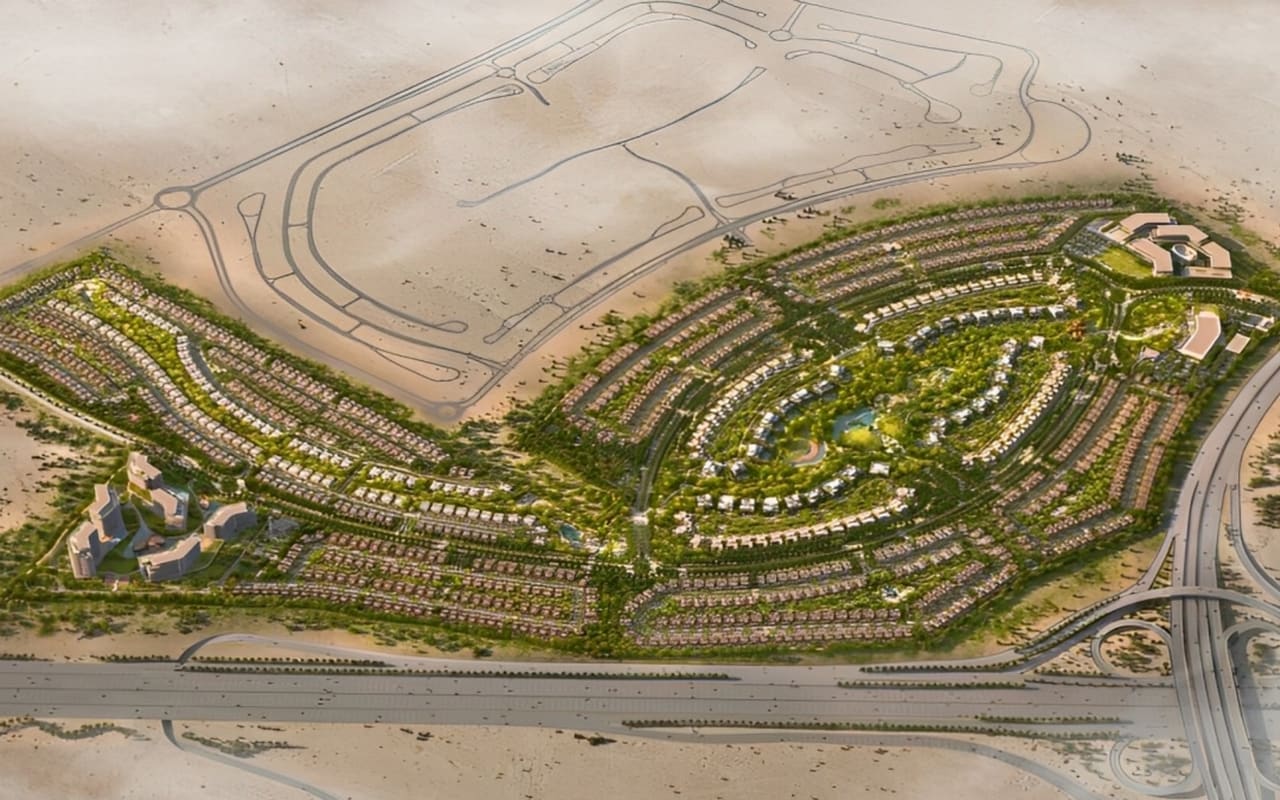
Dense building-by-building development with no shared master plan and no amenities of its own. A cluster like this is assessed not as a district but as a set of individual addresses.
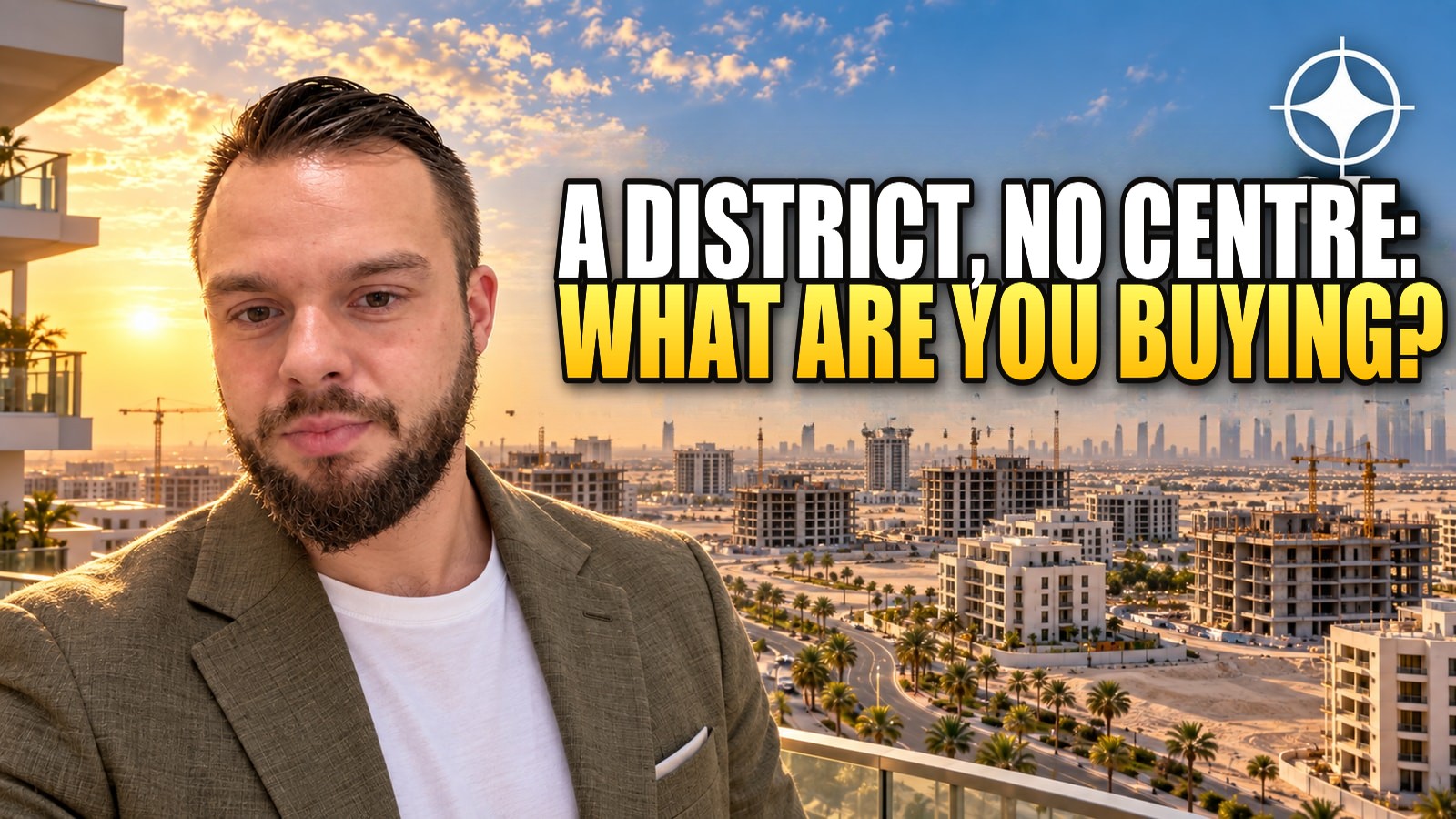
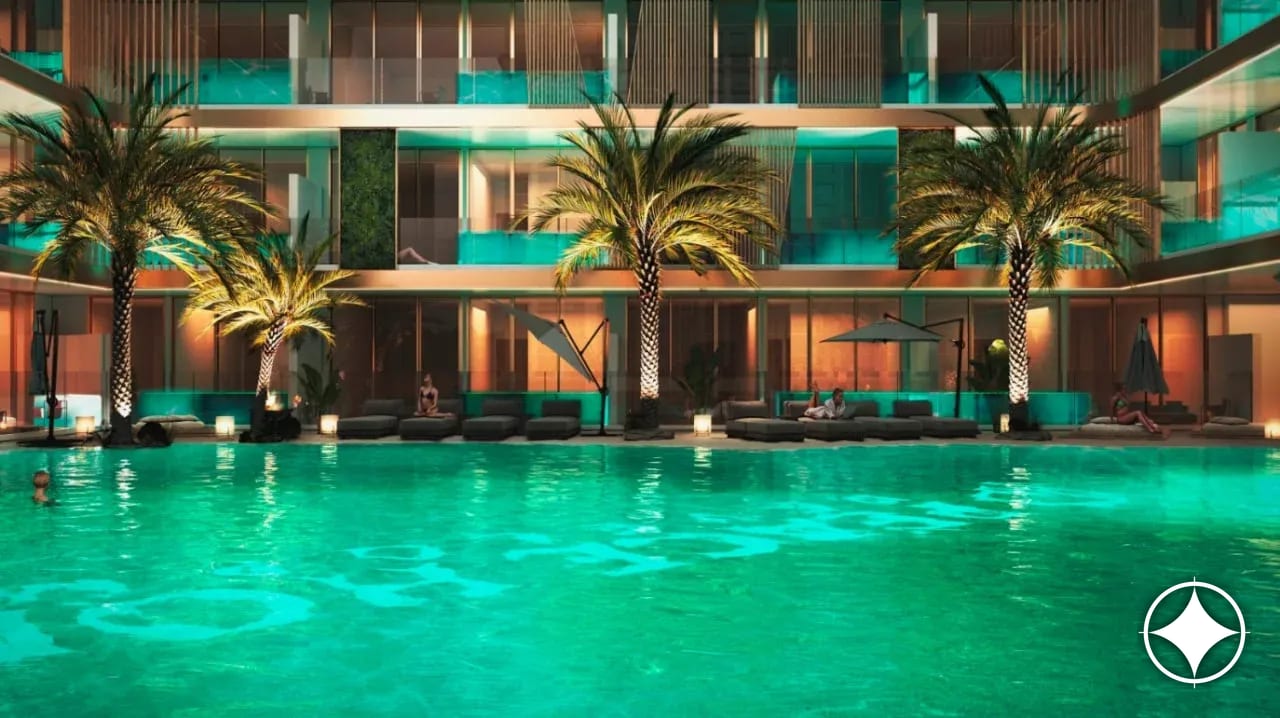
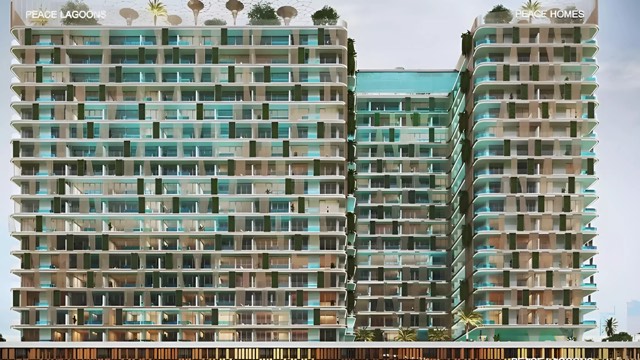
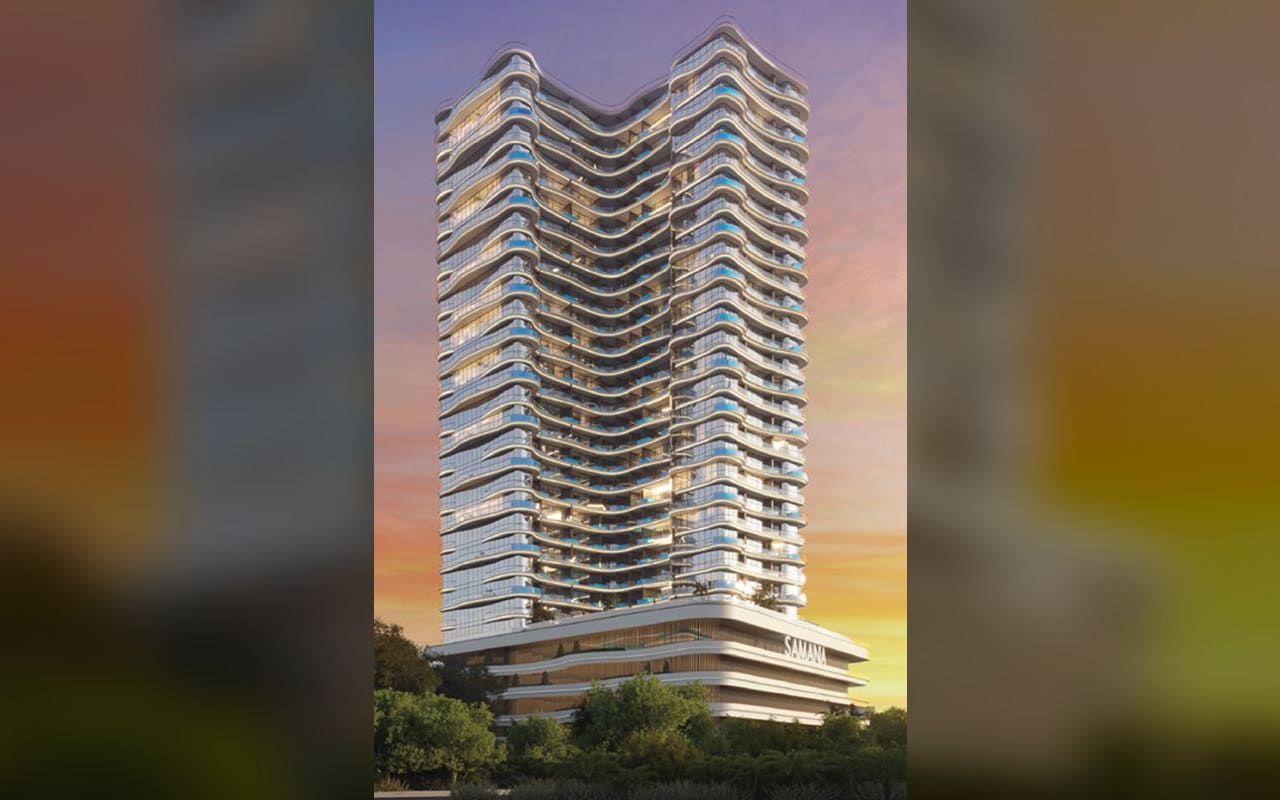
Majan is a cluster on the edge of Dubailand, built up with individual residential buildings by different developers. It has no single master plan, no shared park and no retail street: it is a set of plots along the roads, not a designed district. It needs to be assessed differently.
How a cluster without a centre differs from a community
- No shared charge and no shared responsibility. Each building stands alone: its own service charge, its own management, its own standard. The building next door may be well kept and yours not — or the reverse.
- No amenities “inside the perimeter”. A shop, a gym, a nursery are whatever opened on a ground floor, not what was planned. There may be none at all.
- No predictability of development. On the empty plot next door, what goes up is what is permitted, not what a shared concept drew.
- No recognisable address. That affects both how fast you let and how long you take to sell: the area has to be explained to buyers and tenants.
How to assess it, then
Not as a district but as a specific building. In a community with a strong master plan the address carries an average building; here there is nothing to carry it, so everything comes down to the building itself:
- The service charge and its collection rate — the biggest ongoing difference between two buildings that look alike.
- Building management: working lifts and clean corridors keep tenants.
- What is actually open within walking distance — count it, do not read about it.
- What has been approved on neighbouring plots. Your view and your quiet depend on land you do not own, and there is no overall concept here to limit what goes on it.
- Layout and parking — the things that decide renewals.
What the cluster offers
- Prices below planned communities at the same distance from the centre.
- Access to the main highways — clusters of this type usually sit along the roads.
- Simple economics: no community fee on top of the building’s service charge.
What else to check
- Live listings within a few hundred metres: rents and void periods.
- How many apartments nearby will be handed over in the same years.
- The building’s reserve fund and owners’ association minutes.
- Time on market on resale.
Based on the Dubai Land Department register and live listings for the cluster.
Talk to a licensed broker: 📲 +971 50 120 32 64 on WhatsApp, @dubai_oleg on Telegram
In the news
Other write-ups on the site about the same thing.

Damac Lagoons: what a lagoon costs to keep
A community built around man-made lagoons with Mediterranean-themed clusters. Water is a genuine differentiator with a permanent operating cost attached.
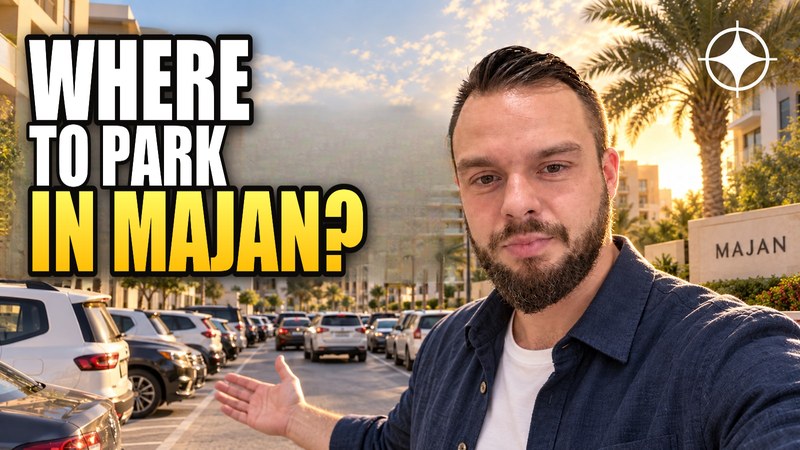
Majan parking: what to check in a dense cluster before you buy
Where buildings stand shoulder to shoulder and there is no overall plan, parking becomes a daily problem. It takes one evening to check.

Damac Hills 2: who pays to maintain the community’s themed attractions
Beaches, sports courts and water attractions inside the community look like a gift. Each one has an owner, a budget and a service life.

Remraam: a community with no metro and no city nearby
Low-rise apartments deep in Dubailand with their own amenities and no public transport. Car dependence is the variable that decides everything else.

Most expensive areas in Dubai: price per square foot and rents in 2026
On sales registered with the Dubai Land Department in the year to July 2026, Jumeirah 2 leads at about AED 7,560 per sq ft, followed by Trade Center 2, DIFC, Dubai Harbour and La Mer. The city median is about AED 1,716. How prices compare with rents, and when a costly square foot pays off.

The World Islands: pricing an asset with no comparables
Almost every property decision rests on what similar things sold for. Here there is no "similar" — so the method has to change, and so does the price.
Below market in Dubailand right now
From the daily off-market feed. Availability and price are confirmed on request.
All below-market listings →