Majan parking: what to check in a dense cluster before you buy
Where buildings stand shoulder to shoulder and there is no overall plan, parking becomes a daily problem. It takes one evening to check.
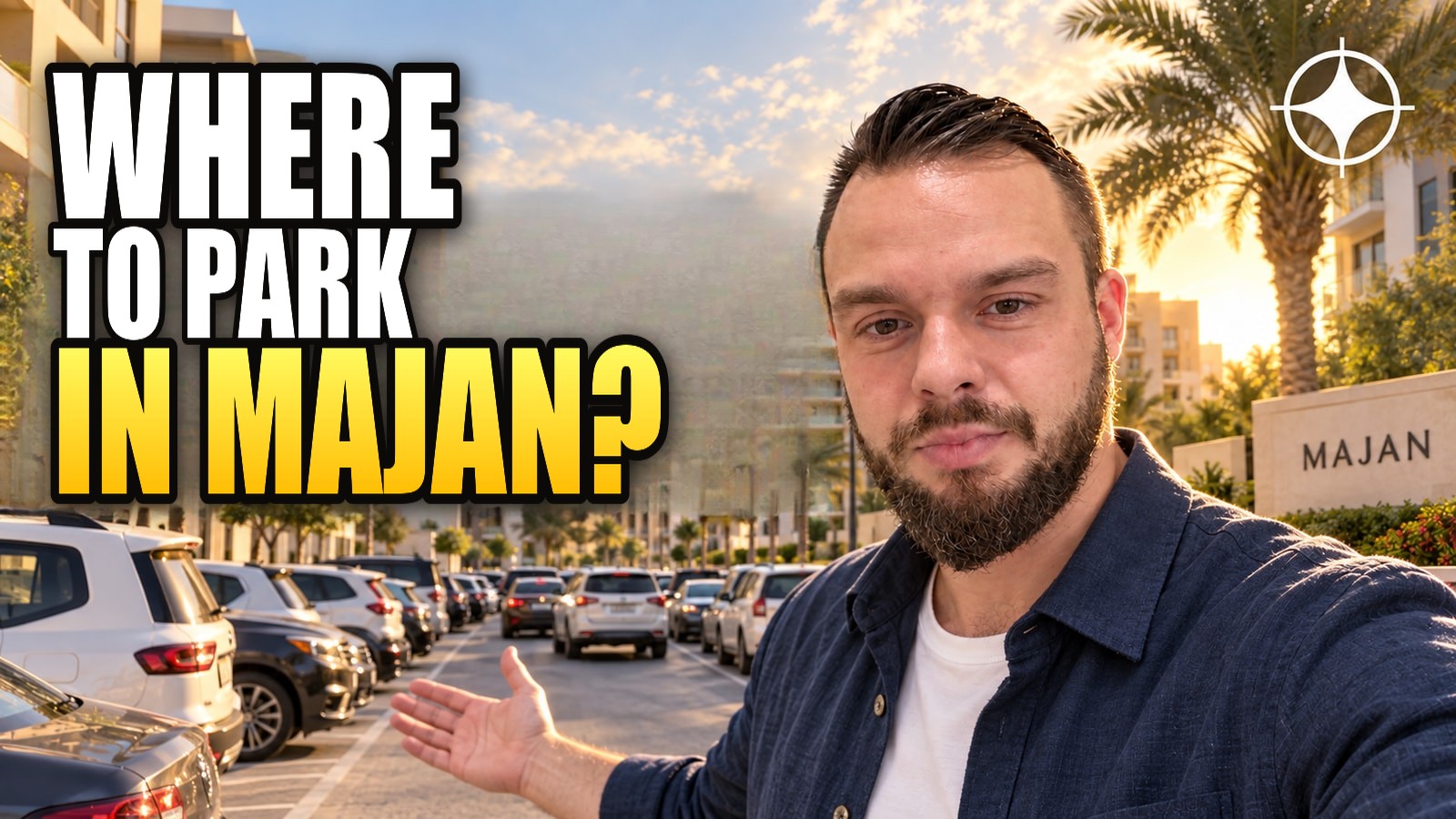
In dense clusters without a common master plan, parking is the most frequent everyday complaint and one of the most underrated factors in a purchase. It is also a rare case where checking takes a single evening.
Why it is a problem here in particular
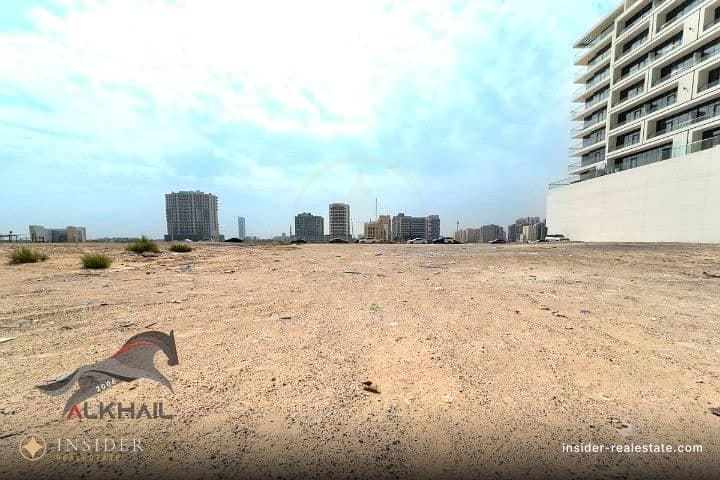
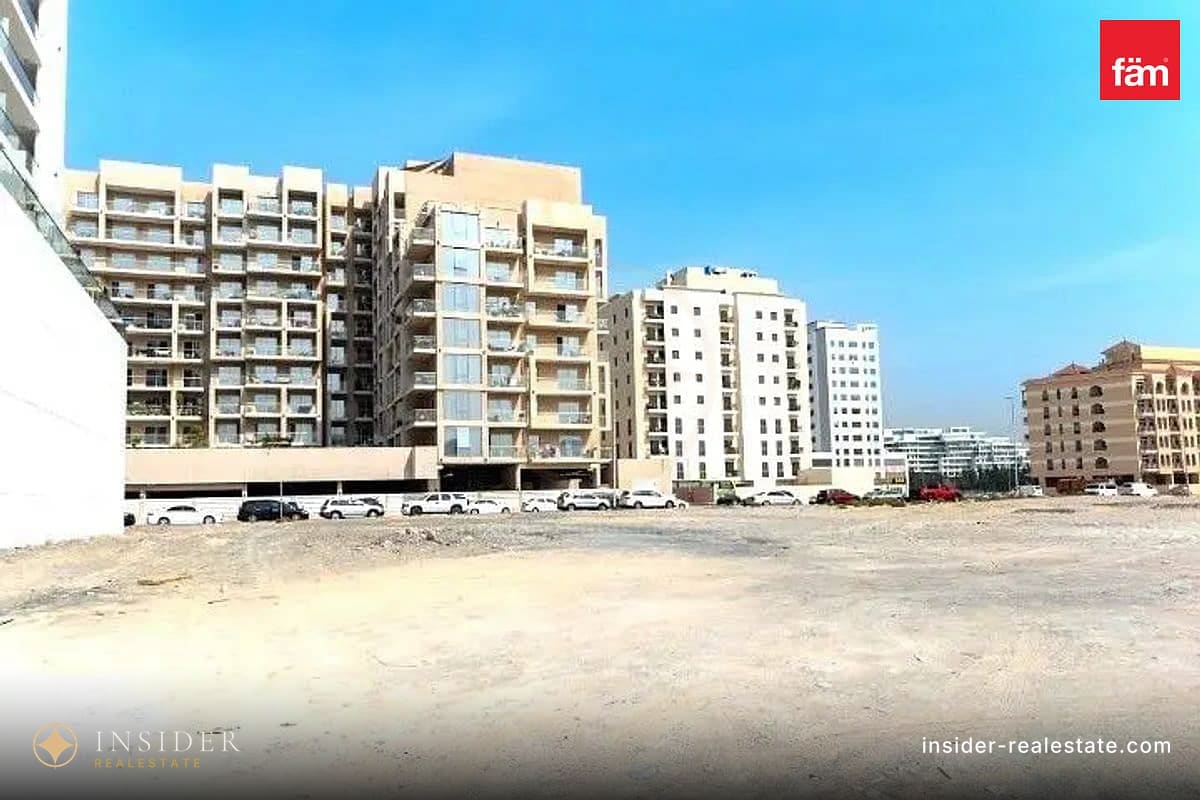
- Each building worked out its parking on its own, to its own standards and its own economics. There is no shared solution for the cluster.
- Visitor spaces are few. They are provided at the minimum, while demand comes from every building at once.
- Streets are narrow. The clusters were built plot by plot along access roads, with no spare width.
- A second car is the norm. In a district without a metro a family drives two, and an apartment usually comes with one space.
How to check
- Come on a weekday evening after eight. In the daytime any building’s car park is empty; the real picture appears once everyone is home.
- See whether cars are parked on access roads and pavements. That is a direct sign of shortage.
- Ask how many spaces come with each apartment and whether spare ones can be rented inside the building.
- Clarify the rules for visitors — whether there are passes and where guests park.
What to do about it
- A titled space is an asset. It transfers with the apartment and adds to the rent; find out whether it is on the title or merely allocated.
- A second space, if you can buy or rent one in the building, is a cheap way to improve the yield — and almost nobody does it.
- An apartment without a space in a cluster like this shrinks the tenant pool drastically — build that into the price, not into the footnotes.
What else to check
- The service charge, and whether it has a separate line for parking.
- What has been approved on neighbouring plots — a new building will add cars to the same access roads.
- Rents and vacancy periods in the cluster, from live listings.
Based on the Dubai Land Department register and observation of the cluster.
Talk to a licensed broker: 📲 +971 50 120 32 64 on WhatsApp, @dubai_oleg on Telegram
In the news
Other write-ups on the site about the same thing.

Living next to a mall in Dubai Festival City: convenience, traffic and how to pick the building
A mall on your doorstep means convenience and a constant flow of cars. Between two buildings in the same quarter, the difference is measured in a few hundred metres.
Majan area profile: buying in a Dubailand cluster with no centre of its own
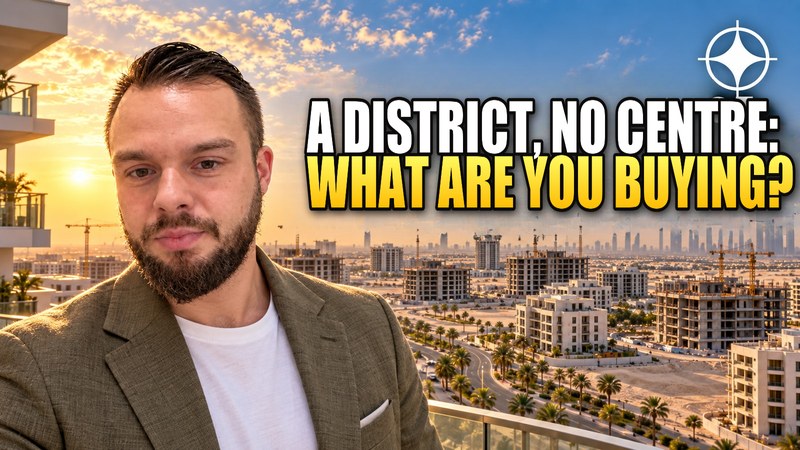
Dense building-by-building development with no shared master plan and no amenities of its own. A cluster like this is assessed not as a district but as a set of individual addresses.

Dubai Investment Park: what stands next to your home matters more here
A zone where housing, offices, warehouses and light industry sit side by side by design. The neighbouring plot affects daily life more than the apartment does.

Most expensive areas in Dubai: price per square foot and rents in 2026
On sales registered with the Dubai Land Department in the year to July 2026, Jumeirah 2 leads at about AED 7,560 per sq ft, followed by Trade Center 2, DIFC, Dubai Harbour and La Mer. The city median is about AED 1,716. How prices compare with rents, and when a costly square foot pays off.
The World Islands: pricing an asset with no comparables
Almost every property decision rests on what similar things sold for. Here there is no "similar" — so the method has to change, and so does the price.

Al Warsan: percentage yield versus money
The cheapest segment shows the highest yield percentages in Dubai. Fixed costs do not shrink with the price, and they take a much larger bite.
Below market in Majan right now
From the daily off-market feed. Availability and price are confirmed on request.
All below-market listings →