Branded towers in Dubai: Cavalli, Safa, Viewz and Burj Binghatti, read commercially
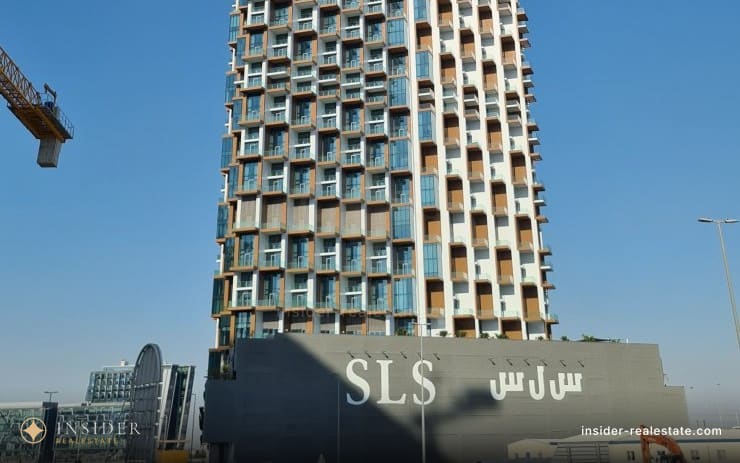
Damac's Cavalli Tower, Safa One and Safa Two with de GRISOGONO, Danube's Viewz with Aston Martin, Binghatti's Jacob & Co tower — Dubai has more fashion-branded skyscrapers than any city on earth. The category is real, the products inside it differ enormously, and the difference is contractual rather than visual.
What does a brand licence actually cover?
In this segment the brand is usually a design and naming licence, not an operating agreement. The house contributes interiors, materials, sometimes furniture and amenity concepts; it does not run the building, and there is no hotel operator behind the door.
That is the single most useful distinction to hold onto. A hotel-branded residence sells you service and charges you annually for it. A fashion-branded tower sells you an aesthetic and a name at the point of purchase, and the running of the building afterwards is an ordinary owners' association.
Is the specification the product?
It follows that the specification is the product. Judge the glazing, the joinery, the cooling, the lift count and the amenity that actually exists — not the render of a lobby. A licence that shows up as a logo and standard fittings has sold you nothing that resells.
Talk to a licensed broker: WhatsApp +971 50 120 32 64 · Telegram
Why do the towers differ so much?
Developer first. Damac, Danube and Binghatti build to different price points, different densities and different delivery records, and the brand sits on top of whatever the developer was going to do anyway. The name does not raise the build quality; the developer sets it.
Position second. A branded tower on the water in Business Bay, on the Safa Park edge of Al Wasl or in Dubai Harbour are three different investments, and location survives long after the brand collaboration is a footnote.
And the unit third. In super-tall towers the spread between floors and aspects is enormous — the same brand, the same building, and two units that will never be worth the same money.
How does the collaboration actually work?
The fashion house almost never builds the tower. The standard structure is a licence: the developer pays for the right to use the name, and the brand approves the concept, the interior design and the marketing material.
How deeply the brand is involved varies enormously. In some projects its own design studio genuinely draws the lobby, the finishes and the furniture. In others the collaboration stops at a name on the facade and a couple of decorative elements.
That distinction is the whole question for a buyer. The premium is justified only where the brand is genuinely sewn into the product: authored finishes, branded materials, a service component, common areas managed to the brand's standard.
Where the involvement is superficial, the buyer is paying for marketing that may have stopped working by the time he resells. So the first question to a seller is what exactly the brand does in this project, and whether it is fixed in the documentation.
What is the premium made of?
Three layers, and it helps to see each.
First, cost: designer finishes, non-standard facades and engineering are objectively more expensive than standard solutions. Second, the licence payments the developer builds into the price per metre. Third, the marketing component — what the buyer pays for status and recognition.
Branded buildings come to market with a noticeable premium to comparable unbranded projects in the same location. The question is how much of it survives on the secondary market.
Experience across luxury segments in other cities points the same way: the premium holds best where the brand delivered quality of execution and service as well as a name. Buildings where the brand was pure marketing trade closer to ordinary premium over time.
What is letting a branded apartment like?
The target tenant is a high-earning expatriate, senior management, or a wealthy visitor on a long stay. That tenant pays more and expects more: a flawless apartment, building services that work, and a fast response when they do not.
The rate in a branded building is usually above the district average, but voids between tenants can be longer because the audience is narrower.
Service charges in these projects are materially higher than ordinary ones: a concierge, a spa and branded common areas cost money, and that belongs in the net yield calculation rather than in a footnote.
The management company is the critical variable. Establish in advance who will run the building after handover, and to what standard.
Which mistakes do buyers make?
Buying on the name without analysing the location. A brand does not compensate for a weak position: the outlook and the surroundings come first and the name second.
Ignoring the service charge. An attractive gross yield becomes a modest net one once the higher running costs come out of it.
Betting on renders. In this segment the gap between the image and the execution is especially painful — look at delivered projects by the same developer instead.
And not checking the licence terms. A brand agreement can be limited in time, so establish what happens to the name, and to the standard, when it expires.
Does the premium survive resale?
The honest position: part of the brand premium is paid at launch and does not come back. What survives is the part attached to physical quality, floor, view and scarcity — the same things that would have held value in an unbranded tower.
What the name does add is attention. A branded tower is easier to market to an overseas buyer who has heard of the brand and not of the district, which shortens marketing periods in a strong market and matters less in a soft one.
The practical rule for the segment: buy it if you would buy the same apartment without the badge at a sensible discount to the branded price. If the answer is no, you are buying the badge alone, and badges are the first thing a resale market discounts.
Frequently asked
Are fashion-branded apartments worth the premium?
Only where the licence produced real specification — materials, layouts, amenity — rather than a name and a lobby. Unlike hotel-branded residences these usually come with no operator and no service, so the premium is paid once at purchase and has to survive on build quality.
What is the difference between Cavalli-branded and a Dorchester residence?
A design licence against an operating agreement. The first supplies interiors and a name; the second supplies staff, service standards and an annual charge. They are different products that both get called "branded residences".
Do branded towers rent for more?
Somewhat, where the finish and amenity are genuinely better — tenants pay for the apartment, not the label. The bigger effect is on marketing speed among overseas buyers, which shows up at resale rather than in the monthly rent.
✍️ Message me on WhatsApp for a free consultation — off-market stock, payment plans and honest numbers on any of the projects covered here.
✅ Subscribe on YouTube — investment, property, business and relocation in the UAE and beyond.


Below market right now
From the daily off-market feed. Availability and price are confirmed on request.
All below-market listings →