
Five filters for screening a Dubai apartment, worked through on Harbour Lights
Five filters screen any Dubai apartment in about five minutes: the exact location, the developer’s delivery record, the layout, the price per square foot with its payment plan, and the exit. Applied to Harbour Lights, the DAMAC tower in Dubai Maritime City, they show a sea-view asset in a district that was still being built in early 2023.
Why screen a property in five minutes at all?
Because tens of thousands of apartments in hundreds of projects are on sale in Dubai at once, and the main mistake a buyer makes is to drown in that volume for weeks, comparing everything with everything.
Experienced brokers work differently. They carry a short checklist against which any property is assessed in a few minutes: it either passes the filters and goes onto the shortlist, or it is dropped without regret.
The approach saves weeks and, more importantly, protects against an emotional purchase made on a handsome render. It is universal: the same five filters apply to a studio in a dormitory district and to a first-line penthouse.
Talk to a licensed broker: WhatsApp +971 50 120 32 64 · Telegram
It does not replace the final checks. In a few minutes about 90 per cent of unsuitable options fall away; verifying the documents and the unit takes longer, but this is how the shortlist is formed.
Filter one: where exactly does the building stand?
Assess the specific point, not the prestige of the district in general. In Dubai two towers across the road from each other can differ in price and liquidity by tens of per cent because of a view, motorway noise or access to the metro.
Check three things. The time to the key centres of attraction — Downtown, the Marina, the airport. The presence of the sea or another anchor value nearby. And the plans for the neighbouring plots: an empty plot in front of the windows will almost certainly be built on.
Harbour Lights is an instructive case. Maritime City is a reclaimed peninsula between Port Rashid and Jumeirah, with water on effectively three sides, which gives sea views from most units.
In early 2023, though, the district was still under construction, and part of its infrastructure would appear only with time. That profile is typical of a district bought for the future: a discount at entry in exchange for waiting while the location matures.
Filter two: has the developer actually delivered?
A hard rule applies in Dubai: buy off-plan only from a developer with a long history of completed buildings. Look not at the number of announcements but at how many towers have really been handed to owners, and with what delays.
It is worth walking through a developer’s finished projects and judging the finishes and shared areas after several years of use. That is more honest than any brochure.
DAMAC, which stands behind Harbour Lights, is among the largest private developers in the emirate, with a portfolio of tens of thousands of delivered units.
Large developers have their own traits — a standardised product, active marketing — but the risk of unfinished construction is statistically lower with them, and a unit from a well-known name is easier to resell.
Filter three: what is the tenant really paying for?
Bedrooms and a view, not spare metres of hallway. In five minutes you can judge the usable area free of dead corridors, the size and orientation of the balcony, the ratio of bedrooms to bathrooms and the view from the specific stack.
In investment logic compact, functional layouts win. Studios and one-bedroom flats give the highest return per dirham invested and the widest rental demand.
Two-bedroom flats balance yield with stability: families rent for longer and treat the home with more care. Three bedrooms and above are a bet on capital growth and on the scarcity of the format rather than on rental percentage.
Check the floor and the stack separately. In sea-facing projects of the Harbour Lights kind, a unit looking at the water and one looking at the neighbouring tower are in effect two different assets in terms of liquidity.
Filter four: do the price and the payment plan add up?
Compare the price per square foot with three reference points: neighbouring projects at the same stage of construction, the resale market of the district and the averages for the city.
If the premium over the neighbours is not explained by view, brand or service, that is a reason to negotiate or to walk away. Do not invent future growth: calculate the deal on today’s rents and treat the potential of the district as a bonus.
In off-plan, the payment plan is the second most important parameter after price. Stretched schedules with a substantial part due after handover ease the load on capital and let instalments be paid partly out of rent.
Always confirm that payments go to an escrow account registered with the Dubai Land Department. It is the basic protection of a buyer of property under construction.
Filter five: who will buy it from you, and when?
A liquid unit answers by itself: a clear rental flow for an investor-buyer, a recognised developer brand, a rare view or format.
If the answer begins with “well, when the district is finished, probably…”, the asset belongs in the category of patient money. That should be a conscious choice, not a surprise.
Keep the horizons in mind too: resale of the off-plan contract before completion, sale after handover with a tenant in place, or a long hold for the sake of a visa and currency diversification.
Each scenario has its own entry point and its own measure of success. Define it before the booking, not after.
What does the method give in the end?
Discipline in place of haste. Five filters run over every property replace weeks of chaotic viewings and guard against buying out of love for a render.
The whole method fits in one line: location as a point, the developer’s history, an honest layout, a calculated price and an exit scenario chosen in advance.
Run on Harbour Lights, it describes a particular kind of asset. A new reclaimed district right by the water, next to the historic centre, is a rare case for Dubai; the price of that prospect is infrastructure that was still immature, in a district meant for a horizon of several years.
Frequently asked
Can you really choose an apartment in Dubai in a few minutes?
In a few minutes about 90 per cent of unsuitable options are screened out by five filters: location, developer, layout, price and exit. The final check of the documents and the unit takes longer, but the shortlist is formed this way.
What matters more in Dubai, the district or the developer?
For completed property, the district and the specific building. For off-plan at an early stage, the developer: while the building does not exist you are buying the developer’s obligation, and its reliability comes first.
Is it sensible to buy in Dubai without visiting?
Technically yes: transactions are completed remotely and the register is digital. For a resale, an inspection of the unit or an independent survey is essential; for off-plan, check the escrow account and the registration of the project.
✍️ Message me on WhatsApp for a free consultation — off-market stock, payment plans and honest numbers on any of the projects covered here.
✅ Subscribe on YouTube — investment, property, business and relocation in the UAE and beyond.


Below market in Dubai Maritime City right now
From the daily off-market feed. Availability and price are confirmed on request.
All below-market listings →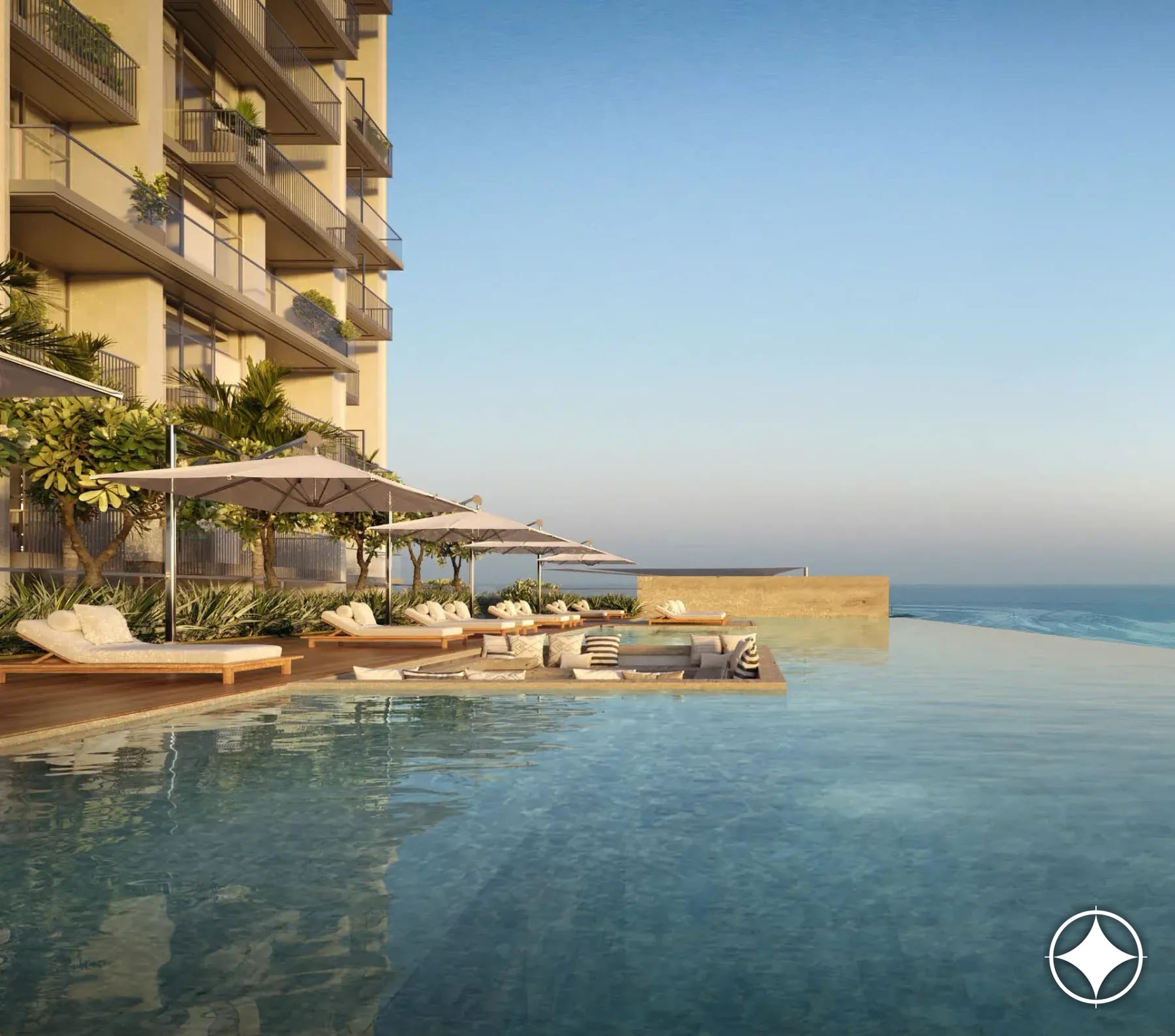
In the news
The same subject in writing — analysis and news related to this video.
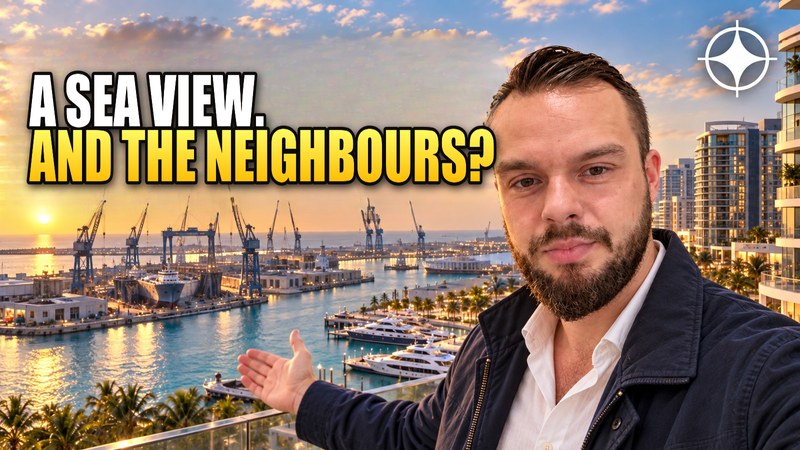
Dubai Maritime City: buying a home in the middle of the maritime industry
A peninsula between two harbours, planned as a hub for shipbuilding and ship repair, with residential towers on the same land. Here the neighbours matter more than the view.
BEYOND: three projects, three Dubai districts — and three very different buyer profiles
PASSO on Palm Jumeirah, Arancia Yards in City of Arabia and Soulever in Dubai Maritime City are all built by the same developer, BEYOND, yet each draws a different kind of investor. Why one brand does not mean one buyer profile.

Apparel Group: how letting actually works in Dubai
A retail group developing a tower in Dubai Maritime City. Whoever you buy from, the rules on tenancy registration, rent increases and notice are the same — and they favour a prepared landlord.

Emaar’s AED 200bn masterplan for 150 000 residents: what buyers know so far
Emaar has announced its largest masterplan ever: AED 200bn, 4.5 million m² of floor area, about 150 000 residents, five zones and a promised metro link. The name and site are still not official. Separately, it bought land in Ras Al Khor for AED 2.9bn. What it means for buyers.
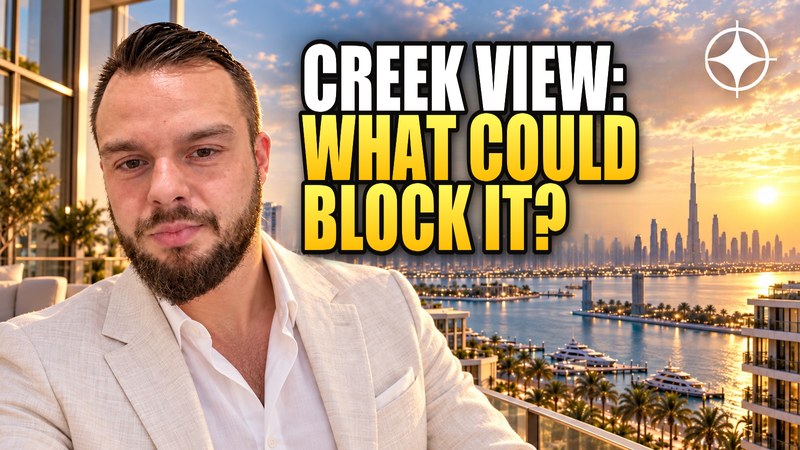
Dubai Creek Harbour views: what you pay for in a skyline view across the water
The city panorama across the water is the district’s main selling point and the most expensive part of the price. What protects it, and what could block it.

Dubai Creek Harbour: how to buy into a district that takes twenty years to build
A master plan this size is delivered in phases over decades. What that means for someone moving into the first phase, and how to value what does not exist yet.