
Why Mina Rashid works as a short-let: who actually rents here
Most people buying a rental unit start with the price per square foot and the yield on the brochure. That order is backwards. The first question is who signs the tenancy and why they choose your unit over the one two buildings along — and in Mina Rashid that person is unusually easy to describe, which is the whole argument for the district as a rental asset.
The logistics, which is the actual product
Mina Rashid sits on the old Port Rashid land at the mouth of the Creek. From there it is roughly fifteen minutes to Dubai International and about twenty to the business core. For someone arriving with luggage and leaving on an early flight, that is the difference between a place that works and a place that costs an hour of every day.
The second layer is the historic centre. The souks, the abras and the older quarters of Bur Dubai are within walking distance — not a drive, not a metro ride, a walk. For a guest who came to see the city rather than to live inside a glass tower, that is precisely what they flew for, and it is an amenity Marina and Downtown cannot manufacture at any price.
Put the two together and you get a location that is central by every practical measure while being read as peripheral on a map, because the centre it is central to is the old one.
Talk to a licensed broker: WhatsApp +971 50 120 32 64 · Telegram
Who the tenant is
The profile here is narrow, and that is a feature rather than a limitation. The people who rent in Mina Rashid are staying for three weeks and upwards: consultants and contract staff on a posting, families mid-relocation waiting on a school place or a villa handover, and long-format tourists who want a kitchen and a washing machine rather than a hotel.
What they all share is that a hotel is the wrong shape for their stay and a twelve-month lease is the wrong length. That gap — weeks, not nights and not years — is where a Mina Rashid apartment lands naturally.
It follows that the pure nightly-rental strategy is a poor fit here. There is no beach club economy, no tourist strip, no reason for a two-night booking to pick this district over JBR. Build the model on medium-term stays and the occupancy behaves; build it on nightly turnover and you are competing on the one axis where the location has nothing to offer.
What the district actually is right now
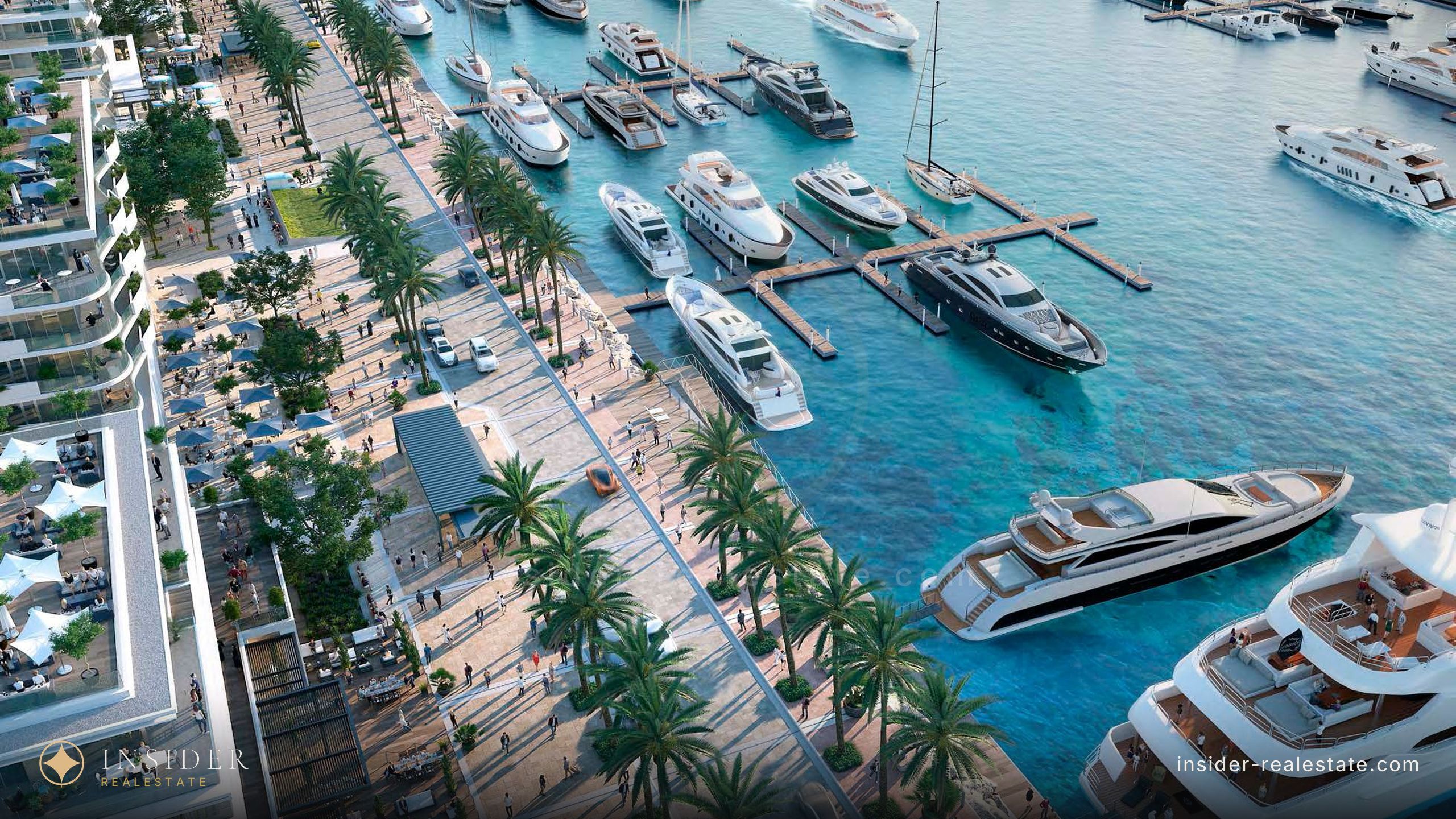
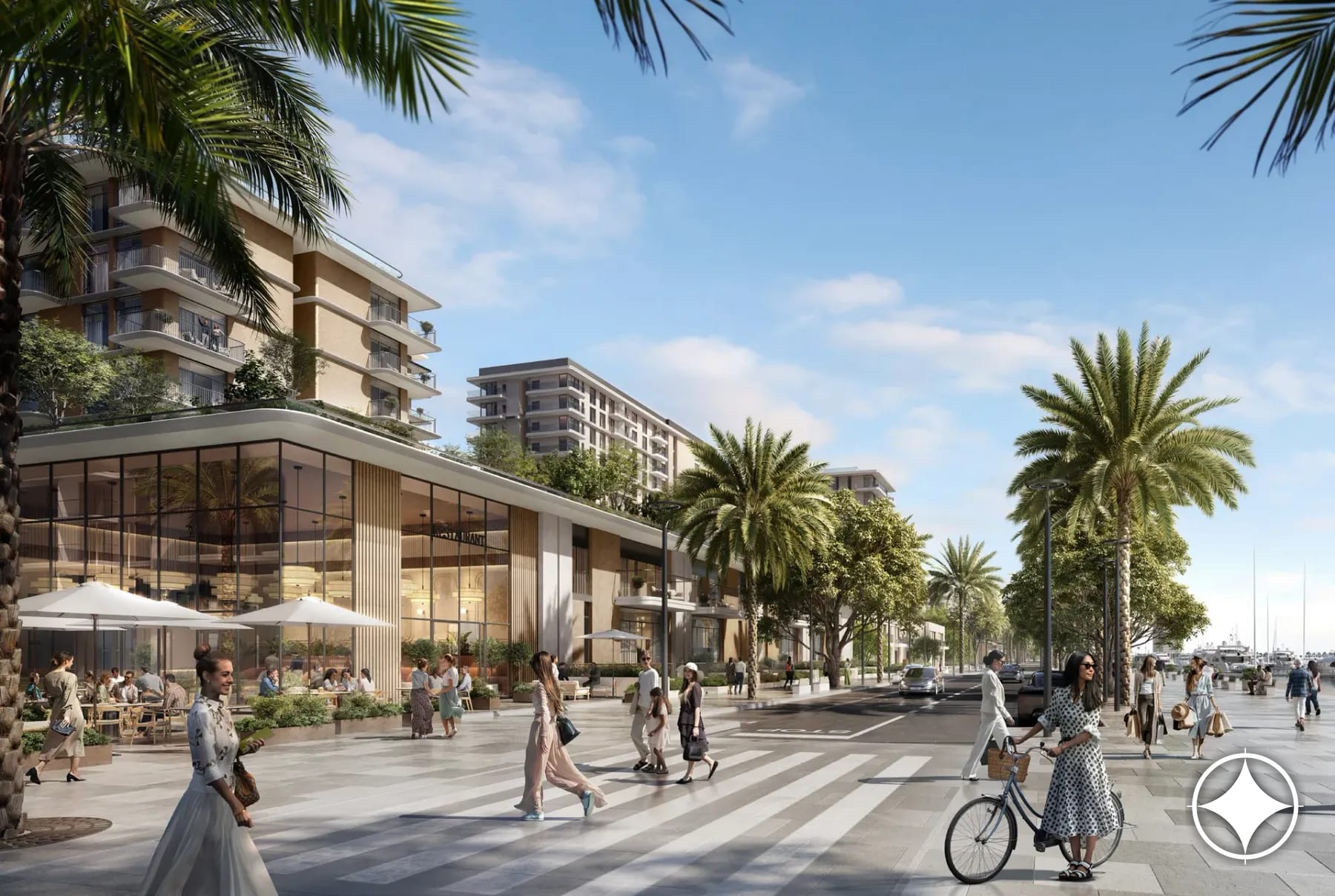
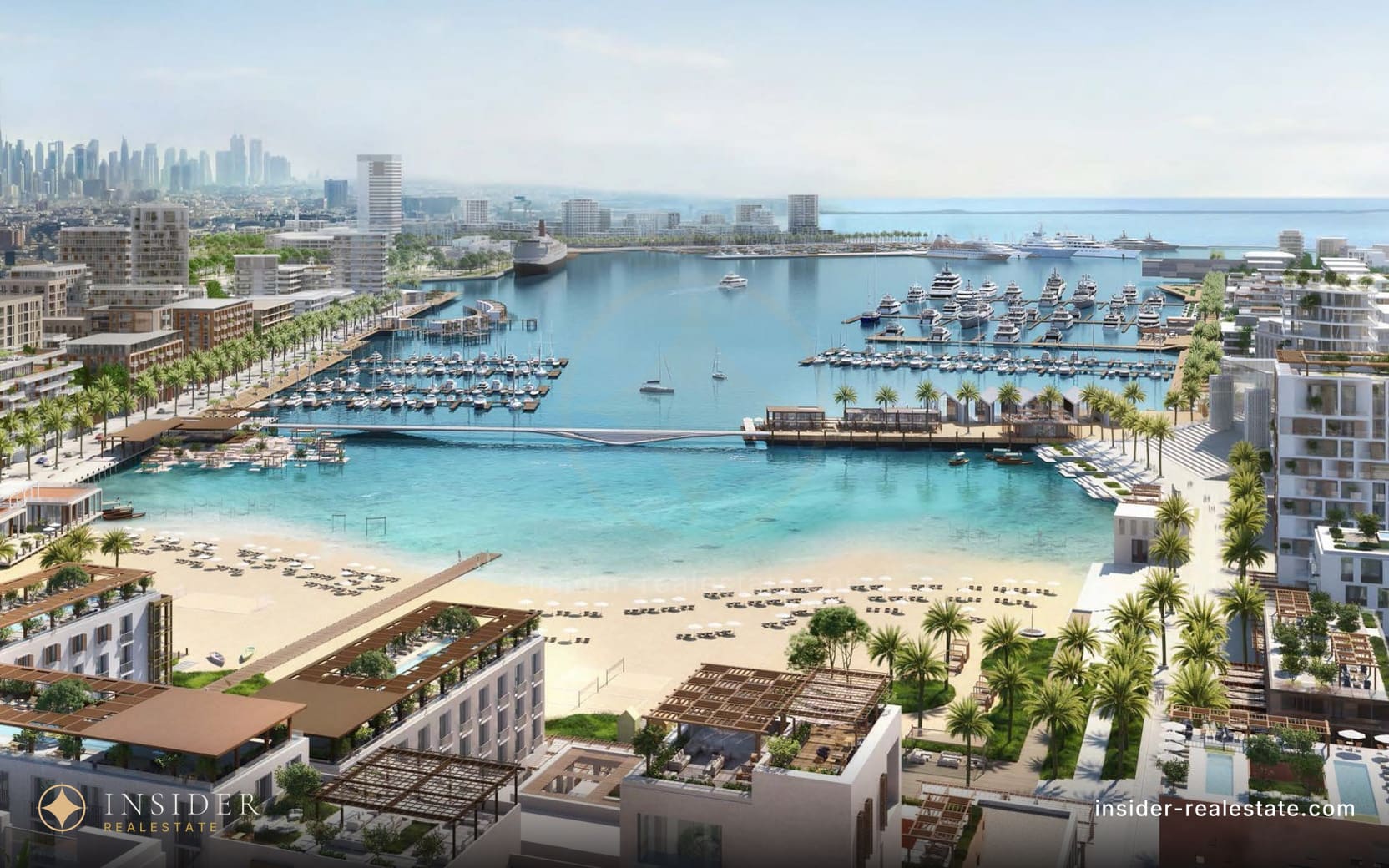
Port Rashid was Dubai’s main seaport for decades until the container traffic moved to Jebel Ali. Emaar is converting the released land into a waterfront district with a marina, a promenade and retail; the QE2 is berthed permanently as a hotel and anchor attraction, and the cruise terminal still operates.
Delivery runs in phases — Sirdhana, Seagate, Seascape, Sunridge, Clearpoint among them — and only part of the masterplan is built. That produces a large gap between a finished block with a working promenade outside it and a phase that is still a hole in the ground, sometimes a few hundred metres apart.
Outside the project boundary the context changes sharply: Deira and Bur Dubai are dense, older and far less manicured than anything in the newer coastal districts. Whether a given guest reads that as authentic urban texture or as a downgrade depends on the guest, and it is the single thing most worth checking in person before buying to let.
Why there is so little to rent
The supply side is the quiet advantage. Few blocks are handed over, and what was handed over sold quickly, because the entry price was materially below the established waterfront districts for a location closer to the centre. Very little sits on the resale market at any moment.
For a landlord that means competition for tenants is thin, simply because there is not much to compete with. For a buyer it means the opposite: the choice is narrow, and a purchase here is often a decision about the unit that is available rather than the unit you drew on paper.
That asymmetry does not last forever. It holds while the delivered stock is small, and it compresses as later phases hand over. Anyone underwriting today’s rent as a permanent condition is underwriting the wrong thing.
What to check before you buy to let
The stage of the specific phase, and what is finished around it — retail, promenade, access roads. A unit is only as rentable as the ten minutes of walking around it.
Whether the view is protected. Water and marina frontage is what the tenant is paying for, and the next phase can be built between your block and the water. Confirm the status of the neighbouring plots before you sign.
The distance to the working cruise terminal and to the remaining freight areas, and which way the service traffic runs. Ship calls produce periodic surges of people and vehicles.
The building’s own position on short and medium-term letting. Developer and owners-association rules on holiday-home licensing vary by block, and finding out afterwards is expensive.
Frequently asked
Is Mina Rashid suitable for nightly holiday-home rental?
It is a weak fit. The district has no tourist strip and no beach-club economy to pull two-night bookings, so it loses that comparison to JBR or Marina. It performs on medium-term stays — three weeks and longer — where airport access, the business district and the walkable historic centre are what the tenant is buying.
How far is Mina Rashid from the airport and from the business district?
Roughly fifteen minutes to Dubai International and about twenty to the business core in normal traffic. The historic centre — the souks and the Creek abras — is within walking distance rather than a drive.
Why is there so little on the resale market?
Because only part of the masterplan has been delivered and the completed blocks sold quickly at an entry price below the established waterfront districts. Supply widens as later Emaar phases hand over, so today’s scarcity should not be modelled as permanent.
What is the main risk in the district?
Time and context. Port regeneration takes fifteen to twenty-five years to mature, and the early years mean living beside construction and beside Deira and Bur Dubai, which are far older and denser than the project itself. Visit both the site and the surrounding streets, preferably in the evening.
✍️ Message me on WhatsApp for a free consultation — off-market stock, payment plans and honest numbers on any of the projects covered here.
✅ Subscribe on YouTube — investment, property, business and relocation in the UAE and beyond.


Below market in Mina Rashid right now
From the daily off-market feed. Availability and price are confirmed on request.
All below-market listings →
In the news
The same subject in writing — analysis and news related to this video.
Mina Rashid: a working harbour turned residential district
An old port being rebuilt as a quarter with a marina and a promenade. Port redevelopment has real strengths and leaves specific things behind.
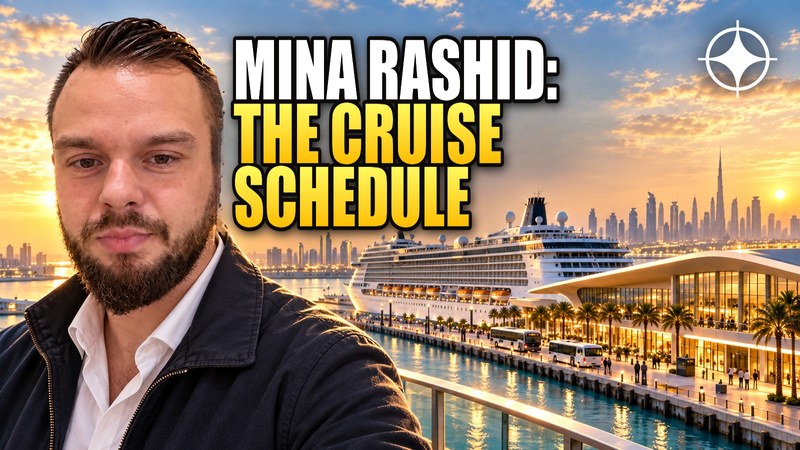
Mina Rashid: living next to the cruise terminal and its schedule
Ship calls bring surges of people and traffic to the district. Those surges run to a calendar, and it is published in advance.
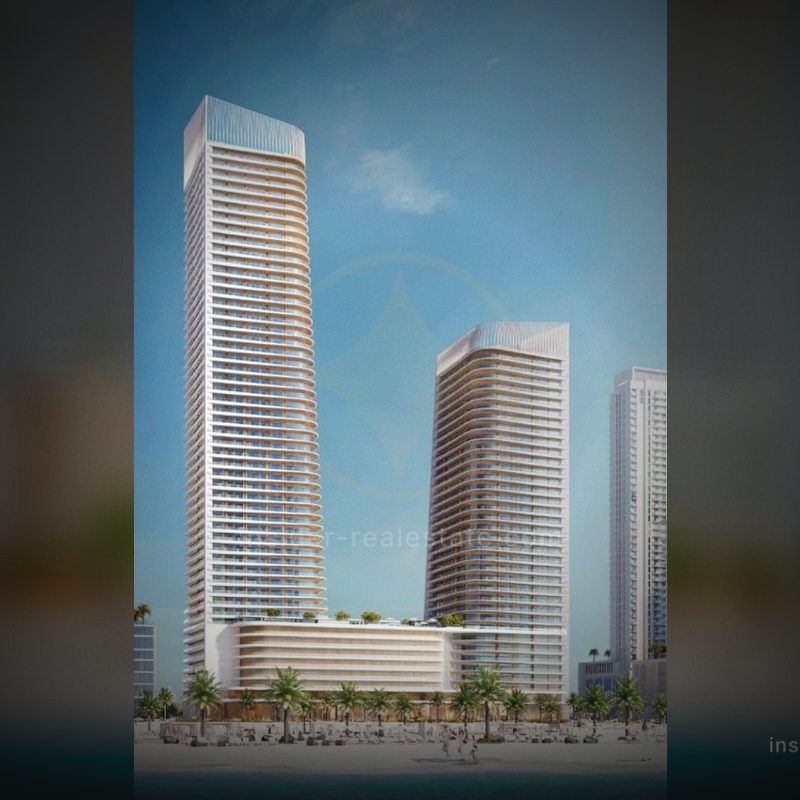
Dubai apartment view premium: how much a sea view actually adds to price
Market commentary puts the premium for a direct sea or marina view at roughly 15–60% over an equivalent unit without one, depending on the building and floor. When that premium pays off in yield, when it only pays off on resale, and how to judge a view from a floor plan before the tower exists.

The Dubai year: what actually changes between November and September
Dubai does not have four seasons, it has two, and the household budget, the letting income and the shape of an ordinary day are all different in each. What moves with the calendar, and what to do with that if you own something here.

A new Dubai district or an established one: what five years actually changes
A district that is being built and a district that is finished are not the same purchase at different prices. One is priced on what exists, the other on what is drawn — and the gap between them closes slowly, unevenly, and sometimes not at all.

Four deals with the full numbers: what Dubai property actually returned
Talk about Dubai yields is usually percentages without a denominator. Four transactions with every figure named, including costs — and one caveat that governs all of them.