What is being built
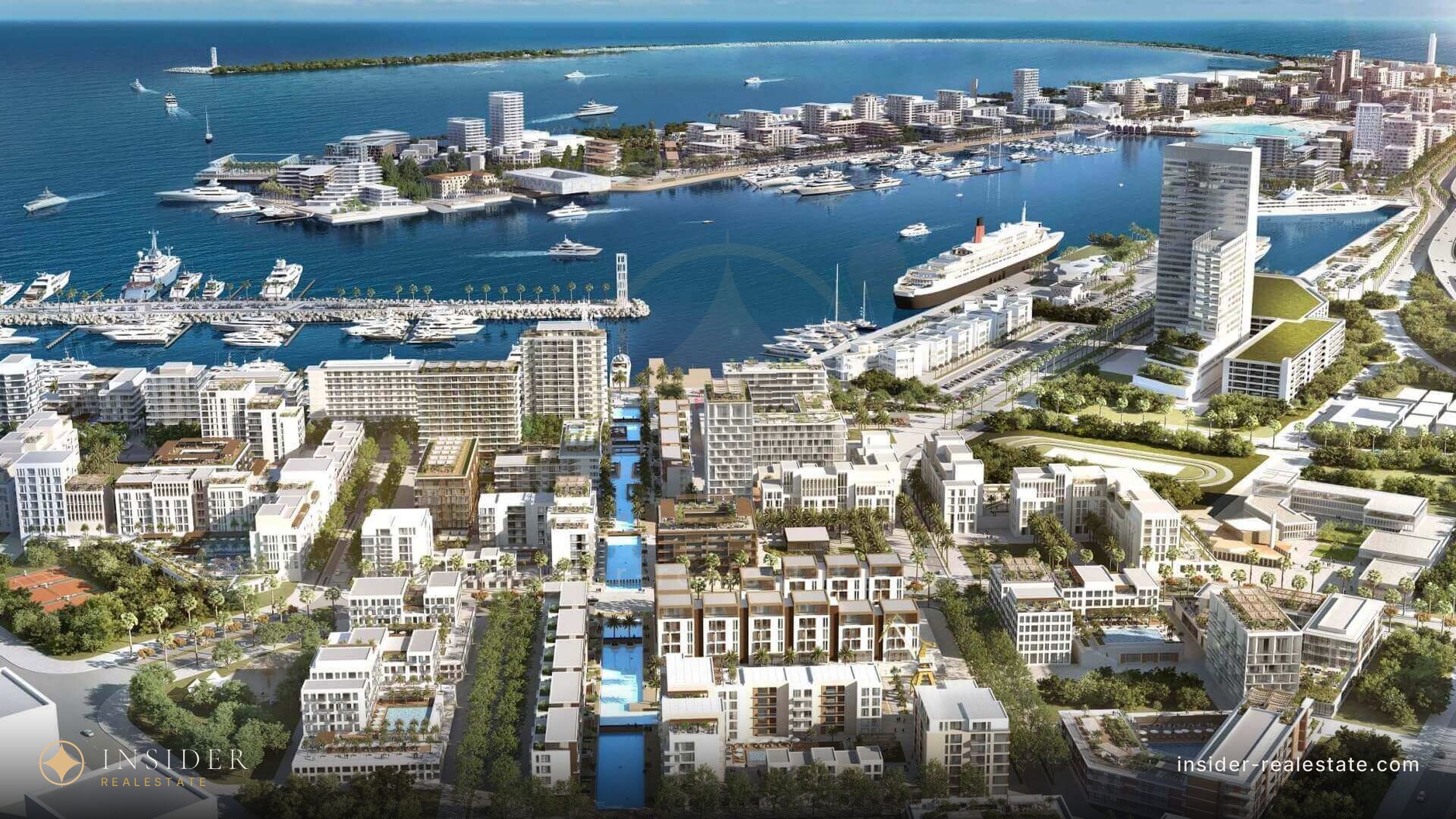
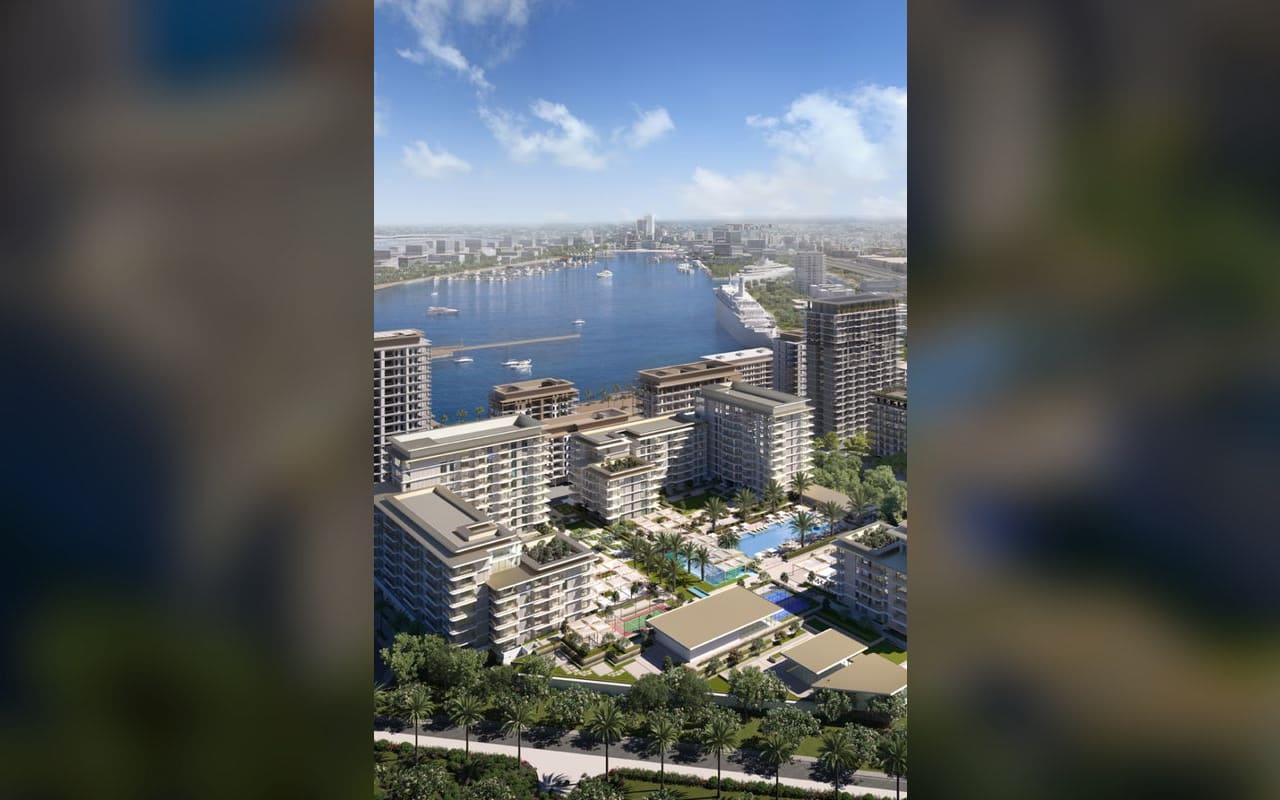
Mina Rashid is a residential waterfront district on the old port land at the mouth of Dubai Creek, immediately north of the historic centre, being developed by Emaar.
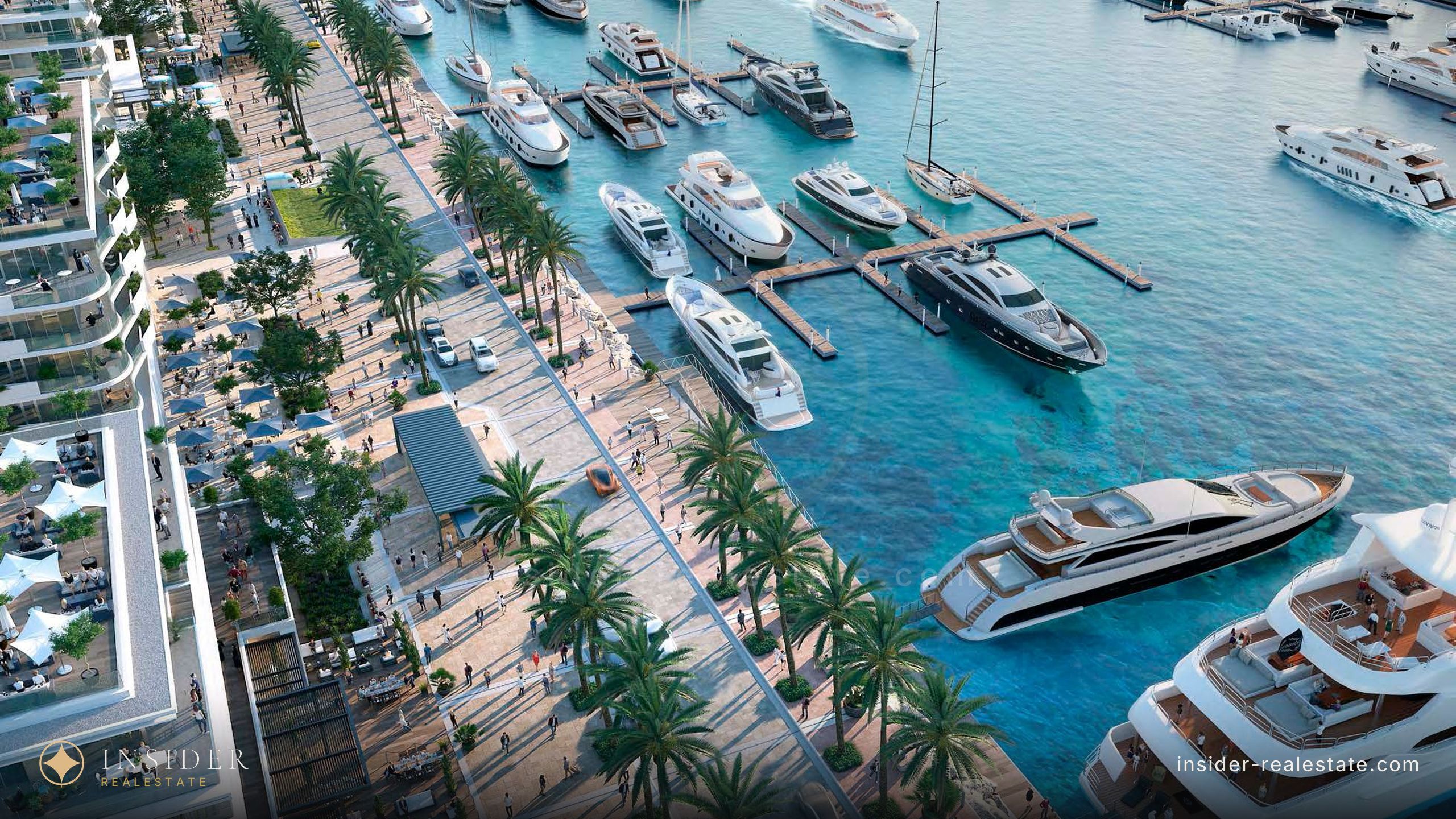
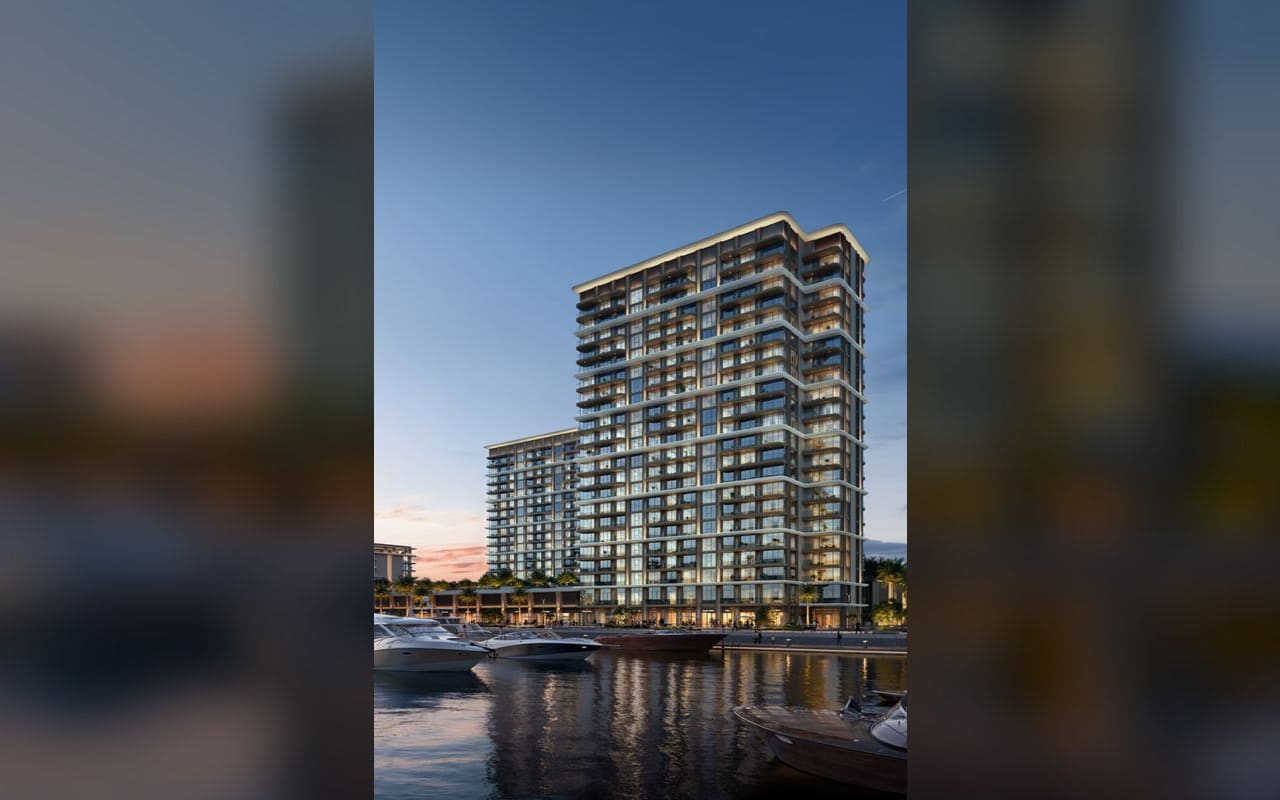
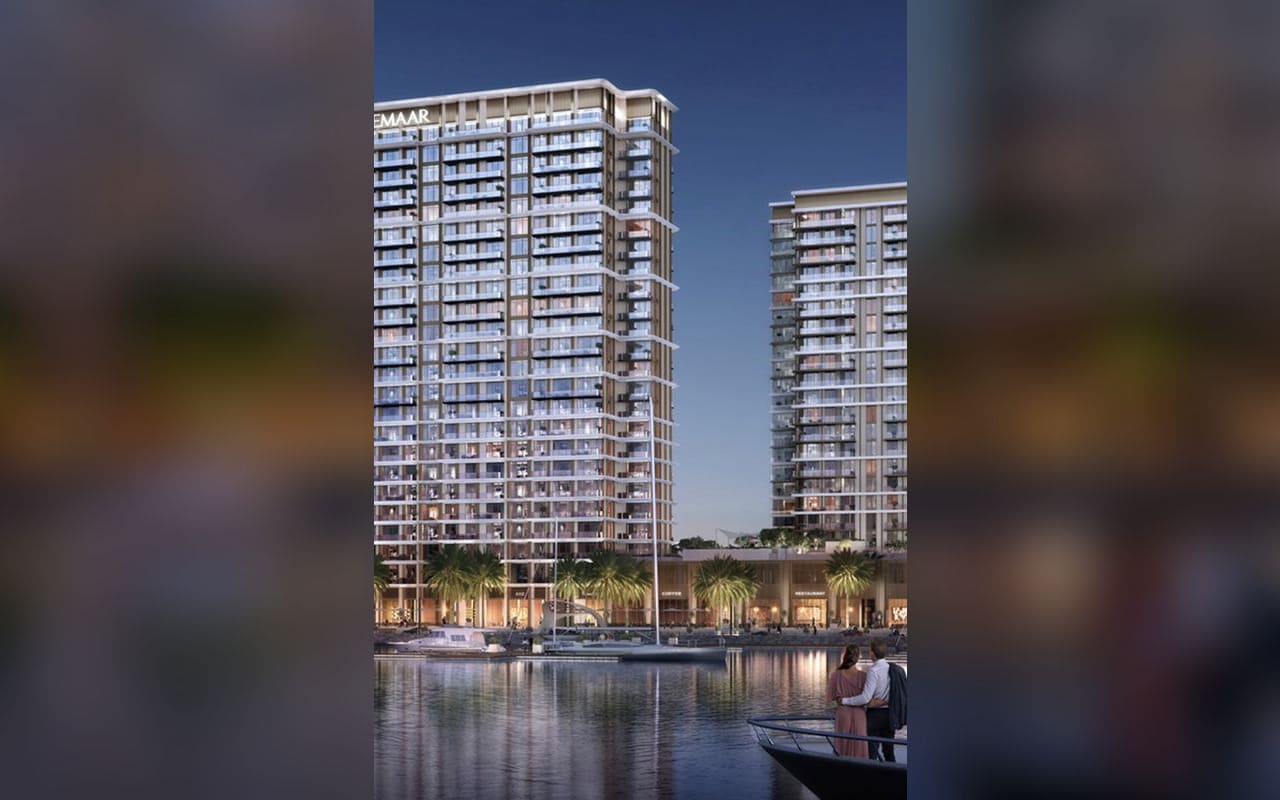
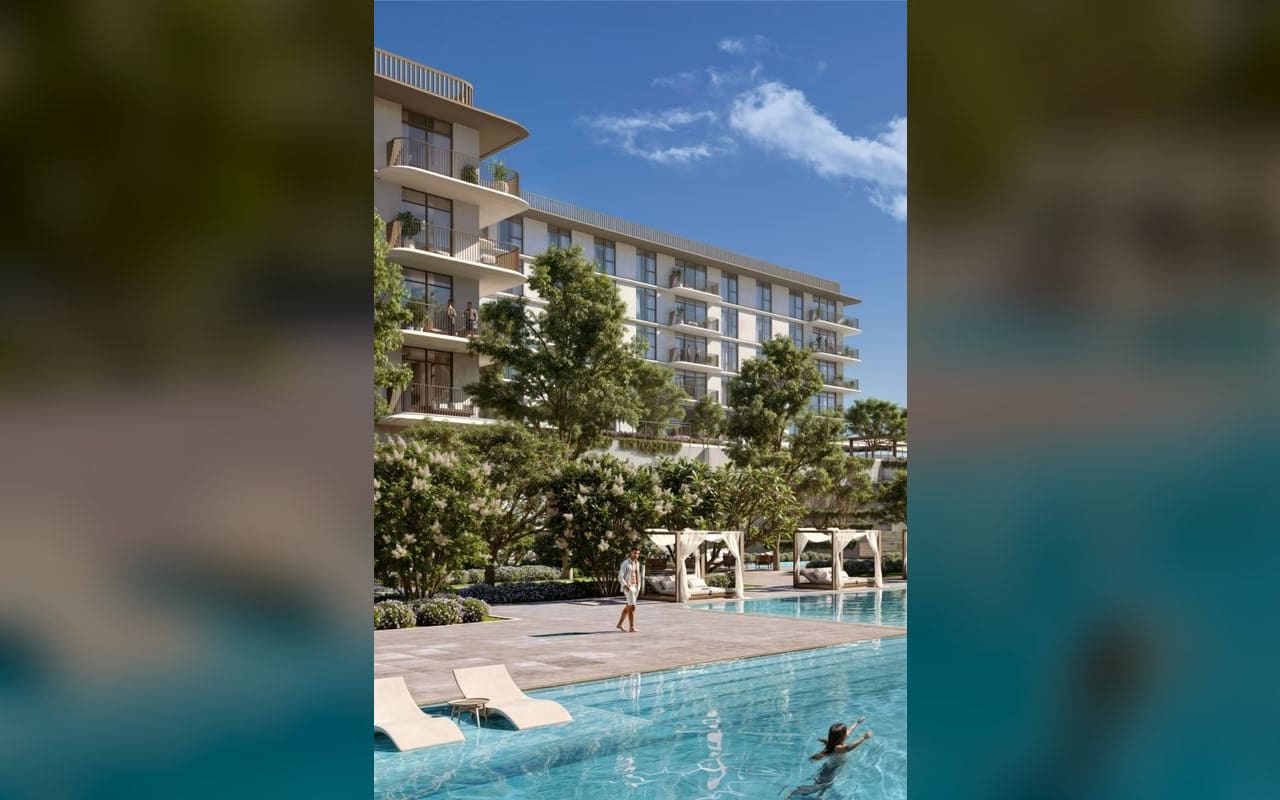
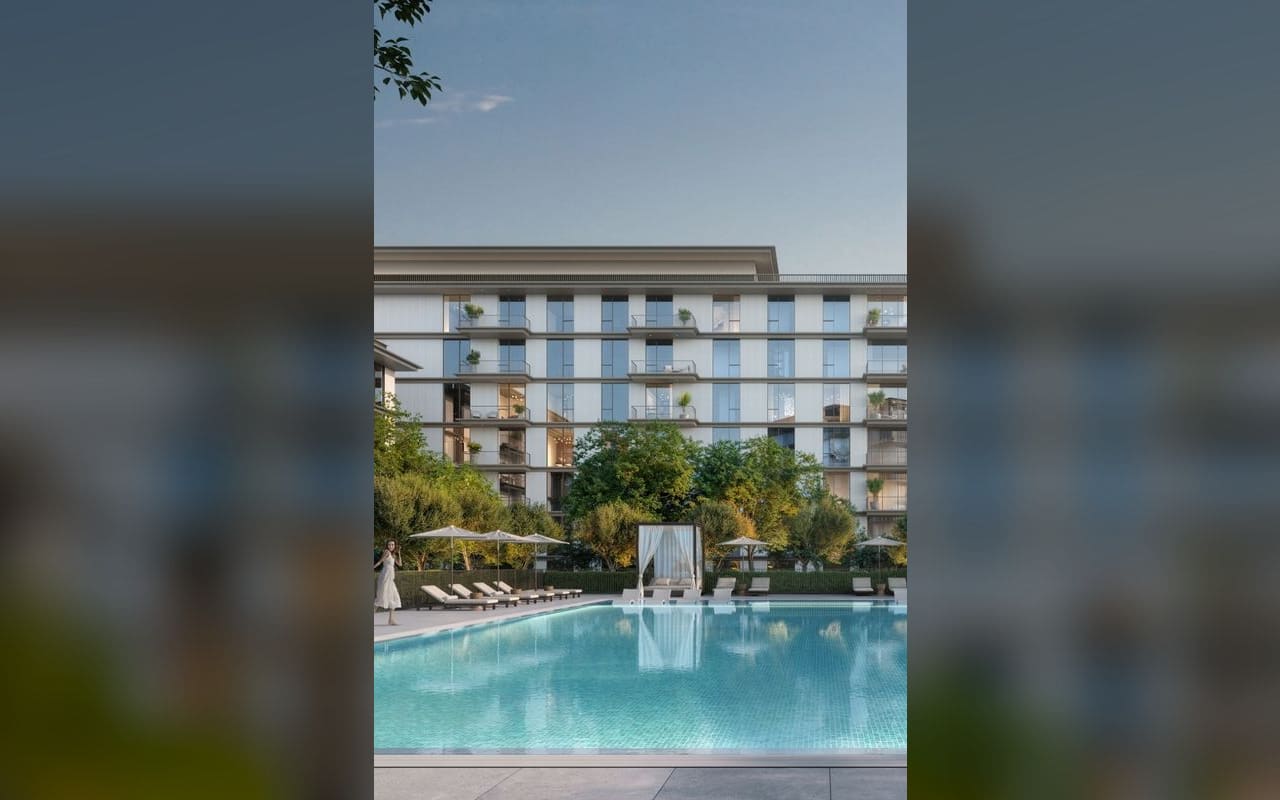
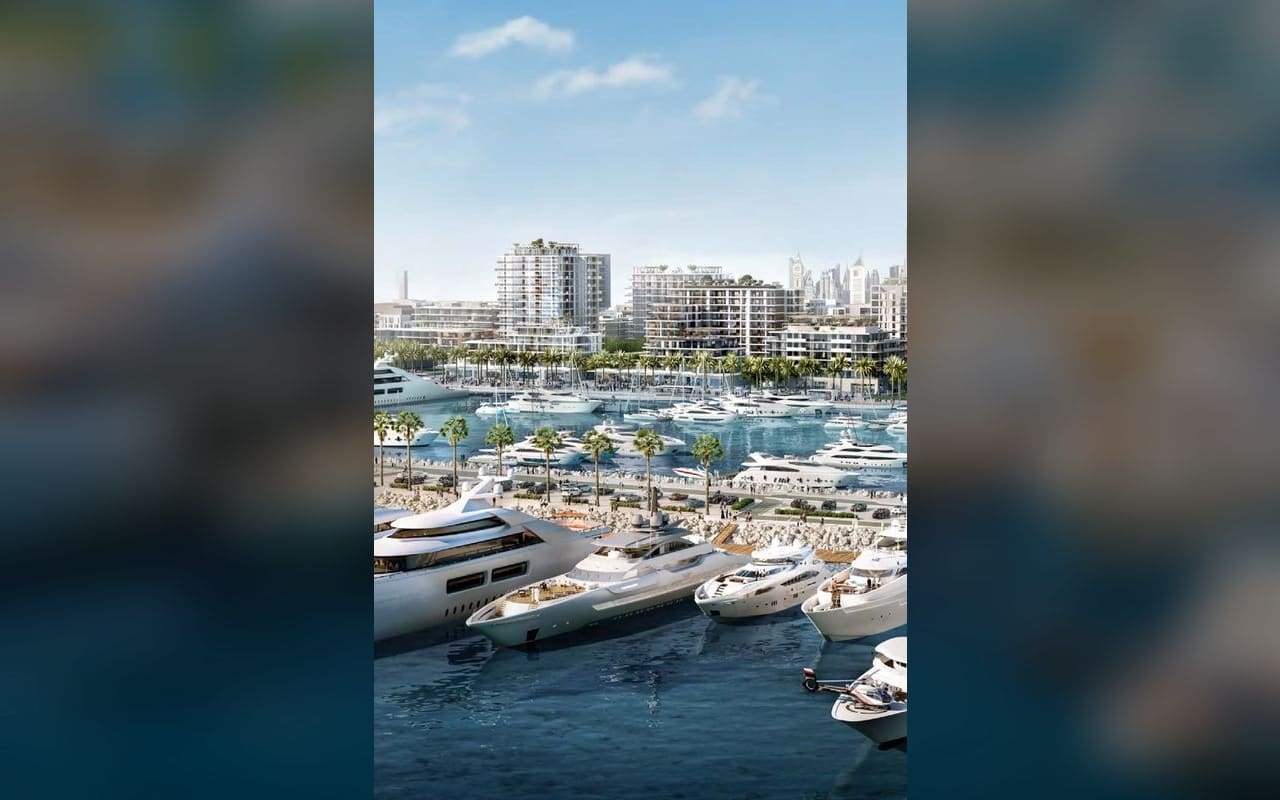
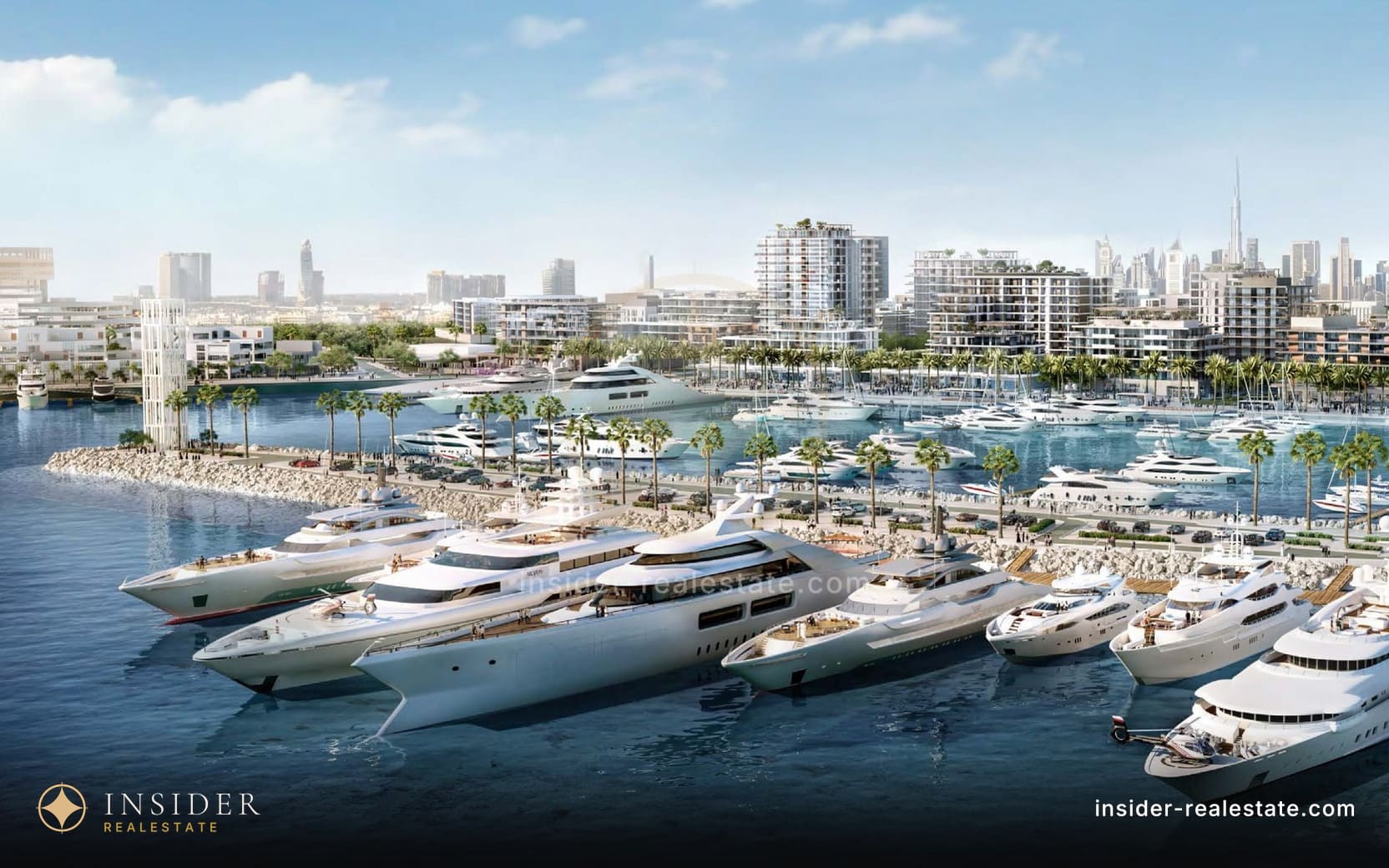
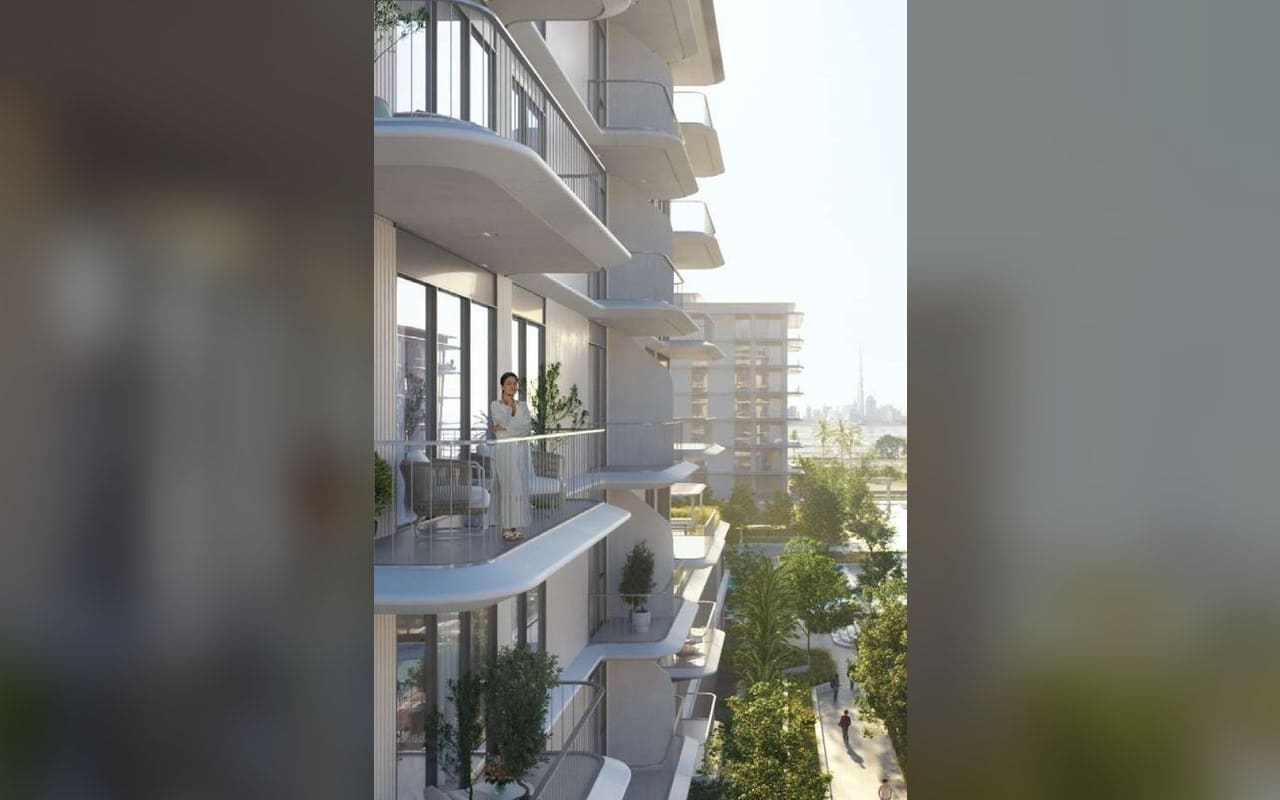
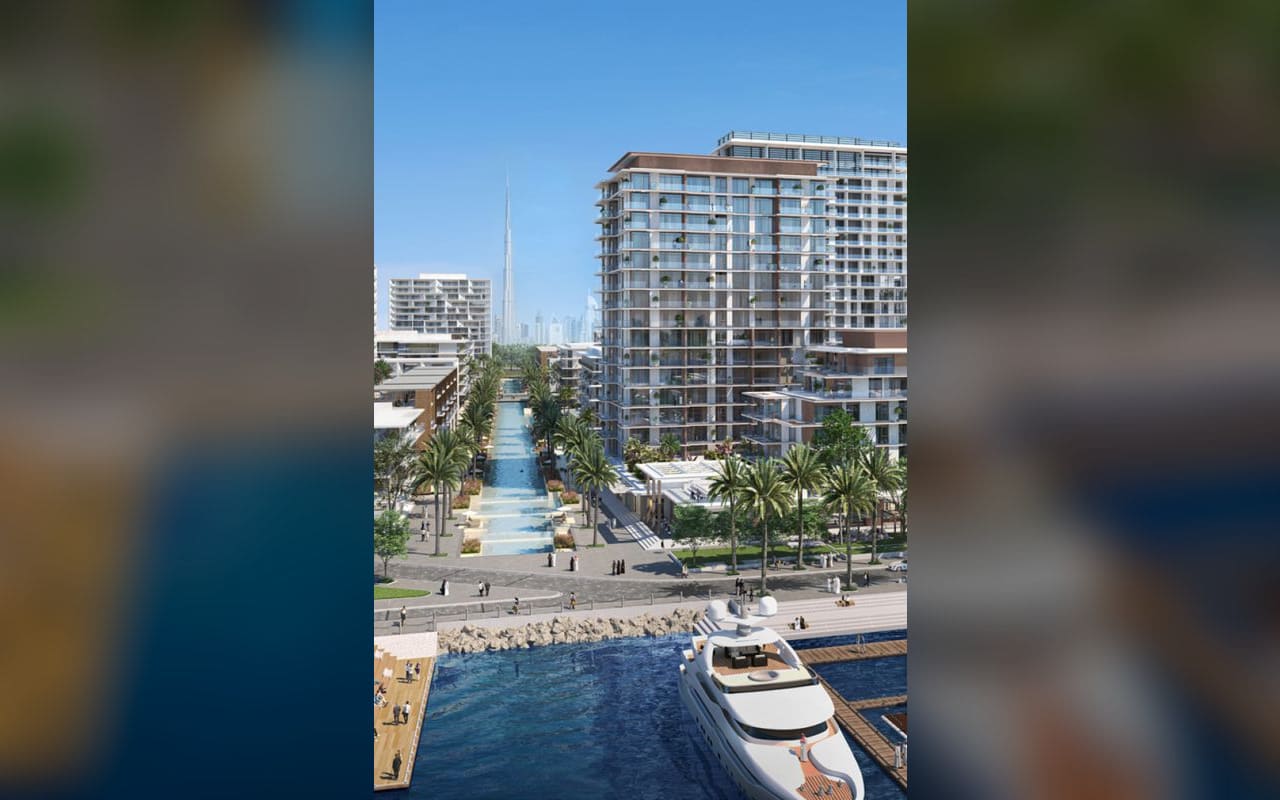
The plan includes mid-rise apartment buildings along the water, a marina targeting the superyacht market, a promenade, retail and a beach. The QE2 sits permanently berthed in the harbour as a hotel and anchor attraction.
The district connects to Deira and Bur Dubai on one side and to the Sheikh Zayed Road corridor on the other, which makes it central in a way the newer coastal developments are not.
Why port regeneration usually works
Because the land is intrinsically valuable and historically under-used. Working ports occupy prime central waterfront, and when shipping moves to a modern facility — in Dubai’s case Jebel Ali — what remains is a large, well-located, developable site.
The pattern has repeated in London, Hamburg, Barcelona and Sydney, and in most of those cities the regenerated port district became among the most valuable residential areas.
The mechanism is waterfront plus central location plus a coherent masterplan plus time. The first three are present here.
The time component
Port regeneration typically takes fifteen to twenty-five years to mature, and the early years are the hardest — living on a construction site next to an area that has not yet gentrified.
The surrounding context matters too. Mina Rashid borders Deira and Bur Dubai, which are dense, older and very different in character. That contrast can become an asset — genuine urban texture, which most of Dubai lacks — or a drag on values, depending on how the surrounding area evolves.
And the anchor attractions have to materialise. A marina district without a working marina is just apartments near water.
The current market
Entry prices at Mina Rashid have been materially below the established waterfront districts. You are buying central waterfront at a price that reflects the district being early rather than the location being poor.
Rental demand today is thinner than in mature districts, which is the honest cost of being early. Model conservative rent and a longer letting period for the first few years.
Emaar delivery and community management are the reliable elements, and they matter more in an early district than in an established one.
What to check
Which phases are under construction and which are on the board only. Buy within the former.
The marina timeline specifically — it is the feature that differentiates this district and its delivery drives much of the value case.
What is planned on the plots between your building and the water. "Waterfront" in a masterplan can mean second row once the first is built.
The service charge including the community component, noting that marine infrastructure carries cost.
The surrounding area, visited in person rather than assessed from a render.
Who it suits
A patient investor with a ten-year horizon buying the location and the regeneration thesis rather than next year’s rent. Historically this has been one of the more reliable ways to make money in property, and it requires exactly the patience most buyers do not have.
It suits poorly anyone who needs strong income now, anyone who will be unhappy living amid construction, and anyone who might need to sell quickly.
The marina and who it is for
Rashid Yachts & Marina is the anchor of the whole scheme, and it targets a segment Dubai genuinely under-serves: large vessels. Berthing capacity for superyachts in the emirate has lagged the wealth that owns them, and the existing marinas were built for smaller boats.
That gives the project a commercial rationale beyond apartments. A working superyacht marina brings crews, service businesses, brokerage and the hospitality that follows them, and it does so year-round rather than seasonally.
For a residential buyer the marina matters in two ways: it is the amenity that differentiates the address, and it is the reason the surrounding retail and dining will eventually be worth having.
Its delivery timeline is therefore the number to watch. A marina district with the marina operating is a different asset from one with the berths still under construction.
What Emaar changes about the risk
Early-stage regeneration is normally a bet on a developer as much as on a location, and that is where most of these projects fail. Emaar removes a large part of that risk: it delivers, it manages communities properly afterwards, and international buyers recognise the name at resale.
That does not make the timeline shorter. It makes it more predictable, which is a different and more useful thing.
It also means the community charge will be set and collected properly, and that the landscaping and common areas will still look like the render in ten years — which in a district being judged by early visitors matters more than it sounds.
The trade-off is price: Emaar does not sell at a discount to the market, so the entry here reflects the developer as well as the district.
Living beside old Dubai
Mina Rashid borders Bur Dubai and Deira, which are dense, old, commercial and completely unlike the polished environment around the southern coastal developments.
For some buyers that adjacency is the appeal — real streets, real markets, the abra crossings and the historic quarter within walking distance, which is texture that Dubai Marina simply does not have.
For others it is a drawback, and it is worth being honest with yourself about which you are before committing. Spend an evening in the surrounding area, not just in the sales centre.
Practically it also means excellent metro coverage, genuinely central access to the whole city, and an amenity base that already exists rather than being scheduled for phase three.