What counts as a distress deal in Dubai?
A distress deal is a property the owner sells below market because they need cash urgently or cannot pay the developer. The first yardstick is the discount to the OP — the original price paid to the developer.
The second yardstick is the three lowest asking prices on the open market. Pick a building with a hundred units for sale and look at the three cheapest. A price at their level is a good deal; below them is a great one.
A simple example: similar flats in a building average a million, the cheapest are 900 thousand. Distress here means 900 thousand and below. Check carefully: portals carry flats that are already sold or let, and prices that do not exist.
How much cheaper is distress than the market?
The usual discount is 10, 20 or 30% off the developer price. Deals from the last few months:
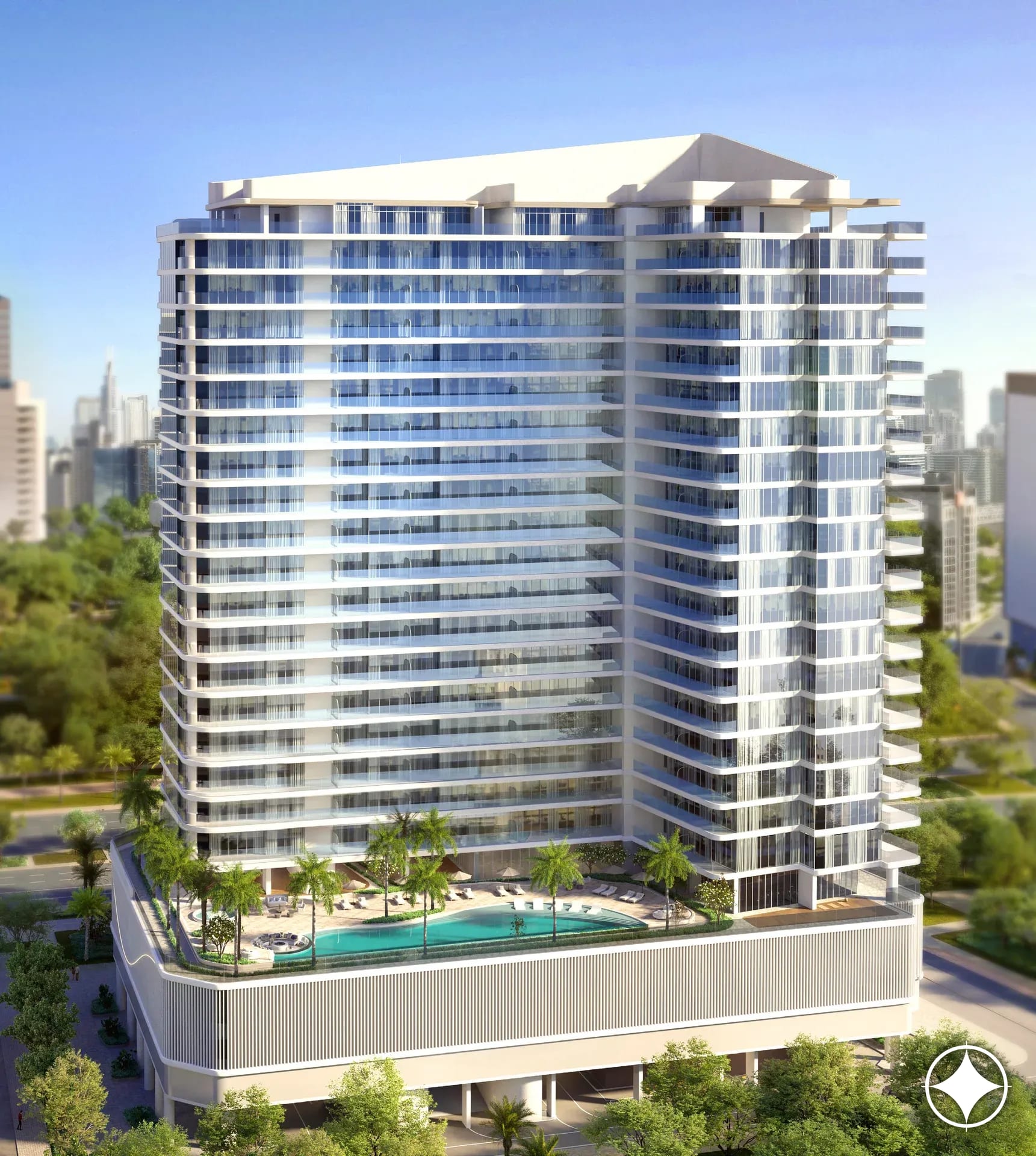
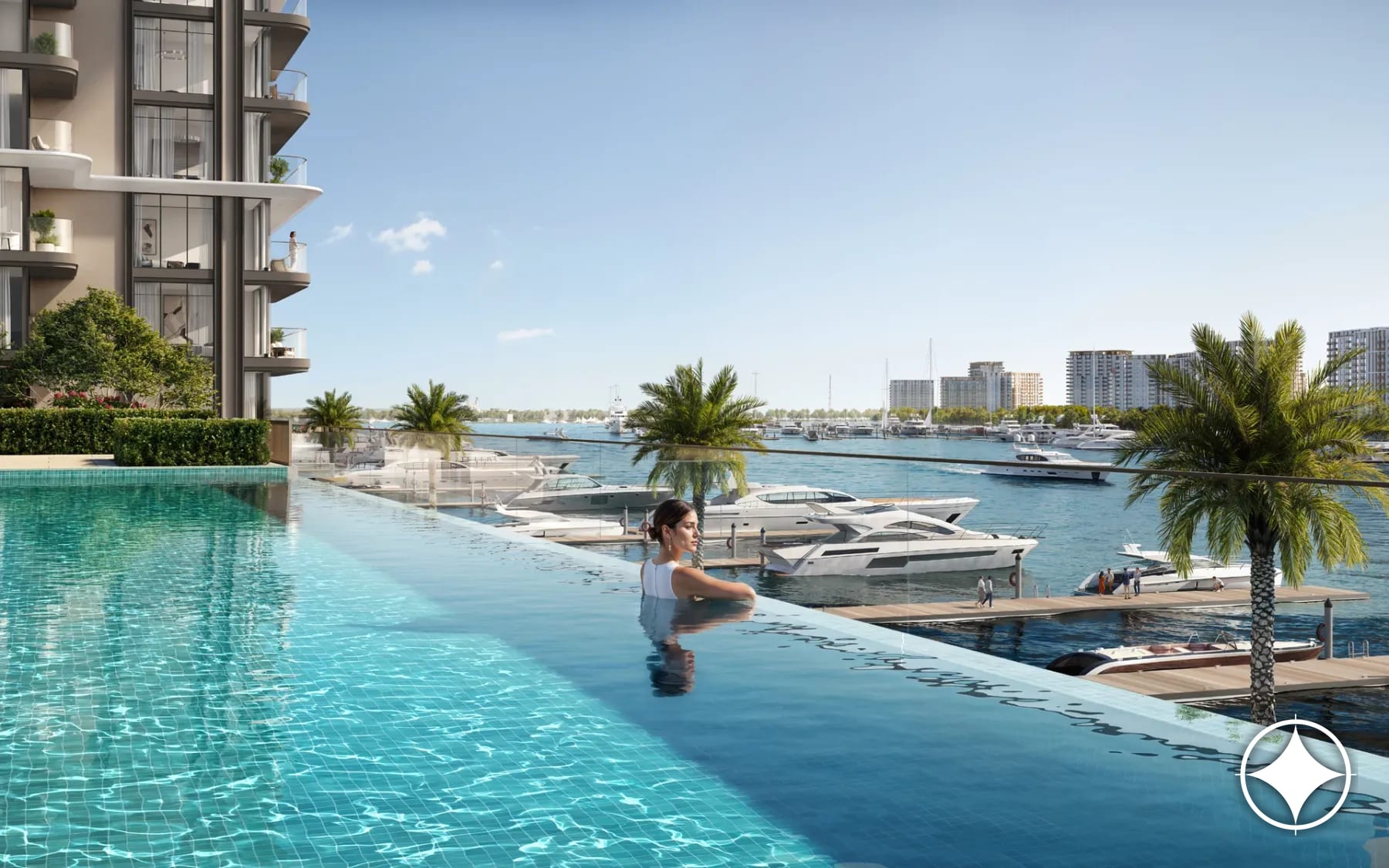
A full floor in a residence at Dubai Harbour — about 21% below the developer price. The Como residence on the Palm: developer price AED 56–58 million, offered at 48 million — roughly 10 million off.
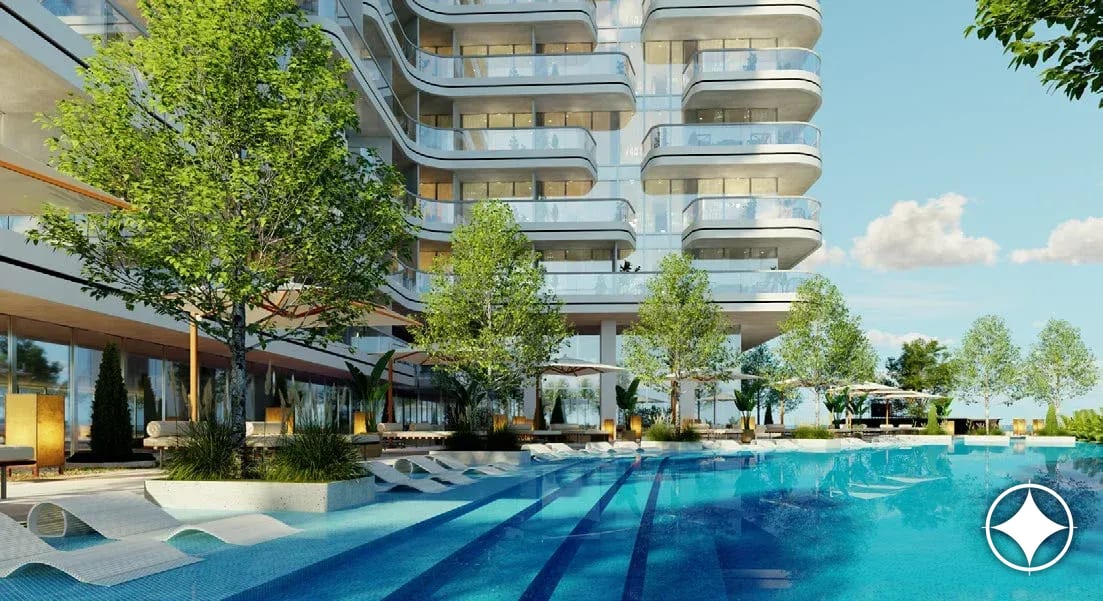
Landowner units in Dubai Land Residence Complex: 130 m² with a pool on the balcony at AED 1.2 million against a developer price of 1.8 million, handover at the end of 2028 or in Q1 2029. A two-bedroom townhouse in Reportage Village — about AED 1.15 million, while finished ones next door cost 1.8–1.9 million.
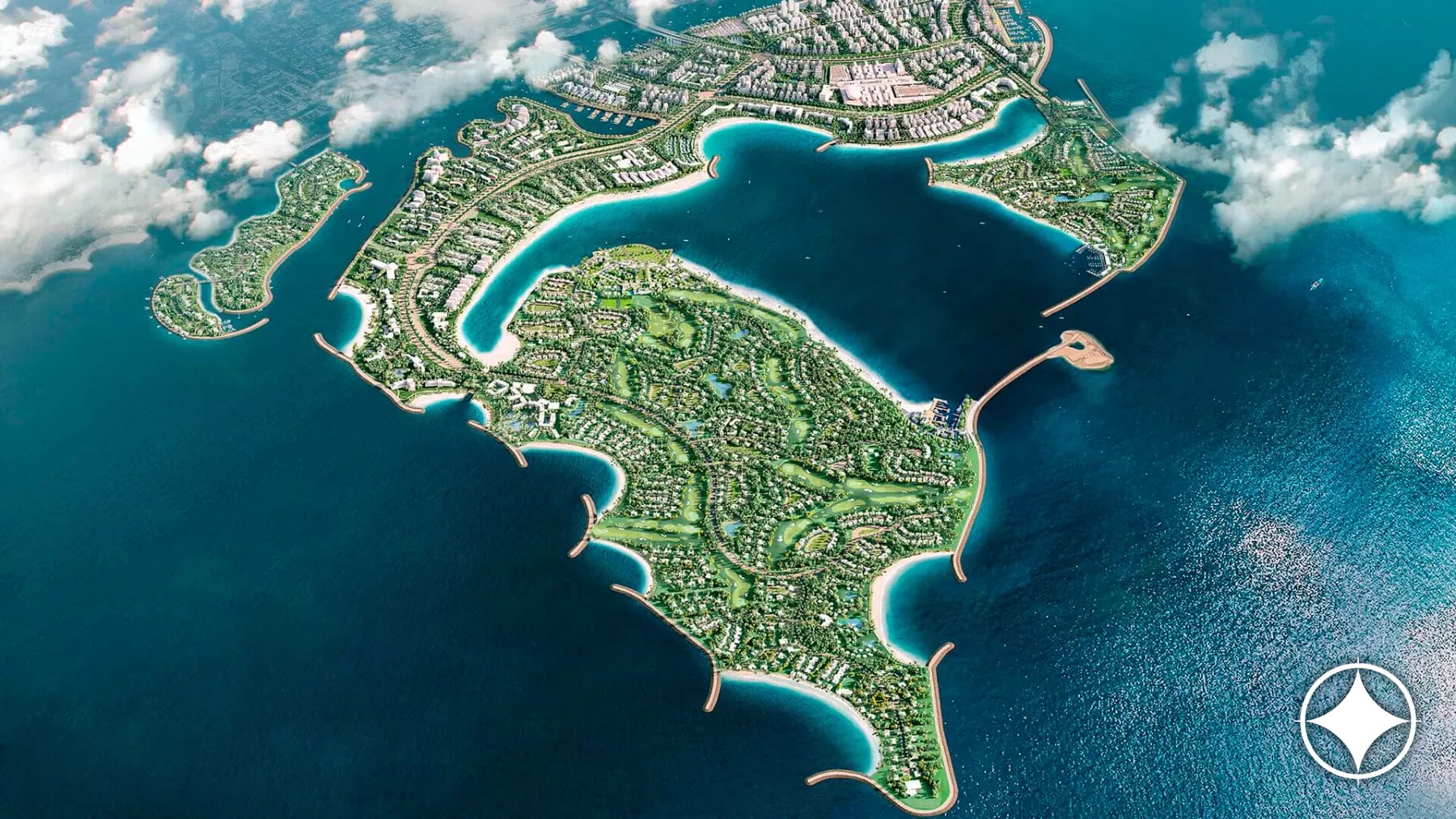
The strongest demand among distress deals right now is for DAMAC Lagoons and DAMAC Islands.
Where do units below the developer price come from?
There are two sources. The first is investors who bought during construction and cannot keep up with the payment plan. The second is landowners: they give a plot to a developer as a joint venture, take part of the payment in units and then sell those below the price list.
Homes make up the market: apartments, villas and townhouses. Offices and other commercial units come up only occasionally.
Should you buy a finished flat below the developer price?
With care. If the building is finished and a unit is still selling below its launch price, it is most often a weak property. There are exceptions — which is why I compare the price with the three lowest offers in the building, not only with the OP.
And not every discount is a reason to buy. Units from some developers, including large and well-known ones, did not sell even at 25% below the purchase price.
How do you check the seller's balance with the developer?
From the developer's Statement of Account: it shows what has been paid and what is left. In more than half of deals the buyer clears that balance as part of the price.
There are hard cases: the unit is already blocked and the developer is sending letters about cancelling the contract. For those we bring in a conveyancing company, whose job is to keep the risks for buyer and seller to a minimum.