Dubai skyscrapers: how the skyline grew from the 1979 World Trade Centre to Burj Azizi
In 1979 Dubai's tallest building was the 149-metre World Trade Centre. Today the UAE has 37 towers above 300 metres — second only to China's 122 and ahead of the US with 31. Five record holders, what comes next, and what height means for a buyer.
Dubai's skyline looks permanent, yet nearly all of it was built within a single generation. In the late 1970s one tower stood above the city; most of the buildings above 300 metres have gone up in the last fifteen years. Tracing the succession of record holders explains a good deal about today's market — why Sheikh Zayed Road became the city's shop window, and why a view of a tower is priced as a feature in its own right.
Five record holders
| Building | Year | Height | What it changed |
|---|---|---|---|
| Dubai World Trade Centre | 1979 | 149 m | the city's first high-rise, opened by Queen Elizabeth II on what was then the edge of town |
| Burj Al Arab | 1999 | 321 m | a hotel on its own island that turned Dubai into a global image |
| Emirates Office Tower | 2000 | 355 m | the start of the tower wall along Sheikh Zayed Road |
| Almas Tower | 2008 | 360 m | anchor of JLT and the DMCC diamond exchange |
| Burj Khalifa | 2010 | 828 m | the world's tallest building and the core of Downtown |
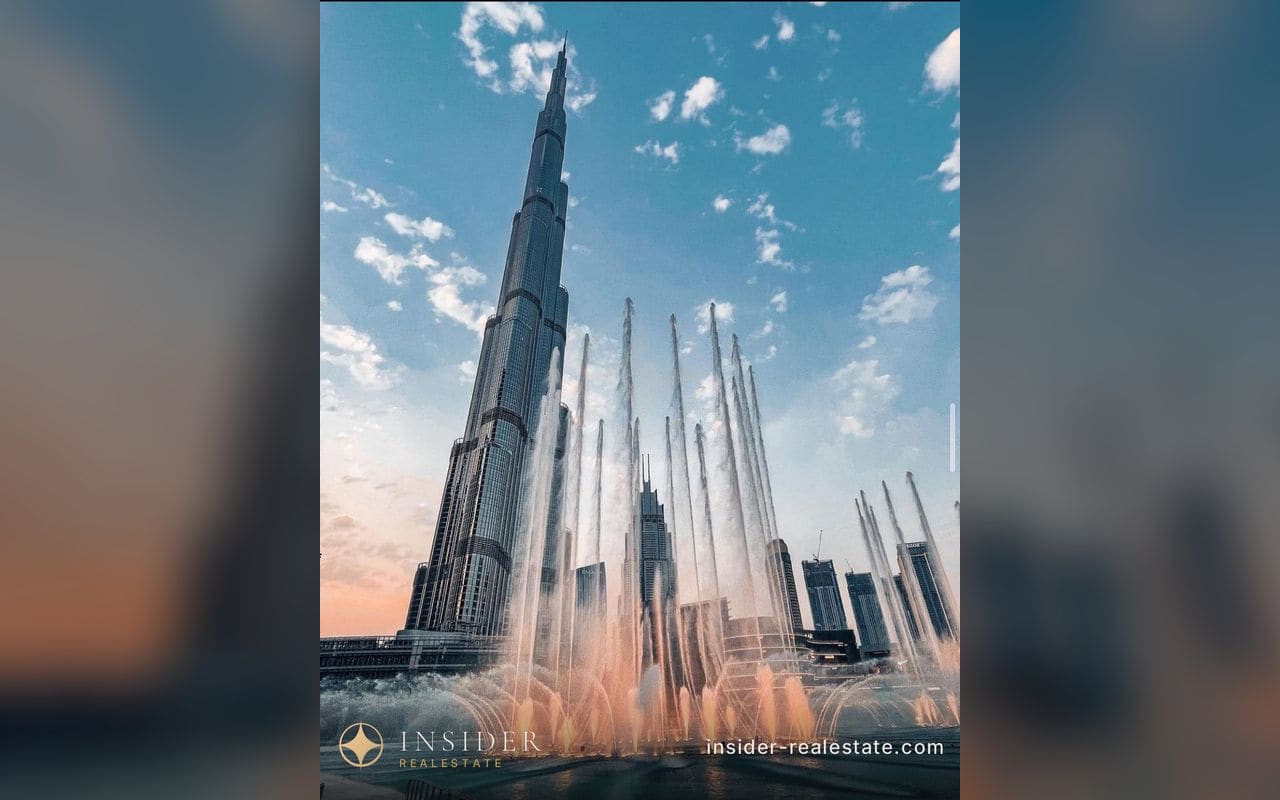
Each new record moved the city's centre of gravity. The Trade Centre stood on the outskirts; it is now mid-town. Burj Khalifa rose on empty land beside the highway and pulled Downtown, one of the emirate's most expensive districts, into being around it. How much of a gamble that was at launch is covered in our history of the tower.
Where the UAE ranks
According to the Council on Tall Buildings and Urban Habitat, the UAE had 37 completed buildings above 300 metres in 2025 — second in the world after China with 122, and ahead of the United States with 31. Most are in Dubai and nearly all are less than fifteen years old. The pipeline is still full: see six of the twenty tallest towers under construction.
Talk to a licensed broker: 📲 +971 50 120 32 64 on WhatsApp, @dubai_oleg on Telegram
What comes next
- Burj Azizi on Sheikh Zayed Road, at about 725 metres, will become the world's second-tallest building. The developer targets 2028; earlier statements gave later dates. Details in our Burj Azizi report.
- A 71-storey Sobha tower in Sobha Hartland II, Meydan: around 300 metres and only 105 four- and five-bedroom residences, sold by invitation.
What height means for a buyer
Height does not guarantee appreciation, but it produces two durable effects. The first is the view: an apartment with an open line to Burj Khalifa or the sea trades at a clear premium over the same layout next door, and that premium survives resale if the view is protected — no vacant plot waiting for a tower in front of it. The second is scarcity at the top: a supertall has only a handful of penthouses and sky villas, and those units hold value longest.
The cost is operational. High-speed lifts, facade cleaning at altitude and life-safety systems push service charges above those of a mid-rise. Model your yield after those charges, not before.
Homes in the city's best-known tower are on the Burj Khalifa page, with the corridor explained in our Sheikh Zayed Road guide.
In the news
Other write-ups on the site about the same thing.
Burj Azizi: a 725-metre tower on Sheikh Zayed Road, set to be the world’s second tallest
Azizi Developments is building a 725-metre skyscraper on Sheikh Zayed Road for $1.5bn: a seven-star hotel, a vertical mall and an observation deck at 649 metres — higher than Burj Khalifa’s. Completion in 2029, apartments from AED 8.6m.
Dubai skyscrapers: Corinthia Dubai above 500 metres and Al Habtoor’s AED 5bn tower in Al Habtoor City
Corinthia Dubai, twin towers above 500 m on Sheikh Zayed Road with a rooftop pool and a Corinthia hotel, is due by 2030. Al Habtoor Group has announced an AED 5bn ($1.36bn) office tower in Al Habtoor City. What the two projects say about the market and who should care.
Freehold on Sheikh Zayed Road and in Al Jaddaf: 457 plots can open to foreign buyers
In January 2025 DLD allowed owners of 457 private plots — 128 on Sheikh Zayed Road and 329 in Al Jaddaf — to convert them to freehold for all nationalities, for a fee of 30% of the valuation based on gross floor area. What it means for apartment buyers.
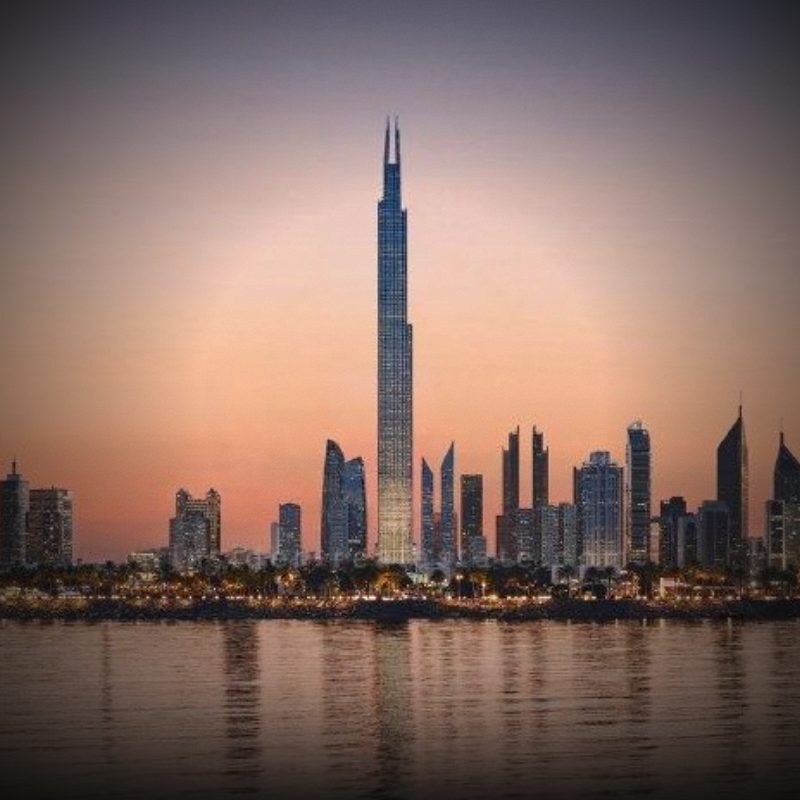
Dubai and Sharjah new builds: AED 3.7bn of construction contracts for La Tilia, Burj Azizi and Sukoon
In April 2026 three developers signed AED 3.7bn of construction contracts: AED 1.1bn for 850 La Tilia townhouses in Villanova, AED 1.1bn for Burj Azizi's steel frame and AED 1.5bn for 859 Sukoon villas in Sharjah. What a signed main contract tells an off-plan buyer.
Living on Sheikh Zayed Road: floor and aspect decide almost everything
A corridor of towers along a twelve-lane highway. The address could not be more central, and almost everything here comes down to the floor and the side of the building.
An apartment in the Burj Khalifa: what it costs and whether it works as income
The most recognisable building on earth and one of Dubai\u2019s most argued-over assets. What is actually sold inside it, how the price per foot compares with the rest of Downtown, and why investors so often buy the tower across the road instead.
Below market in Zabeel right now
From the daily off-market feed. Availability and price are confirmed on request.
All below-market listings →