
Setting up a company in the UAE: free zone or mainland, and what 9% corporate tax means
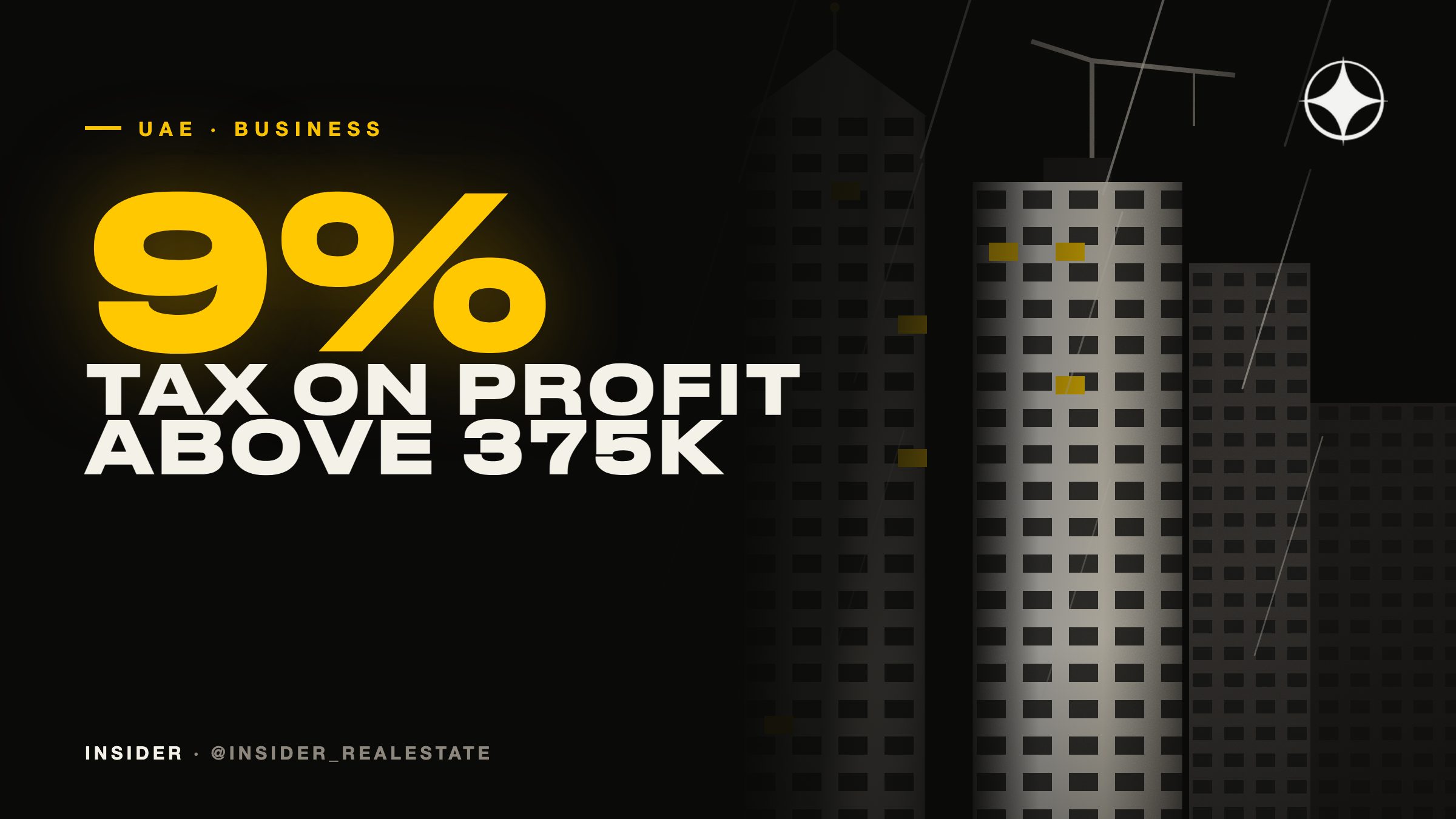
A free zone licence starts around AED 15 000 and a mainland one runs to AED 50 000. Corporate tax is 9% above AED 375 000 of profit, with relief below AED 3m of revenue. What to choose, and the three mistakes made at the outset.
People incorporate in the UAE for three reasons: to trade with the local market, to hold residency that does not depend on an employer, and to book international revenue in a low-rate jurisdiction. Each points to a different structure, and that is where the free zone versus mainland decision is actually made — not on the licence fee.
Free zone: fast, cheaper, with one limit
A free zone is a self-contained regime with its own registrar. Registration is quick, costs are predictable, and most zones do not require physical premises: packages bundle a licence, a desk and a visa quota. Licence costs start at roughly AED 15 000 a year and rise with the zone, the activity and the number of visas.
The constraint is the market. A free zone company cannot sell goods and services directly to customers on the UAE mainland; that requires a local agent or a mainland branch. If your clients are largely outside the Emirates, or are themselves free zone companies, the limit does not bite.
Talk to a licensed broker: 📲 +971 50 120 32 64 on WhatsApp, @dubai_oleg on Telegram
Mainland: more expensive, no market limit
A mainland licence is issued by the emirate's department of economic development. It allows trade with any customer inside the country, participation in government tenders and premises anywhere. In exchange the entry cost is higher — up to AED 50 000 and beyond depending on activity — with requirements for premises and a registered lease.
Since 2026 the boundary has softened: free zone companies may open branches on the mainland without re-registering entirely. That removes the old dilemma — you can start in a zone and add mainland presence when local clients appear.
Three rates to keep apart
- 0% on profit up to AED 375 000 a year. This applies to everyone.
- 9% on profit above that threshold. The headline corporate tax rate.
- 0% for free zones — but only on Qualifying Income and only for a Qualifying Free Zone Person. It is not automatic: it requires genuine substance in the zone, compliance with transfer pricing rules, audited accounts and staying within the de-minimis threshold for non-qualifying income.
- 15% domestic minimum top-up tax for large multinational groups with revenue above €750m. It has nothing to do with small and medium business, but it surfaces constantly in conversation and frightens the wrong people.
Separately, there is small business relief: a company with revenue up to AED 3m may elect a regime under which no corporate tax is paid. The ministry has extended that measure to the end of 2029.
Add VAT at 5% once turnover passes the registration threshold. That is a separate tax and does not depend on the free zone versus mainland choice.
What actually costs money beyond the licence
Setup budgets are almost always understated because only the licence goes into them. The full first-year list:
- licence and registration fees;
- a desk or office — mandatory on the mainland, package-dependent in a zone;
- visa quota and processing: medical, Emirates ID, stamping;
- a corporate bank account — banks charge for maintenance and expect a minimum balance;
- accounting and audit — reporting is mandatory now that corporate tax exists, and audited accounts are required for Qualifying Free Zone Person status;
- registration for corporate tax and filing on time.
Three mistakes at the outset
- Choosing a zone on package price. Zones differ in permitted activities, in standing with banks and in location. A cheap licence in a zone banks dislike turns into months spent opening an account.
- Reading "free zone" as "no tax". Zero applies to Qualifying Income under satisfied conditions, not to any profit of any company registered in a zone. Serving mainland clients through a zone company without the right structure breaks that status.
- Incorporating purely for a visa. An investor visa does grant residency, but the company then carries annual obligations: licence renewal, reporting, tax registration. If status is the only objective, buying property from AED 750 000 grants a residence visa with no operating overhead, and from AED 2m a ten-year Golden Visa.
Choosing in five minutes
Clients inside the UAE, retail, government contracts, a physical location — mainland. International clients, consulting, IT, trade outside the country, a need for fast and predictable registration — free zone. Mixed — a zone company plus a mainland branch once local clients materialise. And in every case the structure is decided with a tax adviser before registration rather than after the first return.
Video on this topic
The same subject on the English channel — each clip has a written version of its own.
 21:45Furnished offices in Business Bay: Rove HQ and the fitted-office model16 October 2025
 10:32Lumena Alta by Omniyat: Dubai’s most luxurious office tower12 October 2025
 1:35Binghatti Aquarise, Business Bay: the pitch and the reality check12 September 2025
 1:17Skyrise by Binghatti: a landmark tower at mid-market pricing11 September 2025


Related reading
Other write-ups on the site about the same thing.

A company in Dubai in one day: how Dubai South Business Hub works, and why the UAE wants 2 million companies by 2031
Dubai South’s free zone issues a same-day e-licence for qualifying digital activities, from AED 12 500, entirely online. At the national level the goal is bigger: from 1.2 million companies today to more than 2 million by 2031, plus at least ten new unicorns.
How many visas a licence actually carries
A company sponsors residence permits — but not an unlimited number. The quota is set by the licence and the premises, and it is the constraint families discover after incorporating.

Business in Ras Al Khaimah in 2026: the AI free zone Innovation City and record RAKEZ growth
RAKEZ registered close to 19 000 new companies in 2025 — a 44% year-on-year jump, taking the zone past 40 000 active businesses. Next door, Innovation City is coming online: an AI, Web3 and robotics free zone built on the site of the former RAK DAO.
Free zone plus mainland: UAE free zone companies can now open onshore branches
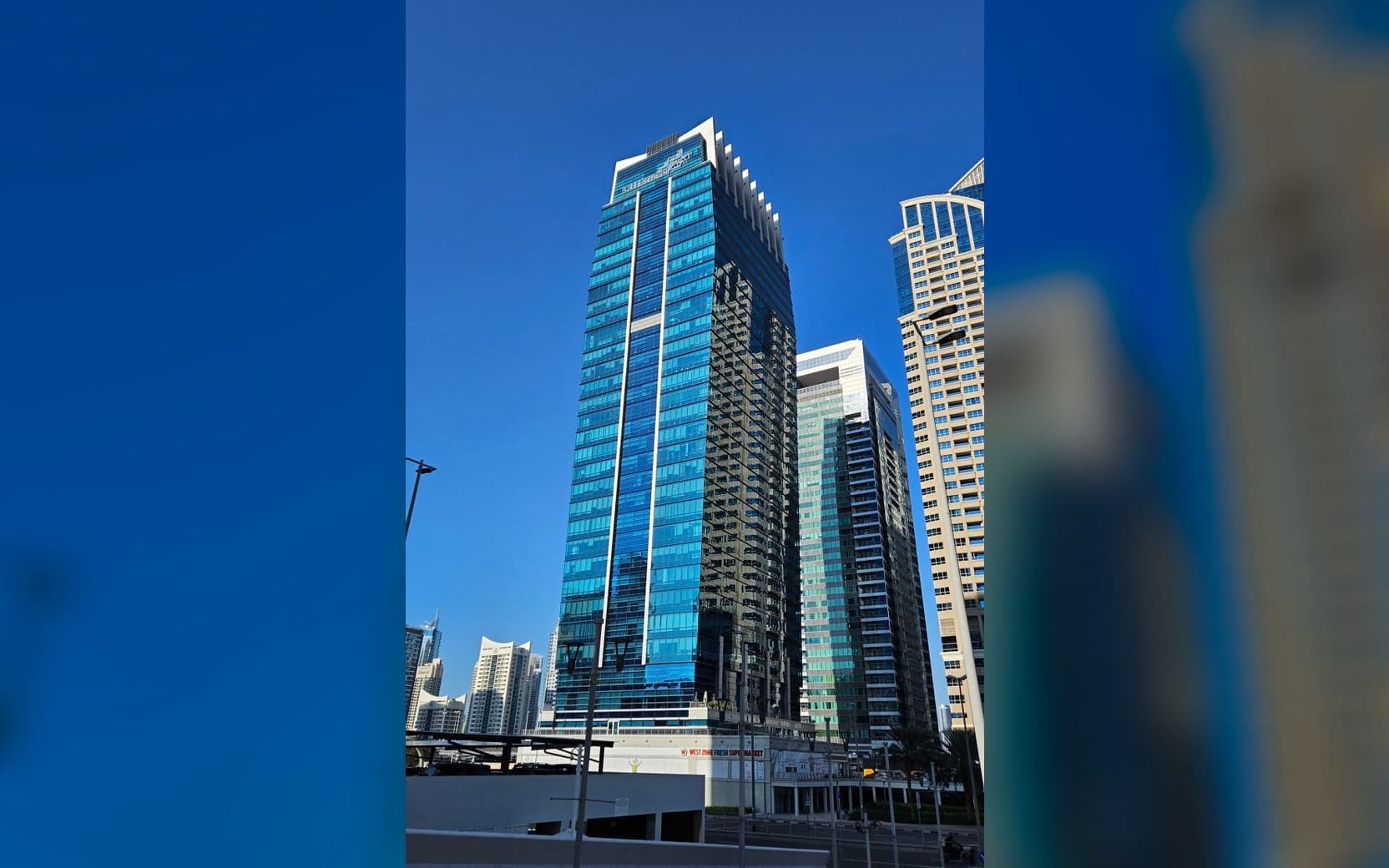
Since 1 January 2026, a company registered in a UAE free zone can officially open a mainland branch — serving the local market while keeping free zone benefits. How the hybrid works and what it means for business structures and the office market.

UAE business opportunities visa: a sponsor-free visit visa for 60, 90 or 120 days
The UAE visit visa for exploring business opportunities needs no sponsor and runs for 60, 90 or 120 days, single or multiple entry. In Dubai it costs AED 200/300/400 plus a AED 1 000 deposit and takes 48 hours. Who needs it, and where it fits before a property purchase.

Free company setup in the UAE: a programme for young entrepreneurs
The Young Entrepreneurs’ Business Setup Program gives young founders a package worth over AED 15 000 free of charge: company registration, a corporate account, tax registration, a virtual office and a year of hosting.