
 −19%
−19% Al Barsha
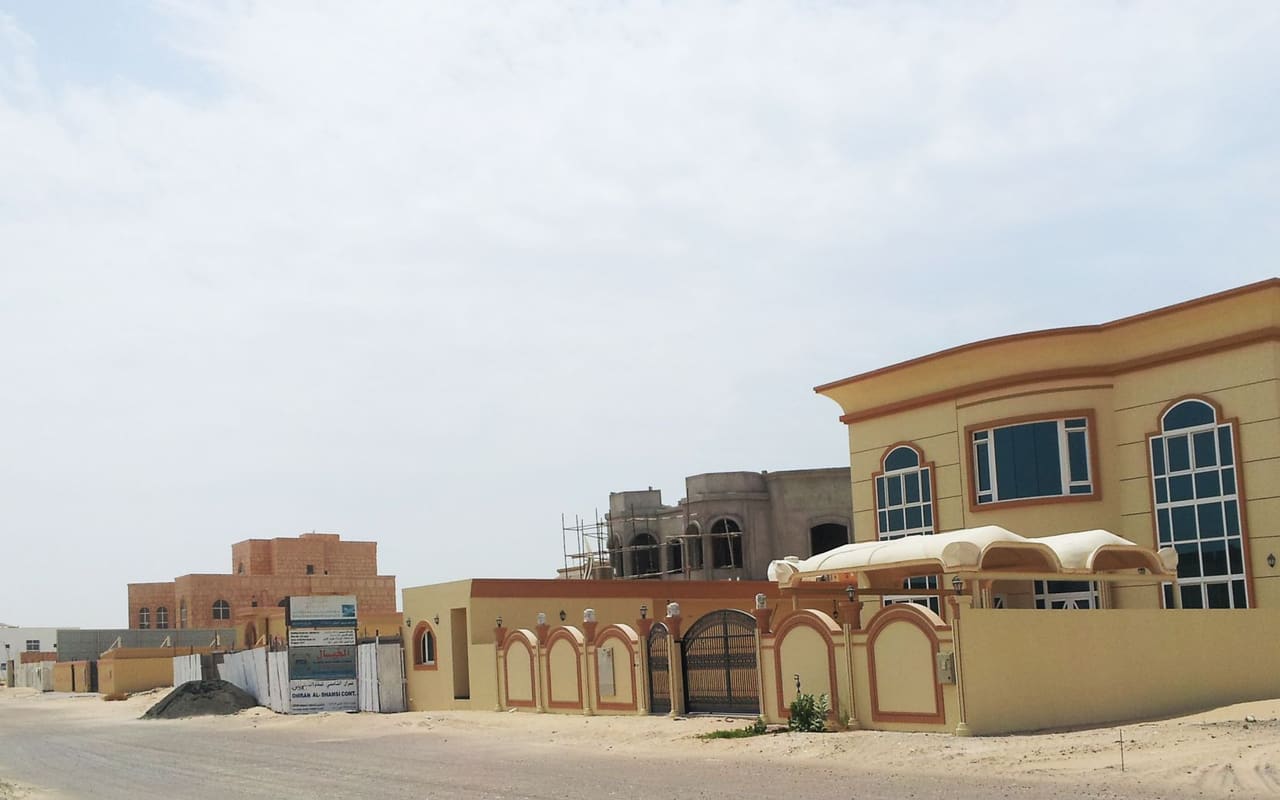
The district around Mall of the Emirates: villas, apartments, hotels and a metro station, all mixed together.
9 units in stock. 7 with a confirmed status: 4 ready, 3 under construction. 79th most expensive of 91 districts by median price.
- schools and healthcare
- metro access
- deep tenant demand
Median price $487K AED 1,790,000
Entry price $174K AED 640,000 — cheapest unit
Per square foot $368 AED 1,350 / sq ft, median
Ready stock 57% 3 units discounted, up to −19%
What is nearby, and what it does to the price
What this area is actually like
What Al Barsha is
Al Barsha is a large mixed district inland of Sheikh Zayed Road, centred on Mall of the Emirates and divided into Al Barsha 1, 2 and 3, plus Al Barsha South and Al Barsha Heights (formerly TECOM).
The mix is unusual: villa neighbourhoods, apartment buildings, hotels, schools, hospitals and one of the largest malls in the city, all within the same district.
It has a metro station on the red line at Mall of the Emirates, which makes it one of the few genuinely mixed districts with rail access.
Why it works for families
Al Barsha contains a dense concentration of schools, including several of the larger international schools, plus hospitals, clinics and the full retail range at Mall of the Emirates.
That combination — schools, healthcare, retail and metro in one district — is rare, and it is why Al Barsha has such a stable family population.
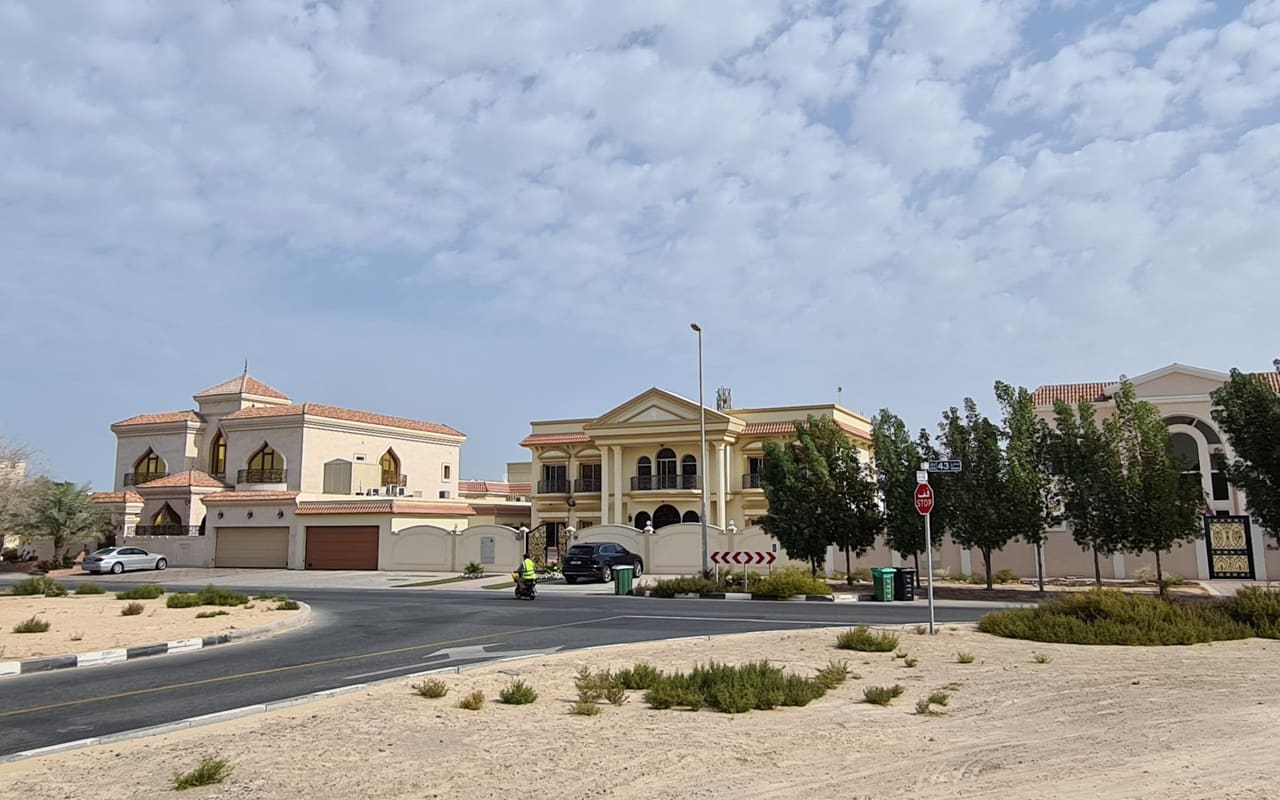
Villa neighbourhoods in Al Barsha 1, 2 and 3 offer houses at prices below Jumeirah and Umm Suqeim with better everyday amenity, though without the beach.
The apartment market
Apartment stock is varied in age and quality, from older mid-rise buildings to newer developments, at price points well below the coastal districts.
The tenant pool is broad: families, professionals working along Sheikh Zayed Road, hotel and retail staff, and people who want metro access at an affordable price.
Yields are reasonable and void risk is low, given the depth and diversity of demand.
Al Barsha South and the newer stock
Al Barsha South sits further inland, adjacent to Arjan and Dubai Science Park, and contains newer apartment developments and villa communities at lower price points.
It has less of the amenity concentration of Al Barsha proper and is more car-dependent.
The schools in Al Barsha South are a significant draw and support family rental demand.
What to check
Which Al Barsha you are actually looking at — 1, 2, 3, South or Heights are meaningfully different in character, price and amenity.
Walking distance to the metro station, honestly measured.
Building age and service charge history for apartment stock.
For villas: freehold designation, condition, and plot size.
Traffic around Mall of the Emirates, which is heavy at weekends and during the winter season.
Who it suits
Families who want schools, healthcare and retail in one district at a price below the coastal areas, and are content without a beach.
Yield investors wanting a deep and diverse tenant pool with metro access.
It suits poorly anyone wanting a coherent residential character — Al Barsha is genuinely mixed and parts of it feel more commercial than residential.
The hotel apartment layer
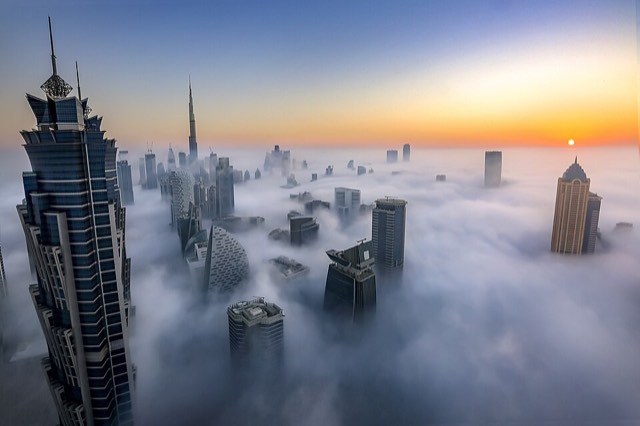
Al Barsha has an unusual concentration of hotels and hotel apartments, clustered around Mall of the Emirates and along Sheikh Zayed Road. That has two effects worth knowing about.
First, it puts a floor under short-stay demand in the district and gives owners of ordinary apartments a viable alternative letting strategy — corporate and medium-stay tenants who want the location without a hotel bill.
Second, it means parts of Al Barsha have a transient population and the traffic that goes with it. A residential building next to a cluster of hotels has a different character from one two streets back.
For a buyer the distinction matters at viewing. Al Barsha 1, closest to the mall and the hotels, is the busiest; Al Barsha 2 and 3 are progressively more residential.
The school and hospital cluster
The reason families concentrate here is the density of institutions: several of the larger international schools, multiple hospitals and clinics, and nurseries across the district — all within a short drive of each other and of the mall.
Very few Dubai districts offer that combination, and none at Al Barsha prices. Jumeirah and Al Wasl have the schools but cost far more; the outer communities are cheaper but the institutions are further away.
For a landlord that produces the most valuable tenant profile available at this price point: families who chose the district for the school run and will not move mid-year.
Confirm actual availability rather than proximity. A school two minutes away with a waiting list is not a selling point, and catchment pressure in this district is real.
Villas, apartments and what to buy
The villa neighbourhoods in Al Barsha 1, 2 and 3 offer houses at prices well below Jumeirah and Umm Suqeim, with better everyday amenity and no beach. Freehold availability varies plot by plot and is the first thing to check.
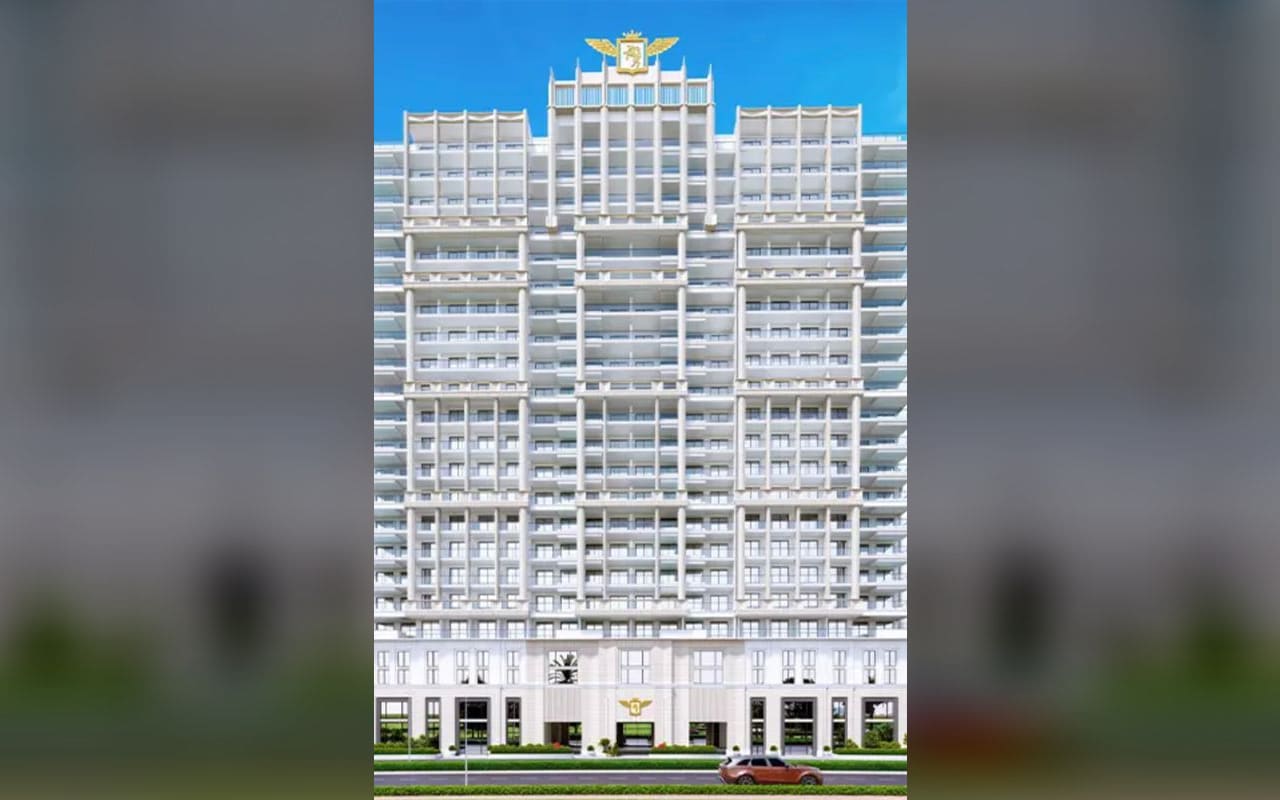
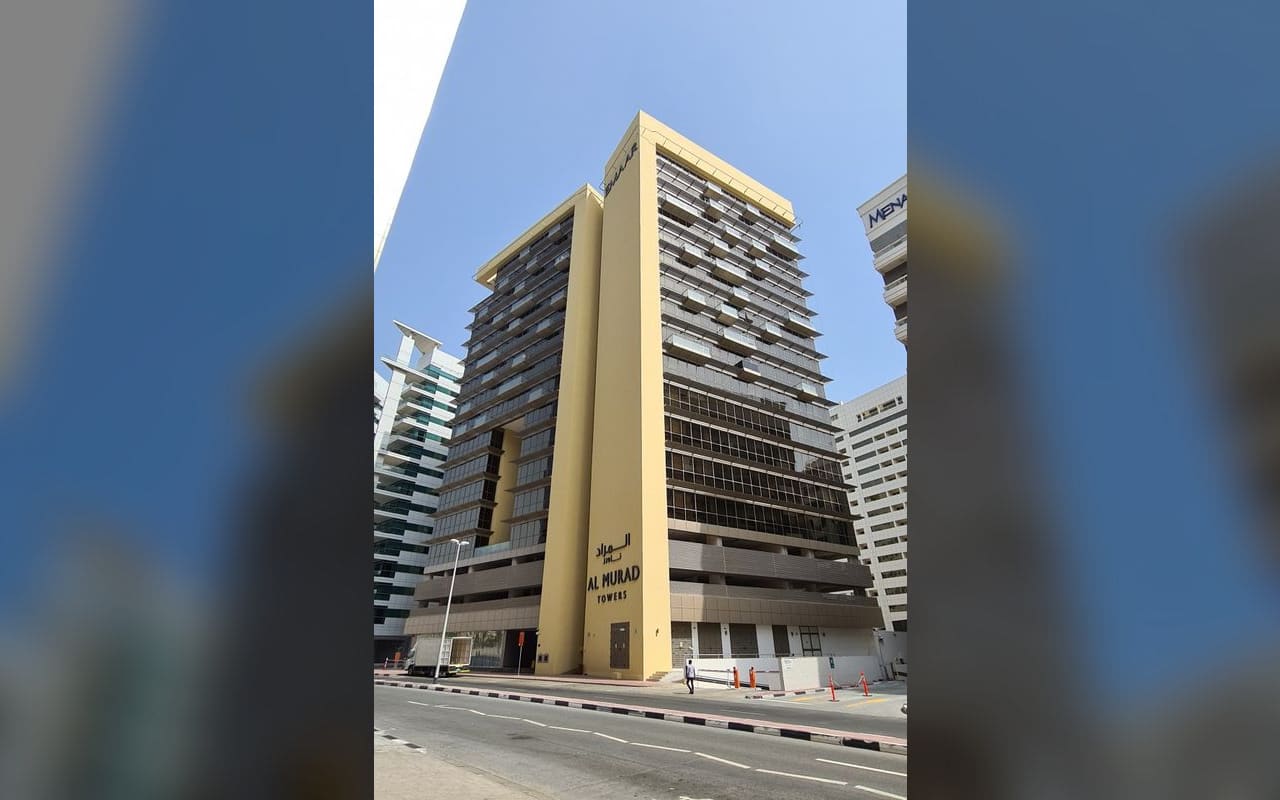
The apartment stock ranges from older mid-rise buildings to newer developments, with the usual variation in quality and management. Proximity to the metro station is the clearest driver of rent.
Al Barsha South is a separate market — newer, further inland, adjacent to Arjan and Dubai Science Park, cheaper and more car-dependent, with its own school cluster.
Whichever you look at, establish which Al Barsha it is. The five sub-districts differ enough in price and character that a single average is meaningless.
More on Al Barsha
Written breakdowns of subjects the English channel has not filmed.
- Al Barsha: five sub-districts under one name, and a single average across them is meaningless
Villas, apartments, hotels, schools, hospitals and a red-line metro station in one district. Which Al Barsha a listing refers to changes the price, the tenant and the character.
The market, per the Land Department
Residential price index 167.33 Q4 2025
Quarter on quarter +3.32% QoQ
Year on year +8.9% YoY
Full year 2025 +9.81% index 162.51
This is the official index for the whole emirate, not for Al Barsha: the Dubai Land Department does not publish a district breakdown publicly. Treat it as background — it tells you whether the market is rising or flat while you read the prices above. Transaction data for a specific building I pull separately, on request. Source: Dubai Land Department, read 15/08/2026.
The latest read: July 2026
The Land Department index above is quarterly and emirate-wide. The monthly price index splits villas from apartments — and in 2026 that matters: a single blended figure hides the fact that the two markets have pulled apart.
Villas and townhouses 292.5 flat YoY
Apartments 168.7 −4.2% YoY
All residential 219.2 −0.3% MoM
Price per sqft 2,039 villas · apartments 1,397 AED
The month split by completion status: 72.8% of deals were off-plan, 27.2% ready homes. Ready-home volume rose 11.4% on the month, while off-plan was the only segment down both on the month and on the year (−45.3%). The practical read: there is room to negotiate on apartments and on off-plan, far less on finished villas in established communities. Index base is January 2021 = 100 — a villa reading of 292.5 means growth of 192.5% from that mark, not a premium over a 2021 peak. Monthly ValuStrat market review for July 2026, checked 24/08/2026.
Questions about Al Barsha
Is Al Barsha good for families?
Yes — one of the densest concentrations of schools and healthcare in Dubai, plus Mall of the Emirates and a red-line metro station, at prices below the coastal districts. The trade-off is no beach and a mixed, partly commercial character.
Other districts
All districts →Projects in Al Barsha
All projects in Al Barsha →
Al Barsha in the news

Lantana Hills: Dubai Holding is building 390 modular townhouses in Al Barsha South
Dubai Holding awarded a AED 680m (~$185m) contract to build Lantana Hills, 390 townhouses in Dubai Science Park. The modular method cuts construction waste by 30%; handover is set for the second half of 2027. Not to be confused with the existing Villa Lantana next door.
Dubai malls rebuild: Mall of the Emirates’ AED 5bn revamp, Dubai Mall’s 240 new stores and Dubai Square
Majid Al Futtaim is spending AED 5bn on Mall of the Emirates: about 20,000 m² and 100 new stores. Emaar is adding 240 shops and restaurants to Dubai Mall for AED 1.5bn and building Dubai Square in Creek Harbour. How malls move home values in Al Barsha, Downtown and by the creek.
Hessa Street rebuild finished: what the AED 690m upgrade means for JVC, Al Barsha and Arjan
RTA fully opened phase one of the Hessa Street upgrade in April 2026: 4.5km, four lanes each way, capacity up from 8,000 to 16,000 vehicles an hour, and the Sheikh Zayed Road–Al Khail Road run cut from 15 minutes to about 4.

Al Barsha area profile: a mainland district by the metro and the mall, and why ownership varies street by street
Villas, apartment blocks, hotels and a major mall in the middle of the city. Convenient to live in — but what a foreigner can actually own here changes from one plot to the next.

Al Ali Property Investment: check the plot is freehold before anything else
A developer with projects in Al Barsha and Nad Al Sheba. Mainland Dubai is not uniformly open to foreign ownership, and the map of what is does not follow district boundaries.
Looking at Al Barsha specifically?
Send me the building or the unit and I will pull the registered transaction history, the current service charge and what comparable units actually let for — before you make an offer, not after.
Ask on WhatsAppAsk a question
Telegram is the fastest way — I answer personally.
Message on Telegram