
Al Barsha: five sub-districts under one name, and a single average across them is meaningless
Al Barsha 1, 2, 3, South and Heights are five different markets sharing one name. They differ in price, in product, in how residential they feel and in who rents them — and a listing that says only "Al Barsha" has told you almost nothing yet.
What Al Barsha is
Al Barsha is a large mixed district inland of Sheikh Zayed Road, centred on Mall of the Emirates and divided into Al Barsha 1, 2 and 3, plus Al Barsha South and Al Barsha Heights, the last still universally called TECOM.
The mix is unusual: villa neighbourhoods, apartment buildings, hotels, schools, hospitals and one of the largest malls in the city, all within the same district boundary.
It has a metro station on the red line at Mall of the Emirates, which makes it one of the very few genuinely mixed districts in Dubai with rail access.
Talk to a licensed broker: WhatsApp +971 50 120 32 64 · Telegram
That mix is also why the name alone is not usable as a unit of comparison. The district contains six-bedroom villas and studios in tower blocks, and both are correctly described as being in Al Barsha.
What each part offers
Al Barsha 1 sits closest to the mall and the hotel cluster and is the busiest and most commercial of the five. The stock is a mix of apartment buildings of varying age and villa plots behind them.
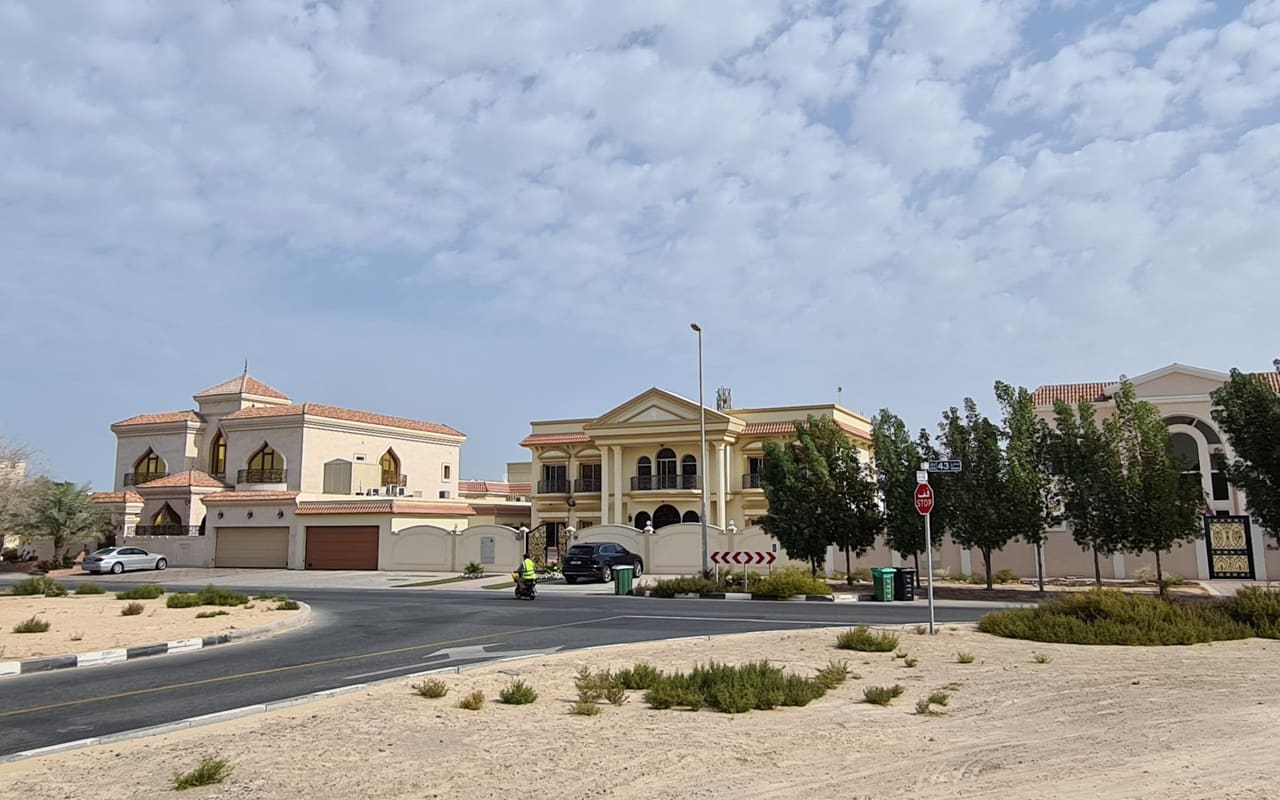
Al Barsha 2 and 3 are progressively more residential, and it is where most of the villa product sits — large houses at prices well below Jumeirah and Umm Suqeim, with better everyday amenity and no beach. Freehold availability varies plot by plot and is the first thing to establish.
Al Barsha South sits further inland, adjacent to Arjan and Dubai Science Park, and is a separate market: newer apartment developments and villa communities at lower price points, more car-dependent, with its own school cluster.
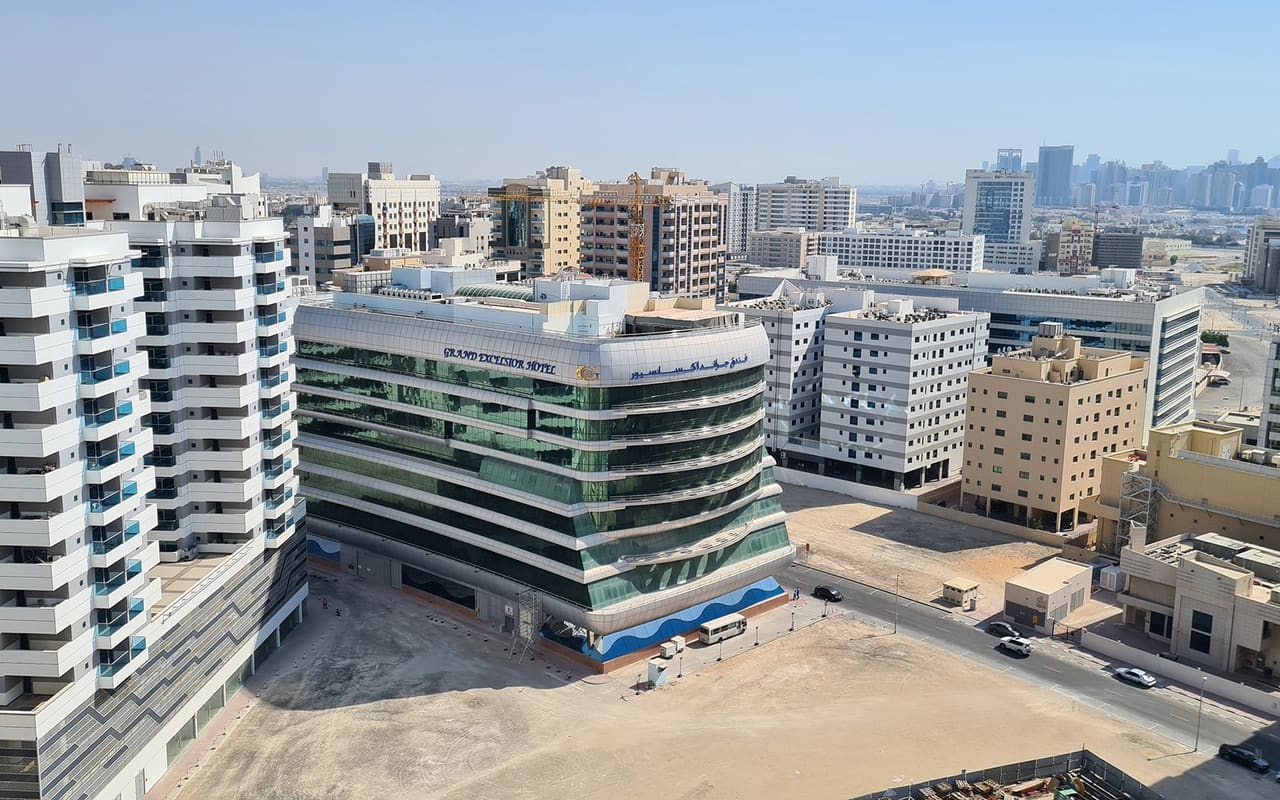
Al Barsha Heights is a dense cluster of apartment and office towers next to Media City and Internet City with its own metro station, and it behaves like a tower district rather than like the rest of Al Barsha.
Across all five the stock spans six-bedroom villas, mid-rise apartment buildings of every vintage, hotel apartments and new towers from independent developers. That range is the district’s strength as a place to live and its main difficulty as a thing to price.
Why it works for families
Al Barsha contains a dense concentration of schools, including several of the larger international schools, plus hospitals, clinics and the full retail range at Mall of the Emirates.
Very few Dubai districts offer that combination, and none at Al Barsha prices. Jumeirah and Al Wasl have the schools but cost far more; the outer communities are cheaper but the institutions are further away.
For a landlord that produces the most valuable tenant profile available at this price point: families who chose the district for the school run and will not move mid-year.
Confirm actual availability rather than proximity. A school two minutes away with a waiting list is not a selling point, and catchment pressure in this district is real.
The hotel apartment layer
Al Barsha has an unusual concentration of hotels and hotel apartments, clustered around Mall of the Emirates and along Sheikh Zayed Road, and that has two effects worth knowing about.
First, it puts a floor under short-stay demand and gives owners of ordinary apartments a viable alternative letting strategy — corporate and medium-stay tenants who want the location without a hotel bill.
Second, it means parts of Al Barsha have a transient population and the traffic that goes with it. A residential building next to a cluster of hotels has a different character from one two streets back.
For a buyer the distinction matters at viewing rather than on a floor plan, and it is one of the reasons the sub-district is worth establishing before you travel to see anything.
The apartment market
Apartment stock is varied in age and quality, from older mid-rise buildings to newer developments, at price points well below the coastal districts.
The tenant pool is broad: families, professionals working along Sheikh Zayed Road, hotel and retail staff, and people who want metro access at an affordable price.
Yields are reasonable and void risk is low, given the depth and diversity of demand — this is one of the deepest mixed tenant pools in the city at this price level.
Proximity to the metro station is the clearest single driver of rent, and it should be measured on foot rather than read off a map.
What to check
Which Al Barsha you are actually looking at. Everything downstream of that — price comparison, tenant, character, amenity — depends on it.
Walking distance to the metro station, honestly measured, and building age and service charge history for apartment stock.
For villas: freehold designation, condition and plot size, all of which vary plot by plot rather than by sub-district.
And traffic around Mall of the Emirates, which is heavy at weekends and through the winter season, from the specific building rather than in general.
None of these checks is unusual on its own. What is unusual is how much the answers move across a single district name, which is why a shortlist here should be built from specific buildings and plots rather than from a saved search on the word Barsha.
Frequently asked
What is the difference between Al Barsha 1, 2, 3, South and Heights?
Al Barsha 1 is closest to Mall of the Emirates and the hotel cluster and is the busiest; 2 and 3 are progressively more residential and hold most of the villa stock; Al Barsha South is further inland next to Arjan and Dubai Science Park, newer, cheaper and more car-dependent; Al Barsha Heights is a dense tower cluster beside Media City with its own metro station. They differ enough that a single district average is meaningless.
Is Al Barsha good for families?
Yes — it has one of the densest concentrations of schools and healthcare in Dubai, plus Mall of the Emirates and a red-line metro station, at prices below the coastal districts. The trade-off is no beach and a mixed, partly commercial character. Check actual school availability rather than proximity: catchment pressure here is real.
Can you buy freehold property in Al Barsha?
Freehold availability varies plot by plot rather than by sub-district, so it is the first thing to establish on any villa listing. Apartment stock and the newer developments in Al Barsha South are a separate question and should be checked on the specific building.
✍️ Message me on WhatsApp for a free consultation — off-market stock, payment plans and honest numbers on any of the projects covered here.
✅ Subscribe on YouTube — investment, property, business and relocation in the UAE and beyond.


Below market in Al Barsha right now
From the daily off-market feed. Availability and price are confirmed on request.
All below-market listings →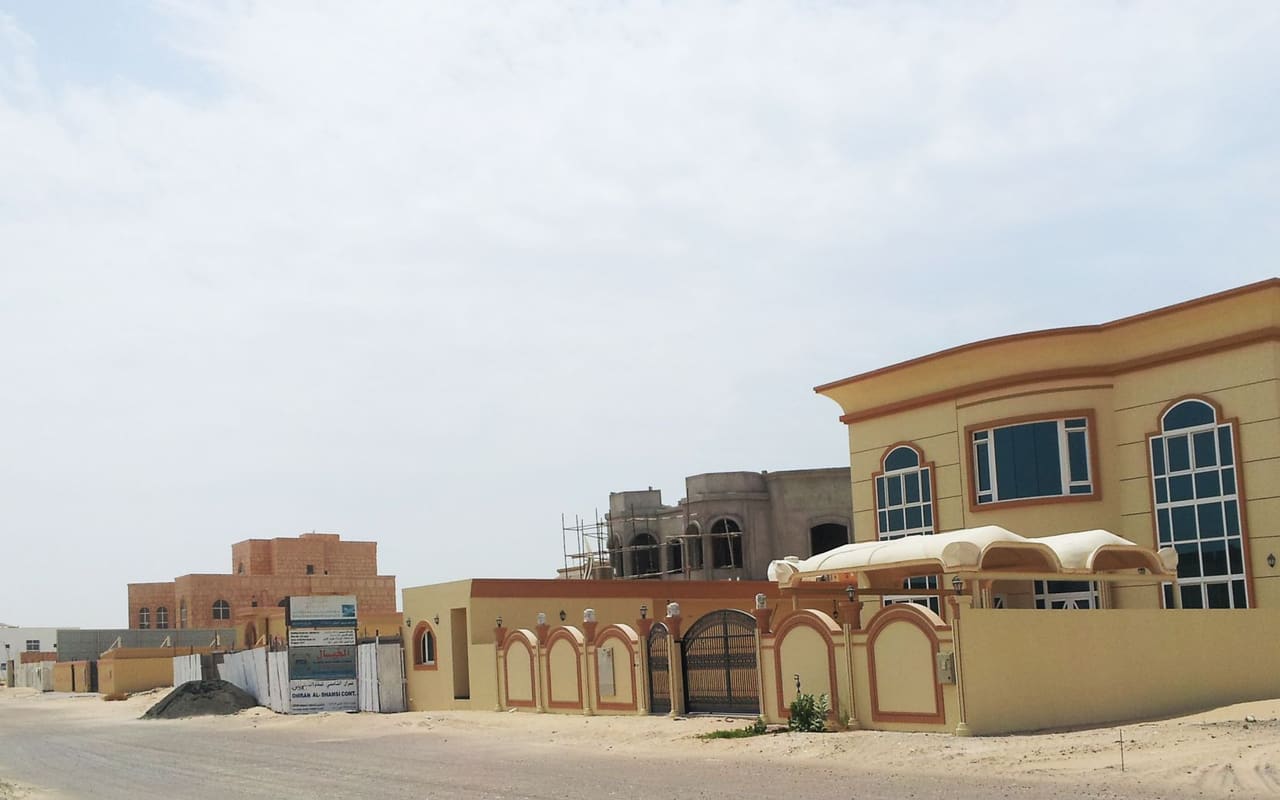
In the news
The same subject in writing — analysis and news related to this video.

Al Ali Property Investment: check the plot is freehold before anything else
A developer with projects in Al Barsha and Nad Al Sheba. Mainland Dubai is not uniformly open to foreign ownership, and the map of what is does not follow district boundaries.
Al Fahad Holding: parking, the cheapest thing that changes your rent
A developer with a tower in Barsha Heights. Parking allocation is a line most buyers skim and tenants treat as decisive — and in some districts it is worth more than the finish.

Al Warsan: living where the city meets logistics
Low-cost blocks on the eastern edge, next to industrial and logistics land. Demand here is counted from employment, not from the city.

Al Fahim: furnished or unfurnished, and which actually earns more
A developer with a tall tower in Barsha Heights. Furnishing a rental is a capital decision presented as a decorating one — the arithmetic is straightforward and rarely done.
The Dubai average that describes nobody: villas and apartments in one figure
In July 2026 the blended residential index was down 1.6% over the year. Underneath it, villas were flat and apartments were down 4.2%. The blended figure was accurate and told a buyer of either nothing at all.
Dubai Festival City: a district where one company owns everything around you
A waterfront quarter with a mall, hotels, schools and homes under a single owner. Single ownership buys predictability and creates dependence.