Cycling and e-scooters in Dubai in 2026: the bike-lane network, RTA rules and the JBR ban
Dubai's cycling network grew from 560km at the end of 2024 to 636km by the end of 2025, targeting 819km by the end of 2026. E-scooters are capped at 20km/h with a mandatory helmet, and devices have been banned at ground level in JBR since August 2024.

Dubai has been methodically building out cycling infrastructure for several years, and by 2026 the city has moved noticeably closer to its stated target — while at the same time tightening e-scooter rules after a string of accidents. Here is what has actually been built, and what is off-limits.
819km of tracks by the end of 2026
The RTA is targeting an 819km cycling network by the end of 2026: from 560km at the end of 2024, the network grew to 636km by the end of 2025, and in early 2026 the RTA delivered another 13 tracks totalling 162km as part of a 15-route master plan linking existing tracks from Al Khawaneej to Al Mamzar Beach. The longer-term target goes further than the annual milestone — a fully integrated 1,000km network by 2030, meant to connect coastal districts such as Jumeirah, Al Sufouh and the Marina with the Al Qudra, Seih Al Salam and Nad Al Sheba tracks via Al Barsha and Dubai Hills.
For a property buyer, this network is not abstract infrastructure but part of the daily commute: districts along completed tracks pick up another point in favour of walkable, cyclable access, alongside the metro and parks.
Talk to a licensed broker: 📲 +971 50 120 32 64 on WhatsApp, @dubai_oleg on Telegram
E-scooters: speed, registration, fines
The RTA caps e-scooter speed at 20km/h and requires riders to stick to designated tracks and approved zones rather than the road or busy pedestrian pavements. A permitted device must fold, have no seat, and weigh no more than 20kg within dimensions of 120×70×40cm — anything larger is effectively an e-bike and falls under separate rules. A helmet is mandatory. Enforcement is strict: in the first eight months of 2026 Dubai Police confiscated 13,657 e-scooters for traffic and safety violations — a number that speaks for itself about the scale of the problem and how seriously the city is now policing it.
JBR: the ban remains in force
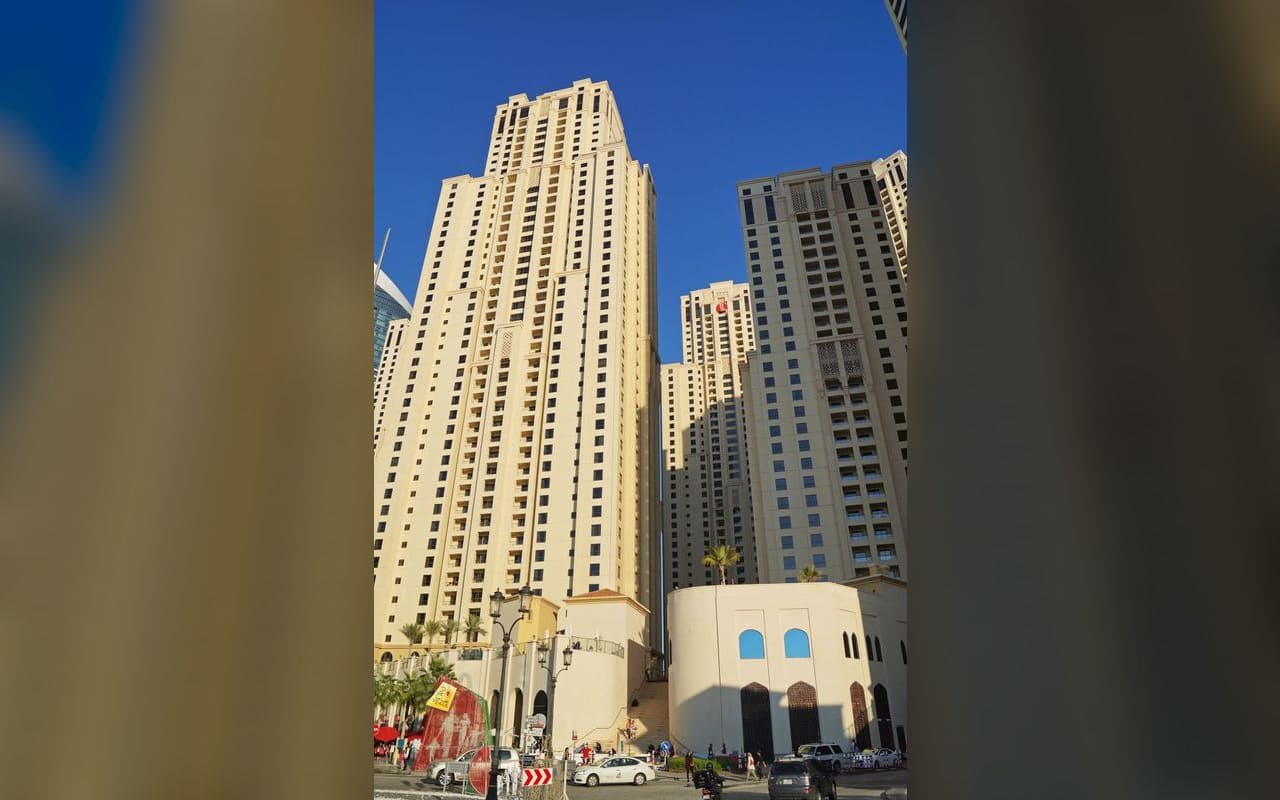
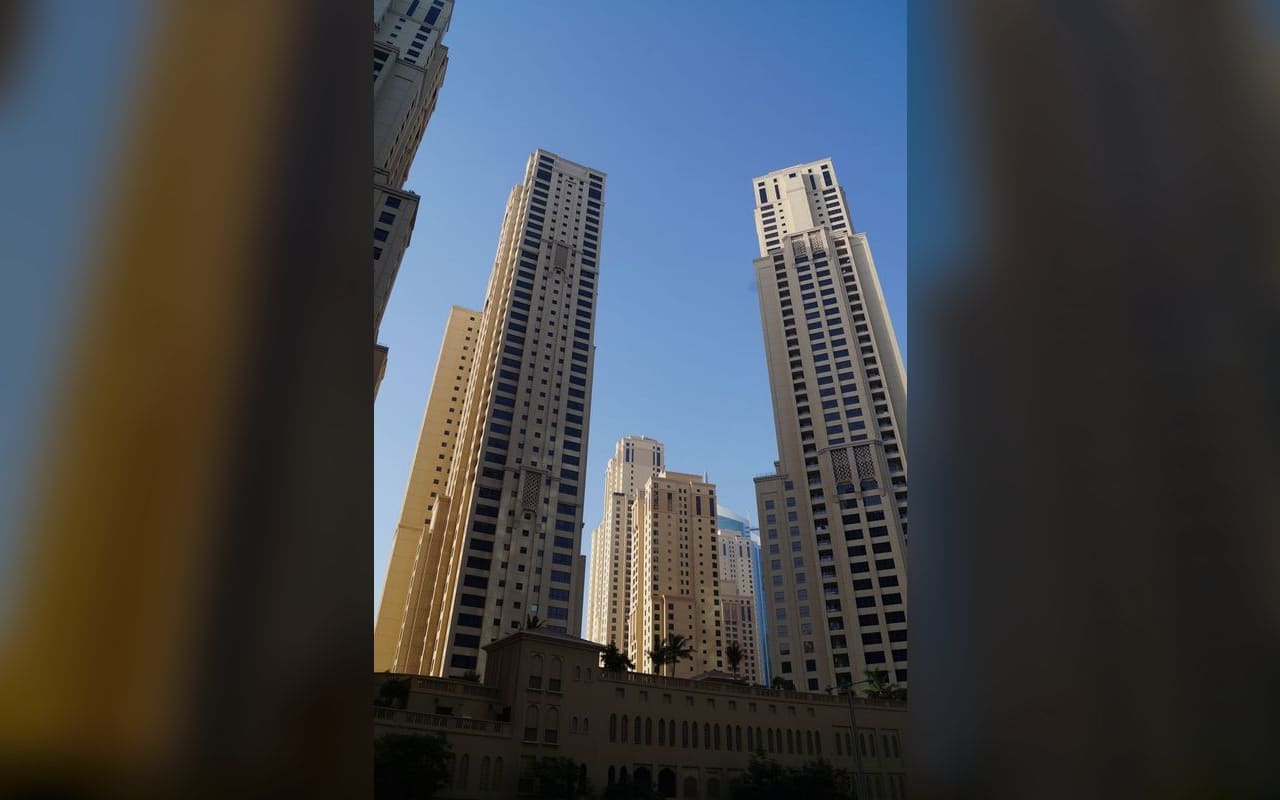
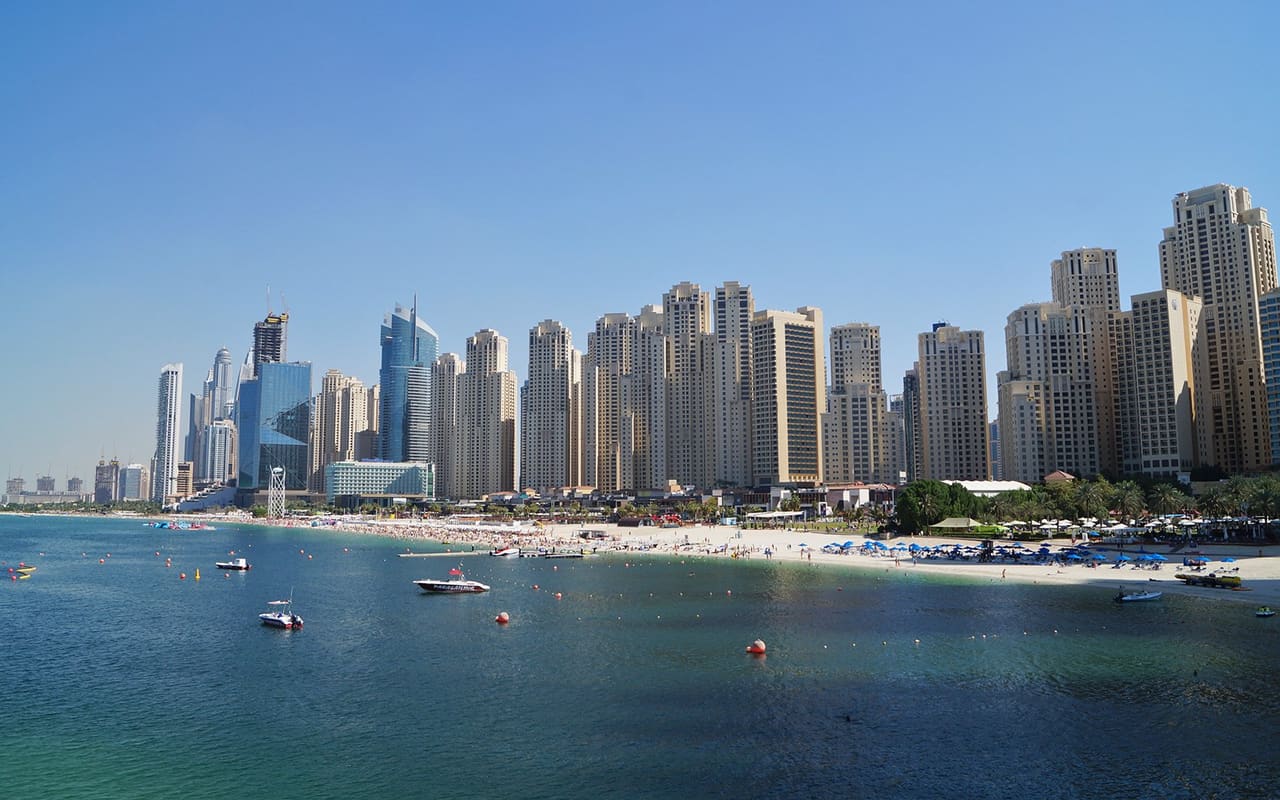
In August 2024 the JBR community management banned e-scooters and e-bikes at ground level and on The Walk promenade following a rise in accidents: four deaths and 25 injuries in the first half of that year, with police recording an average of 43 violations a day. As of 2026 the ban remains in place: battery-powered devices are still prohibited specifically at ground level and on the JBR plaza, though a direct, recent confirmation of that status from the Dubai Media Office could not be located — when planning a trip to the district, assume the ban still applies rather than relying on older write-ups. Residents of other communities have since publicly called for similar restrictions after JBR — a trend, not an isolated case.
What it means for choosing a district
For a resident who uses a bike or scooter as primary transport rather than just for leisure, it is worth looking at districts along the network's completed sections — Al Barsha, JVC and the area around Dubai Hills Estate get a direct benefit from the expanding network, while in JBR the promenade currently works for walking only.
How a district's overall transport access feeds through to price and rental demand is covered in Dubai Metro: the lines, the Blue Line to 2029, and what a station does to apartment prices.
In the news
Other write-ups on the site about the same thing.

Taxis in Dubai and Abu Dhabi in 2026: roof colours, women-only taxis and fares
Roof colour in Dubai shows the operator, not the price — the RTA fare is the same for everyone: from AED 5 flag-fall by day and AED 2.26 per km. A pink roof means women- and family-only. In Abu Dhabi, Yango now runs alongside Careem.

Dubai beaches in 2026: where night swimming is legal, where to surf, and the best beach for a family
Official night swimming is limited to five spots: Sunset Beach runs 24/7, four more stay lit until sunrise. Surf season runs November to February. Since June 2026, swimming outside marked zones carries a AED 500 fine.

UAE driving licence for foreigners in 2026: direct swap, Golden Chance and driving school costs
RTA swaps licences from 57 countries with no test for about AED 1,000–1,200. Everyone else goes through a driving school — 10 to 20 mandatory hours and AED 4,500–7,500. All three routes, and where people lose money.

Renting in Dubai with a dog or cat in 2026: which districts and homes actually work for pet owners
Written landlord permission for a pet in Dubai is mandatory — a verbal agreement is not enough. Keeping a dog in Downtown or Business Bay is close to impossible, while a villa in Arabian Ranches or Al Furjan solves the walking problem by design.

Dubai utility bills in 2026: the DEWA bill, the housing fee, and what it costs a month
One DEWA bill bundles electricity, water and the housing fee — a 5% municipal levy on annual rent, split into 12 instalments. A two-bedroom apartment runs about AED 300–500 a month; a villa with a chiller, AED 700–1,000-plus.
Hatta in 2026: the mountain exclave of Dubai, 50km of bike trails, and what real estate looks like there
Hatta is part of the emirate of Dubai, tucked into the Hajar Mountains, about 90 minutes to two hours from the city. A mountain-bike centre with 50km of trails, hiking, kayaking on Hatta Dam and a night sky free of city glow. What the enclave offers, and what housing there actually is.
Below market in JBR right now
From the daily off-market feed. Availability and price are confirmed on request.
All below-market listings →