
 −4%
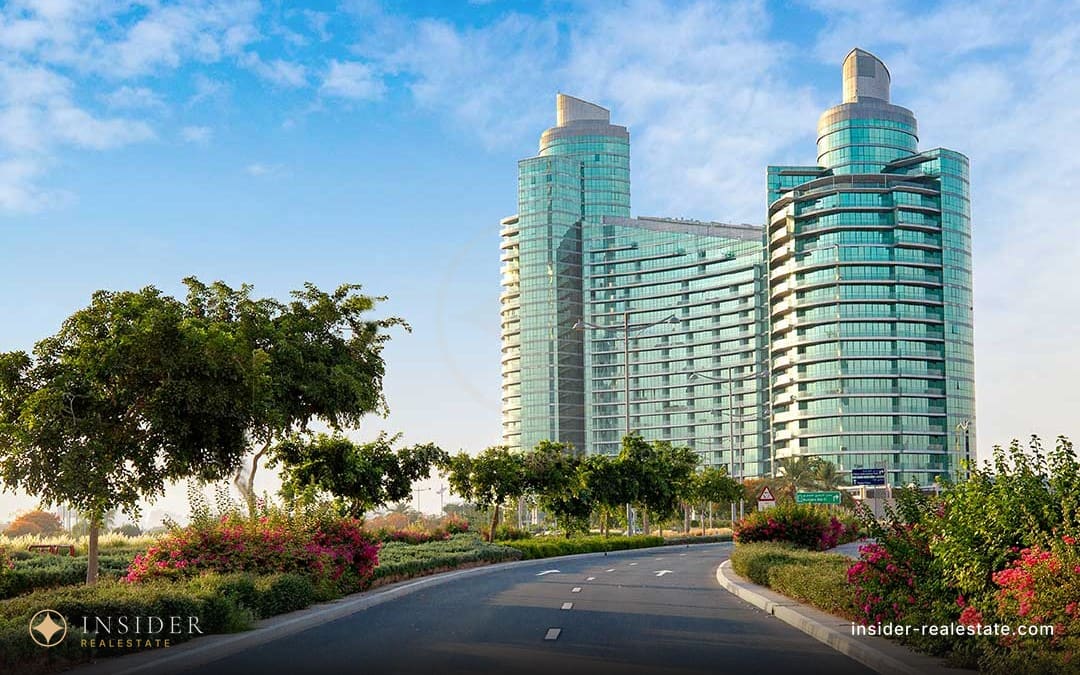
Marsa Plaza North Dubai Festival City · 3 BR · Apartment 4 500 000 AED 4 700 000
Ask about lot NP4-583255
A century-old, family-owned trading conglomerate for which property is one line of business among cars, retail and financial services — and in Dubai that line built not a single tower but an entire quarter around Dubai Festival City.
1 lot in stock across 1 project. Of the 1 with a known status: 1 ready, 0 under construction. By median price — 36th of 145.
The districts where this developer has the most lots in our stock.
Checkable facts about the developer itself. Unlike the figures above, these are not about our stock and do not move with what happens to be listed today.
Al-Futtaim grew from a small trading house into a diversified group where property sits alongside car distribution, retail for major international brands and financial services. For a buyer, that means the development arm does not depend on apartment sales as its only source of income — the group earns from dozens of other lines, which structurally reduces the temptation to push sales timelines at any cost to close a cash gap.
The flip side of the same structure is that property is almost never the group's absolute top priority. Decisions on timing, specification and the pace of new launches are made in the context of the whole conglomerate, not the housing market alone, which sometimes means a slower pace of new projects than a developer for whom housing is the entire business.
The company's main residential asset is not a single tower but an entire waterfront district: a mall with hundreds of stores, a hotel complex, a marina, a golf course and several residential clusters around them. It is the same approach as the city's largest master developers — building infrastructure alongside housing rather than handing over a tower in an empty plot and promising a school years later.
The residential part — Marsa Plaza and the Al Badia cluster — sits on the creek with a view toward the city centre, but is physically set apart from Dubai's main residential hubs such as the Marina or Dubai Hills. It has its own logic: the district revolves around the mall and the hotel cluster rather than a beach or a golf course, and what draws a tenant here is that mixed urban setting rather than the address alone.
Districts built by large, diversified groups together with their own retail and hospitality infrastructure tend to age predictably: the managing structure has enough resources to keep common areas and the mall in decent shape for years, and that carries over into how the surrounding housing stock is perceived. The district is not going to stall halfway through for lack of developer cash — too much of the group's own capital is tied up in the neighbouring mall and hotel for the quarter to be left unfinished.
At the same time, resale liquidity here rests on the district's own reputation rather than on the developer's brand, much as with any master plan. Dubai Festival City is known first for its mall and its fireworks over the creek, not for the name of the company that built the flats inside it, and a resale buyer typically orients on the location rather than the builder.
Unlike districts built solely by residential developers, retail, hospitality and housing here were connected from the start as one master plan, not housing bolted on to a finished mall later. That produces a steady pool of tenants who work at the neighbouring hotel or mall, but it also means the residential side always sits somewhat in the shadow of the district's commercial core in a buyer's mind.
The second difference is a slower pace of new launches than developers for whom housing is the main business: the group has no need to keep releasing new phases to sustain revenue, so new supply appears less often — which, in some market cycles, works in favour of owners of already-completed units, since competition from fresh stock by the same developer is milder than in fast-growing districts.
Verify the developer's legal entity on the specific building's project passport — as noted above, the name overlap with another large group is real, and brokers themselves confuse the two in mailers. Also check the unit's position inside the quarter: a creek view and proximity to the mall command a real premium over a block set back in the residential cluster, and the difference in day-to-day living is larger than the difference in launch price suggests.
Separately, confirm who is responsible for the residential part's upkeep — the district's management company or a standalone owners' association for the specific building — and how the service charge is split between residential and neighbouring commercial space, since that arrangement in mixed districts determines both the size of the charge and where it is actually spent.
The key question for any building here is its distance to the creek promenade and to the mall entrance, because that is what really drives both the rent and how fast a unit lets — the gap between a first-row block and one set further back in the cluster is wider than the city average. I always ask for the floor plan and the actual view from the specific unit rather than relying on the district description in a brochure.
Second, I set expectations with the buyer up front: this district suits people who want a mixed urban setting on their doorstep, not the quiet of a purely residential master plan. For some buyers that is the whole appeal; for others it is a reason to look at purely residential communities instead, and that distinction is worth discussing before the viewing, not after it.
−4% There is no “developer” column in the base — a lot is attributed by its project name. The figures on this page speak about our stock, not about the company’s share of the Dubai market: a large developer with a big completed portfolio may appear smaller than one whose units come up for resale more often.
Prices come from listings, not from closed deals. For a particular building I retrieve the registered Land Department sales and show the real closing prices.
The median across this developer's lots in our stock is $1.23M (AED 4 500 000), with entry from $1.23M. The median per square metre is $5 530 (AED 1 888 per sq ft). They are drawn from asking prices in our own base and refreshed every night — a picture of current supply rather than of the official price list.
Right now the base holds 1 lot from this developer priced below the market, with the deepest cut at 4%. The discount comes from the seller on a resale or an assignment, not from the developer: they have their own reason to exit quickly. The size of the cut is computed against comparable property by an algorithm, not typed in by a broker.
For an off-plan buyer the price is identical, because the developer covers the broker’s commission. Going straight to Al Futtaim Real Estate is therefore no cheaper, and the choice there is limited to its own projects — you will not get a comparison with neighbouring buildings or a candid read on handover dates. On resale and assignment the commission is standard: 2% plus VAT.
It depends what you are buying and why. Send me your budget and the job it has to do — I will tell you which of this developer's projects make sense right now and which I would walk past.
Ask on WhatsAppTelegram is the fastest way — I answer personally.
Message on Telegram