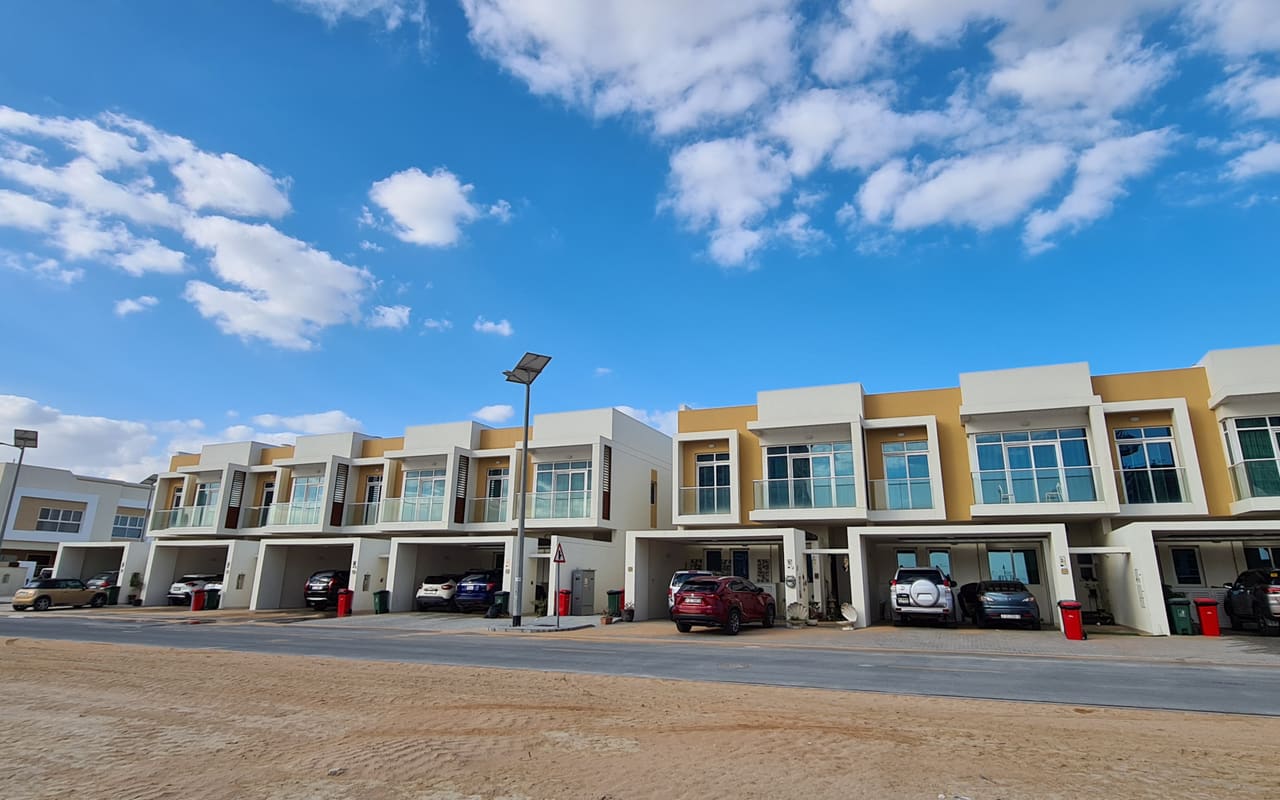
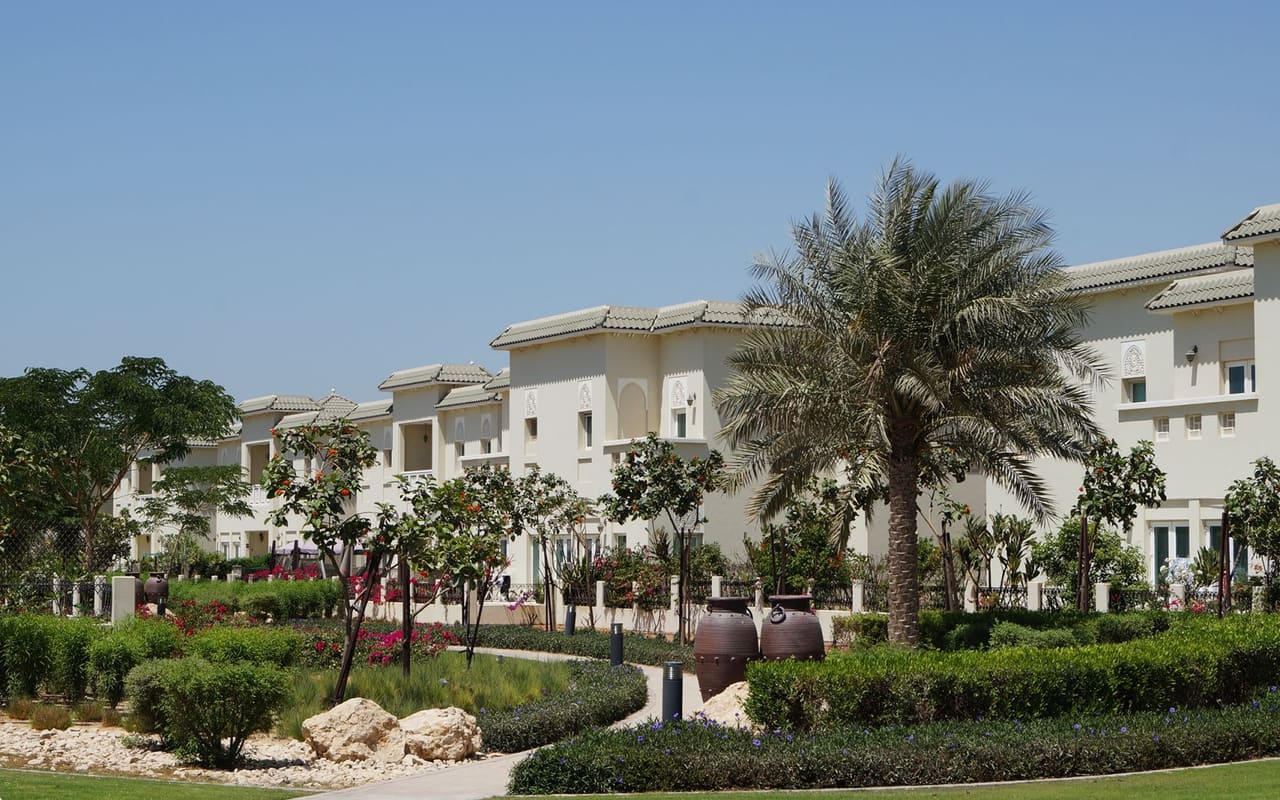
Rent forecast: prime districts +15–18%, JVC and Al Furjan +2–5%
A rental forecast is interesting not for its average but for the spread between districts. The reason for the gap is supply, not prestige.
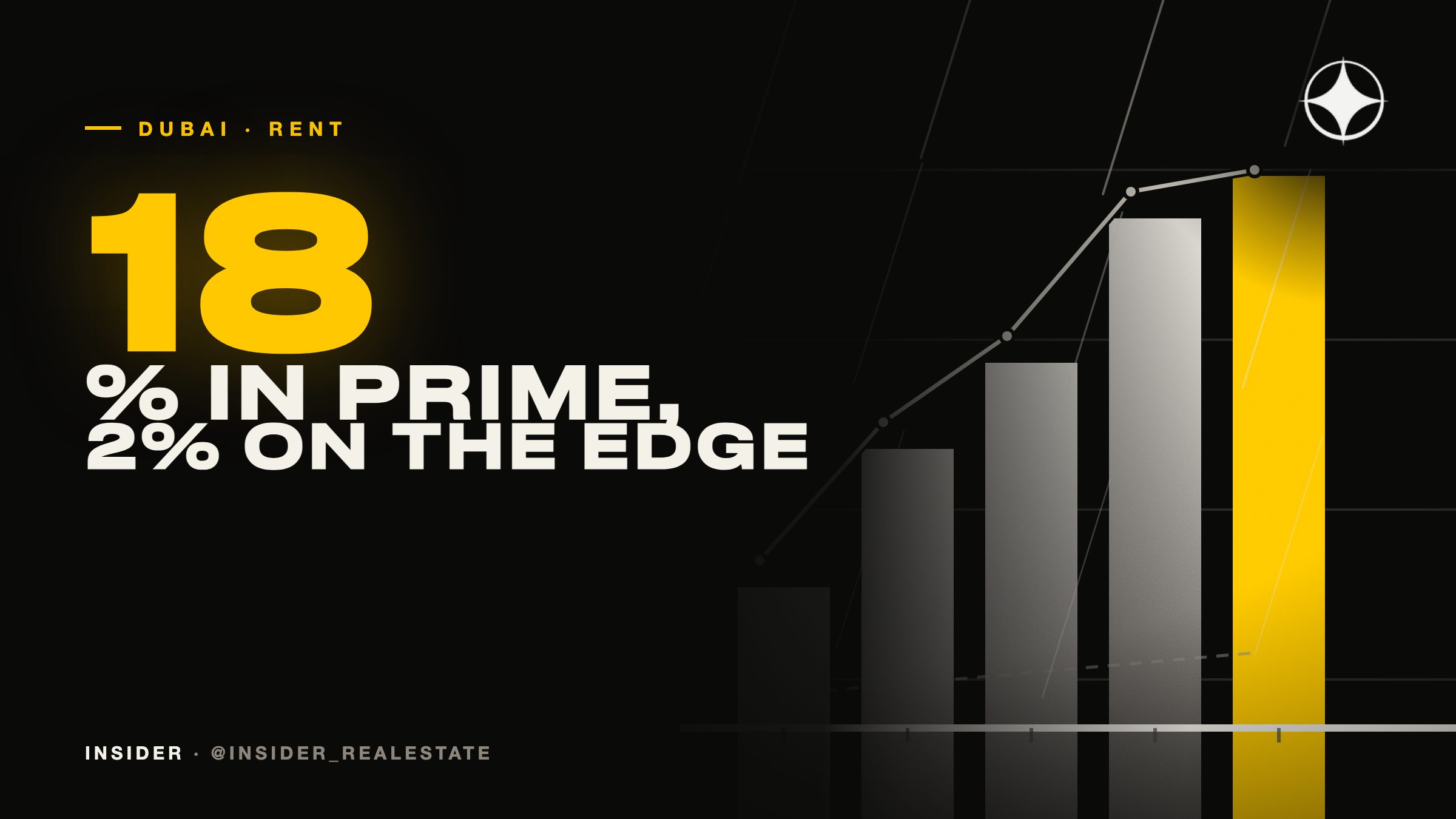
A forecast for the Dubai rental market is interesting not for its headline figure but for the spread between districts.
What was expected
- Market average: 5–10% — a slowdown after years of double digits.
- Prime districts — Palm Jumeirah, Downtown, Dubai Marina, Jumeirah Bay Island: +15–18%.
- Peripheral — Jumeirah Village Circle, Al Furjan: +2–5%.
- The affordable segment in outlying zones — International City, Jebel Ali Village, Al Barsha South: stabilisation.
The forecast rested on population growth: by December 2024 the figure reached 3.814 million, up 159,000 over the year.
Why the gap is that size
The reason is supply, not prestige. In JVC and Al Furjan thousands of new apartments complete at the same time, and each of them competes for a tenant — the rate hits a ceiling. On Palm Jumeirah, in Downtown and on Jumeirah Bay Island there is practically no new land, the volume of supply barely changes, and demand for those addresses keeps arriving.
Talk to a licensed broker: 📲 +971 50 120 32 64 on WhatsApp, @dubai_oleg on Telegram
That rule works more widely than one forecast: in any cycle, what cannot be added rises hardest.
Apartment or villa
For letting, apartments keep the advantage on the pace of yield growth. The reasons: demand for an urban way of living, expat inflow, and limited supply of quality housing in central districts.
A villa is a purchase for living in and for long-term capital growth, not for the rental flow.
The practical conclusion
If the aim is income now, look at scarce locations and compact formats. If the aim is preserving capital over ten years, the logic reverses: uniqueness of the address matters more than the current rent.
Below market in Al Furjan right now
From the daily off-market feed. Availability and price are confirmed on request.
All below-market listings →