
Maritime City or Mina Rashid: scoring two early-stage districts on four measurable axes
Maritime City and Mina Rashid are neighbours with different emphases: an easier entry on one side, Emaar and Nakheel on the other. In August 2023 both were building sites, so the useful comparison scores each on four axes — demand anchors, the real pace of construction, the developers involved and the roads.
What separated the two districts in 2023?
Stage, price and the names on the hoardings. Maritime City was the earlier and often the more affordable of the two; Mina Rashid had the top developers and a carefully worked masterplan. Both were still developing, with growth ahead in each.
Maritime City is an artificial peninsula with a maritime theme, set between the Palm and the centre. Developers such as Danube, Select and Damac were active there — a more varied pool than next door.
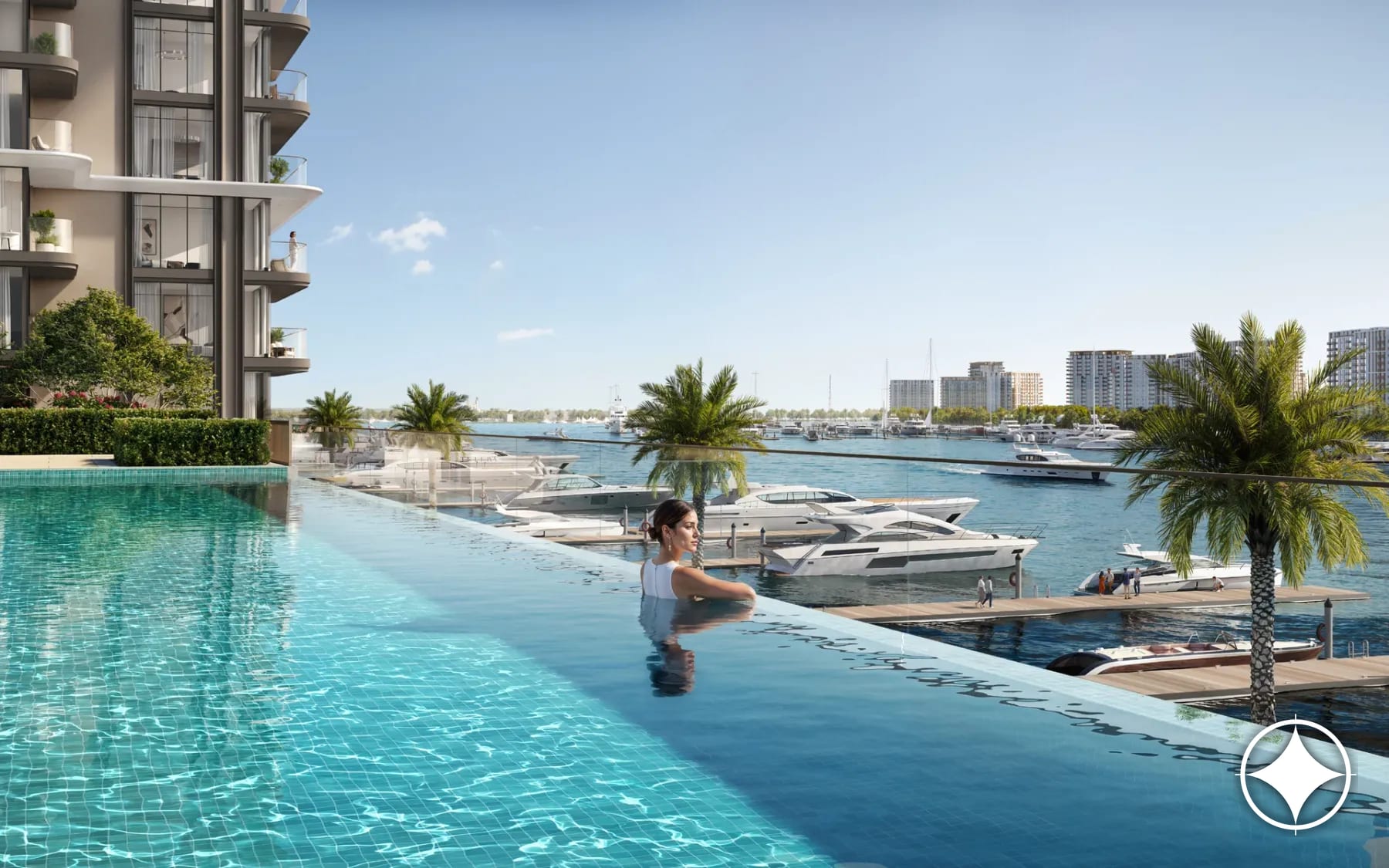
Mina Rashid is the waterfront redevelopment of the old port, presented with Emaar and Nakheel as its developers, a marina and Rixos-branded residences. The strength of that side is the weight of the names and the coherence of the plan.
Talk to a licensed broker: WhatsApp +971 50 120 32 64 · Telegram
Which four axes turn taste into method?
Demand anchors, the pace of actual construction, the mix of developers and transport links. Each can be measured, which moves the argument from whether one likes the sea to a profile of the risks and strengths on each side.
Anchors come first: what will make people live here once the building stops. Mina Rashid has the marina, the beach line and the cruise harbour. Maritime City has its position between the Palm and the centre and the maritime theme of the peninsula.
The second axis is the pace of real construction. That means the number of towers in an active phase and how the picture has changed over the past year, and not the promises of a masterplan.
Third, who is building. A concentration of strong developers speeds up the making of a neighbourhood, because each of them brings roads, retail and landscaping with it. Fourth, how convenient the exits onto the main highways are today and not in prospect.
What decides the next three to five years?
What exists on the day your own building is handed over. Over a short horizon both districts stay construction sites, and that is normal; the question is which of them assembles a minimum of daily life first.
Four things make up that minimum: food shopping within walking distance, schools and nurseries within a reasonable radius, a promenade to walk on, and a clear route to work.
The district that gathers this set first is also the first to receive durable rental demand. Tenants follow an environment and not renders.
Watch the phases as they fill: the first occupied blocks bring retail, and that is the turning point. Estimate how many units will reach the market together, because that keeps rents under pressure for longer. And look at the public spaces, whose quality separates a place to live from a set of towers.
How do you let a flat in a district that is still filling up?
By pricing slightly below ambition in order to let quickly and keep a good tenant. An empty flat costs more than a discount does, and the first years after handover are the hardest a landlord here will have.
Supply arrives in waves in that period, and the surroundings are not yet mature. The tenant to aim for values a new building and nearby water over developed infrastructure: young couples, professionals with a car, people employed by businesses on the coast.
As the district matures the strategy changes. Families appear, tenancies lengthen and the premium for units with a view grows.
Review the rent and the positioning of the flat every year. In a mature district that is a formality; in a growing one it is the source of a noticeable difference in income.
How should the risks of buying early be spread?
By naming four of them and answering each. Pace comes first: a district may take longer to build than planned, so choose the phases that are furthest advanced and developers with a discipline about dates.
Surroundings: the neighbouring plot may stay empty for longer than expected. Units beside anchors that are already built hold up better.
Competition: several towers completing together press on rents. What rescues a flat is its difference from the rest — the view, the layout, the floor.
Liquidity: the secondary market in a young district is thin, and a quick sale is possible only at a discount. Go in with a horizon that never obliges you to sell at a bad moment.
One budget or two: how do you split it?
With a budget for one property, the choice comes down to the investor’s profile. The conservative buyer is closer to Mina Rashid: top developers, a coherent masterplan and a premium for the brand that is easy to understand.
The potential return there is lower, and so is the number of ways to be disappointed. The aggressive buyer is closer to Maritime City: a lower entry, a higher projected rental yield and more movement in the price if the peninsula develops well.
With a budget for two, diversify by role and not for form’s sake — a stable asset in Mina Rashid as the core of the portfolio, an income unit in Maritime City as the bet on growth.
Do not buy the same kind of unit in both. Different formats and different target tenants reduce the correlation between the two results, which is the entire point of spreading the money.
The checks before a deal in a young district
The set is the same whichever side you choose. Confirm that the project is registered with the Land Department and that payments go to an escrow account. Compare the handover date the sales manager quotes with the one officially registered.
Study the actual pace of building from photographs and progress reports, and not from what the sales office promises. Check the assignment rules separately — in a young district they are the main emergency exit from a deal.
It also pays to fix the view, the floor area and the specification of the unit in the contract. In districts under active construction these are the parameters that most often differ from what the buyer expected by the time of handover.
Frequently asked
Which was cheaper to enter, Maritime City or Mina Rashid?
Maritime City was often the more affordable of the two in 2023, with a more varied pool of developers. Mina Rashid carried a premium for its top developers and its masterplan.
Does it make sense to buy in both districts?
Yes, if the two purchases play different roles: a stable core asset in Mina Rashid and an income unit in Maritime City as a bet on growth. Buying the same type of unit in both defeats the purpose.
What is the first sign that an early-stage district has turned?
The first occupied blocks bringing retail with them. Once food shopping, schools, a promenade and a clear route to work are in place, durable rental demand follows.
✍️ Message me on WhatsApp for a free consultation — off-market stock, payment plans and honest numbers on any of the projects covered here.
✅ Subscribe on YouTube — investment, property, business and relocation in the UAE and beyond.


Below market in Dubai Maritime City right now
From the daily off-market feed. Availability and price are confirmed on request.
All below-market listings →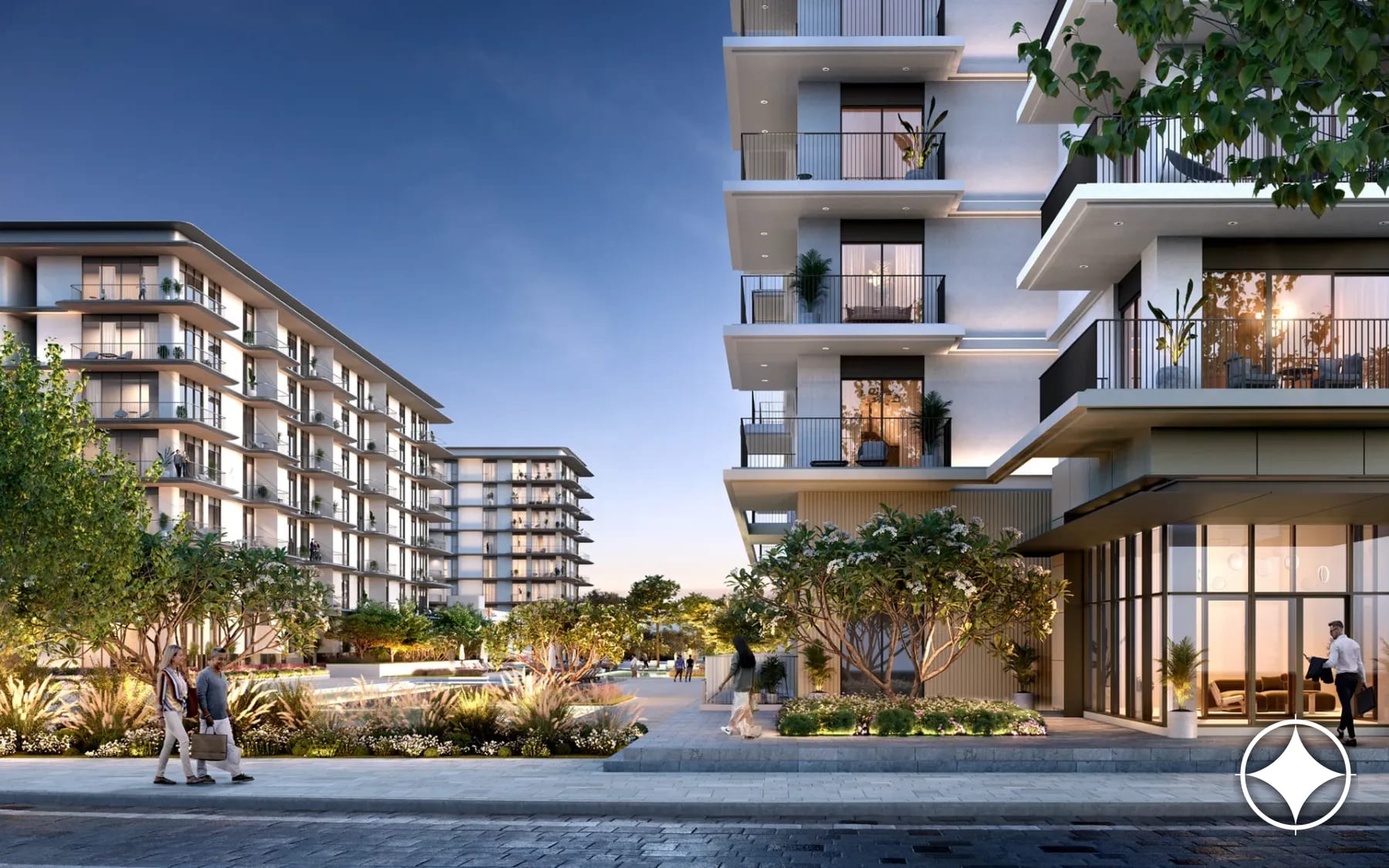
In the news
The same subject in writing — analysis and news related to this video.

BEYOND: three projects, three Dubai districts — and three very different buyer profiles
PASSO on Palm Jumeirah, Arancia Yards in City of Arabia and Soulever in Dubai Maritime City are all built by the same developer, BEYOND, yet each draws a different kind of investor. Why one brand does not mean one buyer profile.

Mina Rashid: a working harbour turned residential district
An old port being rebuilt as a quarter with a marina and a promenade. Port redevelopment has real strengths and leaves specific things behind.
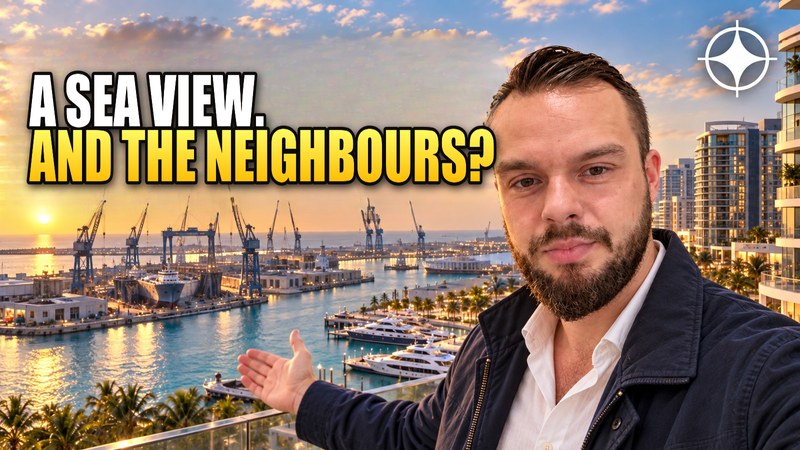
Dubai Maritime City: buying a home in the middle of the maritime industry
A peninsula between two harbours, planned as a hub for shipbuilding and ship repair, with residential towers on the same land. Here the neighbours matter more than the view.
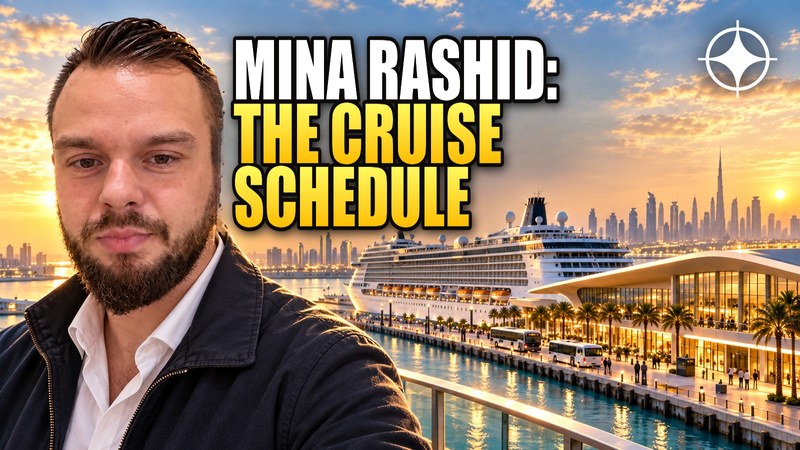
Mina Rashid: living next to the cruise terminal and its schedule
Ship calls bring surges of people and traffic to the district. Those surges run to a calendar, and it is published in advance.

Apparel Group: how letting actually works in Dubai
A retail group developing a tower in Dubai Maritime City. Whoever you buy from, the rules on tenancy registration, rent increases and notice are the same — and they favour a prepared landlord.

Palm Jebel Ali: 5 200 hectares and 90 kilometres of coastline
Dubai’s second palm archipelago, restarted after a long pause. Its dimensions are worth stating in full, because they are what explains its effect on the market — including on the mainland behind it.