
One River Point by Ellington and Orla Infinity: two kinds of waterfront, valued two different ways
One River Point is Ellington’s canal-side project — city waterfront, where the water is part of the urban view. Orla Infinity on the Palm is the opposite case, an ultra-premium trophy priced by scarcity. Both pair a strong brand with water and design, and each has to be valued by its own rules.
What is One River Point?
One River Point, as presented in late 2023, is a project by Ellington, a design-led developer, and it continues that company’s line of aesthetics and quality. Its position by the water adds view value and a premium on rent.
It belongs to the format of homes on a city embankment. Water here is part of the urban landscape and not of a beach holiday, and that format has rules of its own.
Projects of this kind interest investors for three reasons. A strong developer brand supports liquidity, a location by the water brings views and a premium, and the design and layouts make the flat attractive to tenants.
Talk to a licensed broker: WhatsApp +971 50 120 32 64 · Telegram
What does the market pay a design-led developer for?
Ellington is the best-known example in Dubai of a design-led developer: a company for which architecture, the interiors of common areas and finishing details are the main product and not an accompaniment to floor area.
The economics of the model are tested on the secondary market and in letting. Flats by such developers, as a rule, let faster and trade with more confidence than their standard neighbours.
The reason is simple. A tenant chooses with the eyes, and a resale buyer chooses by the condition of the building years after handover.
The “design premium” is not hard to verify. See the developer’s completed projects in person, not in renders, and compare rents with neighbouring buildings of the same year. If the difference holds, the premium at entry is justified; if the buildings are indistinguishable, you are paying for marketing.
None of this makes a design-led project better in general than one by a large mass-market developer. The giant offers scale, infrastructure and predictability; the design developer offers a product that stands out and a premium on rent. They serve different strategies.
How is canal-side living different from other waterfront?
Value on a central embankment is created by the view of the water and of Downtown, by a pedestrian promenade and by closeness to business clusters. The sensitive points are peak-hour traffic on the approaches and the density of the surrounding development.
Check the view from the specific floor. Lower levels on a canal often look at the buildings opposite and not at the water. Judge the noise as well: embankments with active retail stay awake late.
Compare the price with “dry” buildings in the same district, which shows what the water itself costs. For letting, the format is strongest in compact units, because the audience of the embankments is professionals who work in the centre.
How do you value an ultra-premium property with no comparables?
Orla Infinity on the Palm is an example of the ultra-premium segment, where exclusivity and views set the price and the buyers are wealthy people acquiring a trophy asset. The segment lives by valuation rules of its own.
Direct comparables are few and transactions rare. Price is formed not by statistics but by scarcity: the first line, a limited number of units, the name of an architect or operator. For a buyer that means a wide negotiating range, and expertise of one’s own in place of an “average price per square foot”.
Start with irreplaceability — could a property with the same characteristics be built next door? If not, scarcity protects the price. Allow for a long marketing period on sale: buyers in the segment are few, and time is part of the strategy.
Check the running costs, because service in ultra-premium residences is expensive and rises over time. And look at execution: in this class a gap between the promised and the actual finish is unacceptable, so study what the developer has already handed over.
Where do such projects sit in a portfolio?
A review that places an Ellington project beside family-oriented Nad Al Sheba and the trophy Palm suggests a sensible structure: a liquid core first, then a growth bet, then exclusivity.
The liquid core is quality flats by strong developers in sought-after districts, which give even rent and a quick exit. The growth bet is early phases in promising locations. The trophy part is unique properties that hold value in a crisis but do not give a high percentage yield.
The private investor’s mistake is to assemble a portfolio only of growth bets or only of trophies. Proportions depend on aims, but the order is common to all.
A trophy asset is the end of a strategy, not its beginning. It belongs to the part of capital that will not need quick liquidity, and it is bought after the income-producing core is in place.
Abu Dhabi plays the stabiliser in this scheme. The capital’s market is less volatile and correlates more weakly with Dubai’s cycles, so looking at both emirates gives a choice between Dubai’s dynamism and Abu Dhabi’s stability inside one dependable jurisdiction.
Which contract clauses should be read before signing?
Whatever the segment, the quality of the deal is set by the contract. Check the finishing specification as an annex and not as a brochure promise, the permitted delay in handover and the consequences of exceeding it, and the rules and fee for assigning the contract.
Check also how the finished flat is measured and the price recalculated if the area differs, and the terms on which service charges accrue before you actually move in.
In premium projects add a clause on view characteristics if you are paying for the view, and one on the materials of the common areas. The lobby in the render and the lobby as built differ more often than people think.
An hour of a lawyer’s time at this stage is cheaper than any dispute afterwards.
Frequently asked
Who is the developer of One River Point?
Ellington, the best-known design-led developer in Dubai — a company for which architecture, common-area interiors and finishing details are the main product. One River Point continues that line in a location by the water.
Is a design-led project better than one by a large mass-market developer?
Not in general — they suit different strategies. A mass-market giant offers scale, infrastructure and predictability; a design developer offers a product that stands out and a premium on rent. Compare the figures of specific buildings, not brands.
Is an ultra-premium property like Orla Infinity sensible for a private investor?
Only with the part of capital that will not need quick liquidity, and after an income-producing core of the portfolio has been formed. A trophy asset is the end of a strategy, not its beginning.
Should a budget be split between Dubai and Abu Dhabi?
For large portfolios it makes sense, because different demand drivers smooth out fluctuations. With a small budget it is more practical to focus on the one market you know more deeply.
✍️ Message me on WhatsApp for a free consultation — off-market stock, payment plans and honest numbers on any of the projects covered here.
✅ Subscribe on YouTube — investment, property, business and relocation in the UAE and beyond.


Below market in Business Bay right now
From the daily off-market feed. Availability and price are confirmed on request.
All below-market listings →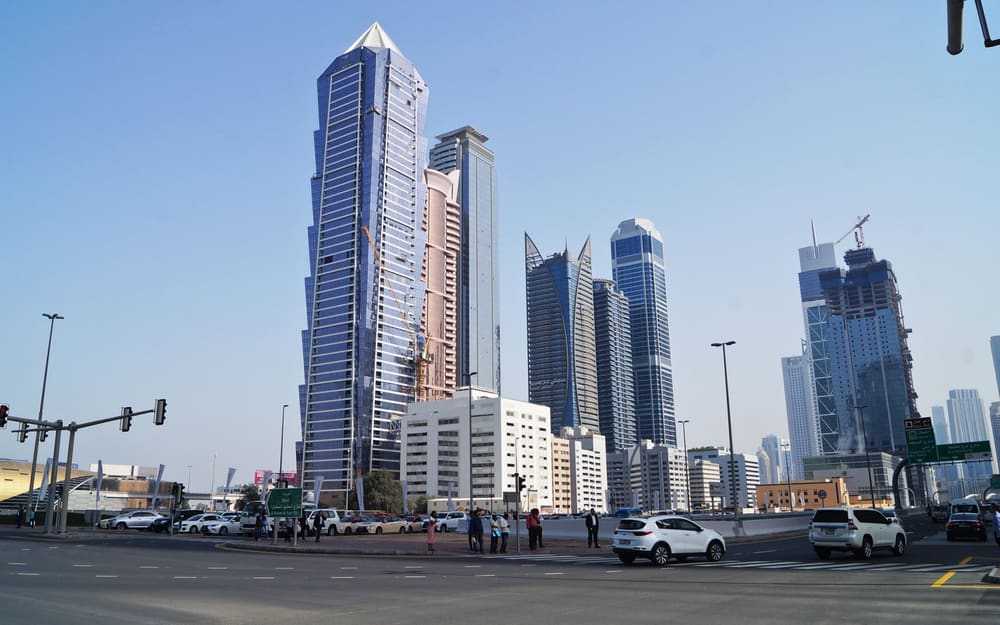
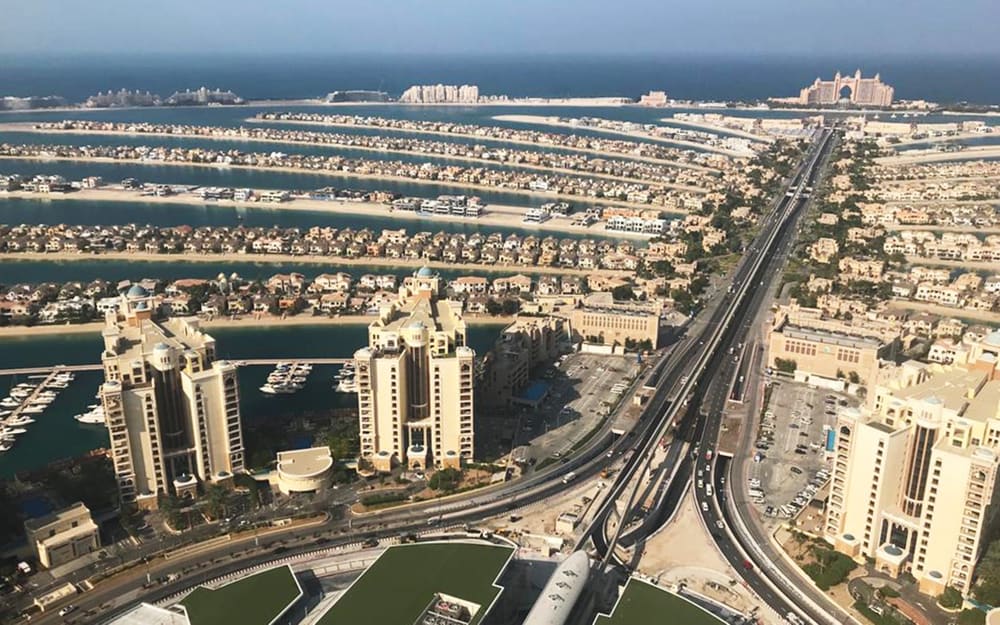
In the news
The same subject in writing — analysis and news related to this video.

Business Bay overtakes Palm Jumeirah in prime deals in August 2026, even as Dubai's wider market cools
Business Bay recorded 14 prime transactions in August 2026 against Palm Jumeirah's 10 — while Dubai-wide transaction volume fell 37% year-on-year and value fell 44%. Rental search demand rose 44% over the same period. What these seemingly contradictory numbers actually mean.
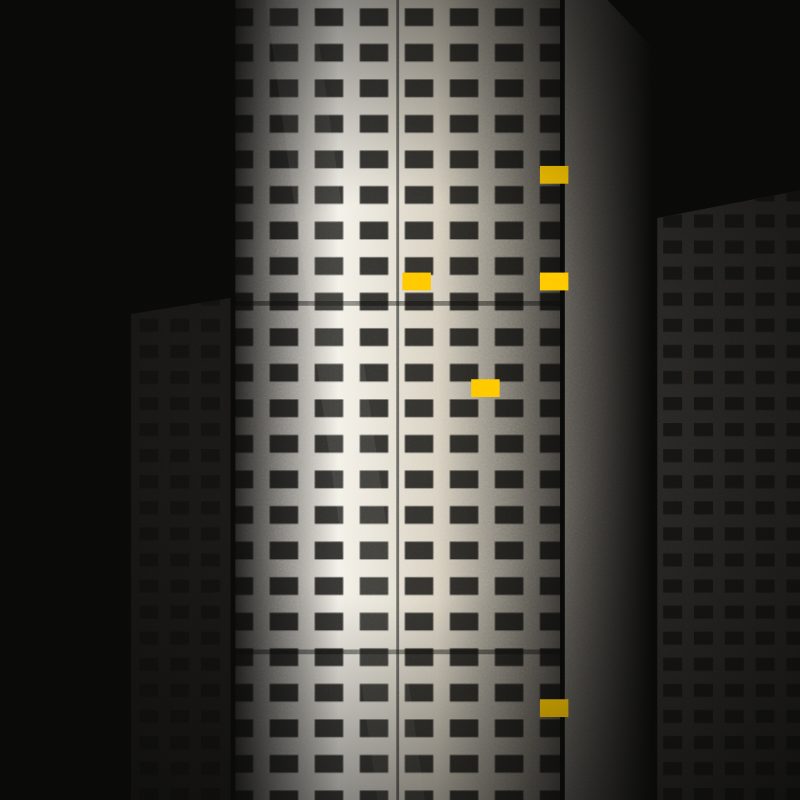
Business Bay apartments: Deyaar’s DWTN Residences — 445-metre twin towers planned around Maslow’s pyramid
Deyaar is building DWTN (Downtown) Residences in Business Bay: twin 445 m, 111-storey towers with 522 homes — 432 apartments, 76 duplexes, 13 penthouses and a “Royal Palace”. From AED 1.86m with half due at keys. Construction began in January 2026; completion is quoted for 2029–2030.

Armani Beach Residences on Palm Jumeirah: 53 homes, Tadao Ando and a slip to 2027
A project built around three names, with fifty-three apartments in the whole scheme. Why the district’s price per foot tells you nothing about it, and what to check in projects like this.
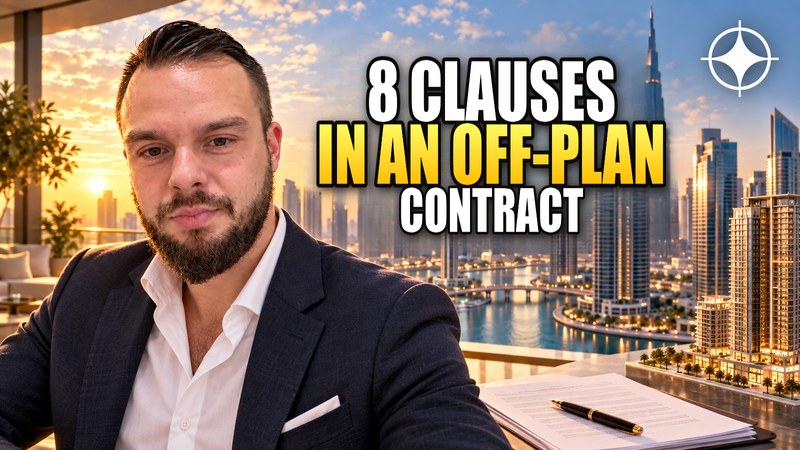
Orion Real Estate Development developer profile: eight clauses to read in a Dubai off-plan contract
The developer of a Business Bay tower. Off-plan purchase agreements are signed almost unread, yet eight of their provisions decide nearly everything — here they are.

Ginco Properties: building in Business Bay, where supply is the whole question
A developer with a tower under construction in Business Bay. The district has plenty of demand and even more supply — and that ratio, not the building, decides the outcome.

Como Residences: 71 floors, 76 apartments, and a handover date that moved
Nakheel’s tallest building on Palm Jumeirah — one or two apartments per floor, an elevated private beach, an AED 1.8bn contract. Delivery has slipped from Q3 2027. What that costs a buyer, and how to read a schedule change.