The plan and the reality
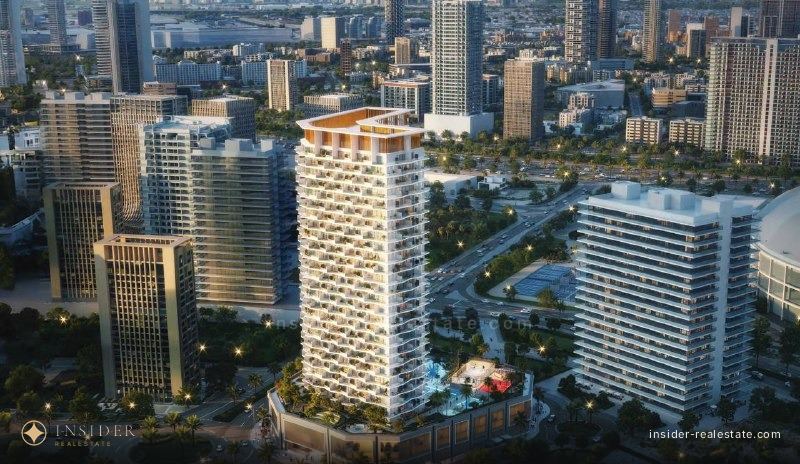
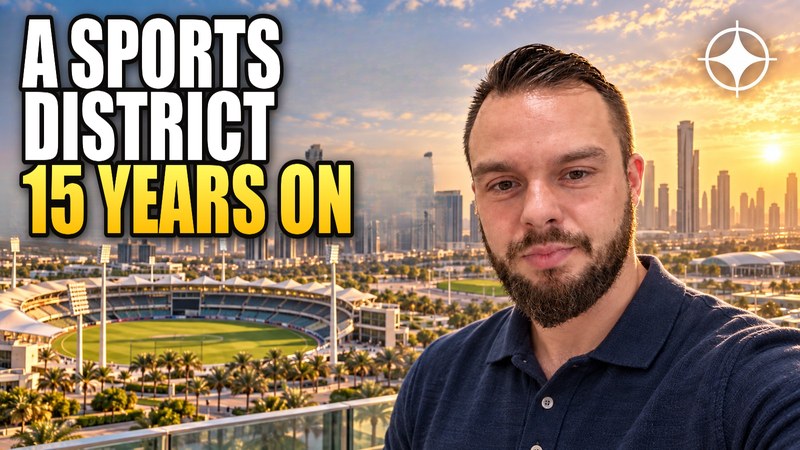
Dubai Sports City was master-planned around a sporting ecosystem: a cricket stadium, academies, a golf course and residential built to serve them. Parts of that were delivered — the cricket stadium and the golf course exist and function — and parts were not, leaving the district with a mix of world-class facilities and unfinished plots.
What it became is a large, affordable, car-dependent residential district on the inland side of the city, with a substantial tenant population and a reputation that lags the current reality.
Much of the earliest stock was poorly built and poorly managed, and that history still colours perceptions even though the newer buildings are a different product.
The case for buying here
Entry prices are among the lowest for new-build apartments in Dubai, and the gap to comparable stock in Arjan or JVC is real.
Because rents have held up better than prices, gross yields sit at the upper end of the Dubai range. For a pure cash-flow investor that is the entire argument.
The tenant pool is genuinely large, drawing from Dubai Studio City, Motor City, the business parks along the corridor, and families and sharers who want space at a price the coastal districts cannot offer.
The golf course and sporting facilities provide real amenity that most cheap districts lack.
The case against
No metro, and a long drive to anywhere on the coast. That caps rent growth because it caps who will live here.
Very wide quality variance between buildings. Some Sports City towers are well run; others have documented histories of service charge disputes, maintenance backlogs and dysfunctional owners associations. This is a real risk and it is not visible from a floor plan.
Slow capital appreciation. There is no scarcity here — land is available and supply responds to demand quickly.
A resale market dominated by yield-focused buyers who negotiate hard, which caps your exit price.
How to buy well here
The building matters more than the district. Two towers on the same street can have completely different service charge histories and maintenance standards. Ask for the owners association records, or at minimum walk both buildings.
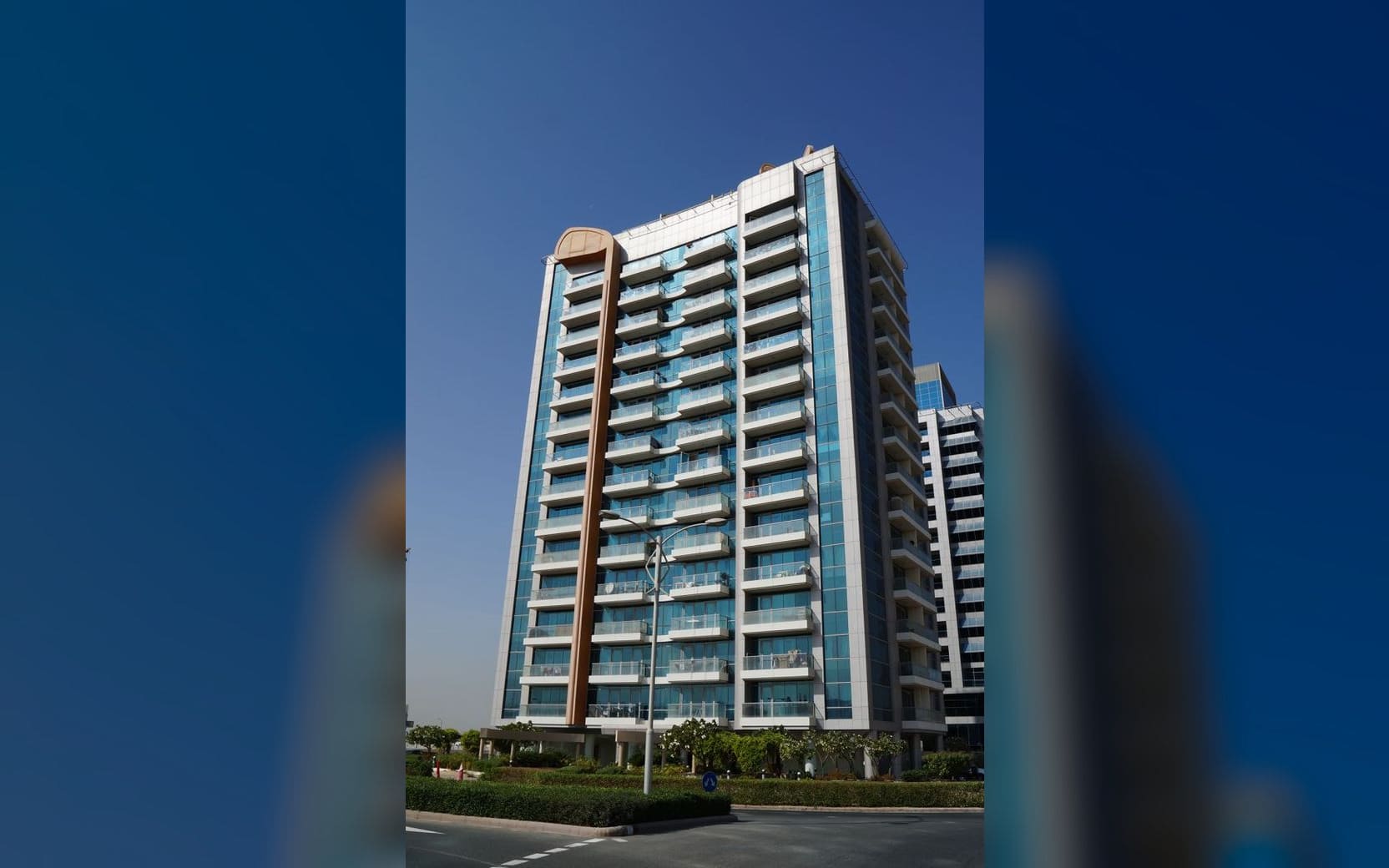
Prefer new construction from a developer with a delivery record over older stock at a discount. The maintenance liability in a poorly built 2008-era tower can swallow several years of yield.
Check the service charge against the rent rather than in isolation.
Insist on a parking bay in a car-dependent district.
Check what is planned on adjacent plots — Sports City still has undeveloped land.
Living here
Quiet, spread out, and functional. The golf course and the sports facilities give it more open space than most affordable districts.
Community retail covers the basics; for anything substantial residents drive to Motor City, Mall of the Emirates or Cityland.
There are schools in and around the district and in neighbouring Motor City and Studio City.
Roughly twenty to twenty-five minutes to Marina and longer to Downtown, off-peak.
Who it suits
A long-term cash-flow investor who does the building-level work and does not expect appreciation.
A tenant or owner-occupier who wants maximum space per dirham and works nearby or remotely.
It suits poorly anyone wanting a balanced return with capital growth, which is better found in a supply-constrained district, and anyone who assumes all Sports City buildings are equivalent.
The Victory Heights side
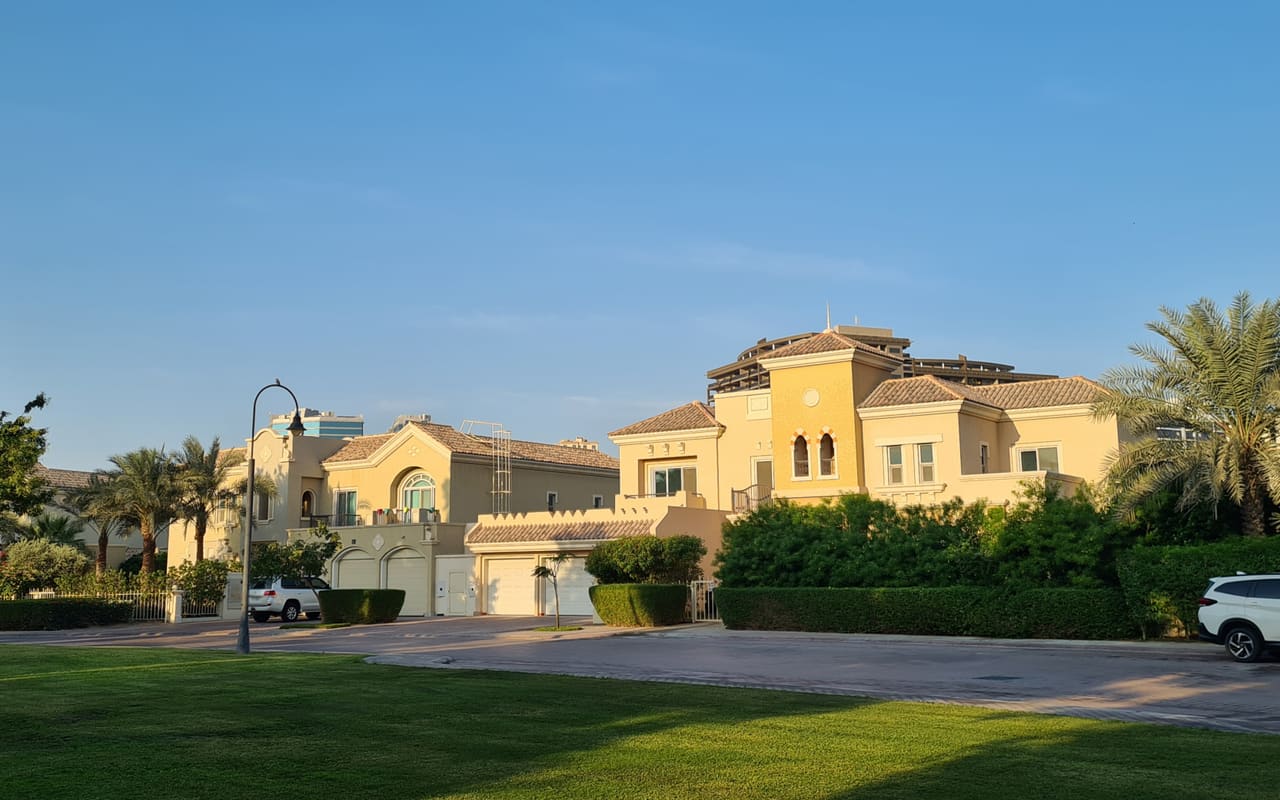
Sports City contains a villa community, Victory Heights, laid out around the Els Club golf course, and it is a completely different proposition from the apartment towers a few hundred metres away.
It is gated, low-density, mature and family-occupied, with golf frontage on some plots and a school inside the community. Tenants there are long-staying families, tenancies run for years, and the resale market is a family one rather than an investor one.
Prices reflect that: Victory Heights trades at a large multiple of the apartment stock and yields far less in percentage terms.
The two markets barely interact, and blending them into one Sports City average produces a figure that describes nothing. Establish which one a listing belongs to before comparing anything.
Why the reputation lags the stock
Sports City acquired its reputation from its earliest buildings, several of which were completed cheaply during the 2008–2012 period, handed to owners associations with no reserve funding, and allowed to deteriorate.
Those buildings still exist and some are still badly run. They are also no longer representative: a good deal of newer, better-built stock has been added, and several of the older towers have been through genuine refurbishment.
The gap between reputation and current reality is exactly where the opportunity sits — the district is priced on its history while a subset of the buildings has moved on.
Capturing that requires you to distinguish between them, which is a site visit and a service charge history rather than a portal filter. Nobody will do it for you, which is why the discount persists.
The realistic plan
Buy new or refurbished, in a building whose owners association can show you a funded maintenance programme, with a parking bay, and hold it long enough that the rent is the return.
Model net after charge, vacancy and maintenance. The headline yields here are the highest in the emirate and the net figure is a good deal lower, though usually still strong.
Do not expect appreciation. There is available land, no scarcity, and a resale market of yield buyers who negotiate hard.
And check what is planned around you. Sports City still has undeveloped plots, and the parts of the original masterplan that were never built remain as gaps that can be filled with anything.
The district by the numbers
Dubai Sports City covers about 4.6 square kilometres with a population above thirty-five thousand. Construction started in 2004 around a set of sporting venues rather than around a retail centre, which is what distinguishes it from its neighbours.
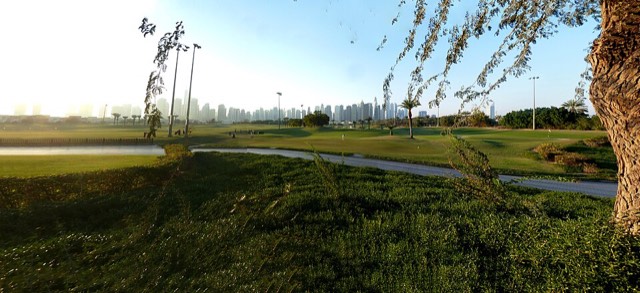
The ICC Academy cricket stadium seats 25,000 and hosts international fixtures. The Els Club, designed by Ernie Els, was named the best golf course in Dubai at the 2024 World Golf Awards. The LaLiga Academy operates its football programme here.
Victory Heights School sits inside the district alongside clinics, nurseries and playgrounds, and the villa community of the same name occupies the low-density half of the area.
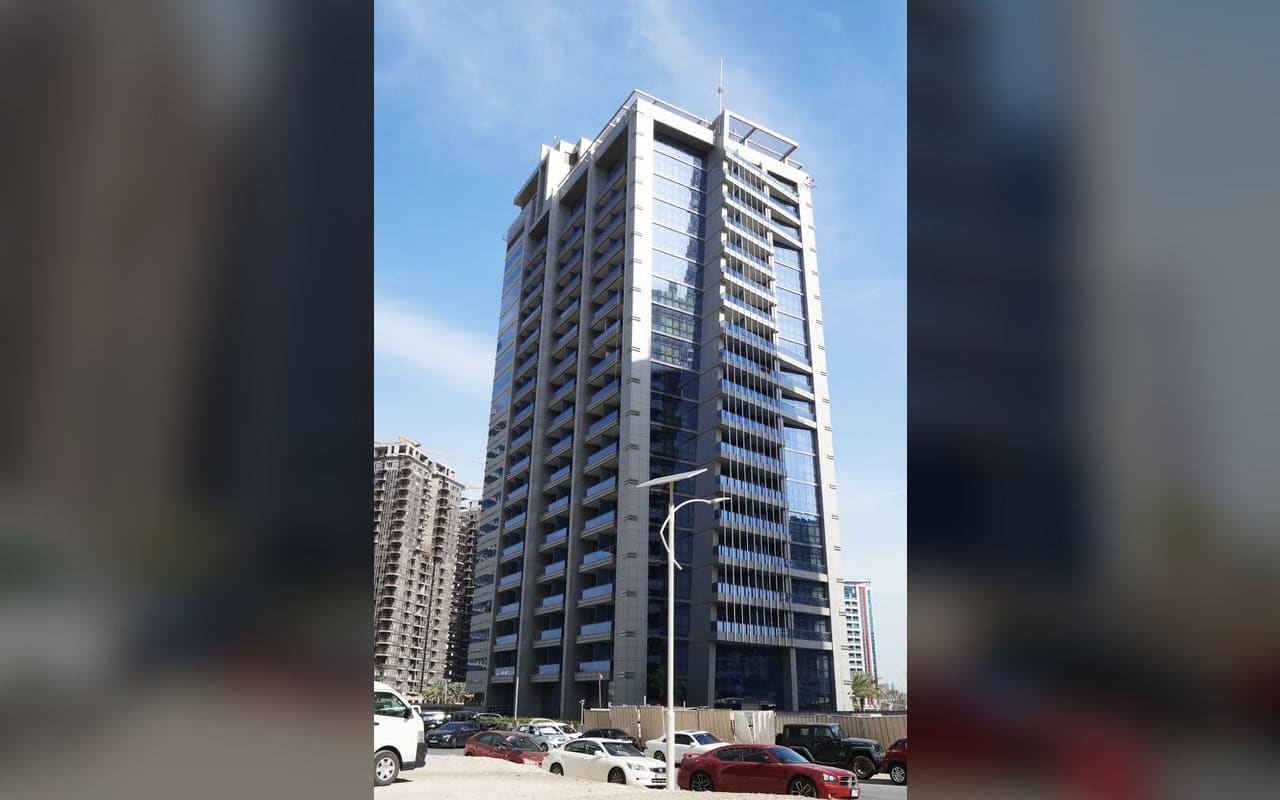
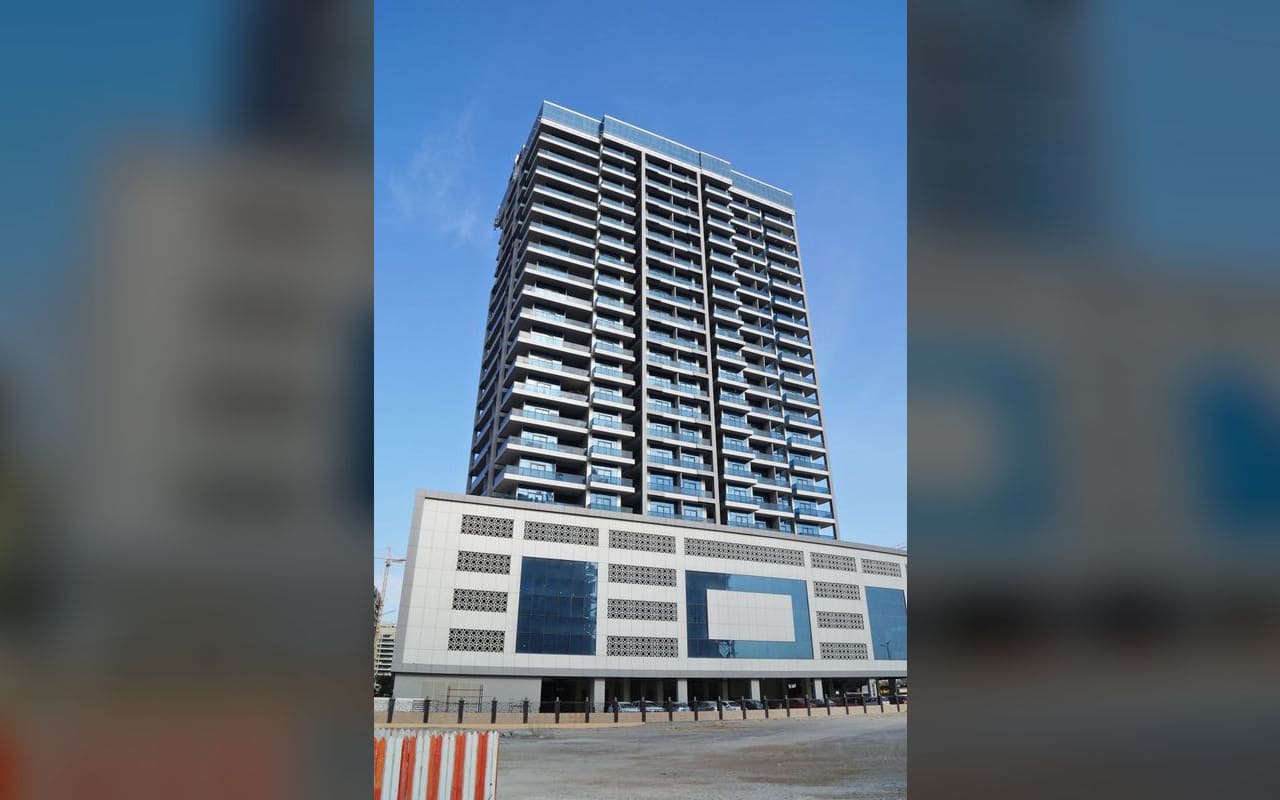
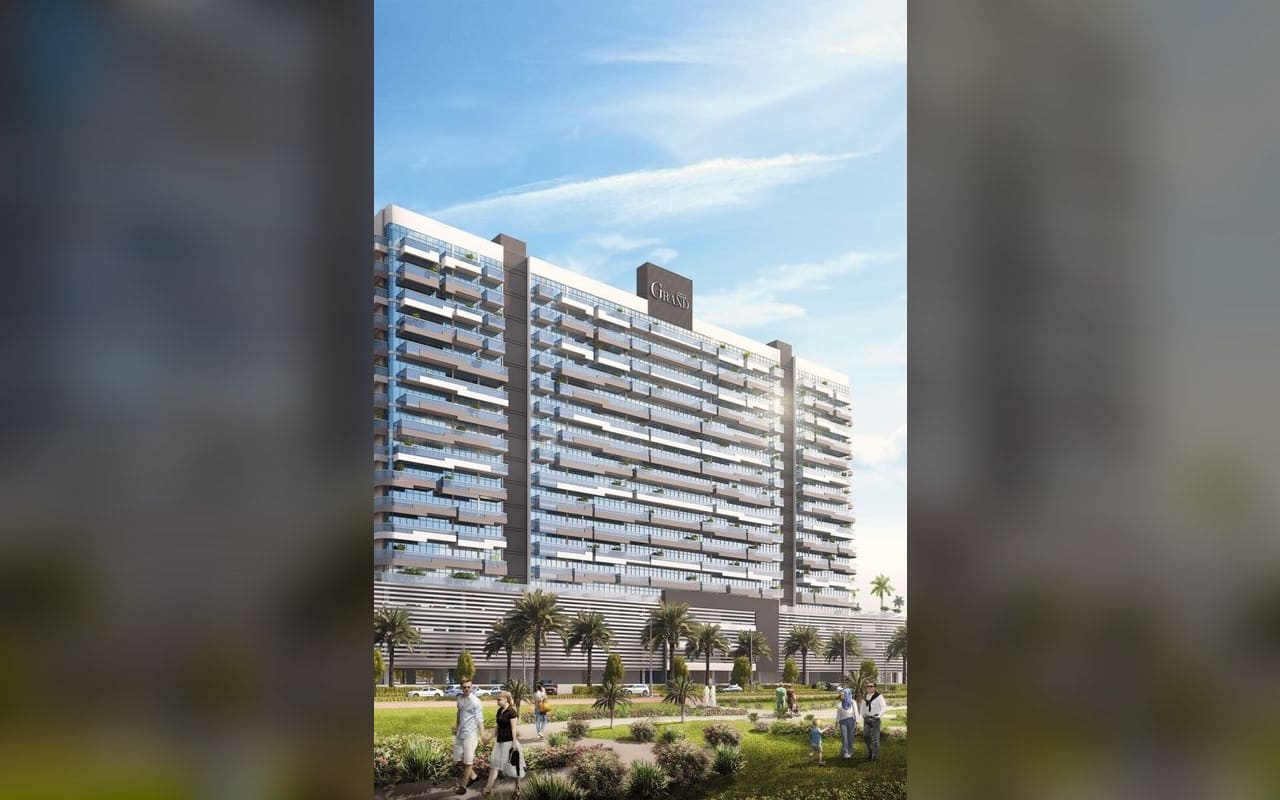
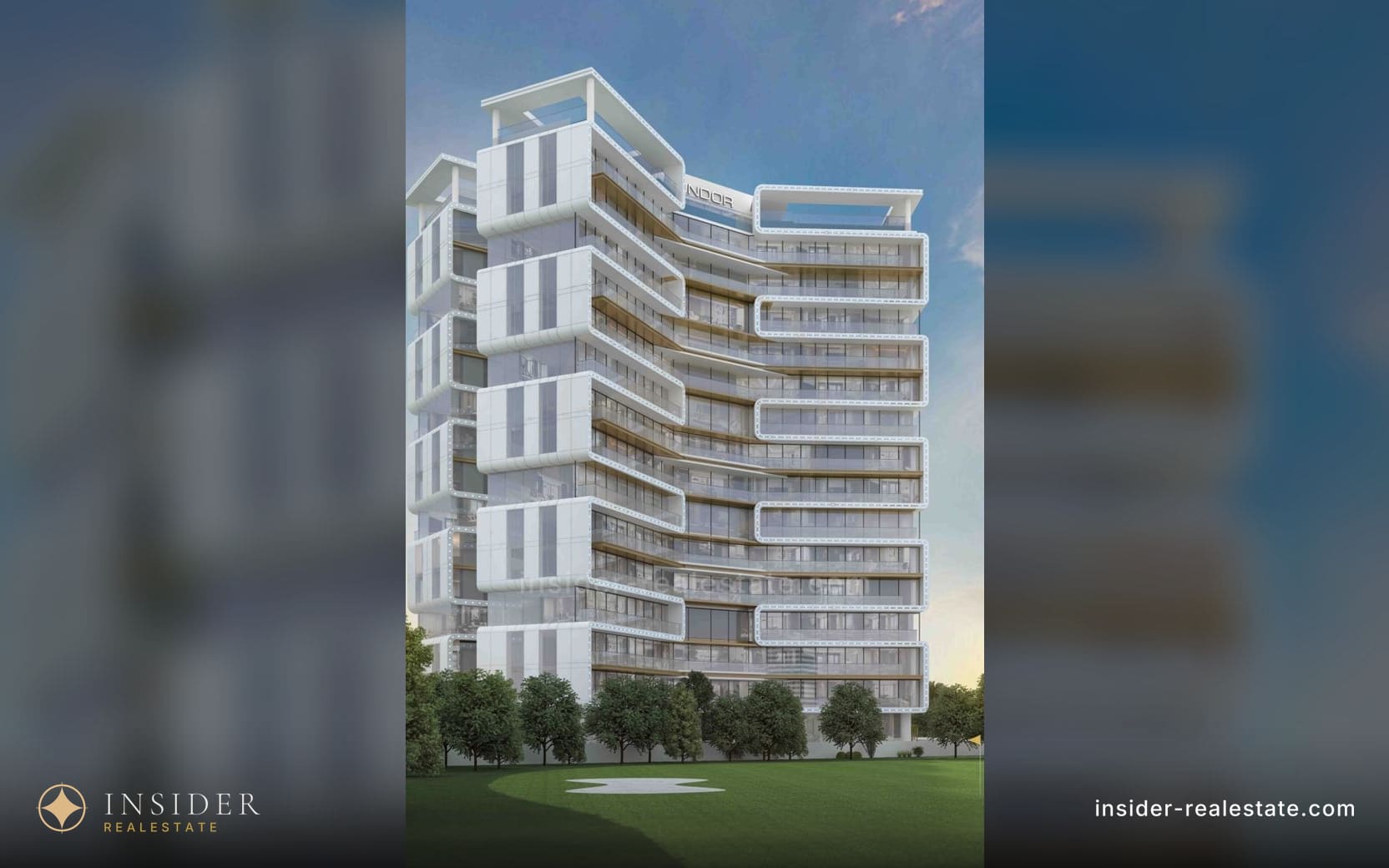
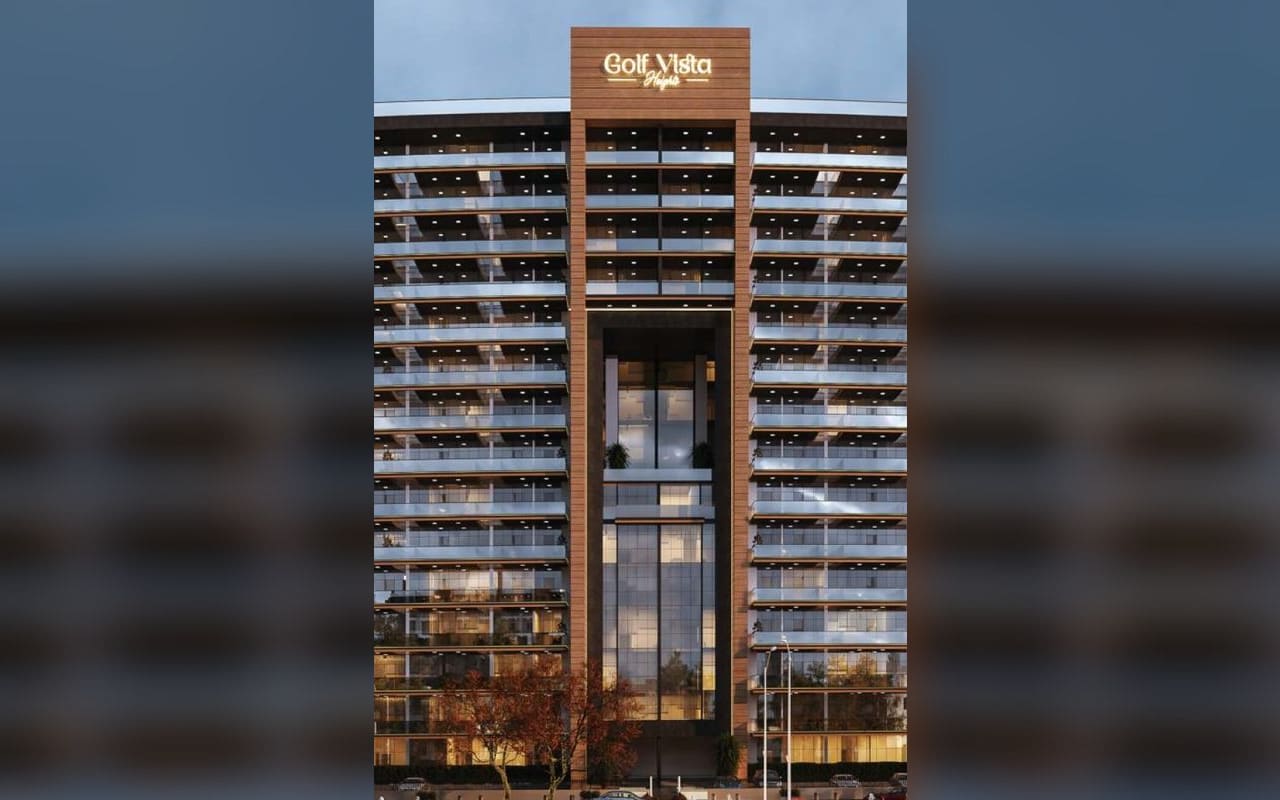
The apartment stock is built predominantly by Danube, Azizi and Binghatti, and it is where the affordable end of the district lives.
Access is along Sheikh Mohammed Bin Zayed Road: roughly five minutes to Motor City, fifteen to Dubai Marina and twenty to Downtown.