
Tilal Al Ghaf: what a mall operator builds when it builds houses
Dubai has several lagoon communities now, and they are not equivalent. The difference is not the water feature in the render but whether the retail spine was actually leased, whether the beach was actually built, and whether the planting was specified to survive rather than to photograph well at handover.
What Tilal Al Ghaf is
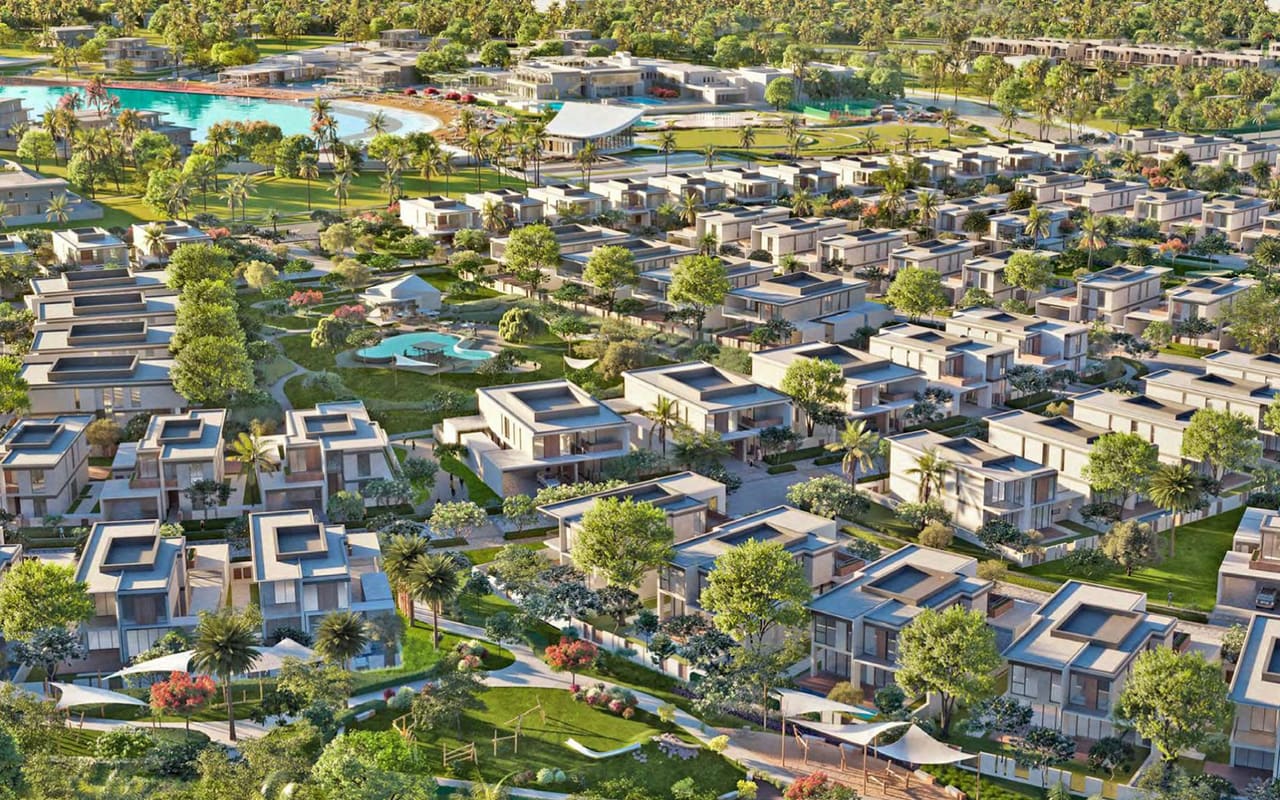
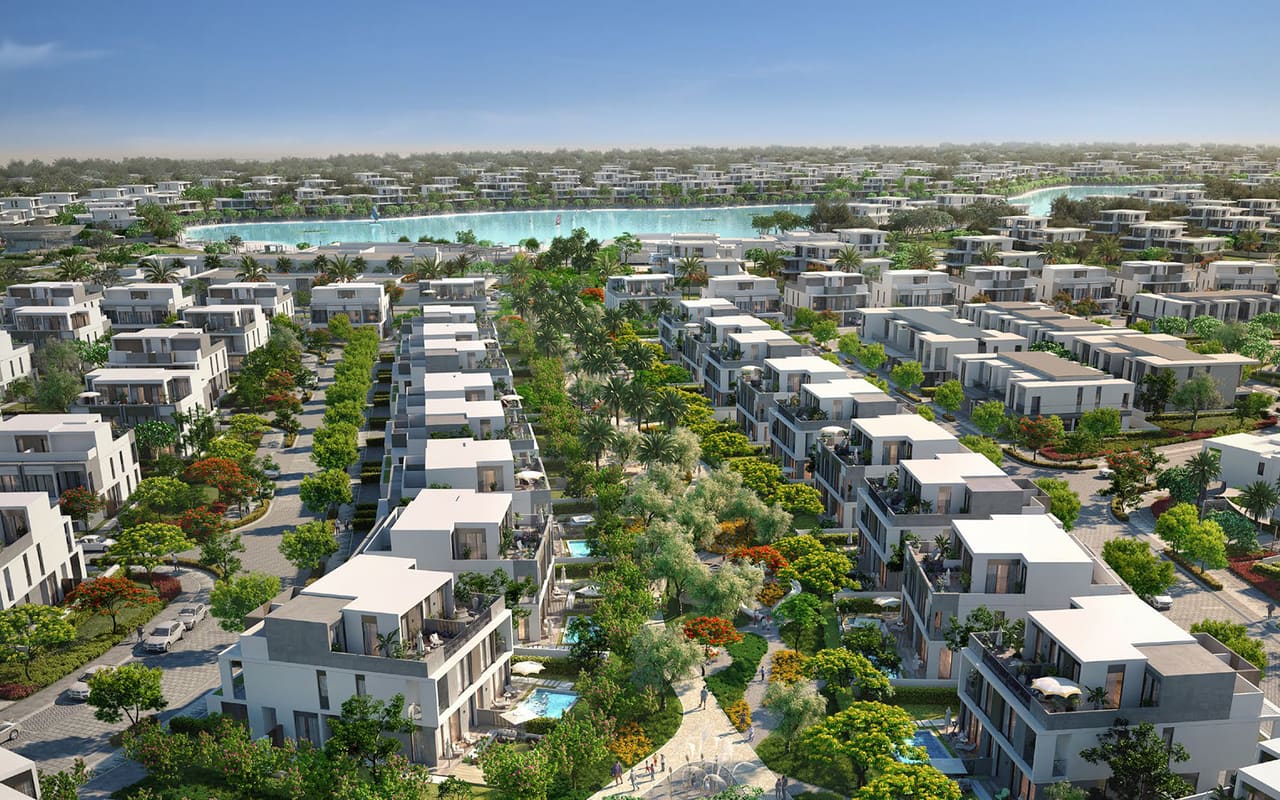
A master-planned villa and townhouse community developed by Majid Al Futtaim around Lagoon Al Ghaf, a large swimmable lagoon with sand beaches, off Hessa Street on the inland side of the city.
Majid Al Futtaim is best known as the developer and operator behind Mall of the Emirates and the City Centre malls, and it brings a hospitality-oriented approach to community development that shows in the execution here.
Density is lower than in the neighbouring Damac communities, landscaping is more generous and the finish standard is a clear step up.
Talk to a licensed broker: WhatsApp +971 50 120 32 64 · Telegram
Parts of the masterplan are still being delivered, so confirm what is complete around the specific plot rather than around the community.
What the operator background actually buys
The lagoon has proper filtration and a real beach rather than a decorative water feature. The retail spine was leased and tenanted rather than left as empty shells waiting for a market. The landscaping was specified to survive the climate.
The community also has genuine placemaking: a central spine with retail and dining that functions as somewhere people go, rather than a strip of units.
That is the difference buyers are paying for against the neighbouring lagoon communities, and it has shown up in both rent and resale performance.
It also means the community charge is meaningful. Operating a swimmable lagoon and a maintained beach costs money, and the charge here sits above the inland average for a reason you can see.
The tiers behave like different markets
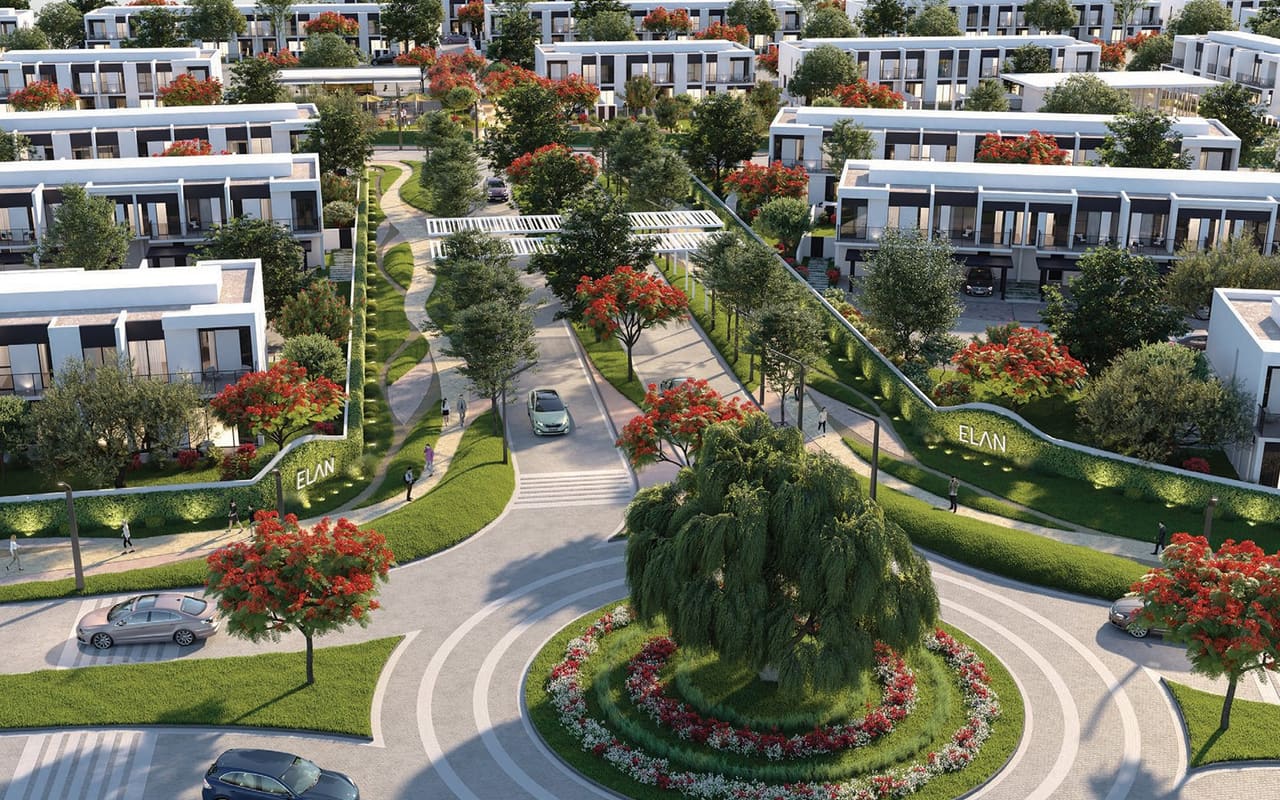
The community is layered rather than uniform. Harmony and Aura sit at the accessible end as townhouses and smaller villas; Elysian Mansions and Alaea occupy the premium tier with large detached houses on the best plots, several directly on the lagoon.
The townhouse product competes with Damac Lagoons and the wider Dubailand corridor on price. The mansion product competes with Dubai Hills golf villas and District One. Those are not the same market and they do not move together.
A single price-per-square-foot figure for the community therefore means very little. Establish the sub-community first, then compare.
Lagoon frontage runs through all tiers and is the most consistent price driver: waterfront plots command a substantial premium in every band and have held it on resale.
What to check
The plot position relative to the lagoon and the amenity spine, which is the main price driver inside the community.
The completion status of the phases immediately around you, since parts of the masterplan are still under construction.
The community service charge, which reflects lagoon and landscaping maintenance and is not at the bottom of the market.
And garden orientation and afternoon sun, which in a villa is a large part of whether the outdoor space gets used at all.
The commute and the competition
Off Hessa Street, roughly twenty-five to thirty-five minutes to Downtown and Marina depending on the hour, with no metro. That places the community in the middle band — closer than The Valley and Damac Hills 2, further than Dubai Hills and Meydan.
The direct competition is Damac Lagoons next door, which offers more space per dirham and a similar lagoon concept at a lower standard of execution, and Dubai Hills, which offers a better location and schools at a higher price.
Tilal Al Ghaf occupies the gap between them, and the right answer depends on whether you value execution over space or over location.
Schools exist in and near the community, and the wider inland school cluster around Dubai Hills and Al Barsha South is within a reasonable drive.
The investment view
This is a quality play within the inland villa market. Prices sit above the Damac communities nearby and the product justifies it; resale has performed accordingly.
Yields are moderate. This is not a high-yield district, and an investor optimising for percentage return should be looking at the affordable corridor instead.
The argument is capital performance plus a place that people want to stay in. For families who intend to live in the community rather than let it, it has consistently been the strongest of the three nearby options on resident satisfaction.
Over a ten-year hold that is what actually determines whether you were right, and it is the reason to prefer a well-run community over a cheap one.
Frequently asked
Who developed Tilal Al Ghaf?
Majid Al Futtaim, the group behind Mall of the Emirates and the City Centre malls. Its operating and hospitality background shows in the execution — a larger lagoon with proper filtration, properly built beaches, a tenanted retail spine and landscaping specified to survive.
How does Tilal Al Ghaf compare to Damac Lagoons?
Lower density, higher specification, better-executed amenity and more competent community management, at a higher price. Damac Lagoons offers more space per dirham on a similar lagoon concept; Tilal Al Ghaf has performed better on resale.
Why is the service charge higher here?
Because a swimmable lagoon, maintained sand beaches and generous landscaping carry a permanent operating cost. The charge sits above the inland average, and that is the same spending that keeps the amenity in the state the marketing shows.
✍️ Message me on WhatsApp for a free consultation — off-market stock, payment plans and honest numbers on any of the projects covered here.
✅ Subscribe on YouTube — investment, property, business and relocation in the UAE and beyond.


Below market in Tilal Al Ghaf right now
From the daily off-market feed. Availability and price are confirmed on request.
All below-market listings →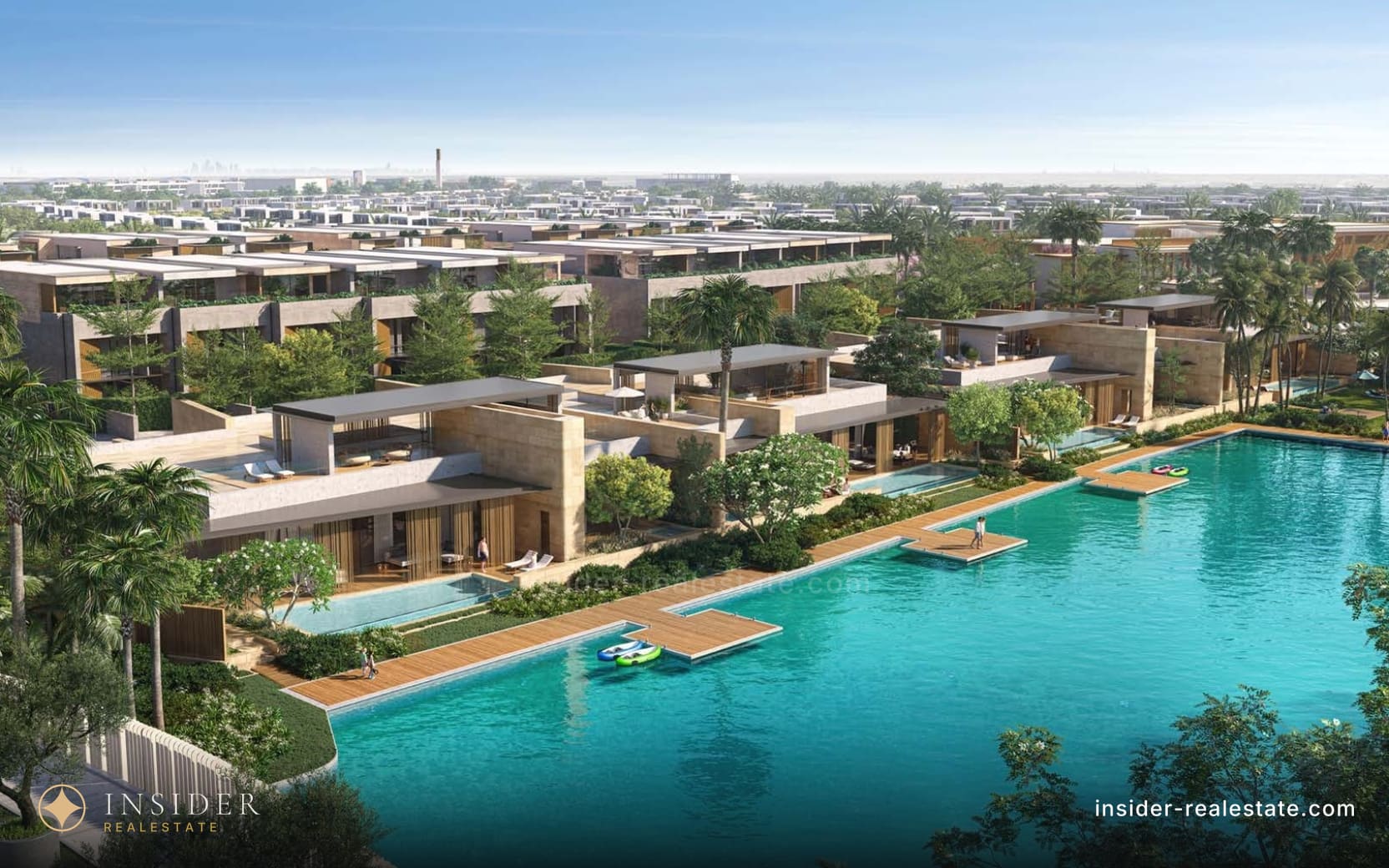
In the news
The same subject in writing — analysis and news related to this video.

Lanai Islands: 13 villas on a private island inside Tilal Al Ghaf
Architecture by SAOTA, interiors by Kelly Hoppen, up to seven bedrooms. Why building around water rather than a golf course changes what the product is — and why thirteen houses rather than three hundred.

Majid Al Futtaim: a retail group that builds communities around its own malls
The owner of Mall of the Emirates and a large regional retail business, with a property arm building master-planned communities. What an anchor tenant that owns itself changes for a resident.

Kerzner International: when the hotel operator is the name on your home
The operator behind Atlantis and One&Only, with residences attached to its resorts. What an operator-led residence gives, what it costs annually, and where the value sits.

Skai Holdings: hotel-branded residences and the operator question
A developer of hotel-branded buildings on Palm Jumeirah. Operators can change over a building’s life — what that does to the asset, and what to establish before buying.

Holiday homes in Dubai: the permit, the operator fee, and the summer
Short-let returns are quoted gross, in winter, on a good week. The licence you need, the building that may not allow it, the 15–25% an operator takes, and why the annual number lands closer to a long let than the peak season suggests.

TownX: when a developer builds four similar towers in one district
A developer with a numbered series of buildings in Jumeirah Village Circle. A series in one cluster has a specific consequence that is rarely mentioned at the sales table.