
 −18%
−18% Al Furjan
A mid-market district between Discovery Gardens and Jebel Ali with two metro stations — the quiet alternative to JVC.
69 units in stock. 62 with a confirmed status: 57 ready, 5 under construction. 31st most expensive of 91 districts by median price.
- metro access at mid-market prices
- quieter than JVC
- stable tenants
Median price $1.72M AED 6,300,000
Entry price $177K AED 650,000 — cheapest unit
Per square foot $422 AED 1,550 / sq ft, median
Ready stock 92% 44 units discounted, up to −18%
What is nearby, and what it does to the price
What this area is actually like
What Al Furjan is
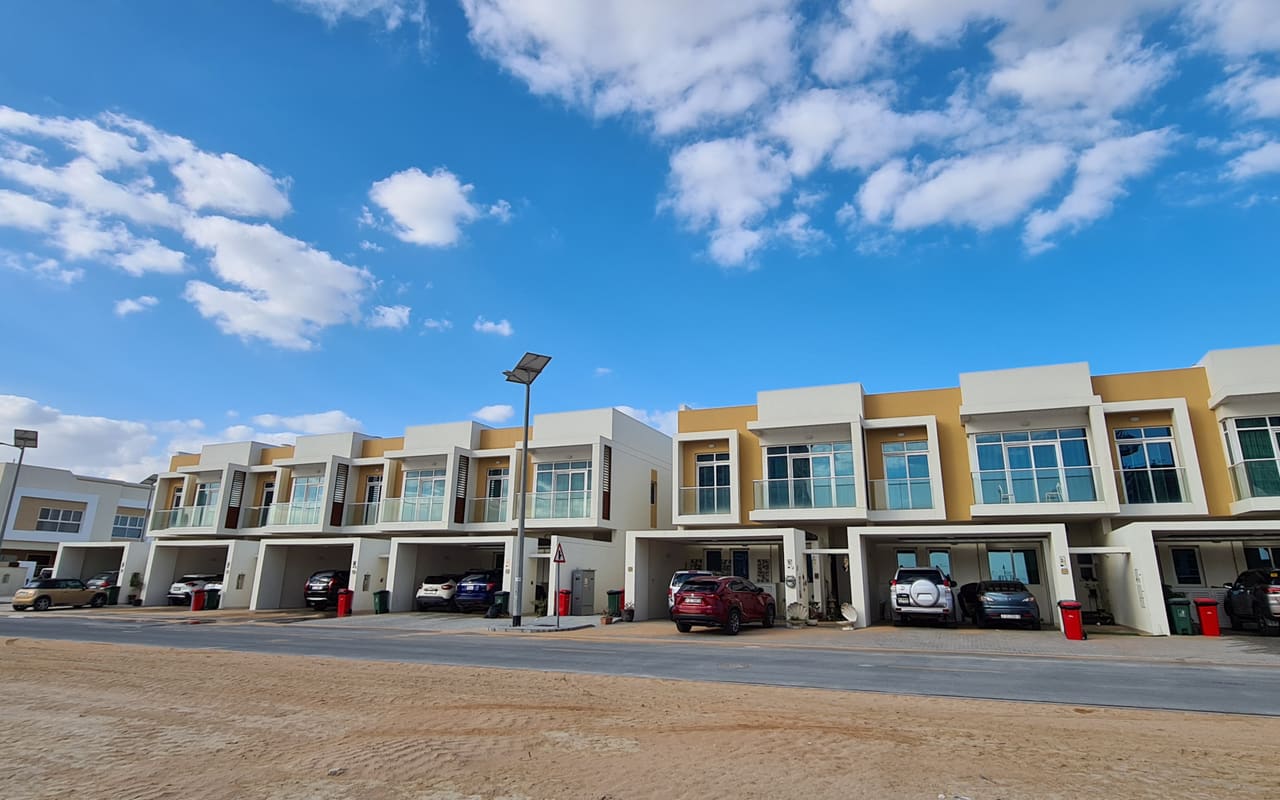
Al Furjan is a Nakheel-master-planned district in the western part of the city, between Discovery Gardens, Jebel Ali and Dubai Investment Park. It contains a mix of apartment buildings, townhouses and villas across several sub-communities.
Development accelerated through the late 2010s and 2020s, and the district is now substantially built out and occupied with community retail, schools and clinics operating.
It is quieter and lower-density than JVC, with a more residential and less transient character.
The metro advantage
Al Furjan has two metro stations on the Route 2020 extension of the red line — Al Furjan and Discovery Gardens — which puts it in a small minority of mid-market Dubai districts with genuine rail access.
That matters more than it sounds. Metro access widens the tenant pool to people without cars, supports rents, and improves lettability for smaller units.
It also connects directly to the Expo City corridor and to the main red line running through Marina, JLT, Business Bay and Downtown.
Al Furjan versus JVC
The comparison most buyers actually need. Al Furjan is quieter, lower-density, has metro access and a more residential feel. JVC is more central, has more amenity and a deeper tenant pool, and carries more supply pressure.
Yields are broadly comparable, with JVC often slightly ahead on gross and Al Furjan ahead on tenant stability.
For a landlord who prefers fewer, longer tenancies over maximum churn and maximum yield, Al Furjan is generally the better fit. For maximum volume of tenant demand, JVC.
The product mix
Apartment buildings dominate by unit count, and quality varies by developer as it does everywhere in mid-market Dubai. The newer stock is generally better specified than the earlier phases.
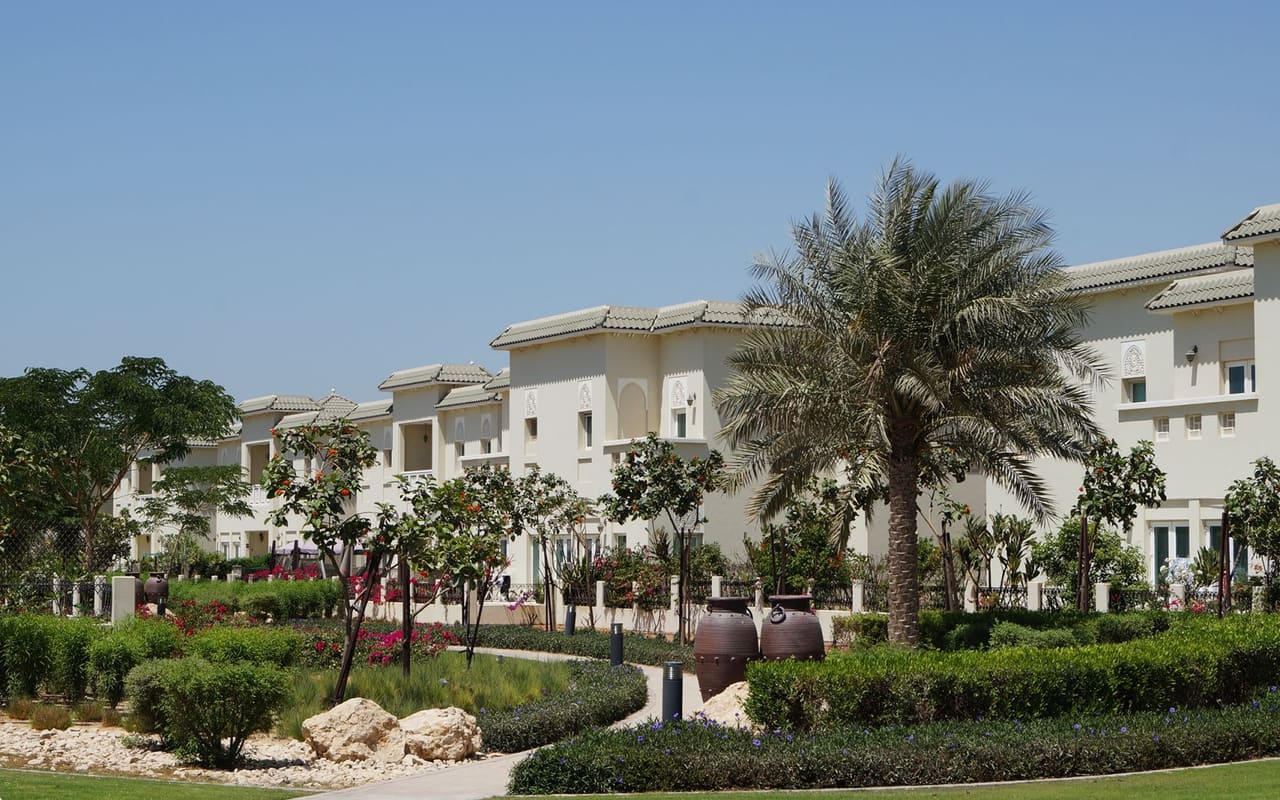
Townhouses and villas in the Nakheel-built sub-communities are a meaningful part of the district and attract families on multi-year tenancies.
Layout efficiency and parking allocation are the two variables that most affect lettability in the apartment stock.
What to check
Walking distance to the metro station, honestly measured. In summer, a fifteen-minute walk is not a walk, and the rent premium reflects real proximity rather than nominal proximity.
The developer and the service charge history for the specific building.
Parking allocation, particularly on studios and one-bedrooms.
What remains under construction on adjacent plots, since parts of the district are still filling in.
Who it suits
A yield-focused investor who wants metro access and a more stable tenant base than the busiest mid-market districts offer.
Tenants and owner-occupiers working in Jebel Ali, Dubai South, Media City or along the red line who want space at an accessible price.
It suits poorly anyone who needs to be close to Downtown, and anyone who wants a lively district — Al Furjan is deliberately quiet.
The sub-communities
Al Furjan is divided into named districts — Quortaj, Dubai Style, Masakin and the newer apartment clusters around the two metro stations — and they differ substantially in age, product and price.
The original Nakheel villa and townhouse areas are low-density, mature and family-occupied, with the greenery that a decade of growth produces. The apartment clusters are newer, denser, and built by many independent developers on separate plots.
Those apartment plots are where the quality lottery lives. Al Furjan as a district has a good reputation, which some developers have used to sell buildings that do not deserve it. The district name does not guarantee the building.
When comparing listings, establish which sub-community, which developer and which handover year. Three listings at the same price per square foot in Al Furjan can be three quite different assets.
What the metro actually changed
Before Route 2020 opened, Al Furjan was a mid-market district with no public transport, competing on price with JVC and Arjan. After it, Al Furjan is one of a small number of affordable districts where a tenant without a car can live normally.
That widened the tenant pool immediately: aircrew, hospitality staff, young professionals working along the red line, and anyone whose employer is in Media City, Business Bay or Downtown.
It also created a measurable rent gradient within the district. Buildings within a genuine walk of Al Furjan or Discovery Gardens stations command a premium; buildings fifteen minutes away in July do not, whatever the listing claims.
Walk it before you buy. Distance to a metro station in Dubai is a summer question, not a map question, and it is the single largest driver of rent variation inside this district.
The long-term position
Al Furjan sits between Discovery Gardens, Jebel Ali and Dubai Investment Park, on the corridor that runs down to Expo City and Dubai South. That whole corridor has been the focus of sustained public investment, and Al Furjan is the most conventionally residential part of it.
Supply is the brake. There are still plots being developed inside the district and a great deal of competing stock nearby, so rent growth is capped and appreciation is moderate.
What the district does offer is stability: a broad tenant pool, low void risk, metro access and a family component that keeps tenancies long.
Buy a well-built building near a station, confirm the parking, check the charge history, and hold it. That is an unexciting plan and it has worked consistently here.
More on Al Furjan
Written breakdowns of subjects the English channel has not filmed.
- Al Furjan: what two metro stations actually changed
A Nakheel-master-planned district between Discovery Gardens and Jebel Ali, and one of the few mid-market addresses in Dubai with genuine rail access. Why the rent gradient inside it is a summer question, not a map question.
The market, per the Land Department
Residential price index 167.33 Q4 2025
Quarter on quarter +3.32% QoQ
Year on year +8.9% YoY
Full year 2025 +9.81% index 162.51
The index covers the emirate as a whole; the Land Department publishes no separate figure for Al Furjan. Read it as backdrop — is the market rising or flat — against the prices above. Deals in a particular Al Furjan building I can pull separately if you ask. Source: Dubai Land Department, read 15/08/2026.
The latest read: July 2026
The quarterly Land Department index is one number for the whole emirate. The monthly one counts villas and apartments separately — and in 2026 that is the point, because a blended average masks how far the segments have diverged.
Villas and townhouses 292.5 flat YoY
Apartments 168.7 −4.2% YoY
All residential 219.2 −0.3% MoM
Price per sqft 2,039 villas · apartments 1,397 AED
By completion status the month broke down as 72.8% off-plan and 27.2% ready. Ready-home deals grew 11.4% month on month; off-plan was the one segment lower against both the previous month and the previous year (−45.3%). In practice: apartments and off-plan leave room to bargain, finished villas in settled communities far less. Index base is January 2021 = 100 — a villa reading of 292.5 means growth of 192.5% from that mark, not a premium over a 2021 peak. Monthly ValuStrat market review for July 2026, checked 24/08/2026.
Questions about Al Furjan
Does Al Furjan have a metro station?
Yes, two — Al Furjan and Discovery Gardens on the Route 2020 extension of the red line, connecting to Expo City in one direction and to Marina, Business Bay and Downtown in the other. That is unusual for a mid-market district.
Is Al Furjan better than JVC?
Different trade-offs. Al Furjan is quieter, lower-density and has metro access; JVC is more central with more amenity and a deeper tenant pool but heavier supply pressure. Yields are broadly comparable.
Other districts
All districts →Projects in Al Furjan
All projects in Al Furjan →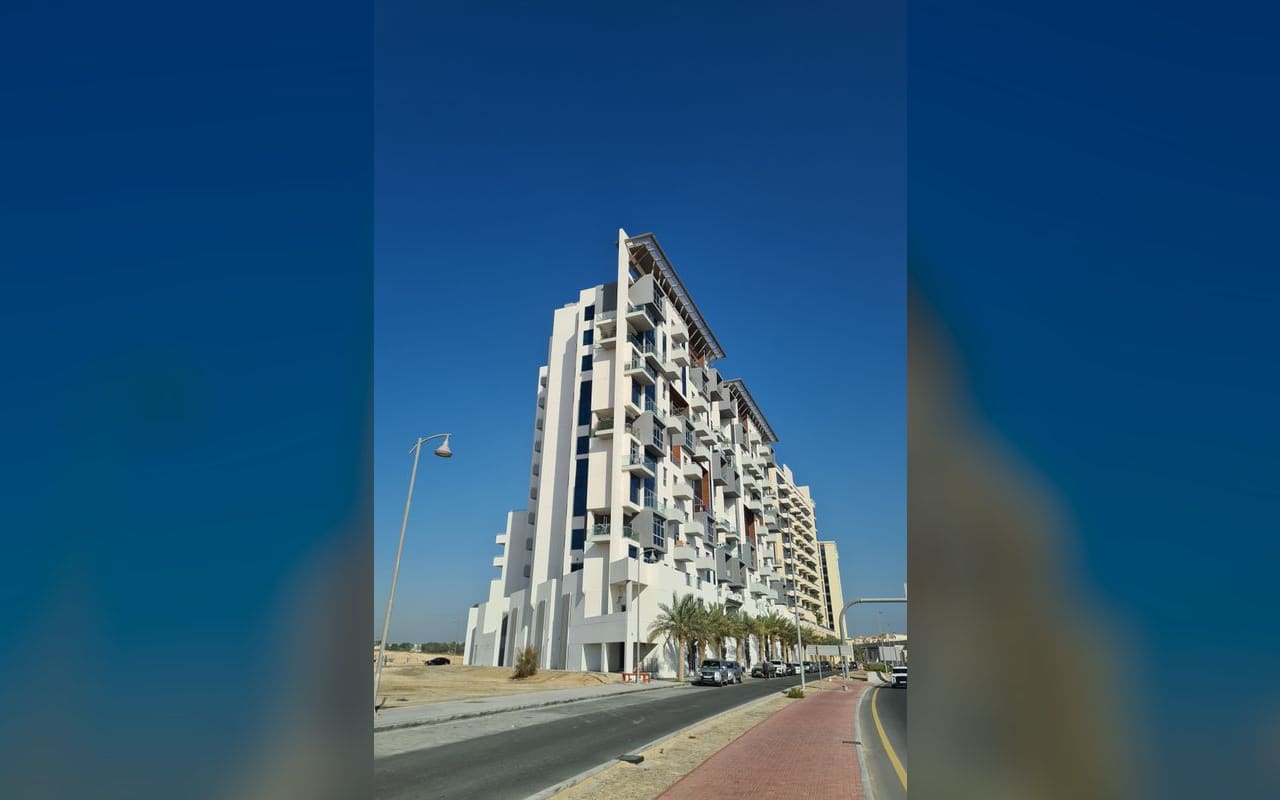
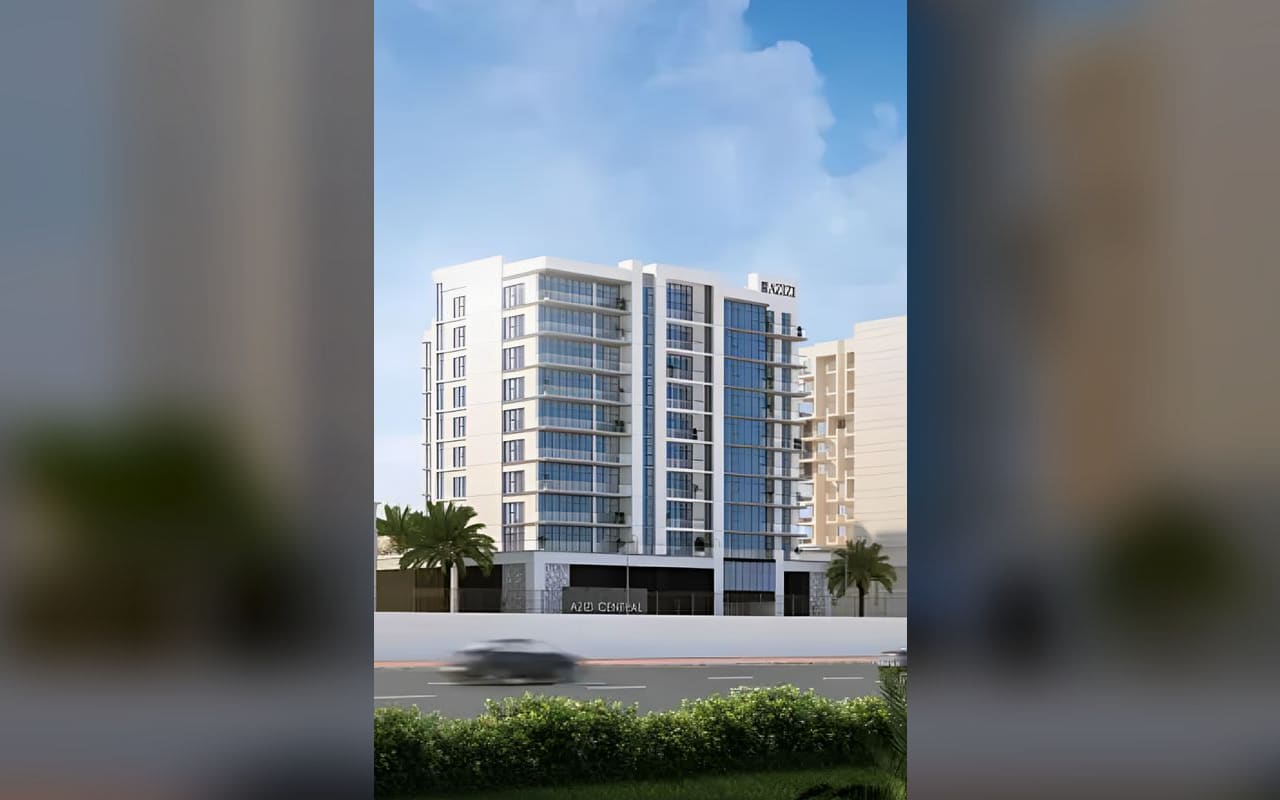
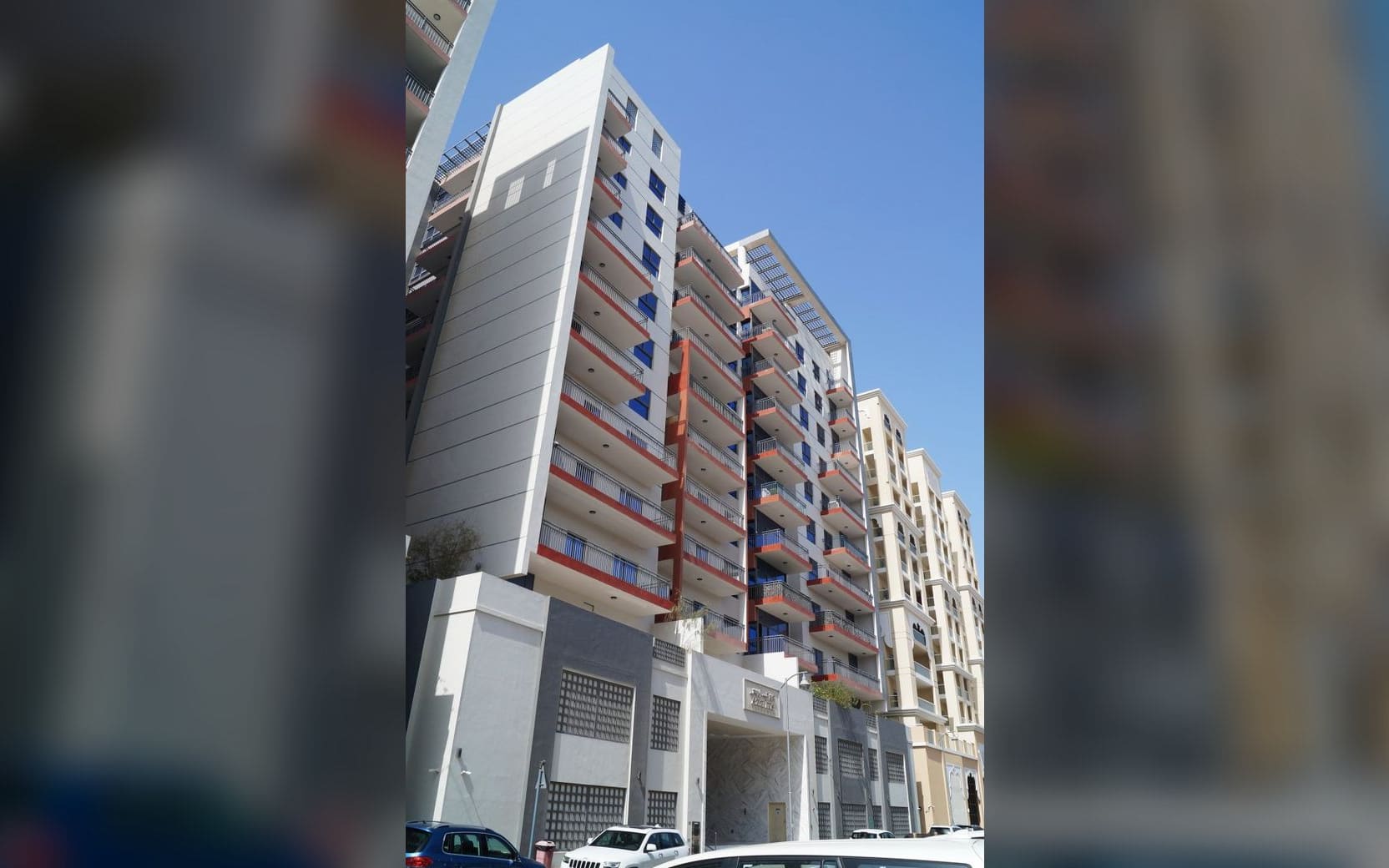
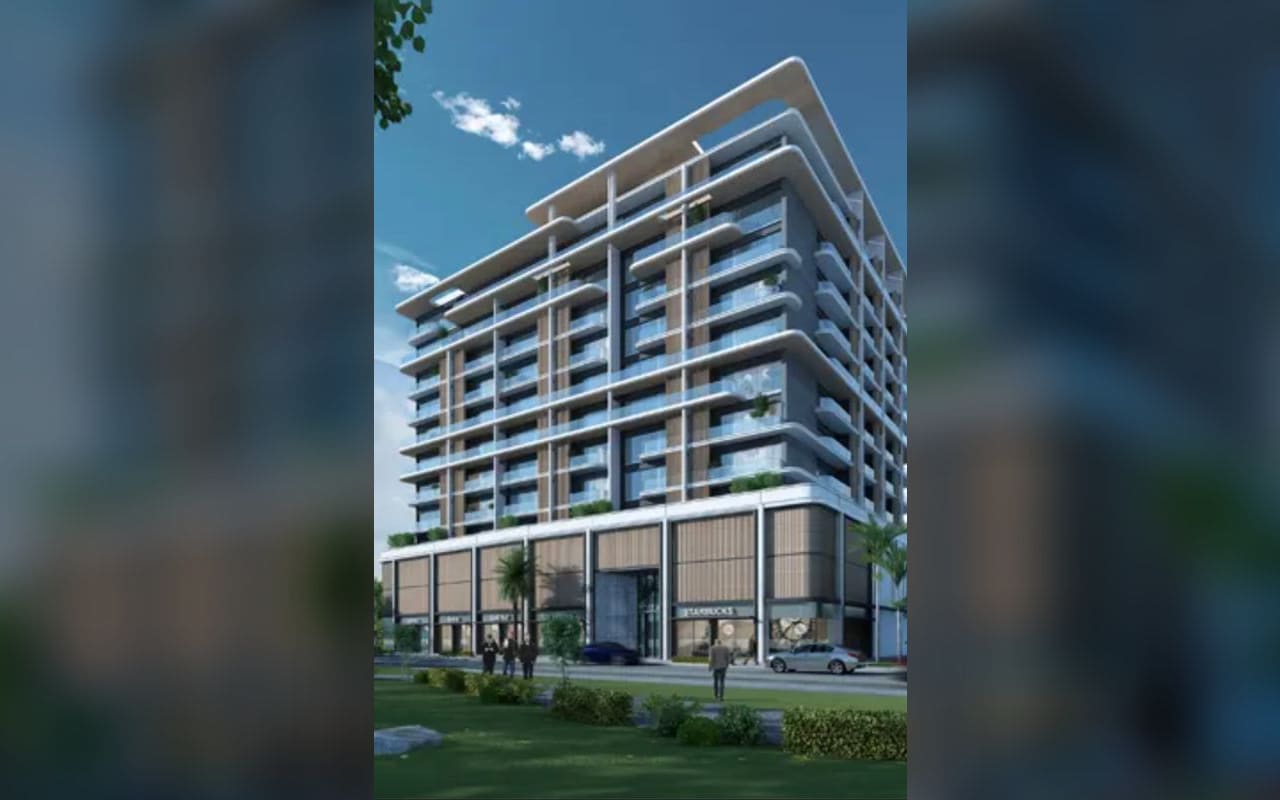
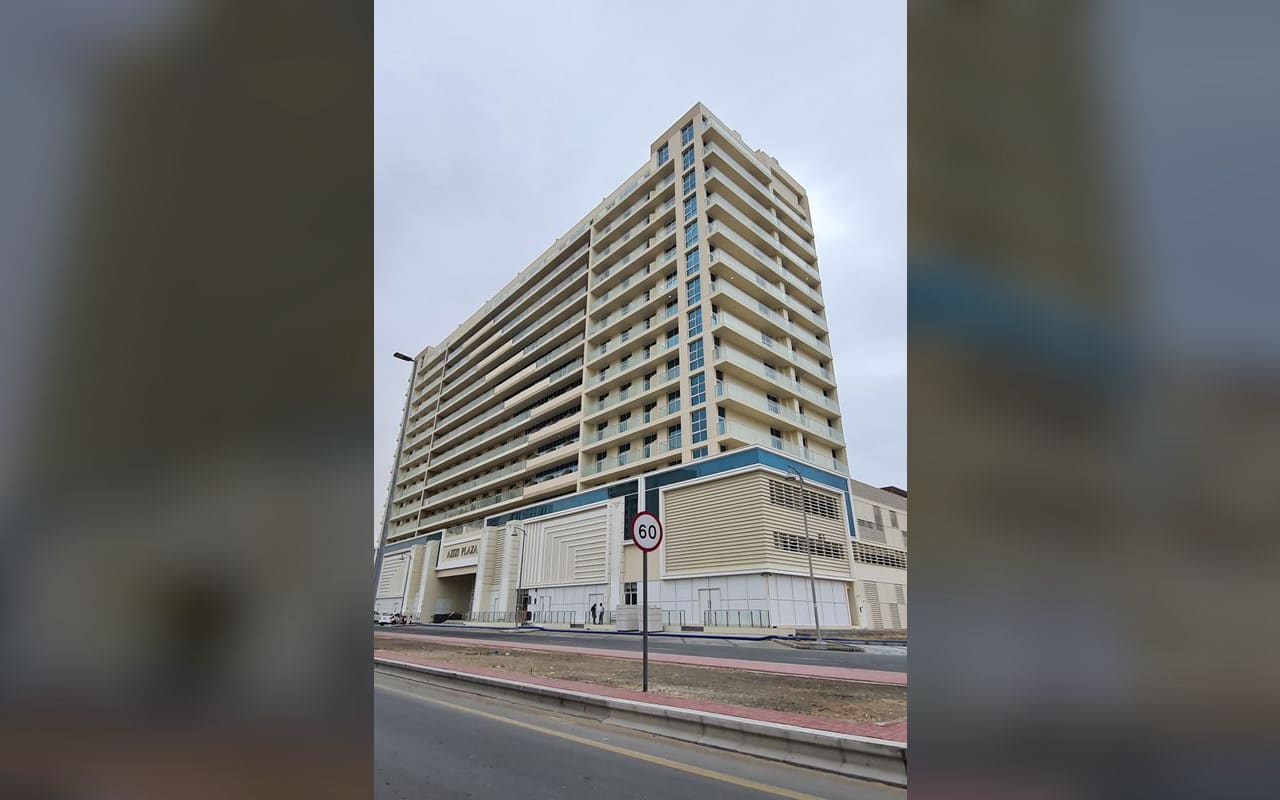
Al Furjan in the news

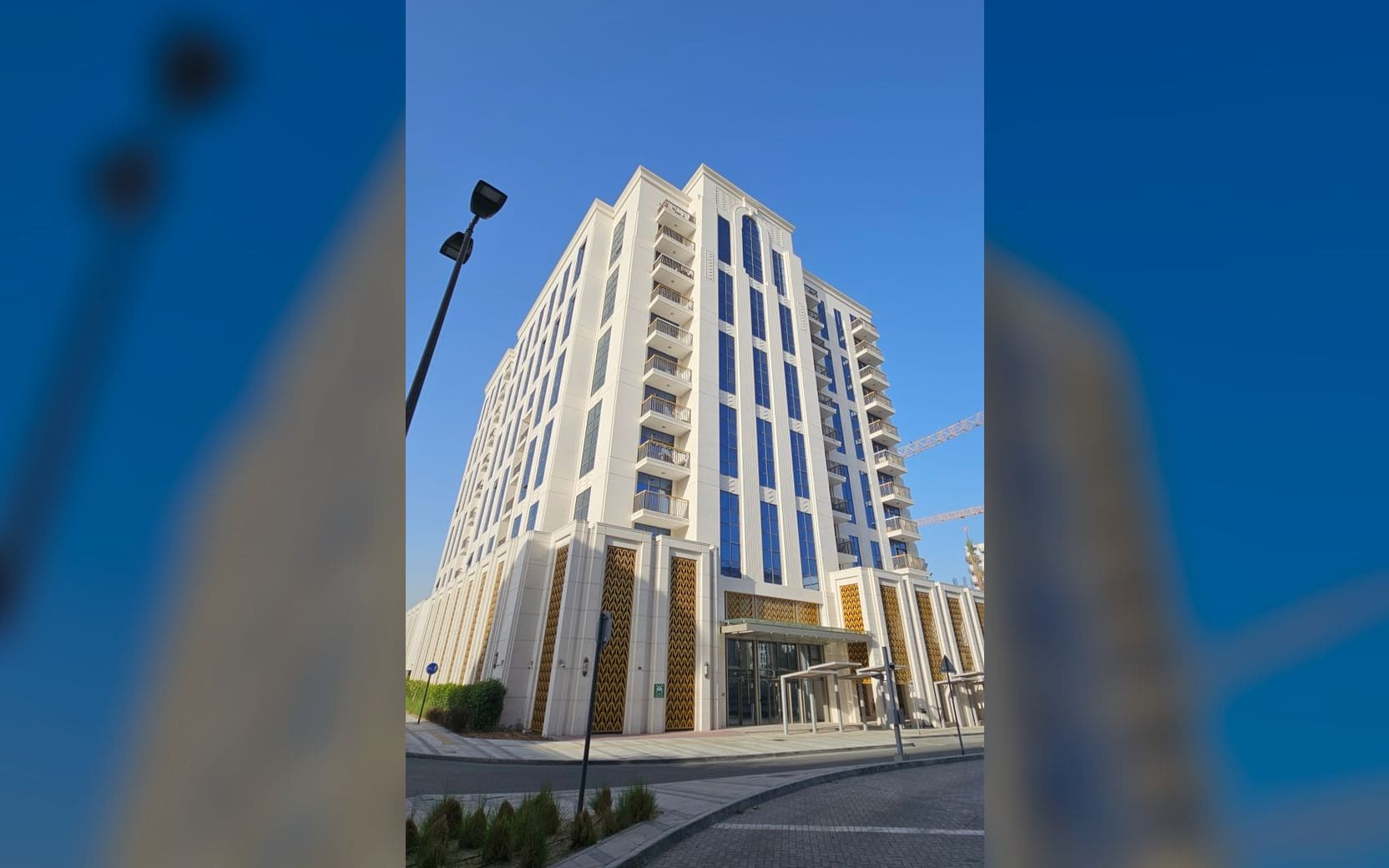
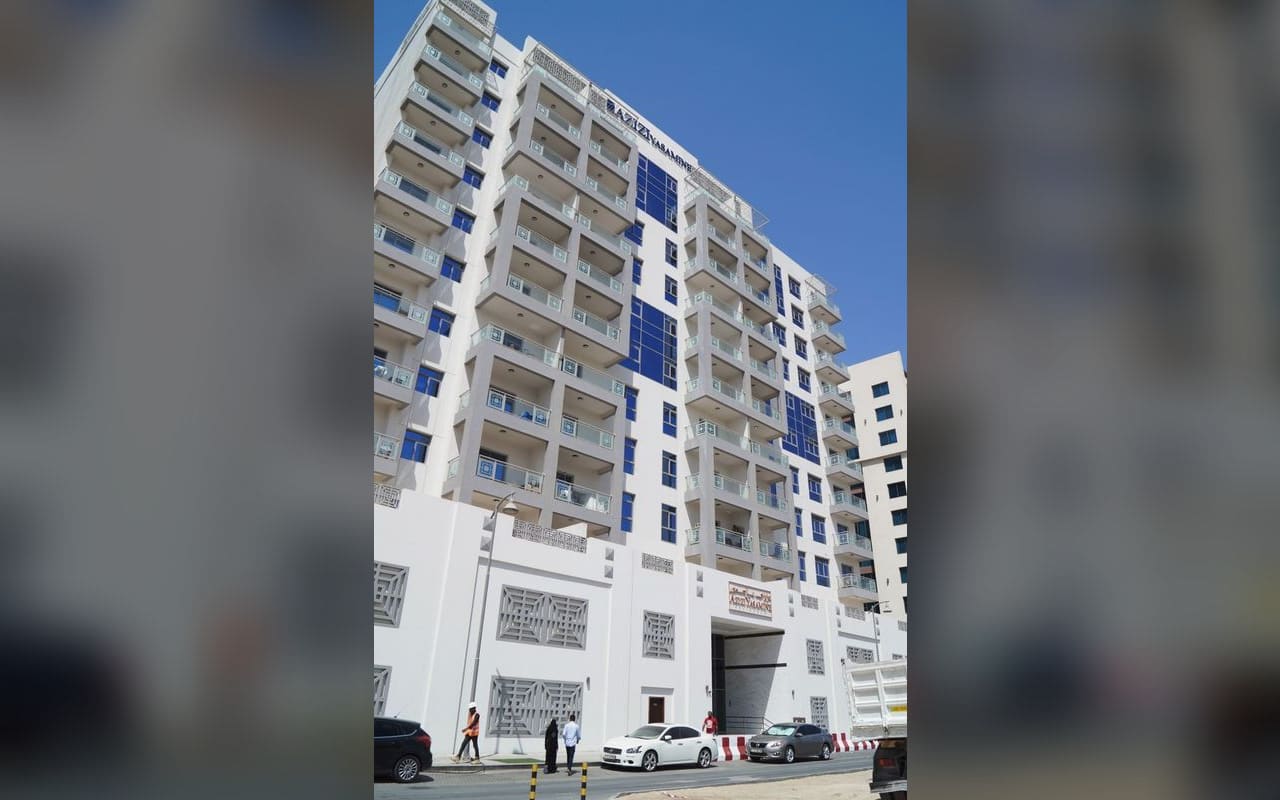
Richmond District, Al Furjan: The Area's First Integrated Master-Planned Community, a Minute from the Metro
Richmond District is the first fully integrated master-planned community in Al Furjan: John Richmond design, a shared podium with a lagoon, pools and fitness, hotel-style services and Discovery Gardens metro station a minute away. What it means for residents and investors.

Renting in Dubai with a dog or cat in 2026: which districts and homes actually work for pet owners
Written landlord permission for a pet in Dubai is mandatory — a verbal agreement is not enough. Keeping a dog in Downtown or Business Bay is close to impossible, while a villa in Arabian Ranches or Al Furjan solves the walking problem by design.

3D-printed buildings in Dubai: Nakheel's first licence at Al Furjan Hills, and the 2030 target for 25% of new buildings
In December 2023, regulator Trakhees issued Nakheel Dubai's first 3D-printing construction licence, for Al Furjan Hills. Printing itself took 20 days — but the structure was a gatehouse, not a home. Dubai's target is 25% of new buildings by 2030. What is actually on the market in 2026.
Nabni Developments: how to calculate rental yield honestly, on an Al Furjan example
A developer with a completed building in Al Furjan. Gross yield, net yield and return on invested capital are three different figures — and sales decks show the least useful one.

Ghreiwati Property Development: choosing an agent, and knowing whose side they are on
A developer with a completed Al Furjan building. Brokers are licensed and the licence is checkable — and the more useful question is who pays them.

CPL Real Estate Development: buying a property that already has a tenant
A developer with a completed Al Furjan building. A tenanted unit comes with income from day one and with a contract you did not write — and you inherit both.

BNH Real Estate Developer: homes above shops, and what that changes
A developer with mixed retail-and-residential buildings in Al Furjan. Living above active commercial space has specific advantages and specific problems, and both are checkable.

Pure Gold: a retail group that moved into property
A jewellery and retail business developing residential buildings in Al Furjan. What carries over from another industry, what does not, and how to check a first-generation developer.

Rent forecast: prime districts +15–18%, JVC and Al Furjan +2–5%
A rental forecast is interesting not for its average but for the spread between districts. The reason for the gap is supply, not prestige.
Looking at Al Furjan specifically?
Send me the building or the unit and I will pull the registered transaction history, the current service charge and what comparable units actually let for — before you make an offer, not after.
Ask on WhatsAppAsk a question
Telegram is the fastest way — I answer personally.
Message on Telegram